Alkaline Battery Market: By Battery Type, Application, End User and Region 2021-2032
Alkaline Battery Market: By Battery Type, Application, End User and Region 2021-2032
Report ID:507133
Published Date:Feb 2026
No of Pages:209
Format:

Alkaline Battery Market was valued at US$ 8,976.3 million in 2025 and is projected to reach US$ 12,811.2 million by 2032 at a CAGR of 5.4% form 2026-2032. Moreover, the U.S. Alkaline Battery Market is projected to grow at 5.5% over the forecast period.
The alkaline battery is a type of primary battery that typically uses zinc and manganese dioxide as electrodes. These batteries are widely recognized for their higher energy output, longer shelf life, and reliability compared to older carbon-zinc batteries. As a dominant segment within the global primary battery industry, alkaline batteries are essential for powering a vast array of consumer electronics, household gadgets, portable devices, and industrial equipment. The market includes major players such as Duracell, Energizer, Camelion Batterien, and Gold Peak Industries, who contribute substantially to the supply chain and product development in this space.
The market is expanding steadily, which is driven by rising demand for portable electronic devices, increased urbanization in emerging economies, expansion of retail and e-commerce channels, and ongoing innovations enhancing battery performance, shelf life, and environmental safety. Despite competition from rechargeable and lithium batteries, alkaline batteries remain favored for their affordability, availability, and consistent power output, especially in regions with limited charging infrastructure. North America currently leads the market, but significant growth opportunities are emerging in Asia-Pacific countries like India and China due to rising electrification and consumer electronics adoption.
Based on the battery type
The AA batteries are expected to dominate the alkaline battery market due to their widespread use across a broad range of consumer and household devices. Analysts point out that AA batteries are the most commonly used power source for everyday electronics such as remote controls, wall clocks, toys, flashlights, wireless peripherals, and small medical devices. Their standardized size, balanced capacity, and affordability make them the preferred choice for both manufacturers and consumers. In addition, AA batteries benefit from very high replacement frequency, as many of these devices require regular battery changes, generating recurring demand. Strong availability across offline retail and e-commerce channels further reinforces volume sales. Compared to AAA, C, D, and 9V batteries—which serve more specific or lower-volume use cases—the versatility and mass adoption of AA batteries firmly position them as the leading battery type segment in the global alkaline battery market.
Based on the application
Based on application, consumer electronics are expected to dominate the alkaline battery market, driven by the massive installed base of low-power household and personal devices that rely on disposable batteries. Analysts note that products such as remote controls, wireless keyboards and mice, clocks, radios, and basic audio devices continue to depend heavily on alkaline batteries due to their reliability, long shelf life, and low cost. Unlike rechargeable alternatives, alkaline batteries remain the preferred option for devices with intermittent or low-drain usage, where convenience and immediate replacement matter more than recharge cycles. In addition, the rapid penetration of affordable consumer electronics in emerging economies is expanding overall battery consumption volumes. High replacement frequency and consistent daily usage further reinforce demand. While applications such as medical and industrial devices are growing steadily, the sheer volume and repeat consumption associated with consumer electronics firmly position this segment as the leading application in the global alkaline battery market.
Based on the end user
Based on end user, the residential segment is expected to dominate the alkaline battery market, driven by widespread household use and high replacement frequency. Analysts highlight that alkaline batteries are extensively used in residential settings for everyday devices such as remote controls, wall clocks, toys, flashlights, wireless peripherals, and basic home safety equipment. These devices typically rely on disposable batteries due to their convenience, long shelf life, and ease of replacement. In addition, rising household penetration of low-power electronic products, particularly in emerging economies, continues to support demand. Residential consumers also prefer alkaline batteries over rechargeables for intermittent-use devices, reinforcing consistent consumption patterns. While commercial and industrial users account for stable demand, the sheer volume of households and recurring replacement cycles position the residential segment as the leading end user in the global alkaline battery market.
Study Period
2026-2032Base Year
2025CAGR
5.4%Largest Market
Asia-PacificFastest Growing Market
Middle East and Africa
A major driver of the alkaline battery market is the sustained global demand for portable consumer electronics such as remote controls, wireless peripherals, toys, medical devices, and flashlights. As households continue to increase the number of battery-powered devices, alkaline batteries remain the preferred choice due to their affordability, long shelf life, and widespread availability. Manufacturers of electronic goods also design many entry-level and mid-range devices specifically around alkaline battery formats like AA and AAA, reinforcing demand. In addition, alkaline batteries are often chosen for applications where reliability and ease of replacement are critical—such as in emergency equipment or handheld diagnostic tools—further strengthening their market position. Their non-rechargeable nature, although sometimes viewed as a limitation, provides convenience for consumers who prefer quick, drop-in replacements without charging downtime. This steady and diversified consumption pattern continues to push global alkaline battery sales upward, making consumer electronics a central market driver.
One of the biggest challenges facing the alkaline battery market is the rapid shift towards rechargeable battery technologies, particularly lithium-ion and nickel-metal hydride systems. As consumers become more aware of the benefits of long-term cost savings and sustainability, rechargeable options are becoming increasingly attractive. They offer the advantage of hundreds of charge cycles, which helps cut down on waste and the need for constant repurchasing. Additionally, governments and environmental groups are advocating for rechargeable batteries to help reduce the landfill pollution associated with disposable batteries. On top of that, advancements in energy density, safety, and recall rates for lithium-ion batteries make them a better fit for high-drain devices, pushing alkaline batteries out of areas where they used to be the go-to choice. Retailers are also stepping up their game by promoting rechargeable bundles, charging docks, and eco-friendly initiatives that highlight the importance of reusing over single-use products. This cultural and technological shift is a significant hurdle, gradually shrinking the market share of alkaline batteries in more sophisticated electronic applications and challenging the industry to stay relevant.
There's a huge opportunity for the alkaline battery market, especially with the growing number of consumers in developing areas like Southeast Asia, Africa, and parts of Latin America. As more people gain access to electricity and their incomes rise, households in these regions are increasingly buying battery-powered devices for everything from communication to entertainment and essential utilities. Many communities still depend on portable power sources due to unreliable grid access, which makes alkaline batteries crucial for items like flashlights, portable radios, and basic medical equipment. Moreover, in rural areas, people often choose alkaline batteries over rechargeable ones because they’re affordable, easy to find, and don’t need a constant electricity supply for recharging. Global brands are also making their way into these markets, thanks to affordable logistics and wider distribution networks. This growing demand gives manufacturers a fantastic chance to boost sales, roll out cost-effective product lines, and establish a lasting presence in these rapidly developing economies.
A key trend in the alkaline battery market is a significant shift towards more environmentally friendly and mercury-free options. Today’s consumers are becoming increasingly aware of the environmental impact of disposable batteries, prompting brands to embrace greener manufacturing methods and emphasize sustainability in their marketing efforts. Most major manufacturers have already made the switch to mercury-free designs, which helps reduce heavy metal pollution and enhances recyclability. Additionally, companies are pouring resources into developing advanced alkaline chemistries that boost energy efficiency while cutting down on material waste, appealing to both regulators and eco-conscious shoppers. We're also witnessing packaging innovations—like using recyclable materials, minimizing plastic, and providing clear environmental labels—becoming the norm, reflecting a wider movement towards responsible consumption. Governments are further supporting this shift by tightening regulations on hazardous waste disposal and promoting battery recycling programs. As these eco-friendly trends continue to grow, they are influencing how manufacturers innovate, set their products apart, and convey value in a market that increasingly prioritizes sustainability.
Largest Share of the Region:
Asia-Pacific is the largest and fastest-growing region in the alkaline battery market, accounting for roughly half of global unit consumption and registering an estimated annual growth rate in the mid-single digits. Growth is powered by massive consumer electronics demand, for example: remote controls, toys, and cordless peripherals and large-scale replacement cycles in household devices (for example: AA/AAA household torch and wall-clock replacements). Key drivers include rapid urbanization, expanding retail penetration in India and Southeast Asia, and continued demand from industrial sensors and low-power medical devices. Current trends show manufacturers pushing higher-energy, mercury-free chemistries and private-label retail strategies to win volume; additionally, longer shelf-life SKUs and incremental investments in take-back/recycling pilots are appearing as brands respond to sustainability pressure.
Fastest Growing/ Emerging Region:
The emerging region is Africa & the Middle East, where alkaline battery volumes remain a smaller share today but are growing fastest—often at high single-digit to low double-digit rates—driven by electrification and off-grid use cases. Primary drivers include expanding access to affordable consumer electronics and off-grid lighting systems, for example: solar lanterns and remote LED lighting using AA/AAA cells and rising availability of formal retail and e-commerce channels, for example: mobile-first marketplaces enabling nationwide battery distribution). Trends in this region include a move toward more robust, higher-capacity AA/AAA formats suited to harsh climates, growing interest from international manufacturers to set up local distribution partnerships, and rising concern about counterfeit and low-quality imports—prompting brands to emphasize traceability and basic recycling programs.
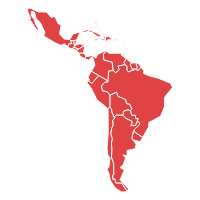
Latin America
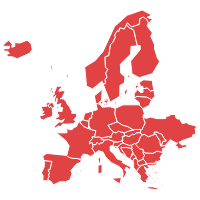
Europe
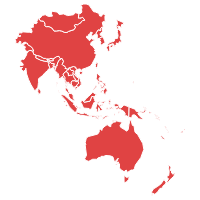
Asia Pacific
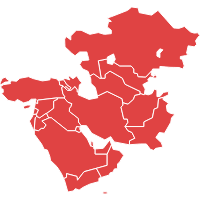
Middle East
North America
|
Report Benchmarks |
Details |
|
Report Study Period |
2026-2032 |
|
Market Size in 2025 |
US$ 8,976.3 million |
|
Market Size in 2032 |
US$ 12,811.2 million |
|
Market CAGR |
5.4% |
|
By Battery Type |
|
|
By Application |
|
|
By End User |
|
|
By Region |
|
PBI Analysts observe that the global alkaline battery market continues to demonstrate stable and resilient growth, supported by consistent demand from household and low-drain electronic applications. Analysts observe that despite increasing penetration of rechargeable batteries, alkaline batteries retain a strong position due to their convenience, low upfront cost, and long shelf life. Widespread use in consumer electronics, toys, remote controls, flashlights, and basic medical devices ensures recurring replacement demand. Emerging economies are contributing significantly to volume growth as rising disposable incomes and urbanization expand access to battery-powered devices. Manufacturers are focusing on incremental performance improvements, such as longer-lasting formulations and leak-resistant designs, to maintain competitiveness. Sustainability is also shaping market dynamics, with increased adoption of mercury-free chemistries, recyclable packaging, and battery collection initiatives. However, price sensitivity and competition from rechargeables in certain applications remain key challenges. Overall, analysts view the market outlook as steady rather than high-growth, characterized by strong volume demand, gradual innovation, and continued relevance in everyday consumer and residential use cases.
Download Free Sample Report

Alkaline Battery Market was valued at US$ 8,976.3 million in 2025 and is projected to reach US$ 12,811.2 million by 2032 at a CAGR of 5.4% form 2026-2032.
The global alkaline battery market is driven by widespread use of low-power consumer electronics and household devices that require reliable, disposable power sources.
Key trends in the global alkaline battery market include a shift toward higher-capacity and long-life chemistries that extend run time and reduce replacement frequency.
Market research is segmented based on battery type, application, end user and region.
Content Updated Date: Jul 2026
| 1.Executive Summary |
| 2.Global Alkaline Battery Market Introduction |
| 2.1.Global Alkaline Battery Market - Taxonomy |
| 2.2.Global Alkaline Battery Market - Definitions |
| 2.2.1.Battery Type |
| 2.2.2.Application |
| 2.2.3. End User |
| 2.2.4.Region |
| 3.Global Alkaline Battery Market Dynamics |
| 3.1. Drivers |
| 3.2. Restraints |
| 3.3. Opportunities/Unmet Needs of the Market |
| 3.4. Trends |
| 3.5. Product Landscape |
| 3.6. New Product Launches |
| 3.7. Impact of COVID 19 on Market |
| 4.Global Alkaline Battery Market Analysis, 2021 - 2025 and Forecast 2026 - 2032 |
| 4.1. Market Analysis, 2021 - 2025 and Forecast, 2026 - 2032, (Sales Value USD Million) |
| 4.2. Year-Over-Year (Y-o-Y) Growth Analysis (%) |
| 4.3. Market Opportunity Analysis |
| 5.Global Alkaline Battery Market By Battery Type, 2021 - 2025 and Forecast 2026 - 2032 (Sales Value USD Million) |
| 5.1. AA |
| 5.1.1. Market Analysis, 2021 - 2025 and Forecast, 2026 - 2032, (Sales Value USD Million) |
| 5.1.2. Year-Over-Year (Y-o-Y) Growth Analysis (%) and Market Share Analysis (%) |
| 5.1.3. Market Opportunity Analysis |
| 5.2. AAA |
| 5.2.1. Market Analysis, 2021 - 2025 and Forecast, 2026 - 2032, (Sales Value USD Million) |
| 5.2.2. Year-Over-Year (Y-o-Y) Growth Analysis (%) and Market Share Analysis (%) |
| 5.2.3. Market Opportunity Analysis |
| 5.3. C |
| 5.3.1. Market Analysis, 2021 - 2025 and Forecast, 2026 - 2032, (Sales Value USD Million) |
| 5.3.2. Year-Over-Year (Y-o-Y) Growth Analysis (%) and Market Share Analysis (%) |
| 5.3.3. Market Opportunity Analysis |
| 5.4. D |
| 5.4.1. Market Analysis, 2021 - 2025 and Forecast, 2026 - 2032, (Sales Value USD Million) |
| 5.4.2. Year-Over-Year (Y-o-Y) Growth Analysis (%) and Market Share Analysis (%) |
| 5.4.3. Market Opportunity Analysis |
| 5.5. 9V |
| 5.5.1. Market Analysis, 2021 - 2025 and Forecast, 2026 - 2032, (Sales Value USD Million) |
| 5.5.2. Year-Over-Year (Y-o-Y) Growth Analysis (%) and Market Share Analysis (%) |
| 5.5.3. Market Opportunity Analysis |
| 5.6. Others |
| 5.6.1. Market Analysis, 2021 - 2025 and Forecast, 2026 - 2032, (Sales Value USD Million) |
| 5.6.2. Year-Over-Year (Y-o-Y) Growth Analysis (%) and Market Share Analysis (%) |
| 5.6.3. Market Opportunity Analysis |
| 6.Global Alkaline Battery Market By Application, 2021 - 2025 and Forecast 2026 - 2032 (Sales Value USD Million) |
| 6.1. Consumer Electronics |
| 6.1.1. Market Analysis, 2021 - 2025 and Forecast, 2026 - 2032, (Sales Value USD Million) |
| 6.1.2. Year-Over-Year (Y-o-Y) Growth Analysis (%) and Market Share Analysis (%) |
| 6.1.3. Market Opportunity Analysis |
| 6.2. Toys & Remote Controls |
| 6.2.1. Market Analysis, 2021 - 2025 and Forecast, 2026 - 2032, (Sales Value USD Million) |
| 6.2.2. Year-Over-Year (Y-o-Y) Growth Analysis (%) and Market Share Analysis (%) |
| 6.2.3. Market Opportunity Analysis |
| 6.3. Flashlights |
| 6.3.1. Market Analysis, 2021 - 2025 and Forecast, 2026 - 2032, (Sales Value USD Million) |
| 6.3.2. Year-Over-Year (Y-o-Y) Growth Analysis (%) and Market Share Analysis (%) |
| 6.3.3. Market Opportunity Analysis |
| 6.4. Medical Devices |
| 6.4.1. Market Analysis, 2021 - 2025 and Forecast, 2026 - 2032, (Sales Value USD Million) |
| 6.4.2. Year-Over-Year (Y-o-Y) Growth Analysis (%) and Market Share Analysis (%) |
| 6.4.3. Market Opportunity Analysis |
| 6.5. Industrial Devices |
| 6.5.1. Market Analysis, 2021 - 2025 and Forecast, 2026 - 2032, (Sales Value USD Million) |
| 6.5.2. Year-Over-Year (Y-o-Y) Growth Analysis (%) and Market Share Analysis (%) |
| 6.5.3. Market Opportunity Analysis |
| 6.6. Others |
| 6.6.1. Market Analysis, 2021 - 2025 and Forecast, 2026 - 2032, (Sales Value USD Million) |
| 6.6.2. Year-Over-Year (Y-o-Y) Growth Analysis (%) and Market Share Analysis (%) |
| 6.6.3. Market Opportunity Analysis |
| 7.Global Alkaline Battery Market By End User, 2021 - 2025 and Forecast 2026 - 2032 (Sales Value USD Million) |
| 7.1. Residential |
| 7.1.1. Market Analysis, 2021 - 2025 and Forecast, 2026 - 2032, (Sales Value USD Million) |
| 7.1.2. Year-Over-Year (Y-o-Y) Growth Analysis (%) and Market Share Analysis (%) |
| 7.1.3. Market Opportunity Analysis |
| 7.2. Commercial |
| 7.2.1. Market Analysis, 2021 - 2025 and Forecast, 2026 - 2032, (Sales Value USD Million) |
| 7.2.2. Year-Over-Year (Y-o-Y) Growth Analysis (%) and Market Share Analysis (%) |
| 7.2.3. Market Opportunity Analysis |
| 7.3. Industrial |
| 7.3.1. Market Analysis, 2021 - 2025 and Forecast, 2026 - 2032, (Sales Value USD Million) |
| 7.3.2. Year-Over-Year (Y-o-Y) Growth Analysis (%) and Market Share Analysis (%) |
| 7.3.3. Market Opportunity Analysis |
| 8.Global Alkaline Battery Market By Region, 2021 - 2025 and Forecast 2026 - 2032 (Sales Value USD Million) |
| 8.1. North America |
| 8.1.1. Market Analysis, 2021 - 2025 and Forecast, 2026 - 2032, (Sales Value USD Million) |
| 8.1.2. Year-Over-Year (Y-o-Y) Growth Analysis (%) and Market Share Analysis (%) |
| 8.1.3. Market Opportunity Analysis |
| 8.2. Europe |
| 8.2.1. Market Analysis, 2021 - 2025 and Forecast, 2026 - 2032, (Sales Value USD Million) |
| 8.2.2. Year-Over-Year (Y-o-Y) Growth Analysis (%) and Market Share Analysis (%) |
| 8.2.3. Market Opportunity Analysis |
| 8.3. Asia Pacific (APAC) |
| 8.3.1. Market Analysis, 2021 - 2025 and Forecast, 2026 - 2032, (Sales Value USD Million) |
| 8.3.2. Year-Over-Year (Y-o-Y) Growth Analysis (%) and Market Share Analysis (%) |
| 8.3.3. Market Opportunity Analysis |
| 8.4. Middle East and Africa (MEA) |
| 8.4.1. Market Analysis, 2021 - 2025 and Forecast, 2026 - 2032, (Sales Value USD Million) |
| 8.4.2. Year-Over-Year (Y-o-Y) Growth Analysis (%) and Market Share Analysis (%) |
| 8.4.3. Market Opportunity Analysis |
| 8.5. Latin America |
| 8.5.1. Market Analysis, 2021 - 2025 and Forecast, 2026 - 2032, (Sales Value USD Million) |
| 8.5.2. Year-Over-Year (Y-o-Y) Growth Analysis (%) and Market Share Analysis (%) |
| 8.5.3. Market Opportunity Analysis |
| 9.North America Alkaline Battery Market ,2021 - 2025 and Forecast 2026 - 2032 (Sales Value USD Million) |
| 9.1. Battery Type Analysis 2021 - 2025 and Forecast 2026 - 2032 by Sales Value USD Million, Y-o-Y Growth (%), and Market Share (%) |
| 9.1.1.AA |
| 9.1.2.AAA |
| 9.1.3.C |
| 9.1.4.D |
| 9.1.5.9V |
| 9.1.6.Others |
| 9.2. Application Analysis 2021 - 2025 and Forecast 2026 - 2032 by Sales Value USD Million, Y-o-Y Growth (%), and Market Share (%) |
| 9.2.1.Consumer Electronics |
| 9.2.2.Toys & Remote Controls |
| 9.2.3.Flashlights |
| 9.2.4.Medical Devices |
| 9.2.5.Industrial Devices |
| 9.2.6.Others |
| 9.3. End User Analysis 2021 - 2025 and Forecast 2026 - 2032 by Sales Value USD Million, Y-o-Y Growth (%), and Market Share (%) |
| 9.3.1.Residential |
| 9.3.2.Commercial |
| 9.3.3.Industrial |
| 9.4. Country Analysis 2021 - 2025 and Forecast 2026 - 2032 by Sales Value USD Million, Y-o-Y Growth (%), and Market Share (%) |
| 9.4.1.United States of America (USA) |
| 9.4.2.Canada |
| 10.Europe Alkaline Battery Market ,2021 - 2025 and Forecast 2026 - 2032 (Sales Value USD Million) |
| 10.1. Battery Type Analysis and Forecast by Sales Value USD Million, Y-o-Y Growth (%), and Market Share (%) |
| 10.1.1.AA |
| 10.1.2.AAA |
| 10.1.3.C |
| 10.1.4.D |
| 10.1.5.9V |
| 10.1.6.Others |
| 10.2. Application Analysis 2021 - 2025 and Forecast 2026 - 2032 by Sales Value USD Million, Y-o-Y Growth (%), and Market Share (%) |
| 10.2.1.Consumer Electronics |
| 10.2.2.Toys & Remote Controls |
| 10.2.3.Flashlights |
| 10.2.4.Medical Devices |
| 10.2.5.Industrial Devices |
| 10.2.6.Others |
| 10.3. End User Analysis 2021 - 2025 and Forecast 2026 - 2032 by Sales Value USD Million, Y-o-Y Growth (%), and Market Share (%) |
| 10.3.1.Residential |
| 10.3.2.Commercial |
| 10.3.3.Industrial |
| 10.4. Country Analysis 2021 - 2025 and Forecast 2026 - 2032 by Sales Value USD Million, Y-o-Y Growth (%), and Market Share (%) |
| 10.4.1.Germany |
| 10.4.2.France |
| 10.4.3.Italy |
| 10.4.4.United Kingdom (UK) |
| 10.4.5.Spain |
| 11.Asia Pacific (APAC) Alkaline Battery Market ,2021 - 2025 and Forecast 2026 - 2032 (Sales Value USD Million) |
| 11.1. Battery Type Analysis and Forecast by Sales Value USD Million, Y-o-Y Growth (%), and Market Share (%) |
| 11.1.1.AA |
| 11.1.2.AAA |
| 11.1.3.C |
| 11.1.4.D |
| 11.1.5.9V |
| 11.1.6.Others |
| 11.2. Application Analysis 2021 - 2025 and Forecast 2026 - 2032 by Sales Value USD Million, Y-o-Y Growth (%), and Market Share (%) |
| 11.2.1.Consumer Electronics |
| 11.2.2.Toys & Remote Controls |
| 11.2.3.Flashlights |
| 11.2.4.Medical Devices |
| 11.2.5.Industrial Devices |
| 11.2.6.Others |
| 11.3. End User Analysis 2021 - 2025 and Forecast 2026 - 2032 by Sales Value USD Million, Y-o-Y Growth (%), and Market Share (%) |
| 11.3.1.Residential |
| 11.3.2.Commercial |
| 11.3.3.Industrial |
| 11.4. Country Analysis 2021 - 2025 and Forecast 2026 - 2032 by Sales Value USD Million, Y-o-Y Growth (%), and Market Share (%) |
| 11.4.1.China |
| 11.4.2.India |
| 11.4.3.Australia and New Zealand (ANZ) |
| 11.4.4.Japan |
| 11.4.5.Rest of APAC |
| 12.Middle East and Africa (MEA) Alkaline Battery Market ,2021 - 2025 and Forecast 2026 - 2032 (Sales Value USD Million) |
| 12.1. Battery Type Analysis and Forecast by Sales Value USD Million, Y-o-Y Growth (%), and Market Share (%) |
| 12.1.1.AA |
| 12.1.2.AAA |
| 12.1.3.C |
| 12.1.4.D |
| 12.1.5.9V |
| 12.1.6.Others |
| 12.2. Application Analysis 2021 - 2025 and Forecast 2026 - 2032 by Sales Value USD Million, Y-o-Y Growth (%), and Market Share (%) |
| 12.2.1.Consumer Electronics |
| 12.2.2.Toys & Remote Controls |
| 12.2.3.Flashlights |
| 12.2.4.Medical Devices |
| 12.2.5.Industrial Devices |
| 12.2.6.Others |
| 12.3. End User Analysis 2021 - 2025 and Forecast 2026 - 2032 by Sales Value USD Million, Y-o-Y Growth (%), and Market Share (%) |
| 12.3.1.Residential |
| 12.3.2.Commercial |
| 12.3.3.Industrial |
| 12.4. Country Analysis 2021 - 2025 and Forecast 2026 - 2032 by Sales Value USD Million, Y-o-Y Growth (%), and Market Share (%) |
| 12.4.1.GCC Countries |
| 12.4.2.South Africa |
| 12.4.3.Rest of MEA |
| 13.Latin America Alkaline Battery Market ,2021 - 2025 and Forecast 2026 - 2032 (Sales Value USD Million) |
| 13.1. Battery Type Analysis and Forecast by Sales Value USD Million, Y-o-Y Growth (%), and Market Share (%) |
| 13.1.1.AA |
| 13.1.2.AAA |
| 13.1.3.C |
| 13.1.4.D |
| 13.1.5.9V |
| 13.1.6.Others |
| 13.2. Application Analysis 2021 - 2025 and Forecast 2026 - 2032 by Sales Value USD Million, Y-o-Y Growth (%), and Market Share (%) |
| 13.2.1.Consumer Electronics |
| 13.2.2.Toys & Remote Controls |
| 13.2.3.Flashlights |
| 13.2.4.Medical Devices |
| 13.2.5.Industrial Devices |
| 13.2.6.Others |
| 13.3. End User Analysis 2021 - 2025 and Forecast 2026 - 2032 by Sales Value USD Million, Y-o-Y Growth (%), and Market Share (%) |
| 13.3.1.Residential |
| 13.3.2.Commercial |
| 13.3.3.Industrial |
| 13.4. Country Analysis 2021 - 2025 and Forecast 2026 - 2032 by Sales Value USD Million, Y-o-Y Growth (%), and Market Share (%) |
| 13.4.1.Brazil |
| 13.4.2.Mexico |
| 13.4.3.Rest of LA |
| 14. Competition Landscape |
| 14.1. Market Player Profiles (Introduction, Brand/Product Sales, Financial Analysis, Product Offerings, Key Developments, Collaborations, M & A, Strategies, and SWOT Analysis) |
| 14.2.1.Duracell Inc |
| 14.2.2.Energizer Holdings Inc |
| 14.2.3.Panasonic Corporation |
| 14.2.4.Rayovac (Spectrum Brands Holdings Inc.,) |
| 14.2.5.GP Batteries International Ltd. |
| 14.2.6.Camelion Batterien GmbH |
| 14.2.7.Nanfu Battery Company Ltd |
| 14.2.8.Eveready Industries India Ltd |
| 14.2.9.FDK Corporation |
| 14.2.10.Zhejiang Mustang Battery Co., Ltd |
| 15. Research Methodology |
| 16. Appendix and Abbreviations |
Key Market Players

 Download Sample