Automotive RADAR Market: By Product, By Application, By End Use and Region 2021-2032
Automotive RADAR Market: By Product, By Application, By End Use and Region 2021-2032
Report ID:191854
Published Date:Feb 2026
No of Pages:210
Format:

Automotive RADAR Market size was valued at US$ 6,652.8 million in 2025 and is expected to reach US$ 28,660.2 million by 2032, growing at a significant CAGR of 23.2% from 2026-2032. Moreover, the U.S. Automotive RADAR Market is projected to grow at 25% of CAGR in future. The automotive RADAR refers to the segment of the automotive industry dedicated to the development, production, and integration of Radio Detection and Ranging (RADAR) systems in vehicles. These RADAR systems are primarily designed to enhance vehicle safety and functionality by detecting obstacles, monitoring surroundings, and enabling advanced driver-assistance systems such as adaptive cruise control, collision avoidance, and autonomous driving features. Automotive RADAR operates using radio waves to sense objects' distance, speed, and direction, playing a pivotal role in modern connected and intelligent vehicle ecosystems.
The automotive RADAR market has been experiencing robust growth propelled by increasing adoption of safety features, regulatory mandates for vehicular safety, and the rapid rise of autonomous driving technologies. Market expansion is further driven by consumer demand for enhanced safety, continuous innovation in RADAR sensor technology, and growing investments from automotive manufacturers in advanced driver-assistance systems (ADAS). Major regional markets include North America, Europe, and Asia-Pacific, with leading industry players continually advancing the capabilities and miniaturization of RADAR solutions to meet evolving regulatory and technological requirements.
Based on the product:
Among the product segments of the Automotive RADARs market, electromagnetic Automotive RADARs are anticipated to lead as the most influential driver due to their versatile applications across multiple industries. These engineered materials possess the unique ability to manipulate electromagnetic waves in ways not possible with natural substances, enabling breakthroughs in antenna design, radar systems, and wireless communications. With the expansion of 5G networks and the early development of 6G technologies, electromagnetic Automotive RADARs are being increasingly deployed to create compact, high-efficiency antennas that enhance signal strength, reduce interference, and support higher bandwidths.
Furthermore, aerospace and defense sectors are adopting these materials for stealth technology and advanced radar systems, as they allow unprecedented control over electromagnetic signatures. The continuous rise in consumer electronics, demand for faster connectivity, and military modernization programs worldwide collectively reinforce electromagnetic Automotive RADARs as the leading product category. This dominance is expected to intensify as industries pursue next-generation communication and sensing solutions.
Based on the application:
Within the application segment of the Automotive RADARs market, antennas are anticipated to emerge as the leading driver due to their pivotal role in advancing modern communication technologies. Automotive RADAR-based antennas provide significant improvements in performance, including enhanced directivity, miniaturization, and better control over electromagnetic wave propagation. These features make them indispensable for 5G deployment and the early evolution of 6G networks, where high-frequency transmission and low latency are crucial. The growing adoption of IoT devices, autonomous vehicles, and smart infrastructure is also fueling demand for compact, energy-efficient, and high-gain antennas.
Additionally, defense and aerospace industries are incorporating Automotive RADAR antennas into radar and satellite communication systems to achieve superior precision and stealth capabilities. A major driver behind this dominance is the global push for reliable, faster, and more efficient wireless connectivity. As industries and governments invest heavily in advanced communication infrastructure, antennas are expected to remain the most influential application segment in the Automotive RADARs market.
Based on the end use:
Among the end-use segments of the Automotive RADARs market, aerospace and defense are anticipated to lead as the primary driver due to the sector’s strong demand for advanced material technologies that enhance performance and security. Automotive RADARs enable the design of radar-absorbing surfaces, stealth technologies, and highly efficient communication systems, which are critical for modern military operations. Defense organizations worldwide are increasingly investing in Automotive RADAR-based cloaking devices, frequency-selective surfaces, and advanced antennas to gain tactical advantages on the battlefield. Similarly, in aerospace,
Automotive RADARs are being applied in lightweight structures, satellite communication, and next-generation radar systems, ensuring superior performance while reducing costs and weight. Rising global defense budgets, particularly in the U.S., China, and Europe, further reinforce this demand. The ability of Automotive RADARs to manipulate electromagnetic waves and provide capabilities such as invisibility or signal control makes them indispensable to aerospace and defense applications, solidifying this sector as the leading end-use driver of the market.
Study Period
2026-2032Base Year
2025CAGR
23.2%Largest Market
Asia-PacificFastest Growing Market
Middle East and Africa
A key factor driving the automotive RADAR market is the growing global demand for Advanced Driver Assistance Systems (ADAS). As road safety regulations tighten, car manufacturers are increasingly incorporating radar-based systems to comply with these standards. In regions like Europe, North America, and parts of Asia, governments are now either mandating or strongly encouraging features such as automatic emergency braking, adaptive cruise control, and blind-spot detection—all of which depend heavily on radar sensors. Radar technology is prized for its reliability in challenging weather conditions, like fog, snow, and rain, where cameras and lidar can struggle. This dependable performance boosts vehicle safety and meets consumer expectations for safer and smarter mobility solutions. Consequently, radar sensors have evolved from being luxury features to standard equipment in even mid-range vehicles. This broad acceptance serves as a significant growth driver for the automotive radar market.
One of the biggest hurdles facing the automotive RADAR market is the high price tag that comes with developing, testing, and integrating radar systems. Manufacturers have to pour a lot of money into research just to achieve better resolution, longer detection ranges, and improved object classification. These advancements rely on cutting-edge semiconductor technology, complex algorithms, and thorough calibration, all of which ramp up production costs. Moreover, fitting radar sensors into vehicle designs often means reworking body panels, wiring systems, and electronic control units, which not only delays getting products to market but also raises overall manufacturing expenses. For markets that are more budget-conscious, these extra costs can make radar-equipped vehicles less attainable, hindering their widespread adoption. On top of that, smaller suppliers might struggle to keep up with the larger tech companies that lead the way in radar innovation. The necessity to meet strict global automotive safety standards adds yet another layer of expense and complexity. As a result, these financial and engineering challenges slow down the rapid rollout of radar technology, serving as a significant barrier in the market.
The global shift towards autonomous vehicles is expected to offer exciting opportunities for the automotive RADAR market. As car manufacturers and tech companies ramp up their efforts to develop Level 3 to Level 5 autonomous driving systems, the demand for strong, multi-layered sensing technology is becoming crucial. Radar sensors are key players in these perception systems, delivering real-time information about the vehicle's surroundings, especially in low-visibility situations. While cameras and lidar provide detailed images and high-resolution maps, radar stands out for its reliability and accuracy in measuring distances, making it essential for safe autonomous navigation. Countries like the United States, Germany, China, Japan, and South Korea are pouring resources into smart mobility infrastructure, creating a welcoming environment for radar technology. The growing number of pilot projects, autonomous shuttles, robotaxis, and highway autopilot systems is driving up demand even further. As the deployment of autonomous fleets increases, the need for multiple radar units in each vehicle boosts market potential, setting radar manufacturers up for significant long-term success.
One of the biggest trends currently reshaping the automotive RADAR market is the industry's move towards high-resolution imaging radar. In the past, traditional radar systems were mainly used for basic distance and speed measurements. However, today’s driving environments demand much more detailed perception capabilities. Imaging radar employs advanced antenna arrays and sophisticated signal processing to produce near-photographic images of a vehicle’s surroundings. This technology enables vehicles to more effectively spot pedestrians, cyclists, road edges, and small obstacles that older radar systems often missed. Automakers are increasingly viewing imaging radar as a cost-effective alternative or a valuable complement to lidar, particularly in low-light conditions or challenging weather.
Companies working on next-generation radars are honing in on features like 4D detection, improved angular resolution, and long-range scanning. These innovations are crucial for supporting both semi-autonomous and fully autonomous driving systems, making imaging radar a game-changing trend in smart mobility. As this technology gains traction, it’s set to transform vehicle perception and significantly enhance safety standards.
Largest Share of the Region: Asia-Pacific has begun to stand out as the most rapidly progressing region in Automotive RADARs research and early adoption. According to a review article, more than 7,000 peer-reviewed journal papers on Automotive RADARs and plasmonics were published in 2023, many of which came from Asian institutions under special issues like “Automotive RADARs and Plasmonics in Asia.” This reflects a strong academic pipeline driving innovation in Automotive RADAR theory, metasurfaces, and applications ranging from optics to sound control. A key driver of this growth is massive investment in telecommunications infrastructure (5G/6G), consumer electronics (smartphones, optics), and defense/stealth in countries like China, Japan, South Korea, and India. Academics and industry are collaborating to produce Automotive RADAR-based antennas, lenses, and sensors. Also, a trend in Asia is moving toward integrating Automotive RADARs with AI/design tools to optimize performance, and toward fabricating metasurfaces using scalable manufacturing techniques. This combination of research output, demand in high technology areas, and scaling trends positions Asia-Pacific as the leading region in Automotive RADAR growth.
Fastest Growing/ Emerging Region: The Middle East & Africa (MEA) region is emerging with promising developments in Automotive RADARs, driven largely by defense, communications, and infrastructure modernization. Several countries including Saudi Arabia, UAE, and Israel are demonstrating interest in Automotive RADAR-based applications such as electromagnetic (EM) shielding, stealth/defense materials, compact radar components, and sensor systems. Because of rising defense budgets and increasing focus on next-generation communications (including satellite, mmWave, and possibly early 6G), governments in MEA view Automotive RADARs as strategic materials.
Another driver is the push for smart infrastructure: smart cities, IoT networks, and renewable energy projects are motivating use of Automotive RADARs in solar or thermal management components. In terms of trends, MEA is seeing more international research collaborations, sometimes involving universities and labs from Europe or Asia, to build capacity in fabrication, design, and testing. MEA is exploring custom-made Automotive RADARs suited to local conditions rather than ‘imported’ designs. While the research and commercialization ecosystem is still nascent, MEA’s strategic investment focus, favorable policy for defense and communications, and increasing infrastructure demands make it a strong candidate as a rising Automotive RADARs region.
Latin America
Europe
Asia Pacific
Middle East
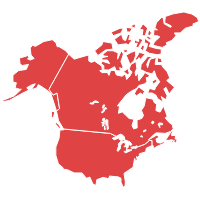
North America
|
Report Benchmarks |
Details |
|
Report Study Period |
2026-2032 |
|
Market Size in 2025 |
US$ 6,652.8 million |
|
Market Size in 2032 |
US$ 28,660.2 million |
|
Market CAGR |
23.2% |
|
By Product |
|
|
By Application |
|
|
By End Use |
|
|
By Region |
|
PBI Analysts observe that the global Automotive RADARs market is gaining increasing attention from analysts as it transitions from primarily academic research toward practical industrial applications. Analysts observe that the market’s growth is largely driven by advancements in communication technologies, particularly the integration of Automotive RADARs in high-performance antennas for 5G and upcoming 6G networks. Aerospace and defense remain at the forefront of adoption due to the material’s unique ability to manipulate electromagnetic waves, supporting stealth technologies and advanced radar systems.
At the same time, healthcare applications such as imaging and diagnostic devices are emerging as high-potential growth areas, supported by increasing R&D investments. Despite these opportunities, analysts highlight high manufacturing costs and scaling challenges as significant barriers to mass commercialization. However, trends such as the adoption of AI-driven design tools and the development of tunable Automotive RADARs are improving the commercialization outlook. Overall, the Automotive RADARs market is positioned for strong long-term growth with multi-industry potential.
Download Free Sample Report

Automotive RADAR Market size was valued at US$ 7.2 Billion in 2025 and is projected to reach US$ 25.8 Billion by 2032, growing at a CAGR of 19.9% from 2026-2032.
The market is driven by the rising demand for advanced antennas and communication systems supporting 5G and 6G networks.
A key trend in the market is the integration of AI and machine learning for accelerated design and optimization of Automotive RADAR structures.
Market research is segmented based on product, application, end use and region.
Middle East and Africa is emerging as emerging strongly due to its high research output, government funding, and rapid expansion of telecommunications and defense applications.
Content Updated Date: Feb 2026
| 1.Executive Summary |
| 2.Global Automotive RADAR Market Introduction |
| 2.1.Global Automotive RADAR Market - Taxonomy |
| 2.2.Global Automotive RADAR Market - Definitions |
| 2.2.1.Product |
| 2.2.2.Application |
| 2.2.3.End Use |
| 2.2.4.Region |
| 3.Global Automotive RADAR Market Dynamics |
| 3.1. Drivers |
| 3.2. Restraints |
| 3.3. Opportunities/Unmet Needs of the Market |
| 3.4. Trends |
| 3.5. Product Landscape |
| 3.6. New Product Launches |
| 3.7. Impact of COVID 19 on Market |
| 4.Global Automotive RADAR Market Analysis, 2021 - 2025 and Forecast 2026 - 2032 |
| 4.1. Market Analysis, 2021 - 2025 and Forecast, 2026 - 2032, (Sales Value USD Million) |
| 4.2. Year-Over-Year (Y-o-Y) Growth Analysis (%) |
| 4.3. Market Opportunity Analysis |
| 5.Global Automotive RADAR Market By Product, 2021 - 2025 and Forecast 2026 - 2032 (Sales Value USD Million) |
| 5.1. Electromagnetic |
| 5.1.1. Market Analysis, 2021 - 2025 and Forecast, 2026 - 2032, (Sales Value USD Million) |
| 5.1.2. Year-Over-Year (Y-o-Y) Growth Analysis (%) and Market Share Analysis (%) |
| 5.1.3. Market Opportunity Analysis |
| 5.2. Terahertz |
| 5.2.1. Market Analysis, 2021 - 2025 and Forecast, 2026 - 2032, (Sales Value USD Million) |
| 5.2.2. Year-Over-Year (Y-o-Y) Growth Analysis (%) and Market Share Analysis (%) |
| 5.2.3. Market Opportunity Analysis |
| 5.3. Photonic |
| 5.3.1. Market Analysis, 2021 - 2025 and Forecast, 2026 - 2032, (Sales Value USD Million) |
| 5.3.2. Year-Over-Year (Y-o-Y) Growth Analysis (%) and Market Share Analysis (%) |
| 5.3.3. Market Opportunity Analysis |
| 5.4. Tunable |
| 5.4.1. Market Analysis, 2021 - 2025 and Forecast, 2026 - 2032, (Sales Value USD Million) |
| 5.4.2. Year-Over-Year (Y-o-Y) Growth Analysis (%) and Market Share Analysis (%) |
| 5.4.3. Market Opportunity Analysis |
| 5.5. Frequency Selective Surface |
| 5.5.1. Market Analysis, 2021 - 2025 and Forecast, 2026 - 2032, (Sales Value USD Million) |
| 5.5.2. Year-Over-Year (Y-o-Y) Growth Analysis (%) and Market Share Analysis (%) |
| 5.5.3. Market Opportunity Analysis |
| 5.6. Non-linear |
| 5.6.1. Market Analysis, 2021 - 2025 and Forecast, 2026 - 2032, (Sales Value USD Million) |
| 5.6.2. Year-Over-Year (Y-o-Y) Growth Analysis (%) and Market Share Analysis (%) |
| 5.6.3. Market Opportunity Analysis |
| 6.Global Automotive RADAR Market By Application, 2021 - 2025 and Forecast 2026 - 2032 (Sales Value USD Million) |
| 6.1. Antenna |
| 6.1.1. Market Analysis, 2021 - 2025 and Forecast, 2026 - 2032, (Sales Value USD Million) |
| 6.1.2. Year-Over-Year (Y-o-Y) Growth Analysis (%) and Market Share Analysis (%) |
| 6.1.3. Market Opportunity Analysis |
| 6.2. Absorber |
| 6.2.1. Market Analysis, 2021 - 2025 and Forecast, 2026 - 2032, (Sales Value USD Million) |
| 6.2.2. Year-Over-Year (Y-o-Y) Growth Analysis (%) and Market Share Analysis (%) |
| 6.2.3. Market Opportunity Analysis |
| 6.3. Superlens |
| 6.3.1. Market Analysis, 2021 - 2025 and Forecast, 2026 - 2032, (Sales Value USD Million) |
| 6.3.2. Year-Over-Year (Y-o-Y) Growth Analysis (%) and Market Share Analysis (%) |
| 6.3.3. Market Opportunity Analysis |
| 6.4. Cloaking Devices |
| 6.4.1. Market Analysis, 2021 - 2025 and Forecast, 2026 - 2032, (Sales Value USD Million) |
| 6.4.2. Year-Over-Year (Y-o-Y) Growth Analysis (%) and Market Share Analysis (%) |
| 6.4.3. Market Opportunity Analysis |
| 6.5. Others |
| 6.5.1. Market Analysis, 2021 - 2025 and Forecast, 2026 - 2032, (Sales Value USD Million) |
| 6.5.2. Year-Over-Year (Y-o-Y) Growth Analysis (%) and Market Share Analysis (%) |
| 6.5.3. Market Opportunity Analysis |
| 7.Global Automotive RADAR Market By End Use, 2021 - 2025 and Forecast 2026 - 2032 (Sales Value USD Million) |
| 7.1. Aerospace & Defense |
| 7.1.1. Market Analysis, 2021 - 2025 and Forecast, 2026 - 2032, (Sales Value USD Million) |
| 7.1.2. Year-Over-Year (Y-o-Y) Growth Analysis (%) and Market Share Analysis (%) |
| 7.1.3. Market Opportunity Analysis |
| 7.2. Medical |
| 7.2.1. Market Analysis, 2021 - 2025 and Forecast, 2026 - 2032, (Sales Value USD Million) |
| 7.2.2. Year-Over-Year (Y-o-Y) Growth Analysis (%) and Market Share Analysis (%) |
| 7.2.3. Market Opportunity Analysis |
| 7.3. Automotive |
| 7.3.1. Market Analysis, 2021 - 2025 and Forecast, 2026 - 2032, (Sales Value USD Million) |
| 7.3.2. Year-Over-Year (Y-o-Y) Growth Analysis (%) and Market Share Analysis (%) |
| 7.3.3. Market Opportunity Analysis |
| 7.4. Consumer Electronics |
| 7.4.1. Market Analysis, 2021 - 2025 and Forecast, 2026 - 2032, (Sales Value USD Million) |
| 7.4.2. Year-Over-Year (Y-o-Y) Growth Analysis (%) and Market Share Analysis (%) |
| 7.4.3. Market Opportunity Analysis |
| 7.5. Energy & Power |
| 7.5.1. Market Analysis, 2021 - 2025 and Forecast, 2026 - 2032, (Sales Value USD Million) |
| 7.5.2. Year-Over-Year (Y-o-Y) Growth Analysis (%) and Market Share Analysis (%) |
| 7.5.3. Market Opportunity Analysis |
| 8.Global Automotive RADAR Market By Region, 2021 - 2025 and Forecast 2026 - 2032 (Sales Value USD Million) |
| 8.1. North America |
| 8.1.1. Market Analysis, 2021 - 2025 and Forecast, 2026 - 2032, (Sales Value USD Million) |
| 8.1.2. Year-Over-Year (Y-o-Y) Growth Analysis (%) and Market Share Analysis (%) |
| 8.1.3. Market Opportunity Analysis |
| 8.2. Europe |
| 8.2.1. Market Analysis, 2021 - 2025 and Forecast, 2026 - 2032, (Sales Value USD Million) |
| 8.2.2. Year-Over-Year (Y-o-Y) Growth Analysis (%) and Market Share Analysis (%) |
| 8.2.3. Market Opportunity Analysis |
| 8.3. Asia Pacific (APAC) |
| 8.3.1. Market Analysis, 2021 - 2025 and Forecast, 2026 - 2032, (Sales Value USD Million) |
| 8.3.2. Year-Over-Year (Y-o-Y) Growth Analysis (%) and Market Share Analysis (%) |
| 8.3.3. Market Opportunity Analysis |
| 8.4. Middle East and Africa (MEA) |
| 8.4.1. Market Analysis, 2021 - 2025 and Forecast, 2026 - 2032, (Sales Value USD Million) |
| 8.4.2. Year-Over-Year (Y-o-Y) Growth Analysis (%) and Market Share Analysis (%) |
| 8.4.3. Market Opportunity Analysis |
| 8.5. Latin America |
| 8.5.1. Market Analysis, 2021 - 2025 and Forecast, 2026 - 2032, (Sales Value USD Million) |
| 8.5.2. Year-Over-Year (Y-o-Y) Growth Analysis (%) and Market Share Analysis (%) |
| 8.5.3. Market Opportunity Analysis |
| 9.North America Automotive RADAR Market ,2021 - 2025 and Forecast 2026 - 2032 (Sales Value USD Million) |
| 9.1. Product Analysis 2021 - 2025 and Forecast 2026 - 2032 by Sales Value USD Million, Y-o-Y Growth (%), and Market Share (%) |
| 9.1.1.Electromagnetic |
| 9.1.2.Terahertz |
| 9.1.3.Photonic |
| 9.1.4.Tunable |
| 9.1.5.Frequency Selective Surface |
| 9.1.6.Non-linear |
| 9.2. Application Analysis 2021 - 2025 and Forecast 2026 - 2032 by Sales Value USD Million, Y-o-Y Growth (%), and Market Share (%) |
| 9.2.1.Antenna |
| 9.2.2.Absorber |
| 9.2.3.Superlens |
| 9.2.4.Cloaking Devices |
| 9.2.5.Others |
| 9.3. End Use Analysis 2021 - 2025 and Forecast 2026 - 2032 by Sales Value USD Million, Y-o-Y Growth (%), and Market Share (%) |
| 9.3.1.Aerospace & Defense |
| 9.3.2.Medical |
| 9.3.3.Automotive |
| 9.3.4.Consumer Electronics |
| 9.3.5.Energy & Power |
| 9.4. Country Analysis 2021 - 2025 and Forecast 2026 - 2032 by Sales Value USD Million, Y-o-Y Growth (%), and Market Share (%) |
| 9.4.1.United States of America (USA) |
| 9.4.2.Canada |
| 10.Europe Automotive RADAR Market ,2021 - 2025 and Forecast 2026 - 2032 (Sales Value USD Million) |
| 10.1. Product Analysis and Forecast by Sales Value USD Million, Y-o-Y Growth (%), and Market Share (%) |
| 10.1.1.Electromagnetic |
| 10.1.2.Terahertz |
| 10.1.3.Photonic |
| 10.1.4.Tunable |
| 10.1.5.Frequency Selective Surface |
| 10.1.6.Non-linear |
| 10.2. Application Analysis 2021 - 2025 and Forecast 2026 - 2032 by Sales Value USD Million, Y-o-Y Growth (%), and Market Share (%) |
| 10.2.1.Antenna |
| 10.2.2.Absorber |
| 10.2.3.Superlens |
| 10.2.4.Cloaking Devices |
| 10.2.5.Others |
| 10.3. End Use Analysis 2021 - 2025 and Forecast 2026 - 2032 by Sales Value USD Million, Y-o-Y Growth (%), and Market Share (%) |
| 10.3.1.Aerospace & Defense |
| 10.3.2.Medical |
| 10.3.3.Automotive |
| 10.3.4.Consumer Electronics |
| 10.3.5.Energy & Power |
| 10.4. Country Analysis 2021 - 2025 and Forecast 2026 - 2032 by Sales Value USD Million, Y-o-Y Growth (%), and Market Share (%) |
| 10.4.1.Germany |
| 10.4.2.France |
| 10.4.3.Italy |
| 10.4.4.United Kingdom (UK) |
| 10.4.5.Spain |
| 11.Asia Pacific (APAC) Automotive RADAR Market ,2021 - 2025 and Forecast 2026 - 2032 (Sales Value USD Million) |
| 11.1. Product Analysis and Forecast by Sales Value USD Million, Y-o-Y Growth (%), and Market Share (%) |
| 11.1.1.Electromagnetic |
| 11.1.2.Terahertz |
| 11.1.3.Photonic |
| 11.1.4.Tunable |
| 11.1.5.Frequency Selective Surface |
| 11.1.6.Non-linear |
| 11.2. Application Analysis 2021 - 2025 and Forecast 2026 - 2032 by Sales Value USD Million, Y-o-Y Growth (%), and Market Share (%) |
| 11.2.1.Antenna |
| 11.2.2.Absorber |
| 11.2.3.Superlens |
| 11.2.4.Cloaking Devices |
| 11.2.5.Others |
| 11.3. End Use Analysis 2021 - 2025 and Forecast 2026 - 2032 by Sales Value USD Million, Y-o-Y Growth (%), and Market Share (%) |
| 11.3.1.Aerospace & Defense |
| 11.3.2.Medical |
| 11.3.3.Automotive |
| 11.3.4.Consumer Electronics |
| 11.3.5.Energy & Power |
| 11.4. Country Analysis 2021 - 2025 and Forecast 2026 - 2032 by Sales Value USD Million, Y-o-Y Growth (%), and Market Share (%) |
| 11.4.1.China |
| 11.4.2.India |
| 11.4.3.Australia and New Zealand (ANZ) |
| 11.4.4.Japan |
| 11.4.5.Rest of APAC |
| 12.Middle East and Africa (MEA) Automotive RADAR Market ,2021 - 2025 and Forecast 2026 - 2032 (Sales Value USD Million) |
| 12.1. Product Analysis and Forecast by Sales Value USD Million, Y-o-Y Growth (%), and Market Share (%) |
| 12.1.1.Electromagnetic |
| 12.1.2.Terahertz |
| 12.1.3.Photonic |
| 12.1.4.Tunable |
| 12.1.5.Frequency Selective Surface |
| 12.1.6.Non-linear |
| 12.2. Application Analysis 2021 - 2025 and Forecast 2026 - 2032 by Sales Value USD Million, Y-o-Y Growth (%), and Market Share (%) |
| 12.2.1.Antenna |
| 12.2.2.Absorber |
| 12.2.3.Superlens |
| 12.2.4.Cloaking Devices |
| 12.2.5.Others |
| 12.3. End Use Analysis 2021 - 2025 and Forecast 2026 - 2032 by Sales Value USD Million, Y-o-Y Growth (%), and Market Share (%) |
| 12.3.1.Aerospace & Defense |
| 12.3.2.Medical |
| 12.3.3.Automotive |
| 12.3.4.Consumer Electronics |
| 12.3.5.Energy & Power |
| 12.4. Country Analysis 2021 - 2025 and Forecast 2026 - 2032 by Sales Value USD Million, Y-o-Y Growth (%), and Market Share (%) |
| 12.4.1.GCC Countries |
| 12.4.2.South Africa |
| 12.4.3.Rest of MEA |
| 13.Latin America Automotive RADAR Market ,2021 - 2025 and Forecast 2026 - 2032 (Sales Value USD Million) |
| 13.1. Product Analysis and Forecast by Sales Value USD Million, Y-o-Y Growth (%), and Market Share (%) |
| 13.1.1.Electromagnetic |
| 13.1.2.Terahertz |
| 13.1.3.Photonic |
| 13.1.4.Tunable |
| 13.1.5.Frequency Selective Surface |
| 13.1.6.Non-linear |
| 13.2. Application Analysis 2021 - 2025 and Forecast 2026 - 2032 by Sales Value USD Million, Y-o-Y Growth (%), and Market Share (%) |
| 13.2.1.Antenna |
| 13.2.2.Absorber |
| 13.2.3.Superlens |
| 13.2.4.Cloaking Devices |
| 13.2.5.Others |
| 13.3. End Use Analysis 2021 - 2025 and Forecast 2026 - 2032 by Sales Value USD Million, Y-o-Y Growth (%), and Market Share (%) |
| 13.3.1.Aerospace & Defense |
| 13.3.2.Medical |
| 13.3.3.Automotive |
| 13.3.4.Consumer Electronics |
| 13.3.5.Energy & Power |
| 13.4. Country Analysis 2021 - 2025 and Forecast 2026 - 2032 by Sales Value USD Million, Y-o-Y Growth (%), and Market Share (%) |
| 13.4.1.Brazil |
| 13.4.2.Mexico |
| 13.4.3.Rest of LA |
| 14. Competition Landscape |
| 14.1. Market Player Profiles (Introduction, Brand/Product Sales, Financial Analysis, Product Offerings, Key Developments, Collaborations, M & A, Strategies, and SWOT Analysis) |
| 14.2.1.Robert Bosch GmbH |
| 14.2.2.Continental AG |
| 14.2.3.Denso Corporation |
| 14.2.4.NXP Semiconductors |
| 14.2.5.ZF Friedrichshafen AG |
| 14.2.6.Infineon Technologies AG |
| 14.2.7.Valeo SA |
| 14.2.8.Aptiv |
| 14.2.9.Autoliv Inc. |
| 14.2.10.Delphi Technologies |
| 15. Research Methodology |
| 16. Appendix and Abbreviations |
Key Market Players

 Download Sample