Couplings Market: By Product, By Application, By End User and Region Forecast 2021-2032
Couplings Market: By Product, By Application, By End User and Region Forecast 2021-2032
Report ID:220121
Published Date:Feb 2026
No of Pages:210
Format:

Couplings Market size was valued at US$ 2,850.2 million in 2025 and is expected to reach US$ 4,285.6 million by 2032, growing at a significant CAGR of 6.0% from 2026-2032. Moreover, the U.S. Couplings Market is projected to grow at a CAGR of 5.9% by 2032. The market refers to the global industry involved in the design, manufacturing, and distribution of mechanical couplings used to connect two shafts or rotating components for power transmission. These components help accommodate misalignment, reduce vibration, and transmit torque efficiently across a wide range of applications, including industrial machinery, automotive systems, power generation, oil & gas, and manufacturing equipment.
The global market is experiencing steady growth, driven by increasing industrial automation, expansion of manufacturing activities, and rising demand for efficient power transmission systems. Growth in sectors such as energy, automotive, and heavy industries, along with advancements in flexible and smart coupling technologies, is further supporting market expansion. Additionally, ongoing infrastructure development and equipment modernization across emerging economies are contributing to sustained market demand.
Based on the type:
Among the different types, flexible couplings are anticipated to lead the market, driven primarily by their superior ability to accommodate misalignment and reduce vibration in rotating machinery. Unlike rigid couplings, flexible variants can handle angular, axial, and parallel misalignments without transmitting excessive stress to connected components, thereby improving equipment reliability and service life. This capability is particularly critical in industrial environments where high-speed operations, variable loads, and continuous duty cycles are common. The increasing adoption of automated production lines, pumps, compressors, and electric motors has reinforced demand for flexible couplings, as industries prioritize reduced downtime, lower maintenance requirements, and enhanced operational efficiency across diverse applications.
Based on the application:
Among the application segments, power transmission is anticipated to be the leading segment in the market, primarily driven by the widespread use of rotating machinery across industrial sectors. Couplings are essential components in power transmission systems, as they enable efficient torque transfer between motors, gearboxes, pumps, and compressors while ensuring operational stability. The continuous expansion of manufacturing, energy generation, oil & gas, and water infrastructure has significantly increased the installation base of such equipment. As industries focus on improving efficiency and minimizing energy losses, reliable power transmission solutions have become critical. This has strengthened demand for couplings specifically designed to support continuous operation, high load capacity, and reduced mechanical stress in power-driven systems.
Based on the end user:
Among the end-use segments, the oil & gas sector is anticipated to lead the market, driven by its heavy reliance on high-capacity rotating equipment and continuous operations. Exploration, production, refining, and pipeline transportation activities extensively use pumps, compressors, turbines, and drilling systems, all of which require robust couplings for reliable power transmission. Operating environments in this sector often involve high torque, extreme temperatures, and corrosive conditions, increasing the need for durable and high-performance coupling solutions. Additionally, ongoing upgrades of existing facilities and the development of new energy infrastructure are reinforcing demand. The sector’s strong emphasis on operational safety, equipment reliability, and minimized downtime continues to position oil & gas as the dominant end-user of couplings globally.
Study Period
2026-2032Base Year
2025CAGR
6.0%Largest Market
Asia-PacificFastest Growing Market
Middle East and Africa
One of the key drivers of the market is the rapid growth of industrial automation across manufacturing and process industries. As industries increasingly adopt automated machinery to improve productivity, precision, and operational efficiency, the demand for reliable power transmission components has risen significantly. Couplings play a critical role in connecting motors, pumps, compressors, and gearboxes, ensuring smooth torque transmission while minimizing vibration and misalignment. The expansion of sectors such as automotive manufacturing, metal processing, food & beverages, and power generation has further accelerated this demand. Additionally, rising investments in industrial infrastructure across emerging economies are boosting the installation of new machinery, directly increasing the need for high-performance couplings. The shift toward energy-efficient and low-maintenance equipment has also driven manufacturers to adopt advanced coupling solutions that enhance equipment lifespan, reduce downtime, and lower overall operational costs, thereby supporting sustained market growth.
A major restraint affecting the market is the high cost associated with advanced and customized coupling solutions. While standard couplings are relatively affordable, industries increasingly require specialized couplings capable of operating under extreme conditions such as high temperatures, heavy loads, corrosive environments, or high-speed operations. These advanced couplings often involve complex designs, premium materials, and precision engineering, which significantly increase their cost. Small and medium-sized enterprises, particularly in price-sensitive markets, may hesitate to invest in such solutions and instead opt for lower-cost alternatives, even at the expense of performance and durability. Additionally, fluctuations in raw material prices, especially metals and alloys, can increase production costs and impact profit margins for manufacturers. Maintenance challenges and improper installation practices also contribute to performance issues, limiting the broader adoption of high-end coupling technologies.
The growing focus on renewable energy and sustainable industrial practices presents a significant opportunity for the market. The expansion of wind energy, solar power plants, and hydroelectric facilities requires robust and efficient power transmission systems, where couplings play a vital role. Wind turbines, in particular, rely on high-performance couplings to manage variable loads, torque fluctuations, and misalignment between components. As governments worldwide invest in clean energy infrastructure and enforce stricter emissions regulations, demand for reliable mechanical components is expected to rise. Furthermore, modernization of aging industrial equipment offers opportunities for coupling manufacturers to provide retrofit and upgrade solutions. The increasing adoption of smart factories and Industry 4.0 initiatives also opens new avenues for intelligent couplings integrated with condition monitoring and predictive maintenance capabilities, enabling suppliers to differentiate their offerings and expand their market presence.
A prominent trend shaping the market is the growing adoption of flexible and smart couplings designed to enhance system reliability and reduce maintenance requirements. Flexible couplings that absorb shock loads, dampen vibration, and compensate for angular and axial misalignment are increasingly preferred across industries operating high-speed and precision equipment. In parallel, technological advancements are enabling the development of smart couplings equipped with sensors that monitor torque, temperature, and vibration in real time. These innovations support predictive maintenance strategies by identifying potential failures before they occur, helping industries minimize downtime and maintenance costs. Lightweight materials and compact designs are also gaining traction, particularly in automotive and aerospace applications where efficiency and space optimization are critical. This shift toward technologically advanced, performance-oriented coupling solutions reflects the broader trend of digitalization and efficiency-driven industrial transformation.
Largest Share of the Region: The Asia-Pacific is anticipated to remain the largest regional market for couplings, supported by its broad industrial base and the sheer concentration of equipment-intensive sectors such as general manufacturing, automotive production, mining, cement, steel, and water infrastructure. A high installed base of rotating machinery across factories and utilities continues to sustain replacement demand, while ongoing capacity additions keep new installations active. Key growth drivers include accelerated industrial automation, rapid expansion of process industries, and continuous investment in infrastructure and energy systems that rely on pumps, compressors, conveyors, and turbines all of which require dependable shaft connections. A major regional trend is the steady shift from basic rigid designs toward flexible couplings that can better handle misalignment, vibration, and variable loads, alongside stronger preference for low-maintenance solutions that reduce downtime in high-throughput plants.
Fastest Growing/ Emerging Region: The Middle East is emerging as one of the most attractive high-growth regions, driven by large-scale industrial diversification programs, continued investment in oil & gas and petrochemicals, and rising spending on power generation, water desalination, and pipeline networks. These projects deploy heavy-duty rotating assets where couplings are mission-critical for reliability and safety, creating strong demand for high-performance and application-specific products. Growth is further supported by modernization of legacy facilities, where operators prioritize upgrades that improve efficiency and extend equipment life. Key trends in the region include increased adoption of advanced coupling types engineered for harsh environments (heat, dust, corrosion), and a growing preference for condition-based maintenance encouraging uptake of coupling solutions designed for easier inspection, quicker replacement, and improved vibration control.
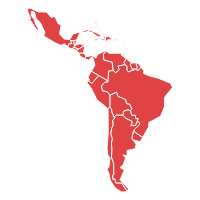
Latin America
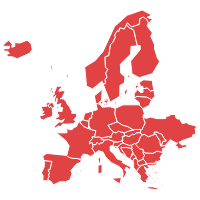
Europe
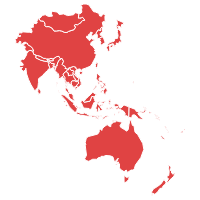
Asia Pacific
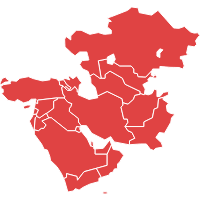
Middle East
North America
|
Report Benchmarks |
Details |
|
Report Study Period |
2026-2032 |
|
Market Size in 2025 |
US$ 2,850.2 million |
|
Market Size in 2032 |
US$ 4,285.6 million |
|
Market CAGR |
6.0% |
|
By Type |
|
|
By Application |
|
|
By End User |
|
|
By Region |
|
PBI Analysts anticipate that the market is witnessing steady growth, supported by rising industrialization, expanding automation, and increasing use of rotating machinery across key industries. Couplings play a vital role in power transmission by connecting shafts, reducing vibration, and accommodating misalignment, thereby improving equipment efficiency and reliability. Demand is particularly strong from oil & gas, power generation, and general manufacturing sectors, where continuous operations require durable and low-maintenance solutions. Technological advancements, including flexible and high-performance coupling designs, are further enhancing market adoption. Additionally, infrastructure development and equipment modernization in emerging economies continue to create sustained demand, positioning the market for stable long-term growth.
Download Free Sample Report

The couplings market size was valued at US$ 2,850.2 million in 2025 and is projected to grow at a significant CAGR of 6.0% from 2026-2032.
A coupling is a mechanical component used to connect two rotating shafts to transmit power efficiently. It is important because it helps accommodate misalignment, reduce vibration, and protect connected equipment from excessive stress and premature failure
Industries such as oil & gas, power generation, automotive, mining, and general manufacturing are major drivers of coupling demand due to their extensive use of motors, pumps, compressors, and other rotating machinery.
Key trends include the growing adoption of flexible couplings, increased focus on low-maintenance and high-performance designs, and rising demand for solutions that improve equipment reliability and operational efficiency.
Content Updated Date: Feb 2026
| 1.Executive Summary |
| 2.Global Couplings Market Introduction |
| 2.1.Global Couplings Market - Taxonomy |
| 2.2.Global Couplings Market - Definitions |
| 2.2.1.Type |
| 2.2.2.Application |
| 2.2.3.End User |
| 2.2.4.Region |
| 3.Global Couplings Market Dynamics |
| 3.1. Drivers |
| 3.2. Restraints |
| 3.3. Opportunities/Unmet Needs of the Market |
| 3.4. Trends |
| 3.5. Product Landscape |
| 3.6. New Product Launches |
| 3.7. Impact of COVID 19 on Market |
| 4.Global Couplings Market Analysis, 2021 - 2025 and Forecast 2026- 2032 |
| 4.1. Market Analysis, 2021 - 2025 and Forecast, 2026- 2032, (Sales Value USD Million) |
| 4.2. Year-Over-Year (Y-o-Y) Growth Analysis (%) |
| 4.3. Market Opportunity Analysis |
| 5.Global Couplings Market By Type , 2021 - 2025 and Forecast 2026- 2032 (Sales Value USD Million) |
| 5.1. Rigid Couplings |
| 5.1.1. Market Analysis, 2021 - 2025 and Forecast, 2026- 2032, (Sales Value USD Million) |
| 5.1.2. Year-Over-Year (Y-o-Y) Growth Analysis (%) and Market Share Analysis (%) |
| 5.1.3. Market Opportunity Analysis |
| 5.2. Flexible Couplings |
| 5.2.1. Market Analysis, 2021 - 2025 and Forecast, 2026- 2032, (Sales Value USD Million) |
| 5.2.2. Year-Over-Year (Y-o-Y) Growth Analysis (%) and Market Share Analysis (%) |
| 5.2.3. Market Opportunity Analysis |
| 5.3. Fluid Couplings |
| 5.3.1. Market Analysis, 2021 - 2025 and Forecast, 2026- 2032, (Sales Value USD Million) |
| 5.3.2. Year-Over-Year (Y-o-Y) Growth Analysis (%) and Market Share Analysis (%) |
| 5.3.3. Market Opportunity Analysis |
| 5.4. Others |
| 5.4.1. Market Analysis, 2021 - 2025 and Forecast, 2026- 2032, (Sales Value USD Million) |
| 5.4.2. Year-Over-Year (Y-o-Y) Growth Analysis (%) and Market Share Analysis (%) |
| 5.4.3. Market Opportunity Analysis |
| 6.Global Couplings Market By Application, 2021 - 2025 and Forecast 2026- 2032 (Sales Value USD Million) |
| 6.1. Power Transmission |
| 6.1.1. Market Analysis, 2021 - 2025 and Forecast, 2026- 2032, (Sales Value USD Million) |
| 6.1.2. Year-Over-Year (Y-o-Y) Growth Analysis (%) and Market Share Analysis (%) |
| 6.1.3. Market Opportunity Analysis |
| 6.2. Motion Control |
| 6.2.1. Market Analysis, 2021 - 2025 and Forecast, 2026- 2032, (Sales Value USD Million) |
| 6.2.2. Year-Over-Year (Y-o-Y) Growth Analysis (%) and Market Share Analysis (%) |
| 6.2.3. Market Opportunity Analysis |
| 6.3. Vibration & Shock Absorption |
| 6.3.1. Market Analysis, 2021 - 2025 and Forecast, 2026- 2032, (Sales Value USD Million) |
| 6.3.2. Year-Over-Year (Y-o-Y) Growth Analysis (%) and Market Share Analysis (%) |
| 6.3.3. Market Opportunity Analysis |
| 6.4. Misalignment Compensation |
| 6.4.1. Market Analysis, 2021 - 2025 and Forecast, 2026- 2032, (Sales Value USD Million) |
| 6.4.2. Year-Over-Year (Y-o-Y) Growth Analysis (%) and Market Share Analysis (%) |
| 6.4.3. Market Opportunity Analysis |
| 6.5. Others |
| 6.5.1. Market Analysis, 2021 - 2025 and Forecast, 2026- 2032, (Sales Value USD Million) |
| 6.5.2. Year-Over-Year (Y-o-Y) Growth Analysis (%) and Market Share Analysis (%) |
| 6.5.3. Market Opportunity Analysis |
| 7.Global Couplings Market By End User, 2021 - 2025 and Forecast 2026- 2032 (Sales Value USD Million) |
| 7.1. Oil & Gas |
| 7.1.1. Market Analysis, 2021 - 2025 and Forecast, 2026- 2032, (Sales Value USD Million) |
| 7.1.2. Year-Over-Year (Y-o-Y) Growth Analysis (%) and Market Share Analysis (%) |
| 7.1.3. Market Opportunity Analysis |
| 7.2. Power Generation |
| 7.2.1. Market Analysis, 2021 - 2025 and Forecast, 2026- 2032, (Sales Value USD Million) |
| 7.2.2. Year-Over-Year (Y-o-Y) Growth Analysis (%) and Market Share Analysis (%) |
| 7.2.3. Market Opportunity Analysis |
| 7.3. Automotive |
| 7.3.1. Market Analysis, 2021 - 2025 and Forecast, 2026- 2032, (Sales Value USD Million) |
| 7.3.2. Year-Over-Year (Y-o-Y) Growth Analysis (%) and Market Share Analysis (%) |
| 7.3.3. Market Opportunity Analysis |
| 7.4. Mining |
| 7.4.1. Market Analysis, 2021 - 2025 and Forecast, 2026- 2032, (Sales Value USD Million) |
| 7.4.2. Year-Over-Year (Y-o-Y) Growth Analysis (%) and Market Share Analysis (%) |
| 7.4.3. Market Opportunity Analysis |
| 7.5. Metals & Cement |
| 7.5.1. Market Analysis, 2021 - 2025 and Forecast, 2026- 2032, (Sales Value USD Million) |
| 7.5.2. Year-Over-Year (Y-o-Y) Growth Analysis (%) and Market Share Analysis (%) |
| 7.5.3. Market Opportunity Analysis |
| 7.6. Water & Wastewater |
| 7.6.1. Market Analysis, 2021 - 2025 and Forecast, 2026- 2032, (Sales Value USD Million) |
| 7.6.2. Year-Over-Year (Y-o-Y) Growth Analysis (%) and Market Share Analysis (%) |
| 7.6.3. Market Opportunity Analysis |
| 7.7. Chemicals & Petrochemicals |
| 7.7.1. Market Analysis, 2021 - 2025 and Forecast, 2026- 2032, (Sales Value USD Million) |
| 7.7.2. Year-Over-Year (Y-o-Y) Growth Analysis (%) and Market Share Analysis (%) |
| 7.7.3. Market Opportunity Analysis |
| 7.8. Food & Beverages |
| 7.8.1. Market Analysis, 2021 - 2025 and Forecast, 2026- 2032, (Sales Value USD Million) |
| 7.8.2. Year-Over-Year (Y-o-Y) Growth Analysis (%) and Market Share Analysis (%) |
| 7.8.3. Market Opportunity Analysis |
| 7.9. General Manufacturing |
| 7.9.1. Market Analysis, 2021 - 2025 and Forecast, 2026- 2032, (Sales Value USD Million) |
| 7.9.2. Year-Over-Year (Y-o-Y) Growth Analysis (%) and Market Share Analysis (%) |
| 7.9.3. Market Opportunity Analysis |
| 7.10. Others |
| 7.10.1. Market Analysis, 2021 - 2025 and Forecast, 2026- 2032, (Sales Value USD Million) |
| 7.10.2. Year-Over-Year (Y-o-Y) Growth Analysis (%) and Market Share Analysis (%) |
| 7.10.3. Market Opportunity Analysis |
| 8.Global Couplings Market By Region, 2021 - 2025 and Forecast 2026- 2032 (Sales Value USD Million) |
| 8.1. North America |
| 8.1.1. Market Analysis, 2021 - 2025 and Forecast, 2026- 2032, (Sales Value USD Million) |
| 8.1.2. Year-Over-Year (Y-o-Y) Growth Analysis (%) and Market Share Analysis (%) |
| 8.1.3. Market Opportunity Analysis |
| 8.2. Europe |
| 8.2.1. Market Analysis, 2021 - 2025 and Forecast, 2026- 2032, (Sales Value USD Million) |
| 8.2.2. Year-Over-Year (Y-o-Y) Growth Analysis (%) and Market Share Analysis (%) |
| 8.2.3. Market Opportunity Analysis |
| 8.3. Asia Pacific (APAC) |
| 8.3.1. Market Analysis, 2021 - 2025 and Forecast, 2026- 2032, (Sales Value USD Million) |
| 8.3.2. Year-Over-Year (Y-o-Y) Growth Analysis (%) and Market Share Analysis (%) |
| 8.3.3. Market Opportunity Analysis |
| 8.4. Middle East and Africa (MEA) |
| 8.4.1. Market Analysis, 2021 - 2025 and Forecast, 2026- 2032, (Sales Value USD Million) |
| 8.4.2. Year-Over-Year (Y-o-Y) Growth Analysis (%) and Market Share Analysis (%) |
| 8.4.3. Market Opportunity Analysis |
| 8.5. Latin America |
| 8.5.1. Market Analysis, 2021 - 2025 and Forecast, 2026- 2032, (Sales Value USD Million) |
| 8.5.2. Year-Over-Year (Y-o-Y) Growth Analysis (%) and Market Share Analysis (%) |
| 8.5.3. Market Opportunity Analysis |
| 9.North America Couplings Market ,2021 - 2025 and Forecast 2026- 2032 (Sales Value USD Million) |
| 9.1. Type Analysis 2021 - 2025 and Forecast 2026- 2032 by Sales Value USD Million, Y-o-Y Growth (%), and Market Share (%) |
| 9.1.1.Rigid Couplings |
| 9.1.2.Flexible Couplings |
| 9.1.3.Fluid Couplings |
| 9.1.4.Others |
| 9.2. Application Analysis 2021 - 2025 and Forecast 2026- 2032 by Sales Value USD Million, Y-o-Y Growth (%), and Market Share (%) |
| 9.2.1.Power Transmission |
| 9.2.2.Motion Control |
| 9.2.3.Vibration & Shock Absorption |
| 9.2.4.Misalignment Compensation |
| 9.2.5.Others |
| 9.3. End User Analysis 2021 - 2025 and Forecast 2026- 2032 by Sales Value USD Million, Y-o-Y Growth (%), and Market Share (%) |
| 9.3.1.Oil & Gas |
| 9.3.2.Power Generation |
| 9.3.3.Automotive |
| 9.3.4.Mining |
| 9.3.5.Metals & Cement |
| 9.3.6.Water & Wastewater |
| 9.3.7.Chemicals & Petrochemicals |
| 9.3.8.Food & Beverages |
| 9.3.9.General Manufacturing |
| 9.3.10.Others |
| 9.4. Country Analysis 2021 - 2025 and Forecast 2026- 2032 by Sales Value USD Million, Y-o-Y Growth (%), and Market Share (%) |
| 9.4.1.United States of America (USA) |
| 9.4.2.Canada |
| 10.Europe Couplings Market ,2021 - 2025 and Forecast 2026- 2032 (Sales Value USD Million) |
| 10.1. Type Analysis and Forecast by Sales Value USD Million, Y-o-Y Growth (%), and Market Share (%) |
| 10.1.1.Rigid Couplings |
| 10.1.2.Flexible Couplings |
| 10.1.3.Fluid Couplings |
| 10.1.4.Others |
| 10.2. Application Analysis 2021 - 2025 and Forecast 2026- 2032 by Sales Value USD Million, Y-o-Y Growth (%), and Market Share (%) |
| 10.2.1.Power Transmission |
| 10.2.2.Motion Control |
| 10.2.3.Vibration & Shock Absorption |
| 10.2.4.Misalignment Compensation |
| 10.2.5.Others |
| 10.3. End User Analysis 2021 - 2025 and Forecast 2026- 2032 by Sales Value USD Million, Y-o-Y Growth (%), and Market Share (%) |
| 10.3.1.Oil & Gas |
| 10.3.2.Power Generation |
| 10.3.3.Automotive |
| 10.3.4.Mining |
| 10.3.5.Metals & Cement |
| 10.3.6.Water & Wastewater |
| 10.3.7.Chemicals & Petrochemicals |
| 10.3.8.Food & Beverages |
| 10.3.9.General Manufacturing |
| 10.3.10.Others |
| 10.4. Country Analysis 2021 - 2025 and Forecast 2026- 2032 by Sales Value USD Million, Y-o-Y Growth (%), and Market Share (%) |
| 10.4.1.Germany |
| 10.4.2.France |
| 10.4.3.Italy |
| 10.4.4.United Kingdom (UK) |
| 10.4.5.Spain |
| 11.Asia Pacific (APAC) Couplings Market ,2021 - 2025 and Forecast 2026- 2032 (Sales Value USD Million) |
| 11.1. Type Analysis and Forecast by Sales Value USD Million, Y-o-Y Growth (%), and Market Share (%) |
| 11.1.1.Rigid Couplings |
| 11.1.2.Flexible Couplings |
| 11.1.3.Fluid Couplings |
| 11.1.4.Others |
| 11.2. Application Analysis 2021 - 2025 and Forecast 2026- 2032 by Sales Value USD Million, Y-o-Y Growth (%), and Market Share (%) |
| 11.2.1.Power Transmission |
| 11.2.2.Motion Control |
| 11.2.3.Vibration & Shock Absorption |
| 11.2.4.Misalignment Compensation |
| 11.2.5.Others |
| 11.3. End User Analysis 2021 - 2025 and Forecast 2026- 2032 by Sales Value USD Million, Y-o-Y Growth (%), and Market Share (%) |
| 11.3.1.Oil & Gas |
| 11.3.2.Power Generation |
| 11.3.3.Automotive |
| 11.3.4.Mining |
| 11.3.5.Metals & Cement |
| 11.3.6.Water & Wastewater |
| 11.3.7.Chemicals & Petrochemicals |
| 11.3.8.Food & Beverages |
| 11.3.9.General Manufacturing |
| 11.3.10.Others |
| 11.4. Country Analysis 2021 - 2025 and Forecast 2026- 2032 by Sales Value USD Million, Y-o-Y Growth (%), and Market Share (%) |
| 11.4.1.China |
| 11.4.2.India |
| 11.4.3.Australia and New Zealand (ANZ) |
| 11.4.4.Japan |
| 11.4.5.Rest of APAC |
| 12.Middle East and Africa (MEA) Couplings Market ,2021 - 2025 and Forecast 2026- 2032 (Sales Value USD Million) |
| 12.1. Type Analysis and Forecast by Sales Value USD Million, Y-o-Y Growth (%), and Market Share (%) |
| 12.1.1.Rigid Couplings |
| 12.1.2.Flexible Couplings |
| 12.1.3.Fluid Couplings |
| 12.1.4.Others |
| 12.2. Application Analysis 2021 - 2025 and Forecast 2026- 2032 by Sales Value USD Million, Y-o-Y Growth (%), and Market Share (%) |
| 12.2.1.Power Transmission |
| 12.2.2.Motion Control |
| 12.2.3.Vibration & Shock Absorption |
| 12.2.4.Misalignment Compensation |
| 12.2.5.Others |
| 12.3. End User Analysis 2021 - 2025 and Forecast 2026- 2032 by Sales Value USD Million, Y-o-Y Growth (%), and Market Share (%) |
| 12.3.1.Oil & Gas |
| 12.3.2.Power Generation |
| 12.3.3.Automotive |
| 12.3.4.Mining |
| 12.3.5.Metals & Cement |
| 12.3.6.Water & Wastewater |
| 12.3.7.Chemicals & Petrochemicals |
| 12.3.8.Food & Beverages |
| 12.3.9.General Manufacturing |
| 12.3.10.Others |
| 12.4. Country Analysis 2021 - 2025 and Forecast 2026- 2032 by Sales Value USD Million, Y-o-Y Growth (%), and Market Share (%) |
| 12.4.1.GCC Countries |
| 12.4.2.South Africa |
| 12.4.3.Rest of MEA |
| 13.Latin America Couplings Market ,2021 - 2025 and Forecast 2026- 2032 (Sales Value USD Million) |
| 13.1. Type Analysis and Forecast by Sales Value USD Million, Y-o-Y Growth (%), and Market Share (%) |
| 13.1.1.Rigid Couplings |
| 13.1.2.Flexible Couplings |
| 13.1.3.Fluid Couplings |
| 13.1.4.Others |
| 13.2. Application Analysis 2021 - 2025 and Forecast 2026- 2032 by Sales Value USD Million, Y-o-Y Growth (%), and Market Share (%) |
| 13.2.1.Power Transmission |
| 13.2.2.Motion Control |
| 13.2.3.Vibration & Shock Absorption |
| 13.2.4.Misalignment Compensation |
| 13.2.5.Others |
| 13.3. End User Analysis 2021 - 2025 and Forecast 2026- 2032 by Sales Value USD Million, Y-o-Y Growth (%), and Market Share (%) |
| 13.3.1.Oil & Gas |
| 13.3.2.Power Generation |
| 13.3.3.Automotive |
| 13.3.4.Mining |
| 13.3.5.Metals & Cement |
| 13.3.6.Water & Wastewater |
| 13.3.7.Chemicals & Petrochemicals |
| 13.3.8.Food & Beverages |
| 13.3.9.General Manufacturing |
| 13.3.10.Others |
| 13.4. Country Analysis 2021 - 2025 and Forecast 2026- 2032 by Sales Value USD Million, Y-o-Y Growth (%), and Market Share (%) |
| 13.4.1.Brazil |
| 13.4.2.Mexico |
| 13.4.3.Rest of LA |
| 14. Competition Landscape |
| 14.1. Market Player Profiles (Introduction, Brand/Product Sales, Financial Analysis, Product Offerings, Key Developments, Collaborations, M & A, Strategies, and SWOT Analysis) |
| 14.2.1.SKF Group |
| 14.2.2.Siemens AG |
| 14.2.3.ABB Ltd. |
| 14.2.4.Rexnord Corporation |
| 14.2.5.Altra Industrial Motion Corp. |
| 14.2.6.Timken Company |
| 14.2.7.Voith GmbH & Co. KGaA |
| 14.2.8.KTR Systems GmbH |
| 14.2.9.Tsubakimoto Chain Co. |
| 14.2.10.Renold Plc |
| 15. Research Methodology |
| 16. Appendix and Abbreviations |
Key Market Players

 Download Sample