Crane Rental Market: By Crane Type, By Lifting Capacity, By Application, By End Use and Region 2021-2032
Crane Rental Market: By Crane Type, By Lifting Capacity, By Application, By End Use and Region 2021-2032
Report ID:152852
Published Date:Feb 2026
No of Pages:206
Format:

Crane Rental Market size was valued at US$ 50.2 billion in 2025 and is expected to reach US$ 67.4 million by 2032, growing at a significant CAGR of 4.3% from 2026-2032. Moreover, the U.S. Crane Rental Market is projected to grow at 4% by 2032. The market refers to the global industry segment focused on providing cranes and related lifting equipment on a rental basis to end-users, including construction companies, infrastructure developers, manufacturing units, and logistics operators. Rental services allow organizations to access a wide range of crane types such as mobile cranes, tower cranes, all-terrain cranes, and crawler cranes without the need for outright ownership, thereby optimizing operational costs and addressing project-specific lifting requirements. This market encompasses not only the rental of equipment but also associated services like transportation, maintenance, operator provision, and on-site support.
The market has experienced steady growth in response to increasing construction activities, infrastructure development, and industrial expansion across both emerging and developed economies. The market is driven by factors such as the rising cost of purchasing heavy machinery, the need for flexible project-based equipment solutions, and the growth of sectors like renewable energy, ports, and urban infrastructure projects. Technological advancements in crane design, telematics, and safety systems have further enhanced the efficiency and appeal of rental services.
Based on the crane type:
The mobile cranes are anticipated to lead the market due to their versatility, ease of transportation, and wide applicability across diverse construction and industrial projects. Analysts indicate that mobile cranes are highly preferred by contractors as they can be quickly deployed across multiple job sites without the need for extensive setup or dismantling, reducing project timelines and operational costs. Their ability to operate efficiently in both urban construction sites and remote locations make them suitable for residential, commercial, and infrastructure projects. Additionally, mobile cranes are available in a broad range of lifting capacities, allowing rental companies to cater to varied customer requirements with a flexible fleet. The growing preference for short-term and project-based equipment rental further strengthens demand for mobile cranes, as they offer a cost-effective alternative to ownership. High utilization rates and continuous fleet upgrades by rental providers reinforce mobile cranes’ dominant position in the market.
Based on the lifting capacity:
The 50–100 tons segment is expected to dominate the market, driven by its balanced combination of lifting power, operational flexibility, and cost efficiency. Analysts observe that cranes in this capacity range are widely used across commercial construction, infrastructure development, and industrial projects, where medium to heavy lifting requirements are common. These cranes are suitable for tasks such as steel structure erection, bridge components, precast installation, and equipment placement, making them highly versatile for rental applications. Compared to higher-capacity cranes, 50–100-ton cranes offer lower rental and mobilization costs while still meeting the majority of project needs. Their ease of transport and faster setup times further increase utilization rates among rental companies. As a result, consistent demand from both small and large contractors continues to reinforce the leading position of the 50–100-ton lifting capacity segment in the market.
Based on the application:
The construction is anticipated to lead the market, supported by sustained growth in residential, commercial, and industrial building activities worldwide. Analysts highlight that cranes are essential equipment for lifting and positioning heavy materials such as steel beams, concrete components, and prefabricated structures across construction sites. Rapid urbanization, high-rise building development, and increasing adoption of modular construction techniques are significantly boosting demand for crane rental services. Construction projects typically require cranes for short- to medium-term durations, making rental a more cost-effective and flexible option compared to ownership. In addition, frequent project starts and completions ensure high utilization rates for rental fleets. Government spending on housing and urban development, along with private sector investments, continues to reinforce construction as the largest application segment, positioning it as the dominant driver of demand in the market.
Based on the end-use:
The commercial segment is expected to lead the market, driven by strong investment in commercial building and urban development projects. Analysts note that large-scale commercial developments such as office complexes, shopping centers, airports, hospitals, and mixed-use buildings require extensive lifting operations throughout multiple construction phases. These projects often involve high-rise structures and heavy prefabricated components, increasing reliance on crane rental services. Renting cranes allows developers and contractors to manage costs effectively while accessing modern, high-capacity equipment without long-term ownership commitments. In addition, tight project timelines and strict safety requirements in commercial construction favor the use of professionally maintained rental cranes operated by skilled personnel. Continuous expansion of commercial infrastructure in both developed and emerging economies, particularly in urban centers, further strengthens demand, positioning the commercial segment as the leading end-use category in the market.
Study Period
2026-2032Base Year
2025CAGR
4.3%Largest Market
Asia-PacificFastest Growing Market
Middle East and Africa
The market is primarily driven by the continuous growth of infrastructure and construction activities worldwide. Rapid urbanization, increasing population density in cities, and government initiatives for smart city projects have significantly fueled the demand for heavy lifting equipment. Construction companies increasingly prefer renting cranes rather than purchasing them due to the high capital expenditure associated with ownership. Rental solutions provide access to a variety of cranes suited for specific project requirements, such as tower cranes for high-rise buildings or all-terrain cranes for uneven construction sites. Furthermore, large-scale projects like highways, bridges, and renewable energy installations require specialized lifting equipment for short-term use, making rentals an economically viable solution. The flexibility and cost-effectiveness of crane rental services allow companies to scale operations efficiently, reduce idle equipment costs, and focus on project completion timelines, which directly accelerates market adoption and growth globally.
Despite the benefits, the market faces restraints in the form of high operational and maintenance costs. Rental service providers are responsible for ensuring that cranes are transported, maintained, and operated safely across diverse project sites, which can be expensive and logistically challenging. Specialized cranes require regular inspections, preventive maintenance, and skilled operators to ensure compliance with safety standards and regulatory guidelines, adding to the operational overhead. Additionally, the cost of downtime due to breakdowns or equipment malfunctions can negatively impact profitability for rental companies and may discourage small and medium-sized enterprises from opting for crane rentals. Furthermore, fluctuations in fuel prices, spare part availability, and labor costs can increase the total operational expenses. These challenges create a barrier for new entrants and restrict the growth potential of smaller rental service providers, thereby acting as a significant market restraint.
The market offers significant opportunities through the integration of advanced technologies in crane equipment. Innovations such as telematics, GPS tracking, IoT-enabled sensors, and automation are revolutionizing the rental sector by enhancing efficiency, safety, and equipment utilization. Telematics systems allow real-time monitoring of crane performance, operating hours, and maintenance needs, enabling rental companies to provide predictive maintenance and reduce downtime. Automated and semi-automated cranes reduce human error, improve precision in lifting operations, and ensure safety compliance on construction sites. Furthermore, digital rental platforms and online booking systems are emerging, providing customers with easy access to crane availability, pricing, and scheduling, thereby streamlining operations. The adoption of energy-efficient and hybrid-powered cranes also presents an opportunity for rental companies to cater to environmentally conscious clients while reducing operational costs. These technological advancements are expected to drive market growth and attract new customer segments.
A notable trend in the market is the growing preference for short-term equipment rentals among construction and industrial companies. Organizations are increasingly avoiding the capital-intensive purchase of cranes for project-specific requirements, opting instead for flexible rental solutions that align with project timelines. This trend is particularly prominent in urban infrastructure projects, where space constraints and temporary project durations demand agile equipment solutions. Additionally, companies are favoring rental services that include skilled operators, maintenance, and transport, reducing the burden on internal resources. The emergence of digital marketplaces and rental platforms has further facilitated this trend by providing transparent pricing, real-time availability, and seamless booking processes. Short-term rentals also support sustainability objectives by promoting shared usage and optimizing equipment lifecycle, thereby reducing idle time and waste. This trend is expected to continue as project-based industries expand globally.
Largest Share of the Region: The Asia?Pacific region is anticipated to be the largest and fastest-growing market for crane rental services. This growth is fueled by rapid urbanization, extensive infrastructure development, and large-scale construction activities across countries such as China, India, and Southeast Asian nations. Massive government-led projects, including highways, metro networks, airports, and smart cities, have created high demand for heavy-lifting equipment, which makes crane rentals an attractive option for contractors aiming to reduce capital expenditures and gain operational flexibility. Industrial expansion, commercial real estate development, and logistics infrastructure projects further drive the need for temporary and specialized lifting solutions. Additionally, the trend of adopting on-demand, project-specific rental services allows construction companies to efficiently manage timelines and costs, solidifying Asia?Pacific’s position as the largest market globally.
Fastest Growing/ Emerging Region: The Middle East & Africa region is emerging as a high-potential market for crane rental services. Rapid infrastructure and urban development, along with growing investments in energy, industrial, and commercial projects, are creating strong demand for rented cranes. Mega-projects such as high-rise buildings, ports, industrial parks, and renewable energy installations require temporary heavy-lifting solutions, making rentals a cost-effective and flexible choice for contractors. The trend of outsourcing crane services with integrated offerings, including operators, maintenance, and transportation, is gaining traction in the region. Combined with modernization in construction practices and the adoption of advanced rental fleets, these factors position the Middle East & Africa as a key emerging region in the market.
Latin America
Europe
Asia Pacific
Middle East
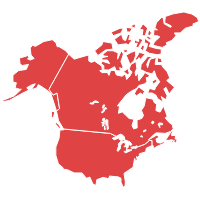
North America
|
Report Benchmarks |
Details |
|
Report Study Period |
2026-2032 |
|
Market Size in 2025 |
US$ 50.2 billion |
|
Market Size in 2032 |
US$ 67.4 million |
|
Market CAGR |
4.3% |
|
By Crane Type |
|
|
By lifting capacity |
|
|
By Application |
|
|
By End Use |
|
|
By Region |
|
PBI Analysts anticipate that the market is projected to grow steadily in the coming years, supported by increasing construction and infrastructure activities worldwide. Analysts highlight that the market, valued at over USD 50 billion in 2025, is expected to expand significantly through the end of the decade, driven by major investments in urban development, transportation projects, and industrial facilities. The rising preference for rental solutions over equipment ownership is also a key factor, as renting cranes offers cost efficiencies and reduces capital expenditure for contractors on large-scale projects. Mobile cranes continue to dominate due to their flexibility and wide applicability across construction sites, while tower and heavy-lift cranes are gaining traction for specialized, high-capacity projects. The Asia Pacific region is anticipated to register robust growth rates due to rapid urbanization and expansive infrastructure programs.
Download Free Sample Report

The crane rental market size was valued at US$ 50.2 billion in 2025 and is projected to grow at a significant CAGR of 4.3% from 2026-2032.
Major end users include construction, infrastructure, oil & gas, energy, manufacturing, and mining industries. Infrastructure projects such as bridges, roads, railways, and renewable energy installations generate particularly strong demand for crane rental services.
Key challenges include high equipment acquisition costs, fluctuating demand linked to construction cycles, and strict safety and regulatory requirements.
The market is driven by rising construction and infrastructure development, increasing urbanization, and large-scale industrial projects.
Content Updated Date: Feb 2026
| 1.Executive Summary |
| 2.Global Crane Rental Market Introduction |
| 2.1.Global Crane Rental Market - Taxonomy |
| 2.2.Global Crane Rental Market - Definitions |
| 2.2.1.Crane Type |
| 2.2.2.lifting capacity |
| 2.2.3.Application |
| 2.2.4.End Use |
| 2.2.5.Region |
| 3.Global Crane Rental Market Dynamics |
| 3.1. Drivers |
| 3.2. Restraints |
| 3.3. Opportunities/Unmet Needs of the Market |
| 3.4. Trends |
| 3.5. Product Landscape |
| 3.6. New Product Launches |
| 3.7. Impact of COVID 19 on Market |
| 4.Global Crane Rental Market Analysis, 2021 - 2025 and Forecast 2026- 2032 |
| 4.1. Market Analysis, 2021 - 2025 and Forecast, 2026- 2032, (Sales Value USD Million) |
| 4.2. Year-Over-Year (Y-o-Y) Growth Analysis (%) |
| 4.3. Market Opportunity Analysis |
| 5.Global Crane Rental Market By Crane Type, 2021 - 2025 and Forecast 2026- 2032 (Sales Value USD Million) |
| 5.1. Mobile Cranes |
| 5.1.1. Market Analysis, 2021 - 2025 and Forecast, 2026- 2032, (Sales Value USD Million) |
| 5.1.2. Year-Over-Year (Y-o-Y) Growth Analysis (%) and Market Share Analysis (%) |
| 5.1.3. Market Opportunity Analysis |
| 5.2. Crawler Cranes |
| 5.2.1. Market Analysis, 2021 - 2025 and Forecast, 2026- 2032, (Sales Value USD Million) |
| 5.2.2. Year-Over-Year (Y-o-Y) Growth Analysis (%) and Market Share Analysis (%) |
| 5.2.3. Market Opportunity Analysis |
| 5.3. Tower Cranes |
| 5.3.1. Market Analysis, 2021 - 2025 and Forecast, 2026- 2032, (Sales Value USD Million) |
| 5.3.2. Year-Over-Year (Y-o-Y) Growth Analysis (%) and Market Share Analysis (%) |
| 5.3.3. Market Opportunity Analysis |
| 5.4. Rough Terrain Cranes |
| 5.4.1. Market Analysis, 2021 - 2025 and Forecast, 2026- 2032, (Sales Value USD Million) |
| 5.4.2. Year-Over-Year (Y-o-Y) Growth Analysis (%) and Market Share Analysis (%) |
| 5.4.3. Market Opportunity Analysis |
| 5.5. All-Terrian Cranes |
| 5.5.1. Market Analysis, 2021 - 2025 and Forecast, 2026- 2032, (Sales Value USD Million) |
| 5.5.2. Year-Over-Year (Y-o-Y) Growth Analysis (%) and Market Share Analysis (%) |
| 5.5.3. Market Opportunity Analysis |
| 5.6. Others |
| 5.6.1. Market Analysis, 2021 - 2025 and Forecast, 2026- 2032, (Sales Value USD Million) |
| 5.6.2. Year-Over-Year (Y-o-Y) Growth Analysis (%) and Market Share Analysis (%) |
| 5.6.3. Market Opportunity Analysis |
| 6.Global Crane Rental Market By lifting capacity, 2021 - 2025 and Forecast 2026- 2032 (Sales Value USD Million) |
| 6.1. Below 50 Tons |
| 6.1.1. Market Analysis, 2021 - 2025 and Forecast, 2026- 2032, (Sales Value USD Million) |
| 6.1.2. Year-Over-Year (Y-o-Y) Growth Analysis (%) and Market Share Analysis (%) |
| 6.1.3. Market Opportunity Analysis |
| 6.2. 50-100 Tons |
| 6.2.1. Market Analysis, 2021 - 2025 and Forecast, 2026- 2032, (Sales Value USD Million) |
| 6.2.2. Year-Over-Year (Y-o-Y) Growth Analysis (%) and Market Share Analysis (%) |
| 6.2.3. Market Opportunity Analysis |
| 6.3. 100-200 Tons |
| 6.3.1. Market Analysis, 2021 - 2025 and Forecast, 2026- 2032, (Sales Value USD Million) |
| 6.3.2. Year-Over-Year (Y-o-Y) Growth Analysis (%) and Market Share Analysis (%) |
| 6.3.3. Market Opportunity Analysis |
| 6.4. Above 200 Tons |
| 6.4.1. Market Analysis, 2021 - 2025 and Forecast, 2026- 2032, (Sales Value USD Million) |
| 6.4.2. Year-Over-Year (Y-o-Y) Growth Analysis (%) and Market Share Analysis (%) |
| 6.4.3. Market Opportunity Analysis |
| 7.Global Crane Rental Market By Application, 2021 - 2025 and Forecast 2026- 2032 (Sales Value USD Million) |
| 7.1. Construction |
| 7.1.1. Market Analysis, 2021 - 2025 and Forecast, 2026- 2032, (Sales Value USD Million) |
| 7.1.2. Year-Over-Year (Y-o-Y) Growth Analysis (%) and Market Share Analysis (%) |
| 7.1.3. Market Opportunity Analysis |
| 7.2. Infrastructure |
| 7.2.1. Market Analysis, 2021 - 2025 and Forecast, 2026- 2032, (Sales Value USD Million) |
| 7.2.2. Year-Over-Year (Y-o-Y) Growth Analysis (%) and Market Share Analysis (%) |
| 7.2.3. Market Opportunity Analysis |
| 7.3. Oil & Gas |
| 7.3.1. Market Analysis, 2021 - 2025 and Forecast, 2026- 2032, (Sales Value USD Million) |
| 7.3.2. Year-Over-Year (Y-o-Y) Growth Analysis (%) and Market Share Analysis (%) |
| 7.3.3. Market Opportunity Analysis |
| 7.4. Energy & Power |
| 7.4.1. Market Analysis, 2021 - 2025 and Forecast, 2026- 2032, (Sales Value USD Million) |
| 7.4.2. Year-Over-Year (Y-o-Y) Growth Analysis (%) and Market Share Analysis (%) |
| 7.4.3. Market Opportunity Analysis |
| 7.5. Mining |
| 7.5.1. Market Analysis, 2021 - 2025 and Forecast, 2026- 2032, (Sales Value USD Million) |
| 7.5.2. Year-Over-Year (Y-o-Y) Growth Analysis (%) and Market Share Analysis (%) |
| 7.5.3. Market Opportunity Analysis |
| 7.6. Others |
| 7.6.1. Market Analysis, 2021 - 2025 and Forecast, 2026- 2032, (Sales Value USD Million) |
| 7.6.2. Year-Over-Year (Y-o-Y) Growth Analysis (%) and Market Share Analysis (%) |
| 7.6.3. Market Opportunity Analysis |
| 8.Global Crane Rental Market By End Use, 2021 - 2025 and Forecast 2026- 2032 (Sales Value USD Million) |
| 8.1. Residential |
| 8.1.1. Market Analysis, 2021 - 2025 and Forecast, 2026- 2032, (Sales Value USD Million) |
| 8.1.2. Year-Over-Year (Y-o-Y) Growth Analysis (%) and Market Share Analysis (%) |
| 8.1.3. Market Opportunity Analysis |
| 8.2. Commercial |
| 8.2.1. Market Analysis, 2021 - 2025 and Forecast, 2026- 2032, (Sales Value USD Million) |
| 8.2.2. Year-Over-Year (Y-o-Y) Growth Analysis (%) and Market Share Analysis (%) |
| 8.2.3. Market Opportunity Analysis |
| 8.3. Industrial |
| 8.3.1. Market Analysis, 2021 - 2025 and Forecast, 2026- 2032, (Sales Value USD Million) |
| 8.3.2. Year-Over-Year (Y-o-Y) Growth Analysis (%) and Market Share Analysis (%) |
| 8.3.3. Market Opportunity Analysis |
| 9.Global Crane Rental Market By Region, 2021 - 2025 and Forecast 2026- 2032 (Sales Value USD Million) |
| 9.1. North America |
| 9.1.1. Market Analysis, 2021 - 2025 and Forecast, 2026- 2032, (Sales Value USD Million) |
| 9.1.2. Year-Over-Year (Y-o-Y) Growth Analysis (%) and Market Share Analysis (%) |
| 9.1.3. Market Opportunity Analysis |
| 9.2. Europe |
| 9.2.1. Market Analysis, 2021 - 2025 and Forecast, 2026- 2032, (Sales Value USD Million) |
| 9.2.2. Year-Over-Year (Y-o-Y) Growth Analysis (%) and Market Share Analysis (%) |
| 9.2.3. Market Opportunity Analysis |
| 9.3. Asia Pacific (APAC) |
| 9.3.1. Market Analysis, 2021 - 2025 and Forecast, 2026- 2032, (Sales Value USD Million) |
| 9.3.2. Year-Over-Year (Y-o-Y) Growth Analysis (%) and Market Share Analysis (%) |
| 9.3.3. Market Opportunity Analysis |
| 9.4. Middle East and Africa (MEA) |
| 9.4.1. Market Analysis, 2021 - 2025 and Forecast, 2026- 2032, (Sales Value USD Million) |
| 9.4.2. Year-Over-Year (Y-o-Y) Growth Analysis (%) and Market Share Analysis (%) |
| 9.4.3. Market Opportunity Analysis |
| 9.5. Latin America |
| 9.5.1. Market Analysis, 2021 - 2025 and Forecast, 2026- 2032, (Sales Value USD Million) |
| 9.5.2. Year-Over-Year (Y-o-Y) Growth Analysis (%) and Market Share Analysis (%) |
| 9.5.3. Market Opportunity Analysis |
| 10.North America Crane Rental Market ,2021 - 2025 and Forecast 2026- 2032 (Sales Value USD Million) |
| 10.1. Crane Type Analysis 2021 - 2025 and Forecast 2026- 2032 by Sales Value USD Million, Y-o-Y Growth (%), and Market Share (%) |
| 10.1.1.Mobile Cranes |
| 10.1.2.Crawler Cranes |
| 10.1.3.Tower Cranes |
| 10.1.4.Rough Terrain Cranes |
| 10.1.5.All-Terrian Cranes |
| 10.1.6.Others |
| 10.2. lifting capacity Analysis 2021 - 2025 and Forecast 2026- 2032 by Sales Value USD Million, Y-o-Y Growth (%), and Market Share (%) |
| 10.2.1.Below 50 Tons |
| 10.2.2.50-100 Tons |
| 10.2.3.100-200 Tons |
| 10.2.4.Above 200 Tons |
| 10.3. Application Analysis 2021 - 2025 and Forecast 2026- 2032 by Sales Value USD Million, Y-o-Y Growth (%), and Market Share (%) |
| 10.3.1.Construction |
| 10.3.2.Infrastructure |
| 10.3.3.Oil & Gas |
| 10.3.4.Energy & Power |
| 10.3.5.Mining |
| 10.3.6.Others |
| 10.4. End Use Analysis 2021 - 2025 and Forecast 2026- 2032 by Sales Value USD Million, Y-o-Y Growth (%), and Market Share (%) |
| 10.4.1.Residential |
| 10.4.2.Commercial |
| 10.4.3.Industrial |
| 10.5. Country Analysis 2021 - 2025 and Forecast 2026- 2032 by Sales Value USD Million, Y-o-Y Growth (%), and Market Share (%) |
| 10.5.1.United States of America (USA) |
| 10.5.2.Canada |
| 11.Europe Crane Rental Market ,2021 - 2025 and Forecast 2026- 2032 (Sales Value USD Million) |
| 11.1. Crane Type Analysis and Forecast by Sales Value USD Million, Y-o-Y Growth (%), and Market Share (%) |
| 11.1.1.Mobile Cranes |
| 11.1.2.Crawler Cranes |
| 11.1.3.Tower Cranes |
| 11.1.4.Rough Terrain Cranes |
| 11.1.5.All-Terrian Cranes |
| 11.1.6.Others |
| 11.2. lifting capacity Analysis 2021 - 2025 and Forecast 2026- 2032 by Sales Value USD Million, Y-o-Y Growth (%), and Market Share (%) |
| 11.2.1.Below 50 Tons |
| 11.2.2.50-100 Tons |
| 11.2.3.100-200 Tons |
| 11.2.4.Above 200 Tons |
| 11.3. Application Analysis 2021 - 2025 and Forecast 2026- 2032 by Sales Value USD Million, Y-o-Y Growth (%), and Market Share (%) |
| 11.3.1.Construction |
| 11.3.2.Infrastructure |
| 11.3.3.Oil & Gas |
| 11.3.4.Energy & Power |
| 11.3.5.Mining |
| 11.3.6.Others |
| 11.4. End Use Analysis 2021 - 2025 and Forecast 2026- 2032 by Sales Value USD Million, Y-o-Y Growth (%), and Market Share (%) |
| 11.4.1.Residential |
| 11.4.2.Commercial |
| 11.4.3.Industrial |
| 11.5. Country Analysis 2021 - 2025 and Forecast 2026- 2032 by Sales Value USD Million, Y-o-Y Growth (%), and Market Share (%) |
| 11.5.1.Germany |
| 11.5.2.France |
| 11.5.3.Italy |
| 11.5.4.United Kingdom (UK) |
| 11.5.5.Spain |
| 12.Asia Pacific (APAC) Crane Rental Market ,2021 - 2025 and Forecast 2026- 2032 (Sales Value USD Million) |
| 12.1. Crane Type Analysis and Forecast by Sales Value USD Million, Y-o-Y Growth (%), and Market Share (%) |
| 12.1.1.Mobile Cranes |
| 12.1.2.Crawler Cranes |
| 12.1.3.Tower Cranes |
| 12.1.4.Rough Terrain Cranes |
| 12.1.5.All-Terrian Cranes |
| 12.1.6.Others |
| 12.2. lifting capacity Analysis 2021 - 2025 and Forecast 2026- 2032 by Sales Value USD Million, Y-o-Y Growth (%), and Market Share (%) |
| 12.2.1.Below 50 Tons |
| 12.2.2.50-100 Tons |
| 12.2.3.100-200 Tons |
| 12.2.4.Above 200 Tons |
| 12.3. Application Analysis 2021 - 2025 and Forecast 2026- 2032 by Sales Value USD Million, Y-o-Y Growth (%), and Market Share (%) |
| 12.3.1.Construction |
| 12.3.2.Infrastructure |
| 12.3.3.Oil & Gas |
| 12.3.4.Energy & Power |
| 12.3.5.Mining |
| 12.3.6.Others |
| 12.4. End Use Analysis 2021 - 2025 and Forecast 2026- 2032 by Sales Value USD Million, Y-o-Y Growth (%), and Market Share (%) |
| 12.4.1.Residential |
| 12.4.2.Commercial |
| 12.4.3.Industrial |
| 12.5. Country Analysis 2021 - 2025 and Forecast 2026- 2032 by Sales Value USD Million, Y-o-Y Growth (%), and Market Share (%) |
| 12.5.1.China |
| 12.5.2.India |
| 12.5.3.Australia and New Zealand (ANZ) |
| 12.5.4.Japan |
| 12.5.5.Rest of APAC |
| 13.Middle East and Africa (MEA) Crane Rental Market ,2021 - 2025 and Forecast 2026- 2032 (Sales Value USD Million) |
| 13.1. Crane Type Analysis and Forecast by Sales Value USD Million, Y-o-Y Growth (%), and Market Share (%) |
| 13.1.1.Mobile Cranes |
| 13.1.2.Crawler Cranes |
| 13.1.3.Tower Cranes |
| 13.1.4.Rough Terrain Cranes |
| 13.1.5.All-Terrian Cranes |
| 13.1.6.Others |
| 13.2. lifting capacity Analysis 2021 - 2025 and Forecast 2026- 2032 by Sales Value USD Million, Y-o-Y Growth (%), and Market Share (%) |
| 13.2.1.Below 50 Tons |
| 13.2.2.50-100 Tons |
| 13.2.3.100-200 Tons |
| 13.2.4.Above 200 Tons |
| 13.3. Application Analysis 2021 - 2025 and Forecast 2026- 2032 by Sales Value USD Million, Y-o-Y Growth (%), and Market Share (%) |
| 13.3.1.Construction |
| 13.3.2.Infrastructure |
| 13.3.3.Oil & Gas |
| 13.3.4.Energy & Power |
| 13.3.5.Mining |
| 13.3.6.Others |
| 13.4. End Use Analysis 2021 - 2025 and Forecast 2026- 2032 by Sales Value USD Million, Y-o-Y Growth (%), and Market Share (%) |
| 13.4.1.Residential |
| 13.4.2.Commercial |
| 13.4.3.Industrial |
| 13.5. Country Analysis 2021 - 2025 and Forecast 2026- 2032 by Sales Value USD Million, Y-o-Y Growth (%), and Market Share (%) |
| 13.5.1.GCC Countries |
| 13.5.2.South Africa |
| 13.5.3.Rest of MEA |
| 14.Latin America Crane Rental Market ,2021 - 2025 and Forecast 2026- 2032 (Sales Value USD Million) |
| 14.1. Crane Type Analysis and Forecast by Sales Value USD Million, Y-o-Y Growth (%), and Market Share (%) |
| 14.1.1.Mobile Cranes |
| 14.1.2.Crawler Cranes |
| 14.1.3.Tower Cranes |
| 14.1.4.Rough Terrain Cranes |
| 14.1.5.All-Terrian Cranes |
| 14.1.6.Others |
| 14.2. lifting capacity Analysis 2021 - 2025 and Forecast 2026- 2032 by Sales Value USD Million, Y-o-Y Growth (%), and Market Share (%) |
| 14.2.1.Below 50 Tons |
| 14.2.2.50-100 Tons |
| 14.2.3.100-200 Tons |
| 14.2.4.Above 200 Tons |
| 14.3. Application Analysis 2021 - 2025 and Forecast 2026- 2032 by Sales Value USD Million, Y-o-Y Growth (%), and Market Share (%) |
| 14.3.1.Construction |
| 14.3.2.Infrastructure |
| 14.3.3.Oil & Gas |
| 14.3.4.Energy & Power |
| 14.3.5.Mining |
| 14.3.6.Others |
| 14.4. End Use Analysis 2021 - 2025 and Forecast 2026- 2032 by Sales Value USD Million, Y-o-Y Growth (%), and Market Share (%) |
| 14.4.1.Residential |
| 14.4.2.Commercial |
| 14.4.3.Industrial |
| 14.5. Country Analysis 2021 - 2025 and Forecast 2026- 2032 by Sales Value USD Million, Y-o-Y Growth (%), and Market Share (%) |
| 14.5.1.Brazil |
| 14.5.2.Mexico |
| 14.5.3.Rest of LA |
| 15. Competition Landscape |
| 15.1. Market Player Profiles (Introduction, Brand/Product Sales, Financial Analysis, Product Offerings, Key Developments, Collaborations, M & A, Strategies, and SWOT Analysis) |
| 15.2.1.Mammoet |
| 15.2.2.Sarens |
| 15.2.3.United Rentals Inc. |
| 15.2.4.Maxim Crane Works |
| 15.2.5.All Erection & Crane Rental |
| 15.2.6.Lamoson International |
| 15.2.7.Tat Hong Holdings |
| 15.2.8.Bigge Crane and Rigging Co. |
| 15.2.9.Buckner Heavy Lift Cranes |
| 15.2.10.Essex Rental Corporation |
| 16. Research Methodology |
| 17. Appendix and Abbreviations |
Key Market Players

 Download Sample