
 Download Sample




Author
Sravani is a proficient Business Analyst with an MBA and a background in Computer Science, with seven years of expe.....
Food Hydrocolloids Market: By Product, By Application, By End Use and Region 2021-2032
Report ID:23176
Published Date:Sep 2025
No of Pages:200
Format:

Food Hydrocolloids Market size was valued at US$ 9,748.4 million in 2025 and is expected to reach US$ 14,561.5 million by 2032, growing at a significant CAGR of 5.9% from 2026-2032. Moreover, the U.S. Food Hydrocolloids Market is projected to grow at 6.1% in future. The market refers to the global industry involved in the production and utilization of hydrocolloids substances that form gels or thicken solutions when dispersed in water. Derived from natural sources such as plants, seaweeds, and microorganisms, food hydrocolloids include ingredients like gelatin, pectin, carrageenan, xanthan gum, guar gum, and agar. These compounds are primarily used in the food and beverage sector as stabilizers, thickeners, emulsifiers, and gelling agents to improve texture, viscosity, and shelf life. Their multifunctional properties make them essential in a wide range of applications, including dairy products, confectionery, sauces, bakery goods, and beverages.
The market is witnessing steady growth driven by rising consumer demand for convenience foods, clean-label ingredients, and texture-enhanced products. Increasing health awareness has encouraged manufacturers to replace synthetic additives with natural hydrocolloids, aligning with the global shift toward plant-based and sustainable ingredients. Additionally, the growing popularity of low-fat and low-sugar formulations has boosted the use of hydrocolloids as fat and sugar replacers without compromising mouthfeel or quality. The Asia-Pacific region is emerging as a key growth hub, supported by rapid food processing industry expansion and evolving dietary patterns. Meanwhile, technological advancements in extraction and formulation are improving hydrocolloid performance and functionality, ensuring their continued importance in modern food innovation.
Based on the type:
The Xanthan Gum segment is anticipated to dominate the revenue share of the market due to its exceptional functional versatility and wide applicability in the food and beverage industry. Derived from microbial fermentation of Xanthomonas campestris, xanthan gum acts as an effective thickener, stabilizer, and emulsifier, offering superior viscosity control even at low concentrations. Its high thermal stability and compatibility with a broad pH range make it suitable for diverse food formulations such as salad dressings, sauces, dairy alternatives, and gluten-free baked goods.
The growing trend toward gluten-free and plant-based foods is a major driver behind xanthan gum’s dominance, as it helps mimic the elasticity and structure typically provided by gluten or animal-derived ingredients. Additionally, it aligns with the rising demand for clean-label and non-GMO products, as xanthan gum is naturally derived and recognized as safe by global food authorities. Continuous innovations in fermentation technology further enhance its sustainability and cost-effectiveness, reinforcing its leadership position within the hydrocolloids market.
Based on the application:
The dairy and frozen desserts segment is anticipated to dominate the market due to the extensive use of hydrocolloids in enhancing texture, mouthfeel, and product stability. Hydrocolloids such as carrageenan, guar gum, pectin, and xanthan gum are vital in maintaining the creamy consistency and preventing syneresis (water separation) in products like yogurts, ice creams, puddings, and milk-based beverages. With the rising global demand for low-fat, plant-based, and functional dairy alternatives, manufacturers are increasingly incorporating hydrocolloids to replicate the desirable texture and sensory experience of traditional dairy products.
In addition, hydrocolloids help stabilize emulsions and improve freeze–thaw properties in frozen desserts, ensuring smoother textures and extended shelf life. The growing popularity of lactose-free and vegan ice creams, especially in North America, Europe, and Asia-Pacific, further boosts hydrocolloid usage. These factors, combined with technological advancements in clean-label and sustainable formulations, make the dairy and frozen desserts category a leading application in the market.
Based on the source:
The plant-based hydrocolloids are projected to lead the market due to their abundant availability, sustainability, and strong alignment with clean-label and vegan food trends. Derived from natural sources such as guar beans, citrus peels, apple pomace, and seaweeds, plant-based hydrocolloids like guar gum, pectin, carrageenan, and alginate are widely used for thickening, gelling, and stabilizing a variety of food products. Their ability to deliver desirable texture and consistency in dairy alternatives, bakery goods, beverages, and processed foods has made them indispensable in modern food processing.
Moreover, increasing consumer preference for plant-derived and environmentally friendly ingredients is accelerating the shift away from animal-based hydrocolloids like gelatin. Regulatory encouragement for sustainable and traceable sourcing practices further supports this transition. As food manufacturers aim to reduce their environmental footprint and cater to vegan and flexitarian consumers, plant-based hydrocolloids are expected to remain the dominant and fastest-growing source segment in the global market.
Study Period
2026-2032Base Year
2025CAGR
5.9%Largest Market
Asia-PacificFastest Growing Market
Latin America
A major factor fueling the market is the rising consumer appetite for clean-label, natural, and minimally processed food options. Today’s consumers are more aware than ever about what goes into their food, often opting for products that feature familiar, natural ingredients instead of synthetic additives. Hydrocolloids sourced from nature like seaweed, plants, and through microbial fermentation such as carrageenan, guar gum, pectin, and xanthan gum are perfectly aligned with this trend.
These ingredients not only help manufacturers improve texture, viscosity, and shelf life but also keep product labels looking “clean.” Regulatory agencies, especially in Europe and North America, are promoting the use of natural stabilizers, which is further driving the adoption of hydrocolloids. Moreover, innovations in plant-based and vegan foods heavily depend on hydrocolloids to mimic the mouthfeel and structure of animal-derived products. This strong connection to health and sustainability has made natural hydrocolloids vital ingredients in the ongoing evolution of global food innovation and market growth.
One of the main challenges facing the market is the unpredictable nature of raw material prices and the inconsistency in supply. Many hydrocolloids, like agar, carrageenan, and alginates, come from marine sources such as red and brown seaweeds, which are heavily influenced by weather patterns, ocean temperatures, and harvest yields. Changes in seasons, environmental factors, and the overharvesting of seaweed beds can throw supply chains into disarray and cause prices to fluctuate unexpectedly.
Moreover, plant-based options like guar gum are affected by agricultural conditions, including rainfall and crop yields, especially in key producing nations like India. These uncertainties can drive up production costs and create hurdles for food manufacturers trying to keep prices steady. Moreover, regulatory limitations on certain hydrocolloids in specific regions often due to labeling or allergen issues can restrict their usage. Consequently, companies are increasingly on the lookout for alternative or synthetic substitutes, although replicating the same level of performance can be both complicated and expensive.
The rising trend of plant-based diets and functional foods is expected to offer lucrative opportunities for the market. As more people embrace vegan and flexitarian lifestyles, manufacturers are tapping into hydrocolloids to achieve appealing textures and stability in dairy alternatives, meat substitutes, and low-fat products. Ingredients like xanthan gum, pectin, and guar gum are essential for replicating the creamy and elastic textures that fats or proteins usually provide. But it’s not just about texture; hydrocolloids are also being investigated for their health benefits, including boosting dietary fiber, lowering cholesterol, and improving gut health, which adds even more value to the development of functional foods.
Additionally, the growing trend of clean-label hydrocolloids in nutraceutical drinks, protein bars, and low-calorie desserts is driving innovation across various product lines. With global food companies pouring resources into research and development for multifunctional, sustainable hydrocolloid blends, the market is set to thrive at the crossroads of health, flavor, and sustainability.
A key trend we're seeing in the market is the growing emphasis on sustainability and the use of renewable, seaweed-based materials. With consumers and regulators increasingly advocating for environmentally friendly sourcing, companies are focusing on hydrocolloids like agar, alginate, and carrageenan derived from marine algae that can be farmed without taking up valuable arable land or freshwater. Seaweed farming not only helps maintain ocean biodiversity but also plays a role in carbon capture, aligning with global sustainability efforts.
Major producers in countries such as Indonesia, the Philippines, and Norway are pouring resources into creating traceable and ethical supply chains to guarantee consistent quality and environmental standards. Innovations in bioprocessing technologies and fermentation methods for producing xanthan and gellan gum are helping to lessen ecological footprints. The industry is experiencing a beautiful blend of food science and sustainability, where hydrocolloids are not just performance boosters but also eco-friendly ingredients, positioning them at the heart of future sustainable food innovations.
Largest Share of the Region: Asia-Pacific leads growth in food hydrocolloids due to major seaweed producer and processor, supplying the raw material base for carrageenan, agar and alginates used in hydrocolloids. FAO data show global seaweed production reached tens of millions of tonnes in recent years, with Asia accounting for the vast majority (about 97% of global production), underscoring the region’s scale and vertical supply chains. Indonesia alone is a major exporter, recorded export values for seaweeds and algae ran into the hundreds of millions of dollars is providing feedstock security for downstream hydrocolloid manufacture.
Key drivers in the region include large-scale aquaculture expansion, cost-competitive processing capacity, and strong domestic demand from rapidly growing food-processing industries (dairy alternatives, processed meats, sauces). The prevailing trend is investment in value-added processing and sustainable farming practices (traceability, farm-to-processor integration), which together are increasing the region’s ability to supply high-quality, clean-label hydrocolloids to global food manufacturers.
Fastest Growing/ Emerging Region: Latin America is emerging as a notable growth area for food hydrocolloids due to rapid, recent expansion in macroalgae cultivation and rising interest in local value chains. FAO reporting for the Americas indicates macroalgae (seaweed) farming grew substantially over the last decade is rising 66% between 2013 and 2023 to about 22,125 tonnes in 2023, is signalling nascent but accelerating raw-material availability for hydrocolloid production and export. Chile and Brazil are focal countries: Chile’s recent programs and roadmaps aim to scale production and processing capacity (Chile recorded thousands of tonnes of seaweed production in recent years), which supports progression from wild-harvest to cultivated, traceable supply.
Drivers include government and FAO-backed initiatives to diversify coastal economies, interest from food processors in locally-sourced sustainable ingredients, and growing private investment into seaweed value chains. A concurrent trend is pilot investment in processing and production for food and nutraceutical markets, positioning Latin America to move from raw export toward higher-value hydrocolloid ingredients.
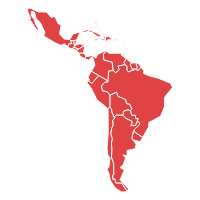
Latin America
Europe
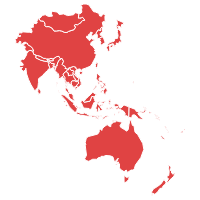
Asia Pacific
Middle East
North America
|
Report Benchmarks |
Details |
|
Report Study Period |
2026-2032 |
|
Market Size in 2025 |
US$ 9,748.4 million |
|
Market Size in 2032 |
US$ 14,561.5 million |
|
Market CAGR |
5.9% |
|
By Type |
|
|
By Application |
|
|
By Source |
|
|
By Region |
|
The PBI Analysts observe that the market is experiencing steady expansion driven by evolving consumer preferences, technological innovation, and sustainability-focused production. Hydrocolloids have become indispensable in modern food manufacturing due to their multifunctional roles in texture modification, stabilization, and shelf-life enhancement. The market’s growth is primarily fueled by the rising demand for clean-label, plant-based, and functional food products, as consumers increasingly seek natural and transparent ingredient formulations.
Regions such as Asia-Pacific continue to dominate supply owing to vast seaweed cultivation and low-cost processing capabilities, while North America and Europe are leading in the adoption of high-quality, sustainable hydrocolloid ingredients. Industry players are investing in advanced fermentation and extraction technologies to improve performance, purity, and environmental impact. Additionally, growing applications in dairy alternatives, beverages, and low-fat foods highlight the sector’s adaptability, positioning food hydrocolloids as a cornerstone of next-generation food innovation and product development.
Download Free Sample Report

The food hydrocolloids market size was valued at US$ 9,748.4 million in 2025 and is expected to reach US$ 14,561.5 million by 2032, growing at a significant CAGR of 5.9% from 2026-2032.
Rising consumer demand for clean-label, natural, and plant-based ingredients is driving the growth of the market.
Increasing adoption of sustainable, seaweed-based, and fermentation-derived hydrocolloids is shaping product innovation in the market.
Market research is segmented based on type, application, source and region.
Expanding seaweed cultivation and investment in food processing infrastructure are propelling market growth across the Asia-Pacific region.
Content Updated Date: Feb 2026
| 1.Executive Summary |
| 2.Global Food Hydrocolloids Market Introduction |
| 2.1.Global Food Hydrocolloids Market - Taxonomy |
| 2.2.Global Food Hydrocolloids Market - Definitions |
| 2.2.1.Type |
| 2.2.2.Application |
| 2.2.3.Source |
| 2.2.4.Region |
| 3.Global Food Hydrocolloids Market Dynamics |
| 3.1. Drivers |
| 3.2. Restraints |
| 3.3. Opportunities/Unmet Needs of the Market |
| 3.4. Trends |
| 3.5. Product Landscape |
| 3.6. New Product Launches |
| 3.7. Impact of COVID 19 on Market |
| 4.Global Food Hydrocolloids Market Analysis, 2021 - 2025 and Forecast 2026 - 2032 |
| 4.1. Market Analysis, 2021 - 2025 and Forecast 2026 - 2032, (Sales Value USD Million) |
| 4.2. Year-Over-Year (Y-o-Y) Growth Analysis (%) |
| 4.3. Market Opportunity Analysis |
| 5.Global Food Hydrocolloids Market By Type, 2021 - 2025 and Forecast 2026 - 2032 (Sales Value USD Million) |
| 5.1. Gum Arabic |
| 5.1.1. Market Analysis, 2021 - 2025 and Forecast 2026 - 2032, (Sales Value USD Million) |
| 5.1.2. Year-Over-Year (Y-o-Y) Growth Analysis (%) and Market Share Analysis (%) |
| 5.1.3. Market Opportunity Analysis |
| 5.2. Carboxymethyl Cellulose |
| 5.2.1. Market Analysis, 2021 - 2025 and Forecast 2026 - 2032, (Sales Value USD Million) |
| 5.2.2. Year-Over-Year (Y-o-Y) Growth Analysis (%) and Market Share Analysis (%) |
| 5.2.3. Market Opportunity Analysis |
| 5.3. Xanthan Gum |
| 5.3.1. Market Analysis, 2021 - 2025 and Forecast 2026 - 2032, (Sales Value USD Million) |
| 5.3.2. Year-Over-Year (Y-o-Y) Growth Analysis (%) and Market Share Analysis (%) |
| 5.3.3. Market Opportunity Analysis |
| 5.4. Carrageenan |
| 5.4.1. Market Analysis, 2021 - 2025 and Forecast 2026 - 2032, (Sales Value USD Million) |
| 5.4.2. Year-Over-Year (Y-o-Y) Growth Analysis (%) and Market Share Analysis (%) |
| 5.4.3. Market Opportunity Analysis |
| 5.5. Pectin |
| 5.5.1. Market Analysis, 2021 - 2025 and Forecast 2026 - 2032, (Sales Value USD Million) |
| 5.5.2. Year-Over-Year (Y-o-Y) Growth Analysis (%) and Market Share Analysis (%) |
| 5.5.3. Market Opportunity Analysis |
| 5.6. Others |
| 5.6.1. Market Analysis, 2021 - 2025 and Forecast 2026 - 2032, (Sales Value USD Million) |
| 5.6.2. Year-Over-Year (Y-o-Y) Growth Analysis (%) and Market Share Analysis (%) |
| 5.6.3. Market Opportunity Analysis |
| 6.Global Food Hydrocolloids Market By Application, 2021 - 2025 and Forecast 2026 - 2032 (Sales Value USD Million) |
| 6.1. Bakery |
| 6.1.1. Market Analysis, 2021 - 2025 and Forecast 2026 - 2032, (Sales Value USD Million) |
| 6.1.2. Year-Over-Year (Y-o-Y) Growth Analysis (%) and Market Share Analysis (%) |
| 6.1.3. Market Opportunity Analysis |
| 6.2. Confectionery |
| 6.2.1. Market Analysis, 2021 - 2025 and Forecast 2026 - 2032, (Sales Value USD Million) |
| 6.2.2. Year-Over-Year (Y-o-Y) Growth Analysis (%) and Market Share Analysis (%) |
| 6.2.3. Market Opportunity Analysis |
| 6.3. Sauces, Dressings, Marinades and Gravies |
| 6.3.1. Market Analysis, 2021 - 2025 and Forecast 2026 - 2032, (Sales Value USD Million) |
| 6.3.2. Year-Over-Year (Y-o-Y) Growth Analysis (%) and Market Share Analysis (%) |
| 6.3.3. Market Opportunity Analysis |
| 6.4. Beverages |
| 6.4.1. Market Analysis, 2021 - 2025 and Forecast 2026 - 2032, (Sales Value USD Million) |
| 6.4.2. Year-Over-Year (Y-o-Y) Growth Analysis (%) and Market Share Analysis (%) |
| 6.4.3. Market Opportunity Analysis |
| 6.5. Dairy and Frozen Desserts |
| 6.5.1. Market Analysis, 2021 - 2025 and Forecast 2026 - 2032, (Sales Value USD Million) |
| 6.5.2. Year-Over-Year (Y-o-Y) Growth Analysis (%) and Market Share Analysis (%) |
| 6.5.3. Market Opportunity Analysis |
| 6.6. Convenience and Processed Foods |
| 6.6.1. Market Analysis, 2021 - 2025 and Forecast 2026 - 2032, (Sales Value USD Million) |
| 6.6.2. Year-Over-Year (Y-o-Y) Growth Analysis (%) and Market Share Analysis (%) |
| 6.6.3. Market Opportunity Analysis |
| 7.Global Food Hydrocolloids Market By Source, 2021 - 2025 and Forecast 2026 - 2032 (Sales Value USD Million) |
| 7.1. Plant |
| 7.1.1. Market Analysis, 2021 - 2025 and Forecast 2026 - 2032, (Sales Value USD Million) |
| 7.1.2. Year-Over-Year (Y-o-Y) Growth Analysis (%) and Market Share Analysis (%) |
| 7.1.3. Market Opportunity Analysis |
| 7.2. Animal |
| 7.2.1. Market Analysis, 2021 - 2025 and Forecast 2026 - 2032, (Sales Value USD Million) |
| 7.2.2. Year-Over-Year (Y-o-Y) Growth Analysis (%) and Market Share Analysis (%) |
| 7.2.3. Market Opportunity Analysis |
| 7.3. Microbial |
| 7.3.1. Market Analysis, 2021 - 2025 and Forecast 2026 - 2032, (Sales Value USD Million) |
| 7.3.2. Year-Over-Year (Y-o-Y) Growth Analysis (%) and Market Share Analysis (%) |
| 7.3.3. Market Opportunity Analysis |
| 8.Global Food Hydrocolloids Market By Region, 2021 - 2025 and Forecast 2026 - 2032 (Sales Value USD Million) |
| 8.1. North America |
| 8.1.1. Market Analysis, 2021 - 2025 and Forecast 2026 - 2032, (Sales Value USD Million) |
| 8.1.2. Year-Over-Year (Y-o-Y) Growth Analysis (%) and Market Share Analysis (%) |
| 8.1.3. Market Opportunity Analysis |
| 8.2. Europe |
| 8.2.1. Market Analysis, 2021 - 2025 and Forecast 2026 - 2032, (Sales Value USD Million) |
| 8.2.2. Year-Over-Year (Y-o-Y) Growth Analysis (%) and Market Share Analysis (%) |
| 8.2.3. Market Opportunity Analysis |
| 8.3. Asia Pacific (APAC) |
| 8.3.1. Market Analysis, 2021 - 2025 and Forecast 2026 - 2032, (Sales Value USD Million) |
| 8.3.2. Year-Over-Year (Y-o-Y) Growth Analysis (%) and Market Share Analysis (%) |
| 8.3.3. Market Opportunity Analysis |
| 8.4. Middle East and Africa (MEA) |
| 8.4.1. Market Analysis, 2021 - 2025 and Forecast 2026 - 2032, (Sales Value USD Million) |
| 8.4.2. Year-Over-Year (Y-o-Y) Growth Analysis (%) and Market Share Analysis (%) |
| 8.4.3. Market Opportunity Analysis |
| 8.5. Latin America |
| 8.5.1. Market Analysis, 2021 - 2025 and Forecast 2026 - 2032, (Sales Value USD Million) |
| 8.5.2. Year-Over-Year (Y-o-Y) Growth Analysis (%) and Market Share Analysis (%) |
| 8.5.3. Market Opportunity Analysis |
| 9.North America Food Hydrocolloids Market ,2021 - 2025 and Forecast 2026 - 2032 (Sales Value USD Million) |
| 9.1. Type Analysis 2021 - 2025 and Forecast 2026 - 2032 by Sales Value USD Million, Y-o-Y Growth (%), and Market Share (%) |
| 9.1.1.Gum Arabic |
| 9.1.2.Carboxymethyl Cellulose |
| 9.1.3.Xanthan Gum |
| 9.1.4.Carrageenan |
| 9.1.5.Pectin |
| 9.1.6.Others |
| 9.2. Application Analysis 2021 - 2025 and Forecast 2026 - 2032 by Sales Value USD Million, Y-o-Y Growth (%), and Market Share (%) |
| 9.2.1.Bakery |
| 9.2.2.Confectionery |
| 9.2.3.Sauces, Dressings, Marinades and Gravies |
| 9.2.4.Beverages |
| 9.2.5.Dairy and Frozen Desserts |
| 9.2.6.Convenience and Processed Foods |
| 9.3. Source Analysis 2021 - 2025 and Forecast 2026 - 2032 by Sales Value USD Million, Y-o-Y Growth (%), and Market Share (%) |
| 9.3.1.Plant |
| 9.3.2.Animal |
| 9.3.3.Microbial |
| 9.4. Country Analysis 2021 - 2025 and Forecast 2026 - 2032 by Sales Value USD Million, Y-o-Y Growth (%), and Market Share (%) |
| 9.4.1.United States of America (USA) |
| 9.4.2.Canada |
| 10.Europe Food Hydrocolloids Market ,2021 - 2025 and Forecast 2026 - 2032 (Sales Value USD Million) |
| 10.1. Type Analysis and Forecast by Sales Value USD Million, Y-o-Y Growth (%), and Market Share (%) |
| 10.1.1.Gum Arabic |
| 10.1.2.Carboxymethyl Cellulose |
| 10.1.3.Xanthan Gum |
| 10.1.4.Carrageenan |
| 10.1.5.Pectin |
| 10.1.6.Others |
| 10.2. Application Analysis 2021 - 2025 and Forecast 2026 - 2032 by Sales Value USD Million, Y-o-Y Growth (%), and Market Share (%) |
| 10.2.1.Bakery |
| 10.2.2.Confectionery |
| 10.2.3.Sauces, Dressings, Marinades and Gravies |
| 10.2.4.Beverages |
| 10.2.5.Dairy and Frozen Desserts |
| 10.2.6.Convenience and Processed Foods |
| 10.3. Source Analysis 2021 - 2025 and Forecast 2026 - 2032 by Sales Value USD Million, Y-o-Y Growth (%), and Market Share (%) |
| 10.3.1.Plant |
| 10.3.2.Animal |
| 10.3.3.Microbial |
| 10.4. Country Analysis 2021 - 2025 and Forecast 2026 - 2032 by Sales Value USD Million, Y-o-Y Growth (%), and Market Share (%) |
| 10.4.1.Germany |
| 10.4.2.France |
| 10.4.3.Italy |
| 10.4.4.United Kingdom (UK) |
| 10.4.5.Spain |
| 11.Asia Pacific (APAC) Food Hydrocolloids Market ,2021 - 2025 and Forecast 2026 - 2032 (Sales Value USD Million) |
| 11.1. Type Analysis and Forecast by Sales Value USD Million, Y-o-Y Growth (%), and Market Share (%) |
| 11.1.1.Gum Arabic |
| 11.1.2.Carboxymethyl Cellulose |
| 11.1.3.Xanthan Gum |
| 11.1.4.Carrageenan |
| 11.1.5.Pectin |
| 11.1.6.Others |
| 11.2. Application Analysis 2021 - 2025 and Forecast 2026 - 2032 by Sales Value USD Million, Y-o-Y Growth (%), and Market Share (%) |
| 11.2.1.Bakery |
| 11.2.2.Confectionery |
| 11.2.3.Sauces, Dressings, Marinades and Gravies |
| 11.2.4.Beverages |
| 11.2.5.Dairy and Frozen Desserts |
| 11.2.6.Convenience and Processed Foods |
| 11.3. Source Analysis 2021 - 2025 and Forecast 2026 - 2032 by Sales Value USD Million, Y-o-Y Growth (%), and Market Share (%) |
| 11.3.1.Plant |
| 11.3.2.Animal |
| 11.3.3.Microbial |
| 11.4. Country Analysis 2021 - 2025 and Forecast 2026 - 2032 by Sales Value USD Million, Y-o-Y Growth (%), and Market Share (%) |
| 11.4.1.China |
| 11.4.2.India |
| 11.4.3.Australia and New Zealand (ANZ) |
| 11.4.4.Japan |
| 11.4.5.Rest of APAC |
| 12.Middle East and Africa (MEA) Food Hydrocolloids Market ,2021 - 2025 and Forecast 2026 - 2032 (Sales Value USD Million) |
| 12.1. Type Analysis and Forecast by Sales Value USD Million, Y-o-Y Growth (%), and Market Share (%) |
| 12.1.1.Gum Arabic |
| 12.1.2.Carboxymethyl Cellulose |
| 12.1.3.Xanthan Gum |
| 12.1.4.Carrageenan |
| 12.1.5.Pectin |
| 12.1.6.Others |
| 12.2. Application Analysis 2021 - 2025 and Forecast 2026 - 2032 by Sales Value USD Million, Y-o-Y Growth (%), and Market Share (%) |
| 12.2.1.Bakery |
| 12.2.2.Confectionery |
| 12.2.3.Sauces, Dressings, Marinades and Gravies |
| 12.2.4.Beverages |
| 12.2.5.Dairy and Frozen Desserts |
| 12.2.6.Convenience and Processed Foods |
| 12.3. Source Analysis 2021 - 2025 and Forecast 2026 - 2032 by Sales Value USD Million, Y-o-Y Growth (%), and Market Share (%) |
| 12.3.1.Plant |
| 12.3.2.Animal |
| 12.3.3.Microbial |
| 12.4. Country Analysis 2021 - 2025 and Forecast 2026 - 2032 by Sales Value USD Million, Y-o-Y Growth (%), and Market Share (%) |
| 12.4.1.GCC Countries |
| 12.4.2.South Africa |
| 12.4.3.Rest of MEA |
| 13.Latin America Food Hydrocolloids Market ,2021 - 2025 and Forecast 2026 - 2032 (Sales Value USD Million) |
| 13.1. Type Analysis and Forecast by Sales Value USD Million, Y-o-Y Growth (%), and Market Share (%) |
| 13.1.1.Gum Arabic |
| 13.1.2.Carboxymethyl Cellulose |
| 13.1.3.Xanthan Gum |
| 13.1.4.Carrageenan |
| 13.1.5.Pectin |
| 13.1.6.Others |
| 13.2. Application Analysis 2021 - 2025 and Forecast 2026 - 2032 by Sales Value USD Million, Y-o-Y Growth (%), and Market Share (%) |
| 13.2.1.Bakery |
| 13.2.2.Confectionery |
| 13.2.3.Sauces, Dressings, Marinades and Gravies |
| 13.2.4.Beverages |
| 13.2.5.Dairy and Frozen Desserts |
| 13.2.6.Convenience and Processed Foods |
| 13.3. Source Analysis 2021 - 2025 and Forecast 2026 - 2032 by Sales Value USD Million, Y-o-Y Growth (%), and Market Share (%) |
| 13.3.1.Plant |
| 13.3.2.Animal |
| 13.3.3.Microbial |
| 13.4. Country Analysis 2021 - 2025 and Forecast 2026 - 2032 by Sales Value USD Million, Y-o-Y Growth (%), and Market Share (%) |
| 13.4.1.Brazil |
| 13.4.2.Mexico |
| 13.4.3.Rest of LA |
| 14. Competition Landscape |
| 14.1. Market Player Profiles (Introduction, Brand/Product Sales, Financial Analysis, Product Offerings, Key Developments, Collaborations, M & A, Strategies, and SWOT Analysis) |
| 14.2.1.CP Kelco |
| 14.2.2.Ingredion Incorporated |
| 14.2.3.Cargill Incorporated |
| 14.2.4.Kerry Group plc |
| 14.2.5.DuPont de Nemours, Inc. |
| 14.2.6.Tate & Lyle Plc |
| 14.2.7.Ashland Global Holdings Inc. |
| 14.2.8.Koninklijke DSM N.V. |
| 14.2.9.Archer Daniels Midland Company |
| 14.2.10.BASF SE |
| 15. Research Methodology |
| 16. Appendix and Abbreviations |
Key Market Players
Author
Sravani is a proficient Business Analyst with an MBA and a background in Computer Science, with seven years of experience in the field of market research. Sravani is adept at creating competitive evaluations, precise market estimations, and market projections, emphasizing the food and beverage and information and communication technology (ICT) industries. Her areas of competence are identifying important players, projecting market trends, and assessing the potential for industry growth. She applies a strong analytical approach to provide precise market estimates and thorough industry analysis, empowering organizations to make data-driven decisions. Sravani's estimating and forecasting abilities are essential for businesses to take advantage of new opportunities and effectively manage dynamic market environments.