
 Download Sample




Author
Muni Kumar Meravath is a seasoned Healthcare Market Research Analyst with over 6 years of experience in the healthc.....
Generic Drugs Market: By Therapeutic Area, Antibiotics, Cardiovascular, Gastrointestinal, Hormones, Pain Management, and Others), By Distribution Channel, and Region Forecast 2021-2032
Report ID:15568
Published Date:Sep 2025
No of Pages:211
Format:

Generic Drugs Market size was valued at US$ 516.1 billion in 2025 and is expected to reach US$ 845.2 billion by 2032, growing at a significant CAGR of 7.3% from 2026-2032. A generic drug is pharmaceutical drug, which is bio equivalent to branded drug. Generic drugs are usually approved after patent expiration of patent drugs. global Market is driven by the prevalence of various diseases, need for cost effective drugs for treatment, and government initiatives to increase the use of generic drugs. In addition, favourable regulatory policies, expiry of the branded drugs, and growth in biosimilars segment are expected to boost the generics drugs market. Furthermore, participants in the supply chain such as wholesalers, retailers and pharmacies also benefit from the sale of the generic drugs with high margins compared to branded generics.This emerged as key driver for the growth of the market.
However, lack of awareness about the availability of generic drugs, competition from branded generics and lack of price control are hampering the market. Because researchers were not allowed to attend laboratories and conduct ongoing experiments owing to the pandemic, several clinical trials were postponed. Those molecules would enter the market as a patented molecule if there were no interruptions, resulting in an increase in the market during the predicted period. Because the global market is so large, it is expected to keep rising over the projection period. The rising prevalence of chronic diseases, the growing senior population, and rising healthcare costs are all factors contributing to this trend.

Study Period
2026-2032Base Year
2025CAGR
7.3%Largest Market
North-AmericaFastest Growing Market
Asia-Pacific
The global generic drugs market is driven by sustained patent expirations, strong regulatory backing, and government-led efforts to expand affordable healthcare access. Regulatory agencies such as the U.S. Food and Drug Administration continue to accelerate approvals; in recent years, the FDA has approved 700–900 Abbreviated New Drug Applications (ANDAs) annually, supporting rapid generic market entry and competition. Public healthcare systems strongly incentivize generic adoption data from the U.S. Centers for Medicare & Medicaid Services shows that generics account for over 80% of Medicare Part D prescriptions while representing a significantly lower share of total drug spending, reinforcing payer preference. In Europe, national health services such as the UK’s NHS report that generic prescribing exceeds 85% of all dispensed medicines, driven by substitution mandates and prescribing guidelines. Expanding healthcare coverage and essential medicines programs in emerging economies further stimulate volume demand for low-cost therapies. On the supply side, India remains a critical driver, with government trade data indicating pharmaceutical exports exceeding USD 25 billion annually, much of which comprises generic formulations and APIs. Additionally, rising chronic disease prevalence, aging populations, simplified approval pathways, and growing adoption of biosimilars supported by guidance from the World Health Organization continue to reinforce long-term growth across global generic drug markets.
The global generic drugs market faces several restraining factors despite strong demand fundamentals. Intense price erosion remains the most significant challenge, driven by government tenders and payer-driven substitution policies; in the United States, data from the U.S. Food and Drug Administration and public procurement systems show that multiple generic entries can reduce prices by 60%–90% within the first year, sharply compressing margins. Regulatory compliance and quality risks also restrain growth, as increased inspections and warning letters have led to plant shutdowns and supply disruptions, particularly in export-oriented manufacturing hubs. According to FDA enforcement reports, hundreds of manufacturing sites are inspected annually, with non-compliance resulting in import alerts and product recalls. Supply-chain concentration, especially dependence on limited API sources, remains a structural risk; government trade data indicate that a large share of global APIs originates from a small number of countries, increasing vulnerability to geopolitical and logistical disruptions. In addition, litigation and patent-related disputes delay market entry and raise costs for manufacturers. Rising development expenses for complex generics and biosimilars, coupled with longer approval timelines highlighted by guidance from the World Health Organization, further constrain profitability and limit participation by smaller generic drug manufacturers.
The global generic drugs market presents strong opportunities as rising disease burden and healthcare policy priorities converge to expand demand for low-cost therapies. With generics filling 90% of all prescriptions dispensed in the United States yet accounting for only around 12%–18% of total prescription drug spending, these medicines demonstrate significant value in cost containment and utilization across major healthcare systems. Rising chronic diseases such as diabetes, cardiovascular disorders, and cancer require long-term pharmacotherapy where generics improve adherence and reduce financial strain. According to the World Health Organization, noncommunicable diseases cause nearly three-quarters of global deaths, fuelling sustained need for affordable generics. Expanded public health programs, essential medicines lists, and universal coverage efforts in emerging economies further increase volume demand. Government initiatives like India’s Pradhan Mantri Bharatiya Janaushadhi Pariyojana, offering over 2,000 generic medicines, enhance access and uptake. In addition, regulatory pathways for first generics, complex generics, and biosimilars continue to evolve broadening entry points for manufacturers. Combined with ageing populations and chronic disease prevalence, these trends position generic drugs for expanded global impact on health outcomes and system-wide affordability.
The global generic drugs market is evolving through several notable trends shaped by regulatory reform, innovation, and healthcare policy. A key trend is the rising penetration of biosimilars, supported by regulatory actions such as the U.S. Food and Drug Administration approving multiple biosimilars for insulin, oncology, and immunology therapies, expanding competition in biologics. Another major trend is the growth of complex generics, illustrated by increasing approvals of inhalation products, long-acting injectables, and transdermal systems that require advanced manufacturing capabilities. Government procurement and substitution policies continue to drive uptake; for example, India’s public healthcare programs have expanded generic distribution through nationwide schemes supplying essential medicines at regulated prices. The digitalization of regulatory processes is also accelerating, with agencies such as the FDA adopting electronic ANDA submissions and risk-based inspections to shorten approval timelines. In parallel, supply-chain diversification has gained momentum following API shortages during the COVID-19 period, prompting governments to incentivize domestic API manufacturing. In addition, strategic partnerships and licensing agreements between global pharmaceutical companies and regional manufacturers are increasing, enabling faster market entry, shared development costs, and broader geographic reach for generic medicines worldwide.
North America continues to be the dominating region in the global generic drugs market due to its regulatory scale, innovation intensity, and sustained approval momentum. Data published by the U.S. Food and Drug Administration shows that the agency approved 918 Abbreviated New Drug Applications (ANDAs) in 2023, including a significant number of first generics, reinforcing rapid competition across multiple therapy areas. The U.S. healthcare system also relies heavily on hospital and outpatient generic procurement, with government purchasing programs prioritizing generics to stabilize drug supply and reduce shortages. In addition, North America leads in biosimilar approvals, with the FDA having approved over 45 biosimilars by 2024, strengthening the region’s dominance in higher-value generic segments.
Asia Pacific is the fastest-growing region, driven by expanding public access programs and manufacturing depth. In India, the government-backed Pradhan Mantri Bharatiya Janaushadhi Pariyojana operates over 9,000 Janaushadhi stores nationwide (2024), distributing affordable generic medicines at controlled prices. China’s national centralized volume-based procurement program has also led to price reductions of 50–90% for selected generics, significantly boosting utilization. Combined with large patient populations, rising chronic disease burden, and strong domestic production, Asia Pacific remains the primary engine of global generic drug growth.
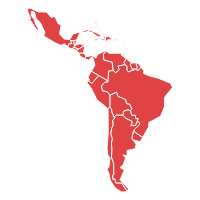
Latin America
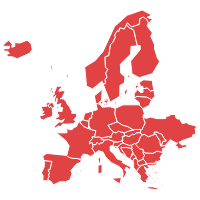
Europe
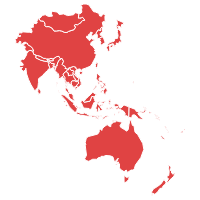
Asia Pacific
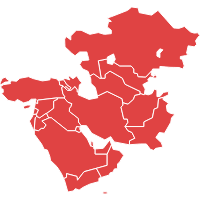
Middle East
North America
|
Report Benchmarks |
Details |
|
Report Study Period |
2026-2032 |
|
Market CAGR |
7.3% |
|
By Therapeutic Area |
|
|
By Distribution Channel |
|
|
By Region |
|
The global generic drugs market is positioned for sustained, volume-led growth, underpinned by strong policy support, persistent patent expirations, and rising demand for affordable therapies across both developed and emerging economies. With the market valued at USD 481.0 billion in 2024 and projected to reach USD 789.2 billion by 2031, growth is being driven by a combination of mature-market stability and emerging-market expansion. North America continues to dominate due to its high approval momentum, robust hospital procurement, and leadership in biosimilars and complex generics, while Asia Pacific stands out as the fastest-growing region, supported by large public health programs, centralized procurement, and manufacturing scale in India and China. Therapeutically, oncology leads demand as rising cancer incidence sustains utilization of cost-effective generic injectables and oral therapies, particularly within hospital settings. However, the market remains structurally challenged by aggressive price erosion, regulatory scrutiny, supply-chain concentration for APIs, and increasing development costs for complex generics and biosimilars. In response, leading players are actively pursuing partnerships, biosimilar collaborations, portfolio optimization, and geographic expansion to protect margins and diversify revenue streams. Overall, generics will remain the cornerstone of global healthcare affordability, with future value increasingly shifting toward complex formulations, injectables, and biosimilars rather than commoditized oral solids.
Download Free Sample Report

Generic Drugs Market is expected to reach US$ 845.2 billion by 2032, growing at a significant CAGR of 7.3% during the forecast period 2026-2032.
The drivers of the market are Increasing healthcare cost pressure and Rising prevalence of chronic diseases.
The key players of the market are Mylan N.V. (U.S.) Sun Pharmaceutical Industries Limited (India) Teva Pharmaceutical Industries, Ltd. (Israel) Dr Reddy’s Laboratories (India) Novartis AG (Sandoz International GmbH) (Switzerland) Apotex Holdings Inc. (Canada) Endo International plc (U.S.) Pfizer Inc. (U.S.) Johnson & Johnson Services Inc., (Janssen Pharmaceutica) (U.S.) Lupin Limited (India) Merck & Co, Inc. (U.S.) Mitsubishi Tanabe Pharma (Japan) Momenta Pharmaceuticals (U.S.) Nexus Pharmaceuticals (U.S.) Novo Nordisk (Denmark)
• Expansion of Biosimilars and Complex Generics
• Government-Led Healthcare Expansion Programs
• Manufacturing and Export Opportunities in Emerging Markets
North America is the dominating region in the market.
Content Updated Date: Feb 2026
| 1. Executive Summary |
| 2. Global Generic Drugs Market Introduction |
| 2.1.Global Generic Drugs Market - Taxonomy |
| 2.2.Global Generic Drugs Market - Definitions |
| 2.2.1. Therapeutic Area |
| 2.2.2.Distribution Channel |
| 2.2.3.Region |
| 3. Global Generic Drugs Market Dynamics |
| 3.1. Drivers |
| 3.2. Restraints |
| 3.3. Opportunities/Unmet Needs of the Market |
| 3.4. Trends |
| 3.5. Product Landscape |
| 3.6. New Product Launches |
| 3.7. Impact of COVID 19 on Market |
| 4. Global Generic Drugs Market Analysis, 2021 - 2025 and Forecast 2026 - 2032 |
| 4.1. Market Analysis, 2021 - 2025 and Forecast, 2026 - 2032, (Sales Value USD Million) |
| 4.2. Year-Over-Year (Y-o-Y) Growth Analysis (%) |
| 4.3. Market Opportunity Analysis |
| 5. Global Generic Drugs Market By Therapeutic Area, 2021 - 2025 and Forecast 2026 - 2032 (Sales Value USD Million) |
| 5.1. Cardiovascular |
| 5.1.1. Market Analysis, 2021 - 2025 and Forecast, 2026 - 2032, (Sales Value USD Million) |
| 5.1.2. Year-Over-Year (Y-o-Y) Growth Analysis (%) and Market Share Analysis (%) |
| 5.1.3. Market Opportunity Analysis |
| 5.2. CNS |
| 5.2.1. Market Analysis, 2021 - 2025 and Forecast, 2026 - 2032, (Sales Value USD Million) |
| 5.2.2. Year-Over-Year (Y-o-Y) Growth Analysis (%) and Market Share Analysis (%) |
| 5.2.3. Market Opportunity Analysis |
| 5.3. Antibiotics |
| 5.3.1. Market Analysis, 2021 - 2025 and Forecast, 2026 - 2032, (Sales Value USD Million) |
| 5.3.2. Year-Over-Year (Y-o-Y) Growth Analysis (%) and Market Share Analysis (%) |
| 5.3.3. Market Opportunity Analysis |
| 5.4. Oncology |
| 5.4.1. Market Analysis, 2021 - 2025 and Forecast, 2026 - 2032, (Sales Value USD Million) |
| 5.4.2. Year-Over-Year (Y-o-Y) Growth Analysis (%) and Market Share Analysis (%) |
| 5.4.3. Market Opportunity Analysis |
| 5.5. Gastrointestinal |
| 5.5.1. Market Analysis, 2021 - 2025 and Forecast, 2026 - 2032, (Sales Value USD Million) |
| 5.5.2. Year-Over-Year (Y-o-Y) Growth Analysis (%) and Market Share Analysis (%) |
| 5.5.3. Market Opportunity Analysis |
| 5.6. Hormones |
| 5.6.1. Market Analysis, 2021 - 2025 and Forecast, 2026 - 2032, (Sales Value USD Million) |
| 5.6.2. Year-Over-Year (Y-o-Y) Growth Analysis (%) and Market Share Analysis (%) |
| 5.6.3. Market Opportunity Analysis |
| 5.7. Pain Management |
| 5.7.1. Market Analysis, 2021 - 2025 and Forecast, 2026 - 2032, (Sales Value USD Million) |
| 5.7.2. Year-Over-Year (Y-o-Y) Growth Analysis (%) and Market Share Analysis (%) |
| 5.7.3. Market Opportunity Analysis |
| 5.8. Others |
| 5.8.1. Market Analysis, 2021 - 2025 and Forecast, 2026 - 2032, (Sales Value USD Million) |
| 5.8.2. Year-Over-Year (Y-o-Y) Growth Analysis (%) and Market Share Analysis (%) |
| 5.8.3. Market Opportunity Analysis |
| 6. Global Generic Drugs Market By Distribution Channel, 2021 - 2025 and Forecast 2026 - 2032 (Sales Value USD Million) |
| 6.1. Hospital Pharmacies |
| 6.1.1. Market Analysis, 2021 - 2025 and Forecast, 2026 - 2032, (Sales Value USD Million) |
| 6.1.2. Year-Over-Year (Y-o-Y) Growth Analysis (%) and Market Share Analysis (%) |
| 6.1.3. Market Opportunity Analysis |
| 6.2. Retail Pharmacies |
| 6.2.1. Market Analysis, 2021 - 2025 and Forecast, 2026 - 2032, (Sales Value USD Million) |
| 6.2.2. Year-Over-Year (Y-o-Y) Growth Analysis (%) and Market Share Analysis (%) |
| 6.2.3. Market Opportunity Analysis |
| 6.3. Online Pharmacies |
| 6.3.1. Market Analysis, 2021 - 2025 and Forecast, 2026 - 2032, (Sales Value USD Million) |
| 6.3.2. Year-Over-Year (Y-o-Y) Growth Analysis (%) and Market Share Analysis (%) |
| 6.3.3. Market Opportunity Analysis |
| 6.4. Others |
| 6.4.1. Market Analysis, 2021 - 2025 and Forecast, 2026 - 2032, (Sales Value USD Million) |
| 6.4.2. Year-Over-Year (Y-o-Y) Growth Analysis (%) and Market Share Analysis (%) |
| 6.4.3. Market Opportunity Analysis |
| 7. Global Generic Drugs Market By Region, 2021 - 2025 and Forecast 2026 - 2032 (Sales Value USD Million) |
| 7.1. North America |
| 7.1.1. Market Analysis, 2021 - 2025 and Forecast, 2026 - 2032, (Sales Value USD Million) |
| 7.1.2. Year-Over-Year (Y-o-Y) Growth Analysis (%) and Market Share Analysis (%) |
| 7.1.3. Market Opportunity Analysis |
| 7.2. Europe |
| 7.2.1. Market Analysis, 2021 - 2025 and Forecast, 2026 - 2032, (Sales Value USD Million) |
| 7.2.2. Year-Over-Year (Y-o-Y) Growth Analysis (%) and Market Share Analysis (%) |
| 7.2.3. Market Opportunity Analysis |
| 7.3. Asia Pacific (APAC) |
| 7.3.1. Market Analysis, 2021 - 2025 and Forecast, 2026 - 2032, (Sales Value USD Million) |
| 7.3.2. Year-Over-Year (Y-o-Y) Growth Analysis (%) and Market Share Analysis (%) |
| 7.3.3. Market Opportunity Analysis |
| 7.4. Middle East and Africa (MEA) |
| 7.4.1. Market Analysis, 2021 - 2025 and Forecast, 2026 - 2032, (Sales Value USD Million) |
| 7.4.2. Year-Over-Year (Y-o-Y) Growth Analysis (%) and Market Share Analysis (%) |
| 7.4.3. Market Opportunity Analysis |
| 7.5. Latin America |
| 7.5.1. Market Analysis, 2021 - 2025 and Forecast, 2026 - 2032, (Sales Value USD Million) |
| 7.5.2. Year-Over-Year (Y-o-Y) Growth Analysis (%) and Market Share Analysis (%) |
| 7.5.3. Market Opportunity Analysis |
| 8. North America Generic Drugs Market 2021-2024 and Forecast 2026 - 2032 (Sales Value USD Million) |
| 8.1. Therapeutic Area Analysis 2021 - 2025 and Forecast 2026 - 2032 by Sales Value USD Million, Y-o-Y Growth (%), and Market Share (%) |
| 8.1.1.Cardiovascular |
| 8.1.2.CNS |
| 8.1.3.Antibiotics |
| 8.1.4.Oncology |
| 8.1.5.Gastrointestinal |
| 8.1.6.Hormones |
| 8.1.7.Pain Management |
| 8.1.8.Others |
| 8.2. Distribution Channel Analysis 2021 - 2025 and Forecast 2026 - 2032 by Sales Value USD Million, Y-o-Y Growth (%), and Market Share (%) |
| 8.2.1.Hospital Pharmacies |
| 8.2.2.Retail Pharmacies |
| 8.2.3.Online Pharmacies |
| 8.2.4.Others |
| 8.3. Country Analysis 2021 - 2025 and Forecast 2026 - 2032 by Sales Value USD Million, Y-o-Y Growth (%), and Market Share (%) |
| 8.3.1.United States of America (USA) |
| 8.3.2.Canada |
| 9. Europe Generic Drugs Market 2021-2024 and Forecast 2026 - 2032 (Sales Value USD Million) |
| 9.1. Therapeutic Area Analysis and Forecast by Sales Value USD Million, Y-o-Y Growth (%), and Market Share (%) |
| 9.1.1.Cardiovascular |
| 9.1.2.CNS |
| 9.1.3.Antibiotics |
| 9.1.4.Oncology |
| 9.1.5.Gastrointestinal |
| 9.1.6.Hormones |
| 9.1.7.Pain Management |
| 9.1.8.Others |
| 9.2. Distribution Channel Analysis 2021 - 2025 and Forecast 2026 - 2032 by Sales Value USD Million, Y-o-Y Growth (%), and Market Share (%) |
| 9.2.1.Hospital Pharmacies |
| 9.2.2.Retail Pharmacies |
| 9.2.3.Online Pharmacies |
| 9.2.4.Others |
| 9.3.Country Analysis 2021 - 2025 and Forecast 2026 - 2032 by Sales Value USD Million, Y-o-Y Growth (%), and Market Share (%) |
| 9.3.1.Germany |
| 9.3.2.France |
| 9.3.3.Italy |
| 9.3.4.United Kingdom (UK) |
| 9.3.5.Spain |
| 10. Asia Pacific (APAC) Generic Drugs Market 2021-2024 and Forecast 2026 - 2032 (Sales Value USD Million) |
| 10.1. Therapeutic Area Analysis and Forecast by Sales Value USD Million, Y-o-Y Growth (%), and Market Share (%) |
| 10.1.1.Cardiovascular |
| 10.1.2.CNS |
| 10.1.3.Antibiotics |
| 10.1.4.Oncology |
| 10.1.5.Gastrointestinal |
| 10.1.6.Hormones |
| 10.1.7.Pain Management |
| 10.1.8.Others |
| 10.2. Distribution Channel Analysis 2021 - 2025 and Forecast 2026 - 2032 by Sales Value USD Million, Y-o-Y Growth (%), and Market Share (%) |
| 10.2.1.Hospital Pharmacies |
| 10.2.2.Retail Pharmacies |
| 10.2.3.Online Pharmacies |
| 10.2.4.Others |
| 10.3. Country Analysis 2021 - 2025 and Forecast 2026 - 2032 by Sales Value USD Million, Y-o-Y Growth (%), and Market Share (%) |
| 10.3.1.China |
| 10.3.2.India |
| 10.3.3.Australia and New Zealand (ANZ) |
| 10.3.4.Japan |
| 10.3.5.Rest of APAC |
| 11. Middle East and Africa (MEA) Generic Drugs Market 2021-2024 and Forecast 2026 - 2032 (Sales Value USD Million) |
| 11.1. Therapeutic Area Analysis and Forecast by Sales Value USD Million, Y-o-Y Growth (%), and Market Share (%) |
| 11.1.1.Cardiovascular |
| 11.1.2.CNS |
| 11.1.3.Antibiotics |
| 11.1.4.Oncology |
| 11.1.5.Gastrointestinal |
| 11.1.6.Hormones |
| 11.1.7.Pain Management |
| 11.1.8.Others |
| 11.2. Distribution Channel Analysis 2021 - 2025 and Forecast 2026 - 2032 by Sales Value USD Million, Y-o-Y Growth (%), and Market Share (%) |
| 11.2.1.Hospital Pharmacies |
| 11.2.2.Retail Pharmacies |
| 11.2.3.Online Pharmacies |
| 11.2.4.Others |
| 11.3. Country Analysis 2021 - 2025 and Forecast 2026 - 2032 by Sales Value USD Million, Y-o-Y Growth (%), and Market Share (%) |
| 11.3.1.GCC Countries |
| 11.3.2.South Africa |
| 11.3.3.Rest of MEA |
| 12. Latin America Generic Drugs Market 2021-2024 and Forecast 2026 - 2032 (Sales Value USD Million) |
| 12.1. Therapeutic Area Analysis and Forecast by Sales Value USD Million, Y-o-Y Growth (%), and Market Share (%) |
| 12.1.1.Cardiovascular |
| 12.1.2.CNS |
| 12.1.3.Antibiotics |
| 12.1.4.Oncology |
| 12.1.5.Gastrointestinal |
| 12.1.6.Hormones |
| 12.1.7.Pain Management |
| 12.1.8.Others |
| 12.2. Distribution Channel Analysis 2021 - 2025 and Forecast 2026 - 2032 by Sales Value USD Million, Y-o-Y Growth (%), and Market Share (%) |
| 12.2.1.Hospital Pharmacies |
| 12.2.2.Retail Pharmacies |
| 12.2.3.Online Pharmacies |
| 12.2.4.Others |
| 12.3. Country Analysis 2021 - 2025 and Forecast 2026 - 2032 by Sales Value USD Million, Y-o-Y Growth (%), and Market Share (%) |
| 12.3.1.Brazil |
| 12.3.2.Mexico |
| 12.3.3.Rest of LA |
| 13. Competition Landscape |
| 13.1. Market Player Profiles (Introduction, Brand/Product Sales, Financial Analysis, Product Offerings, Key Developments, Collaborations, M & A, Strategies, and SWOT Analysis) |
| 13.2.1.Mylan N.V. (U.S.) |
| 13.2.2.Sun Pharmaceutical Industries Limited (India) |
| 13.2.3.Teva Pharmaceutical Industries, Ltd. (Israel) |
| 13.2.4.Dr Reddy’s Laboratories (India) |
| 13.2.5.Novartis AG (Sandoz International GmbH) (Switzerland) |
| 13.2.6.Apotex Holdings Inc. (Canada) |
| 13.2.7.Endo International plc (U.S.) |
| 13.2.8.Pfizer Inc. (U.S.) |
| 13.2.9.Johnson & Johnson Services Inc., |
| 13.2.10.(Janssen Pharmaceutica) (U.S.) |
| 13.2.11.Lupin Limited (India) |
| 13.2.12.Merck & Co, Inc. (U.S.) |
| 13.2.13.Mitsubishi Tanabe Pharma (Japan) |
| 13.2.14.Momenta Pharmaceuticals (U.S.) |
| 13.2.15.Nexus Pharmaceuticals (U.S.) |
| 13.2.16.Novo Nordisk (Denmark) |
| 14. Research Methodology |
| 15. Appendix and Abbreviations |
Key Market Players
Author
Muni Kumar Meravath is a seasoned Healthcare Market Research Analyst with over 6 years of experience in the healthcare domain, encompassing pharmaceuticals, medical devices, and diagnostics. A graduate in Pharmacy, he possesses a strong foundation in the intricacies of the healthcare sector. He further enhanced his expertise by pursuing an MBA in Pharmaceuticals, equipping him with valuable business acumen. His analytical skills and market insights have contributed to strategic decision-making and enhanced market positioning for various healthcare organizations. Committed to driving innovation and excellence, Muni continues to seek opportunities to improve healthcare delivery through data-driven insights.