
 Download Sample




Author
Muni Kumar Meravath is a seasoned Healthcare Market Research Analyst with over 6 years of experience in the healthc.....
Hepatitis E Diagnostic Tests Market: By Type, By End Use and Region Forecast 2021-2032
Report ID:23217
Published Date:Sep 2025
No of Pages:205
Format:

Hepatitis E Diagnostic Tests Market size was valued at US$ 86.0 million in 2025 and is expected to reach US$ 117.0 million by 2032, growing at a significant CAGR of 4.5% from 2026-2032. Moreover, the U.S. Hepatitis E Diagnostic Tests Market is projected to grow at 4.3% over the forecast period. The market refers to the global industry focused on the development, production, and distribution of diagnostic tools used to detect Hepatitis E virus (HEV) infection in humans. These diagnostic methods include enzyme-linked immunosorbent assays (ELISA), polymerase chain reaction (PCR) tests, and rapid diagnostic kits that identify HEV antigens or antibodies in blood, serum, or stool samples. The market serves hospitals, diagnostic laboratories, public health institutions, and research centers to support early detection, disease surveillance, and outbreak control of Hepatitis E, which is primarily transmitted through contaminated food and water sources.
The market is witnessing steady growth due to the increasing prevalence of Hepatitis E infections, particularly in developing regions with poor sanitation and water quality. Rising awareness of foodborne and waterborne viral diseases, along with government-led health screening initiatives, is further driving demand for accurate and rapid testing solutions. Technological advancements such as molecular assays and automated diagnostic platforms are improving test sensitivity and turnaround times. Additionally, global health organizations like the WHO are emphasizing early diagnosis to reduce mortality in vulnerable populations, including pregnant women and immunocompromised individuals. As a result, the market is poised for continuous expansion, supported by improvements in healthcare infrastructure and the growing adoption of point-of-care testing in endemic regions.
Based on the type:
Among the different types, ELISA HEV IgM tests are anticipated to lead the market due to their high sensitivity, cost-effectiveness, and suitability for large-scale screening. Enzyme-linked immunosorbent assay (ELISA) remains the preferred diagnostic tool for detecting acute HEV infections, as the presence of IgM antibodies indicates recent exposure to the virus. This method is widely adopted in hospitals, diagnostic centers, and research laboratories because it allows simultaneous testing of multiple samples, making it ideal for outbreak surveillance and epidemiological studies. According to WHO and CDC data, Hepatitis E causes millions of infections each year, particularly in Asia and Africa, where ELISA kits are the most accessible diagnostic option. Continuous advancements in assay design and automation are further enhancing accuracy and reducing false positives.
Moreover, the low cost and ease of standardization of ELISA platforms make them vital for national health programs and routine diagnostic use, thereby sustaining their dominance in the market.
Based on the end-use:
Diagnostic laboratories are projected to lead the market owing to their central role in large-scale testing, outbreak investigation, and disease surveillance. These laboratories are equipped with advanced testing platforms such as ELISA and PCR, which enable accurate detection of HEV IgM and RNA in clinical samples. Given that Hepatitis E infections often present with symptoms similar to other hepatic diseases, laboratory confirmation remains essential for differential diagnosis and patient management. In endemic regions across Asia and Africa, public health diagnostic laboratories perform most of the routine and emergency testing during outbreaks, supported by WHO-led surveillance initiatives.
Furthermore, private laboratories in developed regions such as Europe and North America are expanding their viral hepatitis panels to include HEV screening, driven by increased recognition of zoonotic and transfusion-related cases. The combination of technological sophistication, skilled personnel, and testing throughput positions diagnostic laboratories as the leading end-use segment in the Hepatitis E diagnostic landscape.
Study Period
2026-2032Base Year
2025CAGR
4.5%Largest Market
Asia-PacificFastest Growing Market
North-America
A key factor driving the market is the rising number of Hepatitis E infections worldwide, especially in developing areas where sanitation is lacking and water sources are contaminated. According to the World Health Organization (WHO), there are about 20 million HEV infections each year, leading to roughly 70,000 fatalities. This growing health crisis has created a pressing demand for accurate and easily accessible diagnostic tests. In response, governments and health organizations are rolling out screening programs aimed at controlling outbreaks and enhancing public health monitoring.
Additionally, innovations in diagnostic technologies like ELISA, PCR, and point-of-care tests have improved detection accuracy and sped up result delivery. These advancements have motivated healthcare providers to embrace dependable testing methods for the early detection and management of HEV cases. As a result, increased awareness, better healthcare infrastructure, and global health initiatives aimed at eliminating viral hepatitis are all contributing to the steady growth of the market.
One of the biggest challenges facing the market is the lack of standardized and affordable diagnostic kits in low-income areas, where the disease is most prevalent. In many developing nations, diagnostic labs often struggle with inadequate infrastructure, a shortage of skilled technicians, and insufficient cold-chain facilities needed for advanced molecular testing like RT-PCR. Moreover, variations in the sensitivity and specificity of commercially available kits can lead to inconsistent results, making diagnosis and surveillance much more difficult. The absence of global standards in HEV testing protocols also hampers the ability to compare data across different regions.
Furthermore, many healthcare workers are not fully aware of the clinical importance of Hepatitis E, which contributes to underdiagnosis and misclassification of cases. The high costs of imported diagnostic reagents also pose a significant barrier to widespread adoption. All these factors combined make it tough to implement reliable Hepatitis E diagnostic tools, especially in rural and resource-limited healthcare environments.
The market is really shaping up to be a great opportunity, especially with the increasing use of point-of-care (POC) and rapid testing technologies. The World Health Organization (WHO) has recently added HEV diagnostics to its Essential Diagnostics List (EDL) in 2023, which puts a spotlight on the need for accessible testing in areas where the virus is common. This move opens the door for diagnostic manufacturers to create affordable and user-friendly kits that work well in low-resource settings. Plus, advancements in molecular diagnostics—like portable PCR platforms and microfluidic chips—are paving the way for decentralized HEV testing, particularly in rural areas.
By teaming up with public health organizations, diagnostic companies can also improve the distribution of these technologies. As awareness grows around foodborne and waterborne disease surveillance, there’s even more potential for manufacturers looking to expand into emerging markets in Asia-Pacific and Africa. With the global focus shifting towards early diagnosis and epidemic preparedness, Hepatitis E testing is becoming an essential part of preventive healthcare and managing outbreaks.
A major trend that's shaping the market is the blending of molecular and serological testing technologies to boost diagnostic accuracy. Recent advancements, like multiplex PCR panels and dual antigen-antibody assays, enable the simultaneous detection of various viral markers, which significantly improves the reliability of distinguishing between acute and past infections. Moreover, automation and digital connectivity are revolutionizing laboratory testing, allowing for real-time data sharing that aids in public health monitoring and tracking outbreaks. In 2023, Roche rolled out automated Elecsys Anti-HEV IgM and IgG assays in CE-marked regions, showcasing this shift towards high-throughput, precision-focused diagnostics.
Moreover, healthcare systems are increasingly embracing standardized assays in line with WHO guidelines to enhance test comparability and quality assurance. There's also a growing interest in HEV genotyping and zoonotic transmission, which is driving the development of new assays, paving the way for next-generation diagnostic kits that promise speed, accuracy, and cost-effectiveness for a significant global health impact.
Largest Share of the Region: Asia-Pacific, the largest growing region, which continues to drive the greatest demand for hepatitis E diagnostics because of its high underlying disease burden and recurrent outbreaks. As per the WHO estimates there were ~19.47 million acute HEV infections globally in 2021, and genotypes 1 and 2, which cause large water-borne outbreaks — predominate in developing parts of Asia, fuelling sustained diagnostic need. National serosurveys illustrate the local scale of exposure (for example, a representative Bangladesh survey found an anti-HEV IgG seroprevalence ≈20%), underlining routine and outbreak testing requirements.
The poor sanitation, contaminated water supplies and periodic large outbreaks make early, accessible diagnostics essential for public-health response and maternal care (pregnant women face markedly higher mortality). The global guidance and increased donor/public-health funding are accelerating adoption of point-of-care IgM RDTs and molecular capacity in regional reference labs, improving outbreak detection and surveillance.
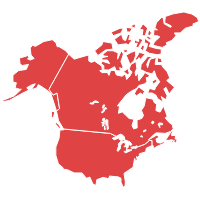
Fastest Growing/ Emerging Region: North America is emerging/expanding diagnostic market in higher-income regions, hepatitis E is an emerging diagnostic priority tied to rising recognition of autochthonous (locally acquired) infections and zoonotic transmission (genotype 3 linked to pork products). Seroprevalence studies in Europe show wide variability, anti-HEV IgG rates reported between 0.6% and 52.5% depending on country, age and assay which both reveals under-recognition and stimulates demand for harmonized, higher-quality testing. The increased reporting of sporadic autochthonous cases and food-borne/zoonotic risk factors is prompting hospitals, blood services and public-health agencies to expand HEV testing panels.
The clinical labs in these regions are moving toward automated serology and combined serology–molecular algorithms (e.g., recent commercial launches of automated anti-HEV IgM/IgG assays), and guidance from WHO/EASL is encouraging standardized testing pathways and confirmation by NAT where possible. These shifts are expanding diagnostic volumes while clarifying test-performance requirements.
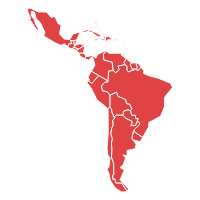
Latin America
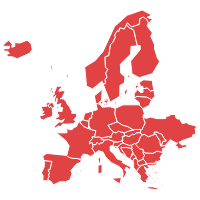
Europe
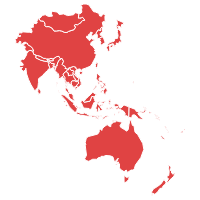
Asia Pacific
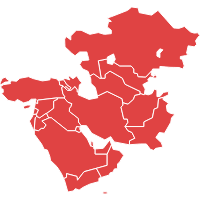
Middle East
North America
|
Report Benchmarks |
Details |
|
Report Study Period |
2026-2032 |
|
Market Size in 2025 |
US$ 86.0 million |
|
Market Size in 2032 |
US$ 117.0 million |
|
Market CAGR |
4.5% |
|
By Type |
|
|
By End Use |
|
|
By Region |
|
PBI Analysts observe that the market is advancing steadily, driven by the growing recognition of HEV as a public-health concern beyond classical endemic settings. They note that while the market remains relatively modest compared to other viral-hepatitis diagnostics, its trajectory is being shaped by rising outbreak surveillance efforts, increased traveller screening, and the expanding inclusion of HEV in infectious-disease panels. The analysts further emphasize that technology evolution, particularly greater adoption of rapid diagnostic tests (RDTs) and molecular PCR-based assays represents both an opportunity and challenge, as cost-and infrastructure demands differ significantly by region. They also highlight regional dynamics: Asia-Pacific shows strong demand due to HEV prevalence in areas with compromised sanitation and water systems, while developed markets such as Europe and North America are increasingly focusing on autochthonous and travel-related HEV cases.
Download Free Sample Report

The hepatitis E diagnostic tests market size was valued at US$ 86.0 million in 2025 and is expected to reach US$ 117.0 million by 2032, growing at a significant CAGR of 4.5% from 2026-2032.
Increasing global incidence of Hepatitis E infections and the need for rapid outbreak detection are driving the demand for accurate diagnostic tests.
Integration of molecular and serological testing platforms is enhancing diagnostic precision and accelerating disease surveillance capabilities
Market research is segmented based on product, application, end use and region.
Expanding healthcare infrastructure and government-supported viral screening programs in Asia-Pacific are fueling strong market growth for Hepatitis E diagnostic tests.
Content Updated Date: Feb 2026
| 1.Executive Summary |
| 2.Global Hepatitis E Diagnostic Tests Market Introduction |
| 2.1.Global Hepatitis E Diagnostic Tests Market - Taxonomy |
| 2.2.Global Hepatitis E Diagnostic Tests Market - Definitions |
| 2.2.1.Type |
| 2.2.2.End Use |
| 2.2.3.Region |
| 3.Global Hepatitis E Diagnostic Tests Market Dynamics |
| 3.1. Drivers |
| 3.2. Restraints |
| 3.3. Opportunities/Unmet Needs of the Market |
| 3.4. Trends |
| 3.5. Product Landscape |
| 3.6. New Product Launches |
| 3.7. Impact of COVID 19 on Market |
| 4.Global Hepatitis E Diagnostic Tests Market Analysis, 2021 - 2025 and Forecast 2026 - 2032 |
| 4.1. Market Analysis, 2021 - 2025 and Forecast 2026 - 2032, (Sales Value USD Million) |
| 4.2. Year-Over-Year (Y-o-Y) Growth Analysis (%) |
| 4.3. Market Opportunity Analysis |
| 5.Global Hepatitis E Diagnostic Tests Market By Type, 2021 - 2025 and Forecast 2026 - 2032 (Sales Value USD Million) |
| 5.1. ELISA HEV IgM Tests |
| 5.1.1. Market Analysis, 2021 - 2025 and Forecast 2026 - 2032, (Sales Value USD Million) |
| 5.1.2. Year-Over-Year (Y-o-Y) Growth Analysis (%) and Market Share Analysis (%) |
| 5.1.3. Market Opportunity Analysis |
| 5.2. ELISA HEV IgG Tests |
| 5.2.1. Market Analysis, 2021 - 2025 and Forecast 2026 - 2032, (Sales Value USD Million) |
| 5.2.2. Year-Over-Year (Y-o-Y) Growth Analysis (%) and Market Share Analysis (%) |
| 5.2.3. Market Opportunity Analysis |
| 5.3. Rapid Diagnostics Tests |
| 5.3.1. Market Analysis, 2021 - 2025 and Forecast 2026 - 2032, (Sales Value USD Million) |
| 5.3.2. Year-Over-Year (Y-o-Y) Growth Analysis (%) and Market Share Analysis (%) |
| 5.3.3. Market Opportunity Analysis |
| 5.4. Polymerase Chain Reaction (PCR) |
| 5.4.1. Market Analysis, 2021 - 2025 and Forecast 2026 - 2032, (Sales Value USD Million) |
| 5.4.2. Year-Over-Year (Y-o-Y) Growth Analysis (%) and Market Share Analysis (%) |
| 5.4.3. Market Opportunity Analysis |
| 6.Global Hepatitis E Diagnostic Tests Market By End Use, 2021 - 2025 and Forecast 2026 - 2032 (Sales Value USD Million) |
| 6.1. Hospitals |
| 6.1.1. Market Analysis, 2021 - 2025 and Forecast 2026 - 2032, (Sales Value USD Million) |
| 6.1.2. Year-Over-Year (Y-o-Y) Growth Analysis (%) and Market Share Analysis (%) |
| 6.1.3. Market Opportunity Analysis |
| 6.2. Diagnostics Laboratories |
| 6.2.1. Market Analysis, 2021 - 2025 and Forecast 2026 - 2032, (Sales Value USD Million) |
| 6.2.2. Year-Over-Year (Y-o-Y) Growth Analysis (%) and Market Share Analysis (%) |
| 6.2.3. Market Opportunity Analysis |
| 6.3. Blood Banks |
| 6.3.1. Market Analysis, 2021 - 2025 and Forecast 2026 - 2032, (Sales Value USD Million) |
| 6.3.2. Year-Over-Year (Y-o-Y) Growth Analysis (%) and Market Share Analysis (%) |
| 6.3.3. Market Opportunity Analysis |
| 6.4. Others |
| 6.4.1. Market Analysis, 2021 - 2025 and Forecast 2026 - 2032, (Sales Value USD Million) |
| 6.4.2. Year-Over-Year (Y-o-Y) Growth Analysis (%) and Market Share Analysis (%) |
| 6.4.3. Market Opportunity Analysis |
| 6.5. Mammography |
| 6.5.1. Market Analysis, 2021 - 2025 and Forecast 2026 - 2032, (Sales Value USD Million) |
| 6.5.2. Year-Over-Year (Y-o-Y) Growth Analysis (%) and Market Share Analysis (%) |
| 6.5.3. Market Opportunity Analysis |
| 7.Global Hepatitis E Diagnostic Tests Market By Region, 2021 - 2025 and Forecast 2026 - 2032 (Sales Value USD Million) |
| 7.1. North America |
| 7.1.1. Market Analysis, 2021 - 2025 and Forecast 2026 - 2032, (Sales Value USD Million) |
| 7.1.2. Year-Over-Year (Y-o-Y) Growth Analysis (%) and Market Share Analysis (%) |
| 7.1.3. Market Opportunity Analysis |
| 7.2. Europe |
| 7.2.1. Market Analysis, 2021 - 2025 and Forecast 2026 - 2032, (Sales Value USD Million) |
| 7.2.2. Year-Over-Year (Y-o-Y) Growth Analysis (%) and Market Share Analysis (%) |
| 7.2.3. Market Opportunity Analysis |
| 7.3. Asia Pacific (APAC) |
| 7.3.1. Market Analysis, 2021 - 2025 and Forecast 2026 - 2032, (Sales Value USD Million) |
| 7.3.2. Year-Over-Year (Y-o-Y) Growth Analysis (%) and Market Share Analysis (%) |
| 7.3.3. Market Opportunity Analysis |
| 7.4. Middle East and Africa (MEA) |
| 7.4.1. Market Analysis, 2021 - 2025 and Forecast 2026 - 2032, (Sales Value USD Million) |
| 7.4.2. Year-Over-Year (Y-o-Y) Growth Analysis (%) and Market Share Analysis (%) |
| 7.4.3. Market Opportunity Analysis |
| 7.5. Latin America |
| 7.5.1. Market Analysis, 2021 - 2025 and Forecast 2026 - 2032, (Sales Value USD Million) |
| 7.5.2. Year-Over-Year (Y-o-Y) Growth Analysis (%) and Market Share Analysis (%) |
| 7.5.3. Market Opportunity Analysis |
| 8.North America Hepatitis E Diagnostic Tests Market ,2021 - 2025 and Forecast 2026 - 2032 (Sales Value USD Million) |
| 8.1. Type Analysis 2021 - 2025 and Forecast 2026 - 2032 by Sales Value USD Million, Y-o-Y Growth (%), and Market Share (%) |
| 8.1.1.ELISA HEV IgM Tests |
| 8.1.2.ELISA HEV IgG Tests |
| 8.1.3.Rapid Diagnostics Tests |
| 8.1.4.Polymerase Chain Reaction (PCR) |
| 8.2. End Use Analysis 2021 - 2025 and Forecast 2026 - 2032 by Sales Value USD Million, Y-o-Y Growth (%), and Market Share (%) |
| 8.2.1.Hospitals |
| 8.2.2.Diagnostics Laboratories |
| 8.2.3.Blood Banks |
| 8.2.4.Others |
| 8.2.5.Mammography |
| 8.3. Country Analysis 2021 - 2025 and Forecast 2026 - 2032 by Sales Value USD Million, Y-o-Y Growth (%), and Market Share (%) |
| 8.3.1.United States of America (USA) |
| 8.3.2.Canada |
| 9.Europe Hepatitis E Diagnostic Tests Market ,2021 - 2025 and Forecast 2026 - 2032 (Sales Value USD Million) |
| 9.1. Type Analysis and Forecast by Sales Value USD Million, Y-o-Y Growth (%), and Market Share (%) |
| 9.1.1.ELISA HEV IgM Tests |
| 9.1.2.ELISA HEV IgG Tests |
| 9.1.3.Rapid Diagnostics Tests |
| 9.1.4.Polymerase Chain Reaction (PCR) |
| 9.2. End Use Analysis 2021 - 2025 and Forecast 2026 - 2032 by Sales Value USD Million, Y-o-Y Growth (%), and Market Share (%) |
| 9.2.1.Hospitals |
| 9.2.2.Diagnostics Laboratories |
| 9.2.3.Blood Banks |
| 9.2.4.Others |
| 9.2.5.Mammography |
| 9.3. Country Analysis 2021 - 2025 and Forecast 2026 - 2032 by Sales Value USD Million, Y-o-Y Growth (%), and Market Share (%) |
| 9.3.1.Germany |
| 9.3.2.France |
| 9.3.3.Italy |
| 9.3.4.United Kingdom (UK) |
| 9.3.5.Spain |
| 10.Asia Pacific (APAC) Hepatitis E Diagnostic Tests Market ,2021 - 2025 and Forecast 2026 - 2032 (Sales Value USD Million) |
| 10.1. Type Analysis and Forecast by Sales Value USD Million, Y-o-Y Growth (%), and Market Share (%) |
| 10.1.1.ELISA HEV IgM Tests |
| 10.1.2.ELISA HEV IgG Tests |
| 10.1.3.Rapid Diagnostics Tests |
| 10.1.4.Polymerase Chain Reaction (PCR) |
| 10.2. End Use Analysis 2021 - 2025 and Forecast 2026 - 2032 by Sales Value USD Million, Y-o-Y Growth (%), and Market Share (%) |
| 10.2.1.Hospitals |
| 10.2.2.Diagnostics Laboratories |
| 10.2.3.Blood Banks |
| 10.2.4.Others |
| 10.2.5.Mammography |
| 10.3. Country Analysis 2021 - 2025 and Forecast 2026 - 2032 by Sales Value USD Million, Y-o-Y Growth (%), and Market Share (%) |
| 10.3.1.China |
| 10.3.2.India |
| 10.3.3.Australia and New Zealand (ANZ) |
| 10.3.4.Japan |
| 10.3.5.Rest of APAC |
| 11.Middle East and Africa (MEA) Hepatitis E Diagnostic Tests Market ,2021 - 2025 and Forecast 2026 - 2032 (Sales Value USD Million) |
| 11.1. Type Analysis and Forecast by Sales Value USD Million, Y-o-Y Growth (%), and Market Share (%) |
| 11.1.1.ELISA HEV IgM Tests |
| 11.1.2.ELISA HEV IgG Tests |
| 11.1.3.Rapid Diagnostics Tests |
| 11.1.4.Polymerase Chain Reaction (PCR) |
| 11.2. End Use Analysis 2021 - 2025 and Forecast 2026 - 2032 by Sales Value USD Million, Y-o-Y Growth (%), and Market Share (%) |
| 11.2.1.Hospitals |
| 11.2.2.Diagnostics Laboratories |
| 11.2.3.Blood Banks |
| 11.2.4.Others |
| 11.2.5.Mammography |
| 11.3. Country Analysis 2021 - 2025 and Forecast 2026 - 2032 by Sales Value USD Million, Y-o-Y Growth (%), and Market Share (%) |
| 11.3.1.GCC Countries |
| 11.3.2.South Africa |
| 11.3.3.Rest of MEA |
| 12.Latin America Hepatitis E Diagnostic Tests Market ,2021 - 2025 and Forecast 2026 - 2032 (Sales Value USD Million) |
| 12.1. Type Analysis and Forecast by Sales Value USD Million, Y-o-Y Growth (%), and Market Share (%) |
| 12.1.1.ELISA HEV IgM Tests |
| 12.1.2.ELISA HEV IgG Tests |
| 12.1.3.Rapid Diagnostics Tests |
| 12.1.4.Polymerase Chain Reaction (PCR) |
| 12.2. End Use Analysis 2021 - 2025 and Forecast 2026 - 2032 by Sales Value USD Million, Y-o-Y Growth (%), and Market Share (%) |
| 12.2.1.Hospitals |
| 12.2.2.Diagnostics Laboratories |
| 12.2.3.Blood Banks |
| 12.2.4.Others |
| 12.2.5.Mammography |
| 12.3. Country Analysis 2021 - 2025 and Forecast 2026 - 2032 by Sales Value USD Million, Y-o-Y Growth (%), and Market Share (%) |
| 12.3.1.Brazil |
| 12.3.2.Mexico |
| 12.3.3.Rest of LA |
| 13. Competition Landscape |
| 13.1. Market Player Profiles (Introduction, Brand/Product Sales, Financial Analysis, Product Offerings, Key Developments, Collaborations, M & A, Strategies, and SWOT Analysis) |
| 13.2.1.Abbott Laboratories |
| 13.2.2.F. Hoffmann-La Roche Ltd |
| 13.2.3.Siemens Healthineers AG |
| 13.2.4.Bio-Rad Laboratories |
| 13.2.5.Thermo Fisher Scientific, Inc. |
| 13.2.6.DiaSorin |
| 13.2.7.PerkinElmer, Inc. |
| 13.2.8.bioMérieux SA |
| 13.2.9.Altona Diagnostics GmbH |
| 13.2.10.Mikrogen GmbH |
| 14. Research Methodology |
| 15. Appendix and Abbreviations |
Key Market Players
Author
Muni Kumar Meravath is a seasoned Healthcare Market Research Analyst with over 6 years of experience in the healthcare domain, encompassing pharmaceuticals, medical devices, and diagnostics. A graduate in Pharmacy, he possesses a strong foundation in the intricacies of the healthcare sector. He further enhanced his expertise by pursuing an MBA in Pharmaceuticals, equipping him with valuable business acumen. His analytical skills and market insights have contributed to strategic decision-making and enhanced market positioning for various healthcare organizations. Committed to driving innovation and excellence, Muni continues to seek opportunities to improve healthcare delivery through data-driven insights.