
 Download Sample




Author
Muni Kumar Meravath is a seasoned Healthcare Market Research Analyst with over 6 years of experience in the healthc.....
Near-infrared Imaging Market: By Product, By Application, By End User and Region Forecast 2021-2032
Report ID:665091
Published Date:Dec 2025
No of Pages:225
Format:

Near-infrared Imaging Market size was valued at US$ 2,589.9 million in 2025 and is expected to reach US$ 5,111.6 million by 2032, growing at a significant CAGR of 10.2% from 2026-2032. The near-infrared (NIR) imaging market refers to the industry focused on imaging technologies that operate within the 700–2500 nm wavelength range, enabling visualization beyond the capabilities of the visible spectrum. It encompasses hardware such as cameras, sensors, and illumination systems, along with associated software used for applications in medical diagnostics, industrial inspection, agriculture, security, and scientific research.
The market is witnessing strong growth driven by rising demand for advanced imaging techniques in healthcare particularly for cancer detection, surgical guidance, and tissue analysis along with expanding use in industrial automation and quality control. Technological advancements in indium gallium arsenide (InGaAs) sensors, growing adoption of machine vision, and increased investment in non-invasive diagnostic tools are further accelerating market expansion. Additionally, the market benefits from broader penetration in food inspection, pharmaceuticals, and environmental monitoring, positioning NIR imaging as a critical component in next-generation optical sensing solutions.
Based on the product
Based on product segmentation, devices are anticipated to be the leading driver in the Near-Infrared Imaging Market. The robust adoption of NIR imaging devices across hospitals, surgical centers, and research laboratories is fueling this growth. Devices offer real-time, high-resolution imaging capabilities that enhance surgical precision, particularly in oncology and cardiovascular procedures. Increasing demand for minimally invasive surgeries, coupled with advancements in imaging technology, is further propelling the uptake of devices. Moreover, rising investments in healthcare infrastructure globally and the need for improved diagnostic and surgical outcomes position devices as the dominant product segment, expected to maintain strong growth throughout the forecast period.
Based on the application
Based on application, cancer surgeries are anticipated to be the leading driver in the Near-Infrared Imaging Market. The growing prevalence of cancer worldwide has significantly increased the demand for precise and real-time imaging solutions during surgical procedures. NIR imaging enables surgeons to visualize tumors and surrounding tissues more accurately, minimizing complications and improving patient outcomes. Advances in fluorescence-guided surgery and the integration of NIR imaging with minimally invasive techniques are further boosting adoption in oncology. As hospitals and specialty clinics increasingly prioritize enhanced surgical precision, cancer surgeries are expected to remain the dominant application segment, driving substantial market growth over the forecast period.
Based on the end user
Based on end users, hospitals and clinics are anticipated to be the leading segment in the Near-Infrared Imaging Market. The increasing adoption of advanced imaging technologies for diagnostic and surgical purposes is driving demand within these healthcare facilities. Hospitals and clinics leverage NIR imaging to enhance surgical precision, particularly in oncology, cardiovascular, and reconstructive procedures, improving patient outcomes and reducing procedural risks. Rising investments in healthcare infrastructure, growing patient awareness, and the shift toward minimally invasive surgeries further support this trend. As a result, hospitals and clinics are expected to remain the dominant end-user segment, significantly contributing to market growth throughout the forecast period.
Study Period
2026-2032Base Year
2024CAGR
10.2%Largest Market
North AmericaFastest Growing Market
Asia Pacific
The near-infrared imaging market is significantly driven by its expanding adoption in healthcare applications, particularly in diagnostics and surgical procedures. NIR imaging enables non-invasive visualization of tissues, blood vessels, and tumors, making it a valuable tool for early detection and treatment monitoring of diseases such as cancer and cardiovascular disorders. Medical professionals increasingly prefer NIR imaging over traditional imaging techniques due to its ability to provide real-time, high-resolution images without exposing patients to harmful radiation. Additionally, the integration of NIR imaging with other modalities, such as fluorescence imaging and optical coherence tomography, enhances diagnostic accuracy and surgical precision. Hospitals, research institutions, and diagnostic laboratories are investing heavily in advanced NIR imaging systems to improve patient outcomes, streamline clinical workflows, and reduce the likelihood of invasive procedures. This growing demand in healthcare continues to fuel overall market expansion.
A major restraint limiting the growth of the near-infrared imaging market is the high cost associated with acquiring and maintaining advanced NIR imaging equipment. High-performance cameras, InGaAs sensors, specialized illumination sources, and accompanying software contribute to substantial initial investments, which may be prohibitive for small and medium-sized healthcare facilities, research labs, or industrial users. Moreover, the need for periodic calibration, maintenance, and technical expertise adds to operational expenses, discouraging widespread adoption. In addition, the integration of NIR imaging systems into existing infrastructure often requires specialized training and workflow adjustments, further increasing the total cost of ownership. This financial barrier restricts market penetration in price-sensitive regions and limits the use of cutting-edge systems in smaller organizations. As a result, despite the proven benefits of NIR imaging, the high cost remains a key challenge, slowing market adoption and hindering growth in certain segments.
The near-infrared imaging market presents significant growth opportunities in agriculture and food safety applications. NIR imaging can non-destructively analyze the composition, quality, and safety of agricultural products, including fruits, grains, and vegetables. By detecting moisture content, sugar levels, protein concentration, and contaminants, NIR imaging helps ensure product quality and compliance with safety standards. The adoption of precision agriculture practices is driving farmers and agritech companies to utilize NIR technologies for crop monitoring, yield prediction, and post-harvest quality assessment. Furthermore, food processing industries are increasingly using NIR imaging to automate quality control, reduce waste, and improve operational efficiency. As global demand for safe, high-quality food rises, particularly in emerging economies, the integration of NIR imaging systems into agriculture and food production presents a substantial growth avenue for market players. The untapped potential in these sectors indicates a promising trajectory for future market expansion.
A notable trend shaping the near-infrared imaging market is the integration of artificial intelligence (AI) and machine learning (ML) technologies with NIR systems. By combining NIR imaging with AI algorithms, users can achieve real-time image analysis, automated defect detection, and predictive insights, significantly enhancing the utility and accuracy of imaging applications. In healthcare, AI-enabled NIR imaging assists in identifying subtle tissue anomalies, quantifying biomarkers, and supporting diagnostic decisions with higher precision. In industrial and agricultural sectors, machine learning models can analyze large datasets generated by NIR sensors to detect inconsistencies, optimize production processes, and forecast product quality. This convergence of AI and NIR imaging not only improves operational efficiency but also reduces human error and interpretation time. As AI continues to advance and computational costs decrease, the adoption of AI-powered NIR imaging systems is becoming increasingly prevalent, positioning this trend as a key driver of market evolution.
Largest Share of the Region:
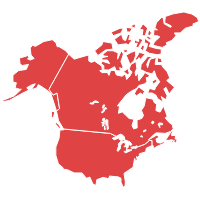
North America is anticipated to remain the largest market for near-infrared imaging due to its well-established healthcare infrastructure, high adoption of advanced medical technologies, and strong presence of key market players. The region benefits from increasing investments in hospitals, diagnostic centers, and research facilities, which drive the demand for high-precision imaging systems. Additionally, growing prevalence of chronic diseases, rising geriatric population, and strong reimbursement policies for advanced imaging procedures further support market growth. Technological advancements, such as the integration of NIR imaging with other diagnostic modalities and AI-driven analytics, also reinforce North America’s leadership position, enabling the region to maintain a dominant market share over the forecast period.
Fastest Growing/ Emerging Region:
The Asia-Pacific region is emerging as a high-growth market for near-infrared imaging due to rapid improvements in healthcare infrastructure, expanding industrial applications, and increasing awareness of non-invasive imaging technologies. Countries in this region are witnessing rising investments in hospitals, research labs, and precision agriculture, which are driving the adoption of NIR imaging systems. Additionally, local manufacturing of imaging equipment, cost-effective solutions, and growing demand for quality control in food, agriculture, and industrial sectors contribute to market expansion. Combined with rising healthcare expenditure and increasing adoption of minimally invasive diagnostics, Asia-Pacific is positioned to be the fastest-growing and most dynamic emerging market in the near-infrared imaging landscape.
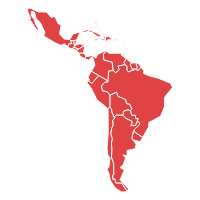
Latin America
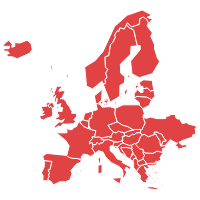
Europe
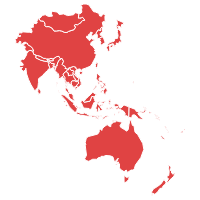
Asia Pacific
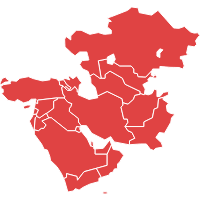
Middle East
North America
|
Report Benchmarks |
Details |
|
Report Study Period |
2026-2032 |
|
Market Size in 2025 |
US$ 2,589.9 million |
|
Market Size in 2032 |
US$ 5,111.6 million |
|
Market CAGR |
10.2% |
|
By Product |
|
|
By Application |
|
|
By End User |
|
|
By Region |
|
PBI Analysts anticipate that the Near-Infrared Imaging Market is witnessing significant growth driven by the increasing demand for advanced imaging technologies in healthcare and research. NIR imaging enables real-time, high-resolution visualization, enhancing diagnostic accuracy and surgical precision, particularly in oncology, cardiovascular, and reconstructive procedures. Rising adoption in hospitals, clinics, and research laboratories, coupled with advancements in minimally invasive surgical techniques, is fueling market expansion. Additionally, growing investments in healthcare infrastructure and increasing prevalence of chronic diseases are further supporting demand. With continuous technological innovations and expanding clinical applications, the market is poised for steady growth throughout the forecast period, establishing NIR imaging as a critical tool in modern healthcare.
Download Free Sample Report

Near-infrared imaging market size was valued at US$ 2,350.2 million in 2024 and is projected to reach US$ 4,638.5 million by 2031 at a CAGR of 10.2%.
The drivers of the market are rising adoption of medical diagnostics and surgery and growing prevalence of chronic diseases.
Devices are the leading segment, driven by their real-time imaging capabilities and growing adoption in hospitals and surgical centers for precision diagnostics and minimally invasive procedures.
Hospitals and clinics are the primary end users, followed by research laboratories and pharmaceutical/biotechnology companies, due to their focus on advanced diagnostics and surgical applications.
Content Updated Date: Feb 2026
| 1. Executive Summary |
| 2. Global Near-infrared Imaging Market Introduction |
| 2.1.Global Near-infrared Imaging Market - Taxonomy |
| 2.2.Global Near-infrared Imaging Market - Definitions |
| 2.2.1.Product Type |
| 2.2.2.Application |
| 2.2.3.End User |
| 2.2.4.Region |
| 3. Global Near-infrared Imaging Market Dynamics |
| 3.1. Drivers |
| 3.2. Restraints |
| 3.3. Opportunities/Unmet Needs of the Market |
| 3.4. Trends |
| 3.5. Product Landscape |
| 3.6. New Product Launches |
| 3.7. Impact of COVID 19 on Market |
| 4. Global Near-infrared Imaging Market Analysis, 2020 - 2024 and Forecast 2025 - 2031 |
| 4.1. Market Analysis, 2020 - 2024 and Forecast, 2025 - 2031, (Sales Value USD Million) |
| 4.2. Year-Over-Year (Y-o-Y) Growth Analysis (%) |
| 4.3. Market Opportunity Analysis |
| 5. Global Near-infrared Imaging Market By Product Type, 2020 - 2024 and Forecast 2025 - 2031 (Sales Value USD Million) |
| 5.1. Devices |
| 5.1.1. Market Analysis, 2020 - 2024 and Forecast, 2025 - 2031, (Sales Value USD Million) |
| 5.1.2. Year-Over-Year (Y-o-Y) Growth Analysis (%) and Market Share Analysis (%) |
| 5.1.3. Market Opportunity Analysis |
| 5.2. Reagents |
| 5.2.1. Market Analysis, 2020 - 2024 and Forecast, 2025 - 2031, (Sales Value USD Million) |
| 5.2.2. Year-Over-Year (Y-o-Y) Growth Analysis (%) and Market Share Analysis (%) |
| 5.2.3. Market Opportunity Analysis |
| 6. Global Near-infrared Imaging Market By Application, 2020 - 2024 and Forecast 2025 - 2031 (Sales Value USD Million) |
| 6.1. Preclinical Imaging |
| 6.1.1. Market Analysis, 2020 - 2024 and Forecast, 2025 - 2031, (Sales Value USD Million) |
| 6.1.2. Year-Over-Year (Y-o-Y) Growth Analysis (%) and Market Share Analysis (%) |
| 6.1.3. Market Opportunity Analysis |
| 6.2. Cancer Surgeries |
| 6.2.1. Market Analysis, 2020 - 2024 and Forecast, 2025 - 2031, (Sales Value USD Million) |
| 6.2.2. Year-Over-Year (Y-o-Y) Growth Analysis (%) and Market Share Analysis (%) |
| 6.2.3. Market Opportunity Analysis |
| 6.3. Gastrointestinal Surgeries |
| 6.3.1. Market Analysis, 2020 - 2024 and Forecast, 2025 - 2031, (Sales Value USD Million) |
| 6.3.2. Year-Over-Year (Y-o-Y) Growth Analysis (%) and Market Share Analysis (%) |
| 6.3.3. Market Opportunity Analysis |
| 6.4. Cardiovascular Surgeries |
| 6.4.1. Market Analysis, 2020 - 2024 and Forecast, 2025 - 2031, (Sales Value USD Million) |
| 6.4.2. Year-Over-Year (Y-o-Y) Growth Analysis (%) and Market Share Analysis (%) |
| 6.4.3. Market Opportunity Analysis |
| 6.5. Plastic/Reconstructive Surgeries |
| 6.5.1. Market Analysis, 2020 - 2024 and Forecast, 2025 - 2031, (Sales Value USD Million) |
| 6.5.2. Year-Over-Year (Y-o-Y) Growth Analysis (%) and Market Share Analysis (%) |
| 6.5.3. Market Opportunity Analysis |
| 6.6. Obstetrics & Gynecology Surgeries |
| 6.6.1. Market Analysis, 2020 - 2024 and Forecast, 2025 - 2031, (Sales Value USD Million) |
| 6.6.2. Year-Over-Year (Y-o-Y) Growth Analysis (%) and Market Share Analysis (%) |
| 6.6.3. Market Opportunity Analysis |
| 6.7. Others |
| 6.7.1. Market Analysis, 2020 - 2024 and Forecast, 2025 - 2031, (Sales Value USD Million) |
| 6.7.2. Year-Over-Year (Y-o-Y) Growth Analysis (%) and Market Share Analysis (%) |
| 6.7.3. Market Opportunity Analysis |
| 7. Global Near-infrared Imaging Market By End User, 2020 - 2024 and Forecast 2025 - 2031 (Sales Value USD Million) |
| 7.1. Hospitals & Clinics |
| 7.1.1. Market Analysis, 2020 - 2024 and Forecast, 2025 - 2031, (Sales Value USD Million) |
| 7.1.2. Year-Over-Year (Y-o-Y) Growth Analysis (%) and Market Share Analysis (%) |
| 7.1.3. Market Opportunity Analysis |
| 7.2. Pharmaceutical & Biotechnology Companies |
| 7.2.1. Market Analysis, 2020 - 2024 and Forecast, 2025 - 2031, (Sales Value USD Million) |
| 7.2.2. Year-Over-Year (Y-o-Y) Growth Analysis (%) and Market Share Analysis (%) |
| 7.2.3. Market Opportunity Analysis |
| 7.3. Research Laboratories |
| 7.3.1. Market Analysis, 2020 - 2024 and Forecast, 2025 - 2031, (Sales Value USD Million) |
| 7.3.2. Year-Over-Year (Y-o-Y) Growth Analysis (%) and Market Share Analysis (%) |
| 7.3.3. Market Opportunity Analysis |
| 7.4. Others |
| 7.4.1. Market Analysis, 2020 - 2024 and Forecast, 2025 - 2031, (Sales Value USD Million) |
| 7.4.2. Year-Over-Year (Y-o-Y) Growth Analysis (%) and Market Share Analysis (%) |
| 7.4.3. Market Opportunity Analysis |
| 8. Global Near-infrared Imaging Market By Region, 2020 - 2024 and Forecast 2025 - 2031 (Sales Value USD Million) |
| 8.1. North America |
| 8.1.1. Market Analysis, 2020 - 2024 and Forecast, 2025 - 2031, (Sales Value USD Million) |
| 8.1.2. Year-Over-Year (Y-o-Y) Growth Analysis (%) and Market Share Analysis (%) |
| 8.1.3. Market Opportunity Analysis |
| 8.2. Europe |
| 8.2.1. Market Analysis, 2020 - 2024 and Forecast, 2025 - 2031, (Sales Value USD Million) |
| 8.2.2. Year-Over-Year (Y-o-Y) Growth Analysis (%) and Market Share Analysis (%) |
| 8.2.3. Market Opportunity Analysis |
| 8.3. Asia Pacific (APAC) |
| 8.3.1. Market Analysis, 2020 - 2024 and Forecast, 2025 - 2031, (Sales Value USD Million) |
| 8.3.2. Year-Over-Year (Y-o-Y) Growth Analysis (%) and Market Share Analysis (%) |
| 8.3.3. Market Opportunity Analysis |
| 8.4. Middle East and Africa (MEA) |
| 8.4.1. Market Analysis, 2020 - 2024 and Forecast, 2025 - 2031, (Sales Value USD Million) |
| 8.4.2. Year-Over-Year (Y-o-Y) Growth Analysis (%) and Market Share Analysis (%) |
| 8.4.3. Market Opportunity Analysis |
| 8.5. Latin America |
| 8.5.1. Market Analysis, 2020 - 2024 and Forecast, 2025 - 2031, (Sales Value USD Million) |
| 8.5.2. Year-Over-Year (Y-o-Y) Growth Analysis (%) and Market Share Analysis (%) |
| 8.5.3. Market Opportunity Analysis |
| 9. North America Near-infrared Imaging Market ,2020 - 2024 and Forecast 2025 - 2031 (Sales Value USD Million) |
| 9.1. Product Type Analysis 2020 - 2024 and Forecast 2025 - 2031 by Sales Value USD Million, Y-o-Y Growth (%), and Market Share (%) |
| 9.1.1.Devices |
| 9.1.2.Reagents |
| 9.2. Application Analysis 2020 - 2024 and Forecast 2025 - 2031 by Sales Value USD Million, Y-o-Y Growth (%), and Market Share (%) |
| 9.2.1.Preclinical Imaging |
| 9.2.2.Cancer Surgeries |
| 9.2.3.Gastrointestinal Surgeries |
| 9.2.4.Cardiovascular Surgeries |
| 9.2.5.Plastic/Reconstructive Surgeries |
| 9.2.6.Obstetrics & Gynecology Surgeries |
| 9.2.7.Others |
| 9.3. End User Analysis 2020 - 2024 and Forecast 2025 - 2031 by Sales Value USD Million, Y-o-Y Growth (%), and Market Share (%) |
| 9.3.1.Hospitals & Clinics |
| 9.3.2.Pharmaceutical & Biotechnology Companies |
| 9.3.3.Research Laboratories |
| 9.3.4.Others |
| 9.4. Country Analysis 2020 - 2024 and Forecast 2025 - 2031 by Sales Value USD Million, Y-o-Y Growth (%), and Market Share (%) |
| 9.4.1.United States of America (USA) |
| 9.4.2.Canada |
| 10. Europe Near-infrared Imaging Market ,2020 - 2024 and Forecast 2025 - 2031 (Sales Value USD Million) |
| 10.1. Product Type Analysis and Forecast by Sales Value USD Million, Y-o-Y Growth (%), and Market Share (%) |
| 10.1.1.Devices |
| 10.1.2.Reagents |
| 10.2. Application Analysis 2020 - 2024 and Forecast 2025 - 2031 by Sales Value USD Million, Y-o-Y Growth (%), and Market Share (%) |
| 10.2.1.Preclinical Imaging |
| 10.2.2.Cancer Surgeries |
| 10.2.3.Gastrointestinal Surgeries |
| 10.2.4.Cardiovascular Surgeries |
| 10.2.5.Plastic/Reconstructive Surgeries |
| 10.2.6.Obstetrics & Gynecology Surgeries |
| 10.2.7.Others |
| 10.3. End User Analysis 2020 - 2024 and Forecast 2025 - 2031 by Sales Value USD Million, Y-o-Y Growth (%), and Market Share (%) |
| 10.3.1.Hospitals & Clinics |
| 10.3.2.Pharmaceutical & Biotechnology Companies |
| 10.3.3.Research Laboratories |
| 10.3.4.Others |
| 10.4. Country Analysis 2020 - 2024 and Forecast 2025 - 2031 by Sales Value USD Million, Y-o-Y Growth (%), and Market Share (%) |
| 10.4.1.Germany |
| 10.4.2.France |
| 10.4.3.Italy |
| 10.4.4.United Kingdom (UK) |
| 10.4.5.Spain |
| 11. Asia Pacific (APAC) Near-infrared Imaging Market ,2020 - 2024 and Forecast 2025 - 2031 (Sales Value USD Million) |
| 11.1. Product Type Analysis and Forecast by Sales Value USD Million, Y-o-Y Growth (%), and Market Share (%) |
| 11.1.1.Devices |
| 11.1.2.Reagents |
| 11.2. Application Analysis 2020 - 2024 and Forecast 2025 - 2031 by Sales Value USD Million, Y-o-Y Growth (%), and Market Share (%) |
| 11.2.1.Preclinical Imaging |
| 11.2.2.Cancer Surgeries |
| 11.2.3.Gastrointestinal Surgeries |
| 11.2.4.Cardiovascular Surgeries |
| 11.2.5.Plastic/Reconstructive Surgeries |
| 11.2.6.Obstetrics & Gynecology Surgeries |
| 11.2.7.Others |
| 11.3. End User Analysis 2020 - 2024 and Forecast 2025 - 2031 by Sales Value USD Million, Y-o-Y Growth (%), and Market Share (%) |
| 11.3.1.Hospitals & Clinics |
| 11.3.2.Pharmaceutical & Biotechnology Companies |
| 11.3.3.Research Laboratories |
| 11.3.4.Others |
| 11.4. Country Analysis 2020 - 2024 and Forecast 2025 - 2031 by Sales Value USD Million, Y-o-Y Growth (%), and Market Share (%) |
| 11.4.1.China |
| 11.4.2.India |
| 11.4.3.Australia and New Zealand (ANZ) |
| 11.4.4.Japan |
| 11.4.5.Rest of APAC |
| 12. Middle East and Africa (MEA) Near-infrared Imaging Market ,2020 - 2024 and Forecast 2025 - 2031 (Sales Value USD Million) |
| 12.1. Product Type Analysis and Forecast by Sales Value USD Million, Y-o-Y Growth (%), and Market Share (%) |
| 12.1.1.Devices |
| 12.1.2.Reagents |
| 12.2. Application Analysis 2020 - 2024 and Forecast 2025 - 2031 by Sales Value USD Million, Y-o-Y Growth (%), and Market Share (%) |
| 12.2.1.Preclinical Imaging |
| 12.2.2.Cancer Surgeries |
| 12.2.3.Gastrointestinal Surgeries |
| 12.2.4.Cardiovascular Surgeries |
| 12.2.5.Plastic/Reconstructive Surgeries |
| 12.2.6.Obstetrics & Gynecology Surgeries |
| 12.2.7.Others |
| 12.3. End User Analysis 2020 - 2024 and Forecast 2025 - 2031 by Sales Value USD Million, Y-o-Y Growth (%), and Market Share (%) |
| 12.3.1.Hospitals & Clinics |
| 12.3.2.Pharmaceutical & Biotechnology Companies |
| 12.3.3.Research Laboratories |
| 12.3.4.Others |
| 12.4. Country Analysis 2020 - 2024 and Forecast 2025 - 2031 by Sales Value USD Million, Y-o-Y Growth (%), and Market Share (%) |
| 12.4.1.GCC Countries |
| 12.4.2.South Africa |
| 12.4.3.Rest of MEA |
| 13. Latin America Near-infrared Imaging Market ,2020 - 2024 and Forecast 2025 - 2031 (Sales Value USD Million) |
| 13.1. Product Type Analysis and Forecast by Sales Value USD Million, Y-o-Y Growth (%), and Market Share (%) |
| 13.1.1.Devices |
| 13.1.2.Reagents |
| 13.2. Application Analysis 2020 - 2024 and Forecast 2025 - 2031 by Sales Value USD Million, Y-o-Y Growth (%), and Market Share (%) |
| 13.2.1.Preclinical Imaging |
| 13.2.2.Cancer Surgeries |
| 13.2.3.Gastrointestinal Surgeries |
| 13.2.4.Cardiovascular Surgeries |
| 13.2.5.Plastic/Reconstructive Surgeries |
| 13.2.6.Obstetrics & Gynecology Surgeries |
| 13.2.7.Others |
| 13.3. End User Analysis 2020 - 2024 and Forecast 2025 - 2031 by Sales Value USD Million, Y-o-Y Growth (%), and Market Share (%) |
| 13.3.1.Hospitals & Clinics |
| 13.3.2.Pharmaceutical & Biotechnology Companies |
| 13.3.3.Research Laboratories |
| 13.3.4.Others |
| 13.4. Country Analysis 2020 - 2024 and Forecast 2025 - 2031 by Sales Value USD Million, Y-o-Y Growth (%), and Market Share (%) |
| 13.4.1.Brazil |
| 13.4.2.Mexico |
| 13.4.3.Rest of LA |
| 14. Competition Landscape |
| 14.1. Market Player Profiles (Introduction, Brand/Product Sales, Financial Analysis, Product Offerings, Key Developments, Collaborations, M & A, Strategies, and SWOT Analysis) |
| 14.2.1.Stryker |
| 14.2.2.Olympus Corporation |
| 14.2.3.Karl Storz SE & Co. KG |
| 14.2.4.Hamamatsu Photonics K.K |
| 14.2.5.PerkinElmer, Inc |
| 14.2.6.Shimadzu Corporation |
| 14.2.7.Leica Microsystems |
| 14.2.8.Mizuho Medical Co., Ltd |
| 14.2.9.Medtronic |
| 14.2.10.Quest Medical Imaging B.V |
| 15. Research Methodology |
| 16. Appendix and Abbreviations |
Key Market Players
Author
Muni Kumar Meravath is a seasoned Healthcare Market Research Analyst with over 6 years of experience in the healthcare domain, encompassing pharmaceuticals, medical devices, and diagnostics. A graduate in Pharmacy, he possesses a strong foundation in the intricacies of the healthcare sector. He further enhanced his expertise by pursuing an MBA in Pharmaceuticals, equipping him with valuable business acumen. His analytical skills and market insights have contributed to strategic decision-making and enhanced market positioning for various healthcare organizations. Committed to driving innovation and excellence, Muni continues to seek opportunities to improve healthcare delivery through data-driven insights.