
 Download Sample




Author
Muni Kumar Meravath is a seasoned Healthcare Market Research Analyst with over 6 years of experience in the healthc.....
Percutaneous Transluminal Angioplasty Balloons Market: By Product Type, and Cylindrical Balloons), By Material, Polyurethane, Nylon, and Others), By Application, Renal Artery Angioplasty, Visceral Artery Stenosis, Venous Angioplasty, AV Fistula & Grafts, and Others), By End User, Catheterization Laboratories, and Specialty Clinics), and Region Forecast 2021-2032
Report ID:20905
Published Date:Oct 2025
No of Pages:215
Format:

Percutaneous Transluminal Angioplasty (PTA) Balloons Market size was valued at US$ 3,308.4 million in 2025 and is expected to reach US$ 5,818.6 million by 2032, growing at a significant CAGR of 8.4% from 2026-2032. Moreover, in the USA, the market is expected to grow at a CAGR of 8.8% from 2025-2031.
Percutaneous Transluminal Angioplasty (PTA) balloons are specialized catheter-based devices used to dilate stenosed or occluded blood vessels through balloon inflation, compressing atherosclerotic plaque against the vessel wall and restoring blood flow. Widely applied in peripheral artery disease (PAD), renal and visceral artery stenosis, and arteriovenous fistula maintenance, PTA balloons offer a minimally invasive alternative to open surgery. They vary by compliance, pressure tolerance, and design, including non-compliant high-pressure balloons for resistant lesions, scoring and cutting balloons for controlled plaque modification, and drug-coated balloons (DCBs) delivering antiproliferative agents to reduce restenosis. Balloon materials such as PET, Nylon, and Polyurethane influence flexibility, expansion control, and suitability for arteries or veins. Advantages include short recovery, repeatability, and compatibility with stents. However, the market faces several challenges, including elastic recoil of the vessel after deflation, risk of vessel dissection, restenosis due to neointimal hyperplasia, limited efficacy in heavily calcified lesions, and the need for careful procedural planning to avoid complications.
Based on the Product Type
Drug-Coated Balloons (DCB) are a dominating segment in the market. They combine mechanical dilation with localized drug delivery, releasing antiproliferative agents to the vessel wall, significantly reducing restenosis rates without leaving a permanent implant. Their efficacy in both coronary and peripheral interventions drives strong clinical adoption globally.
Based on the Material
Polyethylene Terephthalate (PET) is the dominating material segment in PTA balloons due to its high tensile strength, excellent dimensional stability, and resistance to deformation. These properties ensure precise and controlled expansion, making PET balloons ideal for a wide range of vascular interventions, including peripheral and coronary angioplasty procedures.
Based on the Application
The Peripheral Artery Disease (PAD) segment dominates the market, as it affects millions globally, particularly older adults. PTA balloons are widely used to dilate narrowed peripheral arteries, improve blood flow, and alleviate symptoms like claudication. Minimally invasive procedures and growing PAD prevalence drive strong demand in this segment.
Based on the End User
The Hospitals segment dominates the market due to its advanced infrastructure, availability of trained interventional cardiologists, and high patient volumes. Hospitals offer comprehensive facilities for complex vascular procedures, including peripheral and coronary angioplasty, making them the preferred choice for PTA balloon interventions.
Study Period
2026-2032Base Year
2025CAGR
8.4%Largest Market
North-AmericaFastest Growing Market
Asia Pacific
The Percutaneous Transluminal Angioplasty (PTA) balloons market is driven by several important factors. Percutaneous Transluminal Angioplasty (PTA) balloons are pivotal in treating peripheral artery disease (PAD), a condition affecting over 200 million individuals worldwide, with a notable prevalence of 14.91% in those aged 80–84 years. These minimally invasive devices enable the dilation of narrowed arteries, restoring blood flow and alleviating symptoms like claudication. The growing preference for minimally invasive procedures is evident, as they offer shorter recovery times, reduced hospital stays, and lower complication rates compared to traditional surgeries. Advancements in PTA balloon technology have led to the development of drug-coated balloons (DCBs), which deliver antiproliferative agents directly to the vessel wall, significantly reducing the risk of restenosis. In addition, scoring and cutting balloons have been introduced to address calcified or resistant lesions, enhancing procedural success. The increasing global burden of PAD, coupled with technological innovations and a shift towards less invasive treatments, underscores the growing importance and adoption of PTA balloons in vascular interventions.
Despite their widespread adoption, Percutaneous Transluminal Angioplasty (PTA) balloons face several challenges that can limit their effectiveness and market growth. One of the primary concerns is the risk of restenosis, where the artery may re-narrow due to elastic recoil or neointimal hyperplasia, often necessitating repeat procedures or stent placement. Balloon inflation can also cause vessel dissections or tears, particularly in fragile or heavily diseased arteries, requiring emergency interventions. PTA balloons have limited efficacy in heavily calcified lesions, where standard balloons may fail to achieve adequate lumen expansion, often requiring adjunctive devices such as scoring, cutting balloons, or atherectomy systems, which increases procedural complexity and cost. In addition, successful angioplasty demands high procedural skill and precise imaging guidance, which may limit adoption in regions with fewer trained interventionalists. Other risks include embolization of plaque debris during inflation, potentially causing downstream ischemic complications. High costs, especially for drug-coated and specialty balloons, coupled with competition from stents, atherectomy devices, and surgical bypass, further constrain widespread utilization, particularly in cost-sensitive healthcare markets.
The Percutaneous Transluminal Angioplasty (PTA) balloon market is poised for significant growth, driven by several key opportunities. The global prevalence of peripheral artery disease (PAD) has seen a substantial increase, rising from approximately 65.8 million cases in 1990 to over 113 million in 2019, marking a 72% increase. This surge underscores the growing demand for effective treatment options like PTA balloons. Technological advancements, such as the development of drug-coated balloons (DCBs), have enhanced procedural efficacy by reducing restenosis rates. For instance, Boston Scientific's Agent™ DCB has shown significant effectiveness in treating coronary in-stent restenosis, a condition affecting previously treated coronary arteries. In addition, emerging markets are experiencing rapid growth in healthcare infrastructure. In India, private equity investments in the healthcare sector reached a record $5.5 billion in 2023, reflecting a 25% increase from the previous year. This expansion is accompanied by a rising demand for advanced medical technologies, presenting a substantial opportunity for PTA balloon adoption. Furthermore, the integration of PTA balloons with adjunctive devices like atherectomy systems and intravascular imaging is enhancing their application in complex vascular lesions, broadening their clinical utility.
The Percutaneous Transluminal Angioplasty (PTA) balloon market is witnessing several transformative trends driven by technological innovation and evolving clinical practices. One major trend is the increasing adoption of next-generation drug-coated balloons (DCBs), which deliver antiproliferative agents directly to the vessel wall, significantly reducing the risk of restenosis without leaving a permanent implant. Simultaneously, the development of high-pressure and ultra-non-compliant balloons is enabling physicians to treat complex and calcified lesions more effectively, improving procedural outcomes. Another key trend is the integration of intravascular imaging techniques, such as IVUS and OCT, with balloon angioplasty procedures, allowing precise lesion assessment, optimal balloon sizing, and improved treatment accuracy. In addition, there is a growing focus on minimally invasive, outpatient, and ambulatory procedures, reflecting the broader shift in healthcare toward patient-centric and cost-efficient interventions. Emerging biocompatible and advanced polymer materials for balloon construction are also improving flexibility, trackability, and safety during interventions. Collectively, these trends highlight the market’s emphasis on enhanced clinical efficacy, patient safety, and procedural precision, ensuring PTA balloons remain a cornerstone in modern vascular therapy.
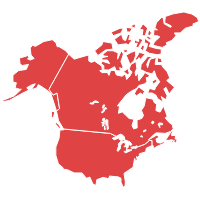
North America remains the dominant region in the PTA balloon market, driven by advanced healthcare infrastructure and high adoption rates of minimally invasive procedures. According to the Centers for Medicare & Medicaid Services, the U.S. Centers for Medicare & Medicaid Services (CMS) has recognized the efficacy of PTA in treating conditions like renal artery stenosis, reflecting its integration into standard care protocols. In addition, the U.S. Food and Drug Administration (FDA) has approved various PTA balloon devices, further solidifying their role in clinical practice.
Asia Pacific is the fastest-growing region, attributed to increasing healthcare investments and rising awareness of peripheral artery diseases. The ASEAN Investment Report 2019 highlights significant foreign direct investment in healthcare services within the region, indicating a growing emphasis on medical infrastructure. Moreover, clinical studies have shown favorable outcomes for PTA procedures in Asian populations, suggesting a positive trajectory for PTA balloon adoption.
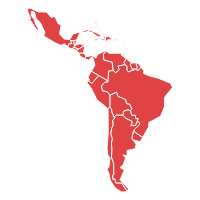
Latin America
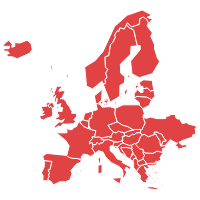
Europe
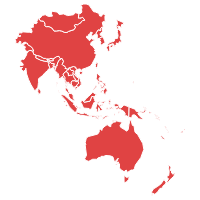
Asia Pacific
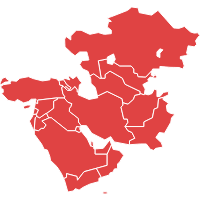
Middle East
North America
|
Report Benchmarks |
Details |
|
Report Study Period |
2026-2032 |
|
Market Size in 2025 |
US$ 3,308.4 million |
|
Market Size in 2032 |
US$ 5,818.6 million |
|
Market CAGR |
8.4% |
|
By Product Type |
|
|
By Material |
|
|
By Application |
|
|
By End User |
|
|
By Region |
|
Download Free Sample Report

percutaneous transluminal angioplasty pta balloons market size was valued at US$ 3,308.4 million in 2025 and is expected to reach US$ 5,818.6 million by 2032, growing at a significant CAGR of 8.4% from 2026-2032
The market has been classified into North America, Asia Pacific, Europe, Latin America, Middle East and Africa, and the rest of MEA.
Asia pacific is the fastest-growing region for the market.
Content Updated Date: Feb 2026
| 1.Executive Summary |
| 2.Global Percutaneous Transluminal Angioplasty Pta Balloons Market Introduction |
| 2.1.Global Percutaneous Transluminal Angioplasty Pta Balloons Market - Taxonomy |
| 2.2.Global Percutaneous Transluminal Angioplasty Pta Balloons Market - Definitions |
| 2.2.1.Product Type |
| 2.2.2.Material |
| 2.2.3.Application |
| 2.2.4.End User |
| 2.2.5.Region |
| 3.Global Percutaneous Transluminal Angioplasty Pta Balloons Market Dynamics |
| 3.1. Drivers |
| 3.2. Restraints |
| 3.3. Opportunities/Unmet Needs of the Market |
| 3.4. Trends |
| 3.5. Product Landscape |
| 3.6. New Product Launches |
| 3.7. Impact of COVID 19 on Market |
| 4.Global Percutaneous Transluminal Angioplasty Pta Balloons Market Analysis, 2021 - 2025 and Forecast 2026 - 2032 |
| 4.1. Market Analysis, 2021 - 2025 and Forecast 2026 - 2032, (Sales Value USD Million) |
| 4.2. Year-Over-Year (Y-o-Y) Growth Analysis (%) |
| 4.3. Market Opportunity Analysis |
| 5.Global Percutaneous Transluminal Angioplasty Pta Balloons Market By Product Type, 2021 - 2025 and Forecast 2026 - 2032 (Sales Value USD Million) |
| 5.1. Standard PTA Balloons |
| 5.1.1. Market Analysis, 2021 - 2025 and Forecast 2026 - 2032, (Sales Value USD Million) |
| 5.1.2. Year-Over-Year (Y-o-Y) Growth Analysis (%) and Market Share Analysis (%) |
| 5.1.3. Market Opportunity Analysis |
| 5.2. High-Pressure PTA Balloons |
| 5.2.1. Market Analysis, 2021 - 2025 and Forecast 2026 - 2032, (Sales Value USD Million) |
| 5.2.2. Year-Over-Year (Y-o-Y) Growth Analysis (%) and Market Share Analysis (%) |
| 5.2.3. Market Opportunity Analysis |
| 5.3. Scoring Balloons |
| 5.3.1. Market Analysis, 2021 - 2025 and Forecast 2026 - 2032, (Sales Value USD Million) |
| 5.3.2. Year-Over-Year (Y-o-Y) Growth Analysis (%) and Market Share Analysis (%) |
| 5.3.3. Market Opportunity Analysis |
| 5.4. Cutting Balloons |
| 5.4.1. Market Analysis, 2021 - 2025 and Forecast 2026 - 2032, (Sales Value USD Million) |
| 5.4.2. Year-Over-Year (Y-o-Y) Growth Analysis (%) and Market Share Analysis (%) |
| 5.4.3. Market Opportunity Analysis |
| 5.5. Drug-Coated Balloons (DCB) |
| 5.5.1. Market Analysis, 2021 - 2025 and Forecast 2026 - 2032, (Sales Value USD Million) |
| 5.5.2. Year-Over-Year (Y-o-Y) Growth Analysis (%) and Market Share Analysis (%) |
| 5.5.3. Market Opportunity Analysis |
| 5.6. Cylindrical Balloons |
| 5.6.1. Market Analysis, 2021 - 2025 and Forecast 2026 - 2032, (Sales Value USD Million) |
| 5.6.2. Year-Over-Year (Y-o-Y) Growth Analysis (%) and Market Share Analysis (%) |
| 5.6.3. Market Opportunity Analysis |
| 6.Global Percutaneous Transluminal Angioplasty Pta Balloons Market By Material, 2021 - 2025 and Forecast 2026 - 2032 (Sales Value USD Million) |
| 6.1. Polyethylene Terephthalate (PET) |
| 6.1.1. Market Analysis, 2021 - 2025 and Forecast 2026 - 2032, (Sales Value USD Million) |
| 6.1.2. Year-Over-Year (Y-o-Y) Growth Analysis (%) and Market Share Analysis (%) |
| 6.1.3. Market Opportunity Analysis |
| 6.2. Polyurethane |
| 6.2.1. Market Analysis, 2021 - 2025 and Forecast 2026 - 2032, (Sales Value USD Million) |
| 6.2.2. Year-Over-Year (Y-o-Y) Growth Analysis (%) and Market Share Analysis (%) |
| 6.2.3. Market Opportunity Analysis |
| 6.3. Nylon |
| 6.3.1. Market Analysis, 2021 - 2025 and Forecast 2026 - 2032, (Sales Value USD Million) |
| 6.3.2. Year-Over-Year (Y-o-Y) Growth Analysis (%) and Market Share Analysis (%) |
| 6.3.3. Market Opportunity Analysis |
| 6.4. Others |
| 6.4.1. Market Analysis, 2021 - 2025 and Forecast 2026 - 2032, (Sales Value USD Million) |
| 6.4.2. Year-Over-Year (Y-o-Y) Growth Analysis (%) and Market Share Analysis (%) |
| 6.4.3. Market Opportunity Analysis |
| 7.Global Percutaneous Transluminal Angioplasty Pta Balloons Market By Application, 2021 - 2025 and Forecast 2026 - 2032 (Sales Value USD Million) |
| 7.1. Peripheral Artery Disease (PAD) |
| 7.1.1. Market Analysis, 2021 - 2025 and Forecast 2026 - 2032, (Sales Value USD Million) |
| 7.1.2. Year-Over-Year (Y-o-Y) Growth Analysis (%) and Market Share Analysis (%) |
| 7.1.3. Market Opportunity Analysis |
| 7.2. Renal Artery Angioplasty |
| 7.2.1. Market Analysis, 2021 - 2025 and Forecast 2026 - 2032, (Sales Value USD Million) |
| 7.2.2. Year-Over-Year (Y-o-Y) Growth Analysis (%) and Market Share Analysis (%) |
| 7.2.3. Market Opportunity Analysis |
| 7.3. Visceral Artery Stenosis |
| 7.3.1. Market Analysis, 2021 - 2025 and Forecast 2026 - 2032, (Sales Value USD Million) |
| 7.3.2. Year-Over-Year (Y-o-Y) Growth Analysis (%) and Market Share Analysis (%) |
| 7.3.3. Market Opportunity Analysis |
| 7.4. Venous Angioplasty |
| 7.4.1. Market Analysis, 2021 - 2025 and Forecast 2026 - 2032, (Sales Value USD Million) |
| 7.4.2. Year-Over-Year (Y-o-Y) Growth Analysis (%) and Market Share Analysis (%) |
| 7.4.3. Market Opportunity Analysis |
| 7.5. AV Fistula & Grafts |
| 7.5.1. Market Analysis, 2021 - 2025 and Forecast 2026 - 2032, (Sales Value USD Million) |
| 7.5.2. Year-Over-Year (Y-o-Y) Growth Analysis (%) and Market Share Analysis (%) |
| 7.5.3. Market Opportunity Analysis |
| 7.6. Others |
| 7.6.1. Market Analysis, 2021 - 2025 and Forecast 2026 - 2032, (Sales Value USD Million) |
| 7.6.2. Year-Over-Year (Y-o-Y) Growth Analysis (%) and Market Share Analysis (%) |
| 7.6.3. Market Opportunity Analysis |
| 8.Global Percutaneous Transluminal Angioplasty Pta Balloons Market By End User, 2021 - 2025 and Forecast 2026 - 2032 (Sales Value USD Million) |
| 8.1. Hospitals |
| 8.1.1. Market Analysis, 2021 - 2025 and Forecast 2026 - 2032, (Sales Value USD Million) |
| 8.1.2. Year-Over-Year (Y-o-Y) Growth Analysis (%) and Market Share Analysis (%) |
| 8.1.3. Market Opportunity Analysis |
| 8.2. Ambulatory Surgical Centers (ASCs) |
| 8.2.1. Market Analysis, 2021 - 2025 and Forecast 2026 - 2032, (Sales Value USD Million) |
| 8.2.2. Year-Over-Year (Y-o-Y) Growth Analysis (%) and Market Share Analysis (%) |
| 8.2.3. Market Opportunity Analysis |
| 8.3. Catheterization Laboratories |
| 8.3.1. Market Analysis, 2021 - 2025 and Forecast 2026 - 2032, (Sales Value USD Million) |
| 8.3.2. Year-Over-Year (Y-o-Y) Growth Analysis (%) and Market Share Analysis (%) |
| 8.3.3. Market Opportunity Analysis |
| 8.4. Specialty Clinics |
| 8.4.1. Market Analysis, 2021 - 2025 and Forecast 2026 - 2032, (Sales Value USD Million) |
| 8.4.2. Year-Over-Year (Y-o-Y) Growth Analysis (%) and Market Share Analysis (%) |
| 8.4.3. Market Opportunity Analysis |
| 9.Global Percutaneous Transluminal Angioplasty Pta Balloons Market By Region, 2021 - 2025 and Forecast 2026 - 2032 (Sales Value USD Million) |
| 9.1. North America |
| 9.1.1. Market Analysis, 2021 - 2025 and Forecast 2026 - 2032, (Sales Value USD Million) |
| 9.1.2. Year-Over-Year (Y-o-Y) Growth Analysis (%) and Market Share Analysis (%) |
| 9.1.3. Market Opportunity Analysis |
| 9.2. Europe |
| 9.2.1. Market Analysis, 2021 - 2025 and Forecast 2026 - 2032, (Sales Value USD Million) |
| 9.2.2. Year-Over-Year (Y-o-Y) Growth Analysis (%) and Market Share Analysis (%) |
| 9.2.3. Market Opportunity Analysis |
| 9.3. Asia Pacific (APAC) |
| 9.3.1. Market Analysis, 2021 - 2025 and Forecast 2026 - 2032, (Sales Value USD Million) |
| 9.3.2. Year-Over-Year (Y-o-Y) Growth Analysis (%) and Market Share Analysis (%) |
| 9.3.3. Market Opportunity Analysis |
| 9.4. Middle East and Africa (MEA) |
| 9.4.1. Market Analysis, 2021 - 2025 and Forecast 2026 - 2032, (Sales Value USD Million) |
| 9.4.2. Year-Over-Year (Y-o-Y) Growth Analysis (%) and Market Share Analysis (%) |
| 9.4.3. Market Opportunity Analysis |
| 9.5. Latin America |
| 9.5.1. Market Analysis, 2021 - 2025 and Forecast 2026 - 2032, (Sales Value USD Million) |
| 9.5.2. Year-Over-Year (Y-o-Y) Growth Analysis (%) and Market Share Analysis (%) |
| 9.5.3. Market Opportunity Analysis |
| 10.North America Percutaneous Transluminal Angioplasty Pta Balloons Market ,2021 - 2025 and Forecast 2026 - 2032 (Sales Value USD Million) |
| 10.1. Product Type Analysis 2021 - 2025 and Forecast 2026 - 2032 by Sales Value USD Million, Y-o-Y Growth (%), and Market Share (%) |
| 10.1.1.Standard PTA Balloons |
| 10.1.2.High-Pressure PTA Balloons |
| 10.1.3.Scoring Balloons |
| 10.1.4.Cutting Balloons |
| 10.1.5.Drug-Coated Balloons (DCB) |
| 10.1.6.Cylindrical Balloons |
| 10.2. Material Analysis 2021 - 2025 and Forecast 2026 - 2032 by Sales Value USD Million, Y-o-Y Growth (%), and Market Share (%) |
| 10.2.1.Polyethylene Terephthalate (PET) |
| 10.2.2.Polyurethane |
| 10.2.3.Nylon |
| 10.2.4.Others |
| 10.3. Application Analysis 2021 - 2025 and Forecast 2026 - 2032 by Sales Value USD Million, Y-o-Y Growth (%), and Market Share (%) |
| 10.3.1.Peripheral Artery Disease (PAD) |
| 10.3.2.Renal Artery Angioplasty |
| 10.3.3.Visceral Artery Stenosis |
| 10.3.4.Venous Angioplasty |
| 10.3.5.AV Fistula & Grafts |
| 10.3.6.Others |
| 10.4. End User Analysis 2021 - 2025 and Forecast 2026 - 2032 by Sales Value USD Million, Y-o-Y Growth (%), and Market Share (%) |
| 10.4.1.Hospitals |
| 10.4.2.Ambulatory Surgical Centers (ASCs) |
| 10.4.3.Catheterization Laboratories |
| 10.4.4.Specialty Clinics |
| 10.5. Country Analysis 2021 - 2025 and Forecast 2026 - 2032 by Sales Value USD Million, Y-o-Y Growth (%), and Market Share (%) |
| 10.5.1.United States of America (USA) |
| 10.5.2.Canada |
| 11.Europe Percutaneous Transluminal Angioplasty Pta Balloons Market ,2021 - 2025 and Forecast 2026 - 2032 (Sales Value USD Million) |
| 11.1. Product Type Analysis and Forecast by Sales Value USD Million, Y-o-Y Growth (%), and Market Share (%) |
| 11.1.1.Standard PTA Balloons |
| 11.1.2.High-Pressure PTA Balloons |
| 11.1.3.Scoring Balloons |
| 11.1.4.Cutting Balloons |
| 11.1.5.Drug-Coated Balloons (DCB) |
| 11.1.6.Cylindrical Balloons |
| 11.2. Material Analysis 2021 - 2025 and Forecast 2026 - 2032 by Sales Value USD Million, Y-o-Y Growth (%), and Market Share (%) |
| 11.2.1.Polyethylene Terephthalate (PET) |
| 11.2.2.Polyurethane |
| 11.2.3.Nylon |
| 11.2.4.Others |
| 11.3. Application Analysis 2021 - 2025 and Forecast 2026 - 2032 by Sales Value USD Million, Y-o-Y Growth (%), and Market Share (%) |
| 11.3.1.Peripheral Artery Disease (PAD) |
| 11.3.2.Renal Artery Angioplasty |
| 11.3.3.Visceral Artery Stenosis |
| 11.3.4.Venous Angioplasty |
| 11.3.5.AV Fistula & Grafts |
| 11.3.6.Others |
| 11.4. End User Analysis 2021 - 2025 and Forecast 2026 - 2032 by Sales Value USD Million, Y-o-Y Growth (%), and Market Share (%) |
| 11.4.1.Hospitals |
| 11.4.2.Ambulatory Surgical Centers (ASCs) |
| 11.4.3.Catheterization Laboratories |
| 11.4.4.Specialty Clinics |
| 11.5. Country Analysis 2021 - 2025 and Forecast 2026 - 2032 by Sales Value USD Million, Y-o-Y Growth (%), and Market Share (%) |
| 11.5.1.Germany |
| 11.5.2.France |
| 11.5.3.Italy |
| 11.5.4.United Kingdom (UK) |
| 11.5.5.Spain |
| 12.Asia Pacific (APAC) Percutaneous Transluminal Angioplasty Pta Balloons Market ,2021 - 2025 and Forecast 2026 - 2032 (Sales Value USD Million) |
| 12.1. Product Type Analysis and Forecast by Sales Value USD Million, Y-o-Y Growth (%), and Market Share (%) |
| 12.1.1.Standard PTA Balloons |
| 12.1.2.High-Pressure PTA Balloons |
| 12.1.3.Scoring Balloons |
| 12.1.4.Cutting Balloons |
| 12.1.5.Drug-Coated Balloons (DCB) |
| 12.1.6.Cylindrical Balloons |
| 12.2. Material Analysis 2021 - 2025 and Forecast 2026 - 2032 by Sales Value USD Million, Y-o-Y Growth (%), and Market Share (%) |
| 12.2.1.Polyethylene Terephthalate (PET) |
| 12.2.2.Polyurethane |
| 12.2.3.Nylon |
| 12.2.4.Others |
| 12.3. Application Analysis 2021 - 2025 and Forecast 2026 - 2032 by Sales Value USD Million, Y-o-Y Growth (%), and Market Share (%) |
| 12.3.1.Peripheral Artery Disease (PAD) |
| 12.3.2.Renal Artery Angioplasty |
| 12.3.3.Visceral Artery Stenosis |
| 12.3.4.Venous Angioplasty |
| 12.3.5.AV Fistula & Grafts |
| 12.3.6.Others |
| 12.4. End User Analysis 2021 - 2025 and Forecast 2026 - 2032 by Sales Value USD Million, Y-o-Y Growth (%), and Market Share (%) |
| 12.4.1.Hospitals |
| 12.4.2.Ambulatory Surgical Centers (ASCs) |
| 12.4.3.Catheterization Laboratories |
| 12.4.4.Specialty Clinics |
| 12.5. Country Analysis 2021 - 2025 and Forecast 2026 - 2032 by Sales Value USD Million, Y-o-Y Growth (%), and Market Share (%) |
| 12.5.1.China |
| 12.5.2.India |
| 12.5.3.Australia and New Zealand (ANZ) |
| 12.5.4.Japan |
| 12.5.5.Rest of APAC |
| 13.Middle East and Africa (MEA) Percutaneous Transluminal Angioplasty Pta Balloons Market ,2021 - 2025 and Forecast 2026 - 2032 (Sales Value USD Million) |
| 13.1. Product Type Analysis and Forecast by Sales Value USD Million, Y-o-Y Growth (%), and Market Share (%) |
| 13.1.1.Standard PTA Balloons |
| 13.1.2.High-Pressure PTA Balloons |
| 13.1.3.Scoring Balloons |
| 13.1.4.Cutting Balloons |
| 13.1.5.Drug-Coated Balloons (DCB) |
| 13.1.6.Cylindrical Balloons |
| 13.2. Material Analysis 2021 - 2025 and Forecast 2026 - 2032 by Sales Value USD Million, Y-o-Y Growth (%), and Market Share (%) |
| 13.2.1.Polyethylene Terephthalate (PET) |
| 13.2.2.Polyurethane |
| 13.2.3.Nylon |
| 13.2.4.Others |
| 13.3. Application Analysis 2021 - 2025 and Forecast 2026 - 2032 by Sales Value USD Million, Y-o-Y Growth (%), and Market Share (%) |
| 13.3.1.Peripheral Artery Disease (PAD) |
| 13.3.2.Renal Artery Angioplasty |
| 13.3.3.Visceral Artery Stenosis |
| 13.3.4.Venous Angioplasty |
| 13.3.5.AV Fistula & Grafts |
| 13.3.6.Others |
| 13.4. End User Analysis 2021 - 2025 and Forecast 2026 - 2032 by Sales Value USD Million, Y-o-Y Growth (%), and Market Share (%) |
| 13.4.1.Hospitals |
| 13.4.2.Ambulatory Surgical Centers (ASCs) |
| 13.4.3.Catheterization Laboratories |
| 13.4.4.Specialty Clinics |
| 13.5. Country Analysis 2021 - 2025 and Forecast 2026 - 2032 by Sales Value USD Million, Y-o-Y Growth (%), and Market Share (%) |
| 13.5.1.GCC Countries |
| 13.5.2.South Africa |
| 13.5.3.Rest of MEA |
| 14.Latin America Percutaneous Transluminal Angioplasty Pta Balloons Market ,2021 - 2025 and Forecast 2026 - 2032 (Sales Value USD Million) |
| 14.1. Product Type Analysis and Forecast by Sales Value USD Million, Y-o-Y Growth (%), and Market Share (%) |
| 14.1.1.Standard PTA Balloons |
| 14.1.2.High-Pressure PTA Balloons |
| 14.1.3.Scoring Balloons |
| 14.1.4.Cutting Balloons |
| 14.1.5.Drug-Coated Balloons (DCB) |
| 14.1.6.Cylindrical Balloons |
| 14.2. Material Analysis 2021 - 2025 and Forecast 2026 - 2032 by Sales Value USD Million, Y-o-Y Growth (%), and Market Share (%) |
| 14.2.1.Polyethylene Terephthalate (PET) |
| 14.2.2.Polyurethane |
| 14.2.3.Nylon |
| 14.2.4.Others |
| 14.3. Application Analysis 2021 - 2025 and Forecast 2026 - 2032 by Sales Value USD Million, Y-o-Y Growth (%), and Market Share (%) |
| 14.3.1.Peripheral Artery Disease (PAD) |
| 14.3.2.Renal Artery Angioplasty |
| 14.3.3.Visceral Artery Stenosis |
| 14.3.4.Venous Angioplasty |
| 14.3.5.AV Fistula & Grafts |
| 14.3.6.Others |
| 14.4. End User Analysis 2021 - 2025 and Forecast 2026 - 2032 by Sales Value USD Million, Y-o-Y Growth (%), and Market Share (%) |
| 14.4.1.Hospitals |
| 14.4.2.Ambulatory Surgical Centers (ASCs) |
| 14.4.3.Catheterization Laboratories |
| 14.4.4.Specialty Clinics |
| 14.5. Country Analysis 2021 - 2025 and Forecast 2026 - 2032 by Sales Value USD Million, Y-o-Y Growth (%), and Market Share (%) |
| 14.5.1.Brazil |
| 14.5.2.Mexico |
| 14.5.3.Rest of LA |
| 15. Competition Landscape |
| 15.1. Market Player Profiles (Introduction, Brand/Product Sales, Financial Analysis, Product Offerings, Key Developments, Collaborations, M & A, Strategies, and SWOT Analysis) |
| 15.2.1.Medtronic plc |
| 15.2.2.Cook Medical |
| 15.2.3.Cardinal Health |
| 15.2.4.Terumo Corporation |
| 15.2.5.Abbott Laboratories |
| 15.2.6.B. Braun Melsungen AG |
| 15.2.7.BIOTRONIK SE & Co. KG |
| 15.2.8.Boston Scientific Corporation |
| 15.2.9.Terumo Interventional Systems |
| 15.2.10.MicroPort Scientific Corporation |
| 16. Research Methodology |
| 17. Appendix and Abbreviations |
Key Market Players
Author
Muni Kumar Meravath is a seasoned Healthcare Market Research Analyst with over 6 years of experience in the healthcare domain, encompassing pharmaceuticals, medical devices, and diagnostics. A graduate in Pharmacy, he possesses a strong foundation in the intricacies of the healthcare sector. He further enhanced his expertise by pursuing an MBA in Pharmaceuticals, equipping him with valuable business acumen. His analytical skills and market insights have contributed to strategic decision-making and enhanced market positioning for various healthcare organizations. Committed to driving innovation and excellence, Muni continues to seek opportunities to improve healthcare delivery through data-driven insights.