
 Download Sample




Author
Prem Kumar with profound experience and sound knowledge across a wide range of market forecasting methods, demand f.....
Reusable Packaging Market: By Product Type, drums & barrels, bottles & jars, others), By Material, By End User and Region Forecast 2021-2032
Report ID:543966
Published Date:Dec 2025
No of Pages:200
Format:

Reusable Packaging Market size was valued at US$ 148.6 billion in 2025 and is expected to reach US$ 223.5 billion by 2032, growing at a significant CAGR of 6.0% from 2026-2032. Moreover, the U.S. Reusable Packaging Market is projected to grow at 6.5% in future. The reusable packaging market refers to packaging solutions designed to be used multiple times across supply chains before being recycled or repurposed. These solutions include reusable containers, pallets, crates, bottles, drums, and intermediate bulk containers made from durable materials such as plastic, metal, glass, and wood. Reusable packaging is widely adopted across industries such as food & beverage, automotive, pharmaceuticals, logistics, and retail to reduce waste, lower long-term packaging costs, and support circular economy objectives.
The reusable packaging market is experiencing steady growth, driven by increasing environmental regulations, corporate sustainability commitments, and rising awareness of waste reduction. Companies are shifting from single-use packaging to returnable and refillable systems to improve supply chain efficiency and reduce carbon footprints. Advancements in tracking technologies such as RFID and IoT, along with the expansion of e-commerce and closed-loop logistics, are further supporting market adoption across both developed and emerging economies.
Based on the product type
Among the product types, pallets are anticipated to lead the reusable packaging market, primarily driven by their widespread adoption across logistics, manufacturing, and retail supply chains. Reusable pallets play a critical role in material handling, warehousing, and transportation, offering durability, load stability, and repeated usability over long operational cycles. Their compatibility with automated handling systems and standardized dimensions makes them highly efficient for high-volume, closed-loop distribution networks. Industries such as food & beverage, automotive, and consumer goods increasingly prefer reusable pallets to reduce product damage, improve turnaround efficiency, and lower long-term packaging costs. In addition, sustainability initiatives aimed at reducing single-use wooden pallets and packaging waste further strengthen demand, positioning pallets as the leading product segment within the reusable packaging market.
Based on the material
Among the material segments, plastic is anticipated to lead the reusable packaging market, driven mainly by its superior durability, lightweight nature, and design flexibility. Reusable plastic packaging offers a longer service life compared to wood and glass, while being significantly lighter than metal, which helps reduce transportation costs and handling effort across supply chains. Plastic materials can be easily molded into standardized pallets, crates, totes, and containers that are compatible with automated systems and tracking technologies. In addition, plastic’s resistance to moisture, chemicals, and contamination makes it highly suitable for food & beverage, pharmaceutical, and retail applications. These operational and economic advantages position plastic as the dominant material segment in the reusable packaging market.
Based on the end user
Among the end-use segments, food & beverage is anticipated to lead the reusable packaging market, driven by the sector’s high-volume distribution and strict hygiene and sustainability requirements. Food and beverage supply chains rely heavily on reusable crates, pallets, containers, and bottles for efficient handling of fresh produce, beverages, dairy, and processed foods. The need to maintain product safety, reduce contamination risks, and ensure durability during repeated transportation cycles strongly supports the adoption of reusable packaging solutions. Additionally, growing regulatory pressure to reduce single-use packaging waste and the industry’s shift toward circular economy practices are accelerating adoption. The widespread use of closed-loop distribution systems in food processing, cold-chain logistics, and retail further reinforces food & beverage as the leading end-use segment in the reusable packaging market.
Study Period
2026-2032Base Year
2024CAGR
6%Largest Market
Asia-PacificFastest Growing Market
Latin America
One of the primary drivers of the reusable packaging market is the growing regulatory and corporate push toward sustainability and waste reduction. Governments across regions are introducing stringent regulations to limit single-use plastics, reduce landfill waste, and promote circular economy models. In response, companies are actively adopting reusable packaging solutions to comply with environmental laws while also meeting their ESG (Environmental, Social, and Governance) commitments. From a business perspective, reusable packaging offers long-term cost advantages by lowering recurring expenditure on disposable materials and reducing waste management costs. Industries such as food & beverage, automotive, and logistics benefit significantly from returnable transport packaging (RTP), which improves supply chain efficiency and minimizes product damage. Additionally, large retailers and global brands are setting sustainability targets that mandate reusable or refillable packaging formats, further accelerating market demand. This regulatory alignment combined with economic and operational benefits continues to strongly drive market growth.
Despite its advantages, the reusable packaging market faces restraints primarily related to high initial investment and operational complexity. Reusable packaging systems require significant upfront capital for durable packaging assets, reverse logistics infrastructure, cleaning, maintenance, and tracking systems. For small and medium-sized enterprises, these initial costs can be a major barrier to adoption compared to low-cost single-use packaging. Furthermore, managing return logistics adds complexity to supply chains, particularly in fragmented or long-distance distribution networks. Loss, theft, or damage of reusable containers can also reduce cost efficiency if not properly tracked. Hygiene and safety concerns, especially in food and pharmaceutical applications, demand strict cleaning and sanitization standards, increasing operational expenses. In regions with underdeveloped logistics infrastructure or limited regulatory enforcement, companies may find it challenging to justify the transition. These financial and operational challenges continue to restrain broader market penetration.
The market presents strong opportunities through the integration of digital technologies and the expansion of reusable packaging in emerging economies. Advancements in RFID, IoT, and data analytics enable real-time tracking, asset optimization, and loss prevention, making reusable systems more efficient and scalable. This technological integration is encouraging adoption across complex supply chains such as e-commerce, pharmaceuticals, and global logistics. Additionally, emerging markets in Asia-Pacific, Latin America, and parts of Africa are witnessing rapid industrialization, urbanization, and growth in organized retail. As sustainability awareness and regulatory frameworks strengthen in these regions, demand for cost-effective and environmentally friendly packaging solutions is expected to rise. Opportunities also exist in innovative business models such as packaging-as-a-service, pooling systems, and refill-based consumer packaging. These models reduce upfront costs for end users and create recurring revenue streams for providers, significantly expanding the market’s growth potential.
A key trend shaping the reusable packaging market is the shift toward circular economy–driven business models and collaborative ecosystems. Companies are increasingly moving away from ownership-based packaging models to shared pooling and leasing systems, particularly in logistics and industrial applications. This trend allows multiple users to access standardized reusable packaging, improving asset utilization and reducing overall environmental impact. Another important trend is the rising adoption of reusable packaging in consumer-facing applications such as refillable bottles, takeaway food containers, and subscription-based refill systems. Consumers are becoming more environmentally conscious and are actively supporting brands that offer sustainable packaging options. Additionally, lightweight, high-durability materials and modular packaging designs are gaining popularity to improve handling efficiency and reduce transportation emissions. Together, these trends indicate a long-term structural shift toward sustainability-focused, technology-enabled, and service-oriented packaging solutions.
Largest Share of the Region: Asia-Pacific is anticipated to be the largest-growing region for reusable packaging, supported by rapid industrial expansion, increasing export-oriented manufacturing, and the scale-up of modern retail and e-commerce logistics. Demand is being strengthened by high-volume sectors such as food & beverage, automotive components, consumer goods, and pharma distribution that benefit from returnable transport packaging to reduce transit damage and improve warehouse efficiency. Key market drivers in the region include the gradual tightening of packaging waste rules, rising corporate sustainability targets among large retailers and brands, and the need to optimize supply chains as distribution networks become more complex. A visible trend is the shift from disposable tertiary packaging to standardized reusable crates, totes, pallets, and IBCs in closed-loop B2B systems, particularly in organized retail, cold-chain movement, and intra-factory logistics. Another emerging trend is the adoption of tracking-enabled reusable assets (RFID/IoT-based) to reduce container loss and improve turnaround cycles in large distribution hubs.
Fastest Growing/ Emerging Region: Latin America is emerging as a high-potential region as organized retail penetration rises, cross-border trade corridors strengthen, and cold-chain infrastructure expands for fresh produce, meat, and dairy distribution. Reusable packaging adoption is being encouraged by the need to reduce packaging waste in urban centres and by cost-focused supply chains that prioritize durability and repeat-use economics in distribution. Key drivers include the growing emphasis on circularity by multinational FMCG and beverage players operating in the region, and the operational benefits of reusable crates and pallets in fragmented delivery networks. A notable trend is the expansion of pooling and leasing models that lower the barrier to entry for mid-sized producers and logistics providers, enabling adoption without heavy upfront asset ownership. Another trend is the gradual movement toward refill and return ecosystems in beverage and consumer-packaging formats, supported by reverse logistics partnerships and regional standardization efforts that improve collection and reuse rates.
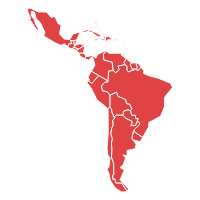
Latin America
Europe
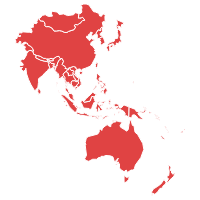
Asia Pacific
Middle East
North America
|
Report Benchmarks |
Details |
|
Report Study Period |
2026-2032 |
|
Market Size in 2025 |
US$ 148.6 billion |
|
Market Size in 2032 |
US$ 223.5 billion |
|
Market CAGR |
6% |
|
By Product Type |
|
|
By Material |
|
|
By End User |
|
|
By Region |
|
PBI Analysts anticipate that the reusable packaging market is witnessing steady growth as industries increasingly shift toward sustainable and cost-efficient packaging solutions. Rising environmental regulations, corporate sustainability commitments, and the need to reduce single-use packaging waste are key factors supporting market expansion. Reusable packaging offers long-term operational benefits, including reduced packaging costs, improved supply chain efficiency, and lower environmental impact. Adoption is strong across food & beverage, logistics, automotive, and retail sectors, where returnable and refillable systems are widely used. Technological advancements such as asset tracking and standardized designs are further enhancing efficiency, supporting broader adoption across global supply chains.
Download Free Sample Report

The Global Reusable Packaging Market was valued at US$ 140.0 Billion in 2024 and is projected to reach US$ 210.5 Billion by 2031, growing at a CAGR of 6.0%.
Reusable packaging refers to durable packaging solutions designed to be used multiple times within a supply chain before being recycled or repurposed, helping reduce waste and overall packaging costs.
Reusable packaging is widely used in food & beverage, automotive, pharmaceuticals, logistics & transportation, retail, and industrial manufacturing due to its durability and efficiency in repeated handling.
The main benefits include reduced environmental impact, lower long-term packaging costs, improved supply chain efficiency, and support for circular economy and sustainability initiatives.
Content Updated Date: Feb 2026
| 1.Executive Summary |
| 2.Global Reusable Packaging Market Introduction |
| 2.1.Global Reusable Packaging Market - Taxonomy |
| 2.2.Global Reusable Packaging Market - Definitions |
| 2.2.1.Product Type |
| 2.2.2.Material |
| 2.2.3.End User |
| 2.2.4.Region |
| 3.Global Reusable Packaging Market Dynamics |
| 3.1. Drivers |
| 3.2. Restraints |
| 3.3. Opportunities/Unmet Needs of the Market |
| 3.4. Trends |
| 3.5. Product Landscape |
| 3.6. New Product Launches |
| 3.7. Impact of COVID 19 on Market |
| 4.Global Reusable Packaging Market Analysis, 2020 - 2024 and Forecast 2025 - 2031 |
| 4.1. Market Analysis, 2020 - 2024 and Forecast, 2025 - 2031, (Sales Value USD Million) |
| 4.2. Year-Over-Year (Y-o-Y) Growth Analysis (%) |
| 4.3. Market Opportunity Analysis |
| 5.Global Reusable Packaging Market By Product Type, 2020 - 2024 and Forecast 2025 - 2031 (Sales Value USD Million) |
| 5.1. Pallets |
| 5.1.1. Market Analysis, 2020 - 2024 and Forecast, 2025 - 2031, (Sales Value USD Million) |
| 5.1.2. Year-Over-Year (Y-o-Y) Growth Analysis (%) and Market Share Analysis (%) |
| 5.1.3. Market Opportunity Analysis |
| 5.2. Crates |
| 5.2.1. Market Analysis, 2020 - 2024 and Forecast, 2025 - 2031, (Sales Value USD Million) |
| 5.2.2. Year-Over-Year (Y-o-Y) Growth Analysis (%) and Market Share Analysis (%) |
| 5.2.3. Market Opportunity Analysis |
| 5.3. Containers & Totes |
| 5.3.1. Market Analysis, 2020 - 2024 and Forecast, 2025 - 2031, (Sales Value USD Million) |
| 5.3.2. Year-Over-Year (Y-o-Y) Growth Analysis (%) and Market Share Analysis (%) |
| 5.3.3. Market Opportunity Analysis |
| 5.4. Intermediate Bulk Containers (Ibcs) |
| 5.4.1. Market Analysis, 2020 - 2024 and Forecast, 2025 - 2031, (Sales Value USD Million) |
| 5.4.2. Year-Over-Year (Y-o-Y) Growth Analysis (%) and Market Share Analysis (%) |
| 5.4.3. Market Opportunity Analysis |
| 5.5. Drums & Barrels |
| 5.5.1. Market Analysis, 2020 - 2024 and Forecast, 2025 - 2031, (Sales Value USD Million) |
| 5.5.2. Year-Over-Year (Y-o-Y) Growth Analysis (%) and Market Share Analysis (%) |
| 5.5.3. Market Opportunity Analysis |
| 5.6. Bottles & Jars |
| 5.6.1. Market Analysis, 2020 - 2024 and Forecast, 2025 - 2031, (Sales Value USD Million) |
| 5.6.2. Year-Over-Year (Y-o-Y) Growth Analysis (%) and Market Share Analysis (%) |
| 5.6.3. Market Opportunity Analysis |
| 5.7. Others |
| 5.7.1. Market Analysis, 2020 - 2024 and Forecast, 2025 - 2031, (Sales Value USD Million) |
| 5.7.2. Year-Over-Year (Y-o-Y) Growth Analysis (%) and Market Share Analysis (%) |
| 5.7.3. Market Opportunity Analysis |
| 6.Global Reusable Packaging Market By Material, 2020 - 2024 and Forecast 2025 - 2031 (Sales Value USD Million) |
| 6.1. Plastic |
| 6.1.1. Market Analysis, 2020 - 2024 and Forecast, 2025 - 2031, (Sales Value USD Million) |
| 6.1.2. Year-Over-Year (Y-o-Y) Growth Analysis (%) and Market Share Analysis (%) |
| 6.1.3. Market Opportunity Analysis |
| 6.2. Metal |
| 6.2.1. Market Analysis, 2020 - 2024 and Forecast, 2025 - 2031, (Sales Value USD Million) |
| 6.2.2. Year-Over-Year (Y-o-Y) Growth Analysis (%) and Market Share Analysis (%) |
| 6.2.3. Market Opportunity Analysis |
| 6.3. Glass |
| 6.3.1. Market Analysis, 2020 - 2024 and Forecast, 2025 - 2031, (Sales Value USD Million) |
| 6.3.2. Year-Over-Year (Y-o-Y) Growth Analysis (%) and Market Share Analysis (%) |
| 6.3.3. Market Opportunity Analysis |
| 6.4. Wood |
| 6.4.1. Market Analysis, 2020 - 2024 and Forecast, 2025 - 2031, (Sales Value USD Million) |
| 6.4.2. Year-Over-Year (Y-o-Y) Growth Analysis (%) and Market Share Analysis (%) |
| 6.4.3. Market Opportunity Analysis |
| 6.5. Others |
| 6.5.1. Market Analysis, 2020 - 2024 and Forecast, 2025 - 2031, (Sales Value USD Million) |
| 6.5.2. Year-Over-Year (Y-o-Y) Growth Analysis (%) and Market Share Analysis (%) |
| 6.5.3. Market Opportunity Analysis |
| 7.Global Reusable Packaging Market By End User, 2020 - 2024 and Forecast 2025 - 2031 (Sales Value USD Million) |
| 7.1. Food & Beverage |
| 7.1.1. Market Analysis, 2020 - 2024 and Forecast, 2025 - 2031, (Sales Value USD Million) |
| 7.1.2. Year-Over-Year (Y-o-Y) Growth Analysis (%) and Market Share Analysis (%) |
| 7.1.3. Market Opportunity Analysis |
| 7.2. Automotive |
| 7.2.1. Market Analysis, 2020 - 2024 and Forecast, 2025 - 2031, (Sales Value USD Million) |
| 7.2.2. Year-Over-Year (Y-o-Y) Growth Analysis (%) and Market Share Analysis (%) |
| 7.2.3. Market Opportunity Analysis |
| 7.3. Pharmaceuticals & Healthcare |
| 7.3.1. Market Analysis, 2020 - 2024 and Forecast, 2025 - 2031, (Sales Value USD Million) |
| 7.3.2. Year-Over-Year (Y-o-Y) Growth Analysis (%) and Market Share Analysis (%) |
| 7.3.3. Market Opportunity Analysis |
| 7.4. Consumer Goods |
| 7.4.1. Market Analysis, 2020 - 2024 and Forecast, 2025 - 2031, (Sales Value USD Million) |
| 7.4.2. Year-Over-Year (Y-o-Y) Growth Analysis (%) and Market Share Analysis (%) |
| 7.4.3. Market Opportunity Analysis |
| 7.5. Logistics & Transportation |
| 7.5.1. Market Analysis, 2020 - 2024 and Forecast, 2025 - 2031, (Sales Value USD Million) |
| 7.5.2. Year-Over-Year (Y-o-Y) Growth Analysis (%) and Market Share Analysis (%) |
| 7.5.3. Market Opportunity Analysis |
| 7.6. Industrial Manufacturing |
| 7.6.1. Market Analysis, 2020 - 2024 and Forecast, 2025 - 2031, (Sales Value USD Million) |
| 7.6.2. Year-Over-Year (Y-o-Y) Growth Analysis (%) and Market Share Analysis (%) |
| 7.6.3. Market Opportunity Analysis |
| 7.7. Retail & E-Commerce |
| 7.7.1. Market Analysis, 2020 - 2024 and Forecast, 2025 - 2031, (Sales Value USD Million) |
| 7.7.2. Year-Over-Year (Y-o-Y) Growth Analysis (%) and Market Share Analysis (%) |
| 7.7.3. Market Opportunity Analysis |
| 7.8. Others |
| 7.8.1. Market Analysis, 2020 - 2024 and Forecast, 2025 - 2031, (Sales Value USD Million) |
| 7.8.2. Year-Over-Year (Y-o-Y) Growth Analysis (%) and Market Share Analysis (%) |
| 7.8.3. Market Opportunity Analysis |
| 8.Global Reusable Packaging Market By Region, 2020 - 2024 and Forecast 2025 - 2031 (Sales Value USD Million) |
| 8.1. North America |
| 8.1.1. Market Analysis, 2020 - 2024 and Forecast, 2025 - 2031, (Sales Value USD Million) |
| 8.1.2. Year-Over-Year (Y-o-Y) Growth Analysis (%) and Market Share Analysis (%) |
| 8.1.3. Market Opportunity Analysis |
| 8.2. Europe |
| 8.2.1. Market Analysis, 2020 - 2024 and Forecast, 2025 - 2031, (Sales Value USD Million) |
| 8.2.2. Year-Over-Year (Y-o-Y) Growth Analysis (%) and Market Share Analysis (%) |
| 8.2.3. Market Opportunity Analysis |
| 8.3. Asia Pacific (APAC) |
| 8.3.1. Market Analysis, 2020 - 2024 and Forecast, 2025 - 2031, (Sales Value USD Million) |
| 8.3.2. Year-Over-Year (Y-o-Y) Growth Analysis (%) and Market Share Analysis (%) |
| 8.3.3. Market Opportunity Analysis |
| 8.4. Middle East and Africa (MEA) |
| 8.4.1. Market Analysis, 2020 - 2024 and Forecast, 2025 - 2031, (Sales Value USD Million) |
| 8.4.2. Year-Over-Year (Y-o-Y) Growth Analysis (%) and Market Share Analysis (%) |
| 8.4.3. Market Opportunity Analysis |
| 8.5. Latin America |
| 8.5.1. Market Analysis, 2020 - 2024 and Forecast, 2025 - 2031, (Sales Value USD Million) |
| 8.5.2. Year-Over-Year (Y-o-Y) Growth Analysis (%) and Market Share Analysis (%) |
| 8.5.3. Market Opportunity Analysis |
| 9.North America Reusable Packaging Market ,2020 - 2024 and Forecast 2025 - 2031 (Sales Value USD Million) |
| 9.1. Product Type Analysis 2020 - 2024 and Forecast 2025 - 2031 by Sales Value USD Million, Y-o-Y Growth (%), and Market Share (%) |
| 9.1.1.Pallets |
| 9.1.2.Crates |
| 9.1.3.Containers & Totes |
| 9.1.4.Intermediate Bulk Containers (Ibcs) |
| 9.1.5.Drums & Barrels |
| 9.1.6.Bottles & Jars |
| 9.1.7.Others |
| 9.2. Material Analysis 2020 - 2024 and Forecast 2025 - 2031 by Sales Value USD Million, Y-o-Y Growth (%), and Market Share (%) |
| 9.2.1.Plastic |
| 9.2.2.Metal |
| 9.2.3.Glass |
| 9.2.4.Wood |
| 9.2.5.Others |
| 9.3. End User Analysis 2020 - 2024 and Forecast 2025 - 2031 by Sales Value USD Million, Y-o-Y Growth (%), and Market Share (%) |
| 9.3.1.Food & Beverage |
| 9.3.2.Automotive |
| 9.3.3.Pharmaceuticals & Healthcare |
| 9.3.4.Consumer Goods |
| 9.3.5.Logistics & Transportation |
| 9.3.6.Industrial Manufacturing |
| 9.3.7.Retail & E-Commerce |
| 9.3.8.Others |
| 9.4. Country Analysis 2020 - 2024 and Forecast 2025 - 2031 by Sales Value USD Million, Y-o-Y Growth (%), and Market Share (%) |
| 9.4.1.United States of America (USA) |
| 9.4.2.Canada |
| 10.Europe Reusable Packaging Market ,2020 - 2024 and Forecast 2025 - 2031 (Sales Value USD Million) |
| 10.1. Product Type Analysis and Forecast by Sales Value USD Million, Y-o-Y Growth (%), and Market Share (%) |
| 10.1.1.Pallets |
| 10.1.2.Crates |
| 10.1.3.Containers & Totes |
| 10.1.4.Intermediate Bulk Containers (Ibcs) |
| 10.1.5.Drums & Barrels |
| 10.1.6.Bottles & Jars |
| 10.1.7.Others |
| 10.2. Material Analysis 2020 - 2024 and Forecast 2025 - 2031 by Sales Value USD Million, Y-o-Y Growth (%), and Market Share (%) |
| 10.2.1.Plastic |
| 10.2.2.Metal |
| 10.2.3.Glass |
| 10.2.4.Wood |
| 10.2.5.Others |
| 10.3. End User Analysis 2020 - 2024 and Forecast 2025 - 2031 by Sales Value USD Million, Y-o-Y Growth (%), and Market Share (%) |
| 10.3.1.Food & Beverage |
| 10.3.2.Automotive |
| 10.3.3.Pharmaceuticals & Healthcare |
| 10.3.4.Consumer Goods |
| 10.3.5.Logistics & Transportation |
| 10.3.6.Industrial Manufacturing |
| 10.3.7.Retail & E-Commerce |
| 10.3.8.Others |
| 10.4. Country Analysis 2020 - 2024 and Forecast 2025 - 2031 by Sales Value USD Million, Y-o-Y Growth (%), and Market Share (%) |
| 10.4.1.Germany |
| 10.4.2.France |
| 10.4.3.Italy |
| 10.4.4.United Kingdom (UK) |
| 10.4.5.Spain |
| 11.Asia Pacific (APAC) Reusable Packaging Market ,2020 - 2024 and Forecast 2025 - 2031 (Sales Value USD Million) |
| 11.1. Product Type Analysis and Forecast by Sales Value USD Million, Y-o-Y Growth (%), and Market Share (%) |
| 11.1.1.Pallets |
| 11.1.2.Crates |
| 11.1.3.Containers & Totes |
| 11.1.4.Intermediate Bulk Containers (Ibcs) |
| 11.1.5.Drums & Barrels |
| 11.1.6.Bottles & Jars |
| 11.1.7.Others |
| 11.2. Material Analysis 2020 - 2024 and Forecast 2025 - 2031 by Sales Value USD Million, Y-o-Y Growth (%), and Market Share (%) |
| 11.2.1.Plastic |
| 11.2.2.Metal |
| 11.2.3.Glass |
| 11.2.4.Wood |
| 11.2.5.Others |
| 11.3. End User Analysis 2020 - 2024 and Forecast 2025 - 2031 by Sales Value USD Million, Y-o-Y Growth (%), and Market Share (%) |
| 11.3.1.Food & Beverage |
| 11.3.2.Automotive |
| 11.3.3.Pharmaceuticals & Healthcare |
| 11.3.4.Consumer Goods |
| 11.3.5.Logistics & Transportation |
| 11.3.6.Industrial Manufacturing |
| 11.3.7.Retail & E-Commerce |
| 11.3.8.Others |
| 11.4. Country Analysis 2020 - 2024 and Forecast 2025 - 2031 by Sales Value USD Million, Y-o-Y Growth (%), and Market Share (%) |
| 11.4.1.China |
| 11.4.2.India |
| 11.4.3.Australia and New Zealand (ANZ) |
| 11.4.4.Japan |
| 11.4.5.Rest of APAC |
| 12.Middle East and Africa (MEA) Reusable Packaging Market ,2020 - 2024 and Forecast 2025 - 2031 (Sales Value USD Million) |
| 12.1. Product Type Analysis and Forecast by Sales Value USD Million, Y-o-Y Growth (%), and Market Share (%) |
| 12.1.1.Pallets |
| 12.1.2.Crates |
| 12.1.3.Containers & Totes |
| 12.1.4.Intermediate Bulk Containers (Ibcs) |
| 12.1.5.Drums & Barrels |
| 12.1.6.Bottles & Jars |
| 12.1.7.Others |
| 12.2. Material Analysis 2020 - 2024 and Forecast 2025 - 2031 by Sales Value USD Million, Y-o-Y Growth (%), and Market Share (%) |
| 12.2.1.Plastic |
| 12.2.2.Metal |
| 12.2.3.Glass |
| 12.2.4.Wood |
| 12.2.5.Others |
| 12.3. End User Analysis 2020 - 2024 and Forecast 2025 - 2031 by Sales Value USD Million, Y-o-Y Growth (%), and Market Share (%) |
| 12.3.1.Food & Beverage |
| 12.3.2.Automotive |
| 12.3.3.Pharmaceuticals & Healthcare |
| 12.3.4.Consumer Goods |
| 12.3.5.Logistics & Transportation |
| 12.3.6.Industrial Manufacturing |
| 12.3.7.Retail & E-Commerce |
| 12.3.8.Others |
| 12.4. Country Analysis 2020 - 2024 and Forecast 2025 - 2031 by Sales Value USD Million, Y-o-Y Growth (%), and Market Share (%) |
| 12.4.1.GCC Countries |
| 12.4.2.South Africa |
| 12.4.3.Rest of MEA |
| 13.Latin America Reusable Packaging Market ,2020 - 2024 and Forecast 2025 - 2031 (Sales Value USD Million) |
| 13.1. Product Type Analysis and Forecast by Sales Value USD Million, Y-o-Y Growth (%), and Market Share (%) |
| 13.1.1.Pallets |
| 13.1.2.Crates |
| 13.1.3.Containers & Totes |
| 13.1.4.Intermediate Bulk Containers (Ibcs) |
| 13.1.5.Drums & Barrels |
| 13.1.6.Bottles & Jars |
| 13.1.7.Others |
| 13.2. Material Analysis 2020 - 2024 and Forecast 2025 - 2031 by Sales Value USD Million, Y-o-Y Growth (%), and Market Share (%) |
| 13.2.1.Plastic |
| 13.2.2.Metal |
| 13.2.3.Glass |
| 13.2.4.Wood |
| 13.2.5.Others |
| 13.3. End User Analysis 2020 - 2024 and Forecast 2025 - 2031 by Sales Value USD Million, Y-o-Y Growth (%), and Market Share (%) |
| 13.3.1.Food & Beverage |
| 13.3.2.Automotive |
| 13.3.3.Pharmaceuticals & Healthcare |
| 13.3.4.Consumer Goods |
| 13.3.5.Logistics & Transportation |
| 13.3.6.Industrial Manufacturing |
| 13.3.7.Retail & E-Commerce |
| 13.3.8.Others |
| 13.4. Country Analysis 2020 - 2024 and Forecast 2025 - 2031 by Sales Value USD Million, Y-o-Y Growth (%), and Market Share (%) |
| 13.4.1.Brazil |
| 13.4.2.Mexico |
| 13.4.3.Rest of LA |
| 14. Competition Landscape |
| 14.1. Market Player Profiles (Introduction, Brand/Product Sales, Financial Analysis, Product Offerings, Key Developments, Collaborations, M & A, Strategies, and SWOT Analysis) |
| 14.2.1.Brambles Limited (CHEP) |
| 14.2.2.ORBIS Corporation |
| 14.2.3.IFCO Systems |
| 14.2.4.Schoeller Allibert |
| 14.2.5.DS Smith |
| 14.2.6.IPL Global (Interstate Packaging) |
| 14.2.7.Tosca Services |
| 14.2.8.Rehrig Pacific Company |
| 14.2.9.Myers Industries |
| 14.2.10.SSI Schaefer |
| 15. Research Methodology |
| 16. Appendix and Abbreviations |
Key Market Players
Author
Prem Kumar with profound experience and sound knowledge across a wide range of market forecasting methods, demand forecasting, and pricing analysis, I am able to make precise projections. I have extensive practical knowledge in Time Series Analysis (TSA), Simple Linear Regression (SLR), Multiple Linear Regression (MLR), Seasonality & Trend Forecasting, and Forecasting Models for New Products, among others. Additionally, I have hands-on experience with tools such as Power BI and SQL. I am highly committed, self-motivated, and possess a strong entrepreneurial spirit. Over the past 8 years, my team and I have built a robust clientele in various sectors, including Packaging, Pharma, Medical Devices, Oil & Gas, and Chemicals & Materials. We have provided a wide range of services, from management consulting to market forecasting and survey-related projects. I am particularly proud to have provided consulting services to one of the industry’s leading COVID-19 vaccine manufacturers for a packaging-related project. In the packaging space, I have served clients across a range of segments, including packaging printing, consumer packaging, flexible packaging, rigid packaging, and pharmaceutical packaging, to name a few. I deeply appreciate the efforts of my team and am grateful to our clients for their continued trust.