Sportswear Market: By Product, By Application, By End User and By Region 2021-2032
Sportswear Market: By Product, By Application, By End User and By Region 2021-2032
Report ID:168876
Published Date:Dec 2025
No of Pages:220
Format:

Sportswear Market size was valued at US$ 389.4 billion in 2025 and is expected to reach US$ 671.7 billion by 2032, growing at a significant CAGR of 8.1% from 2026-2032. Moreover, the U.S. Sportswear Market is projected to grow at a CAGR of 8.5% over the forecast period.
The market refers to the industry involved in the design, manufacturing, and sale of apparel, footwear, and accessories intended for sports, fitness, and active lifestyles. These products are engineered to provide comfort, performance enhancement, durability, and style for both professional athletes and everyday consumers.
The market is experiencing steady growth, driven by increasing health and fitness awareness, the rise of athleisure trends, and growing participation in sports and recreational activities. Innovation in fabric technology, expanding e-commerce channels, and strong brand influence across both developed and emerging markets continue to support market expansion globally.
Based on the product
Based on the product segmentation, apparel is anticipated to be the leading segment in the sportswear market, primarily driven by its widespread adoption across both athletic and everyday lifestyle use. Sportswear apparel benefits from strong consumer demand for comfort, versatility, and performance, as it caters not only to professional sports and fitness activities but also to the rapidly growing athleisure trend. Continuous innovation in fabric technology, such as moisture-wicking, stretchability, breathability, and lightweight materials, enhances functionality and encourages frequent replacement and repeat purchases. In addition, apparel offers greater style variation and faster product cycles compared to footwear and accessories, allowing brands to quickly respond to fashion trends and seasonal demand. This combination of functionality, style adaptability, and high usage frequency positions apparel as the dominant product segment in the sportswear market.
Based on the application
Based on the application segmentation, athleisure is anticipated to be the leading segment in the sportswear market, driven by its ability to seamlessly blend comfort, functionality, and everyday fashion. Athleisure apparel is increasingly preferred by consumers who seek versatile clothing that can be worn across multiple settings, including workouts, casual outings, work-from-home environments, and social activities. The shift toward flexible lifestyles, urban work culture, and wellness-oriented routines has significantly expanded demand beyond traditional sports users. In addition, strong influence from fashion trends, social media, and celebrity endorsements has accelerated mainstream acceptance of athleisure as a lifestyle choice rather than purely performance wear. Brands continuously innovate in design, fit, and fabric quality to meet evolving consumer expectations, reinforcing athleisure’s dominant position within the sportswear application landscape.
Based on the end user
Based on the end-user segmentation, women are anticipated to represent the leading segment in the sportswear market, driven by increasing participation in fitness, sports, and wellness activities. Women consumers show strong demand for sportswear that combines performance, comfort, and style, supporting frequent purchases across categories such as activewear, yoga wear, running apparel, and athleisure. The growing focus on health, body positivity, and active lifestyles has further expanded adoption across different age groups. Additionally, brands are increasingly launching women-specific collections that offer improved fit, inclusive sizing, and fashion-forward designs, strengthening market engagement. Strong influence from social media, fitness communities, and lifestyle influencers also accelerates awareness and brand loyalty. This sustained demand, combined with higher product variety and faster style refresh cycles, positions women as the dominant end-user segment in the sportswear market.
Study Period
2026-2032Base Year
2024CAGR
8.1%Largest Market
Asia-PacificFastest Growing Market
Latin America
The primary driver of the sportswear market is the global rise in health consciousness and active lifestyles across all age groups. Consumers are increasingly prioritizing physical fitness, preventive healthcare, and overall well-being, which has led to higher participation in sports, gym activities, yoga, running, and outdoor recreation. This shift has expanded sportswear demand beyond professional athletes to include everyday users seeking comfort and functionality in daily wear. Additionally, urbanization and higher disposable incomes, particularly in emerging economies, have enabled consumers to spend more on premium and branded sportswear products. The influence of sports icons, fitness influencers, and celebrity endorsements further accelerates adoption by shaping consumer preferences and brand loyalty. Technological advancements in fabric innovation such as moisture-wicking, stretchable, breathable, and temperature-regulating materials also act as a strong growth driver, as they enhance performance and comfort. Together, these factors continue to push consistent demand for sportswear across both performance-oriented and lifestyle segments.
One of the key restraints in the sportswear market is the high cost associated with branded and technologically advanced products. Premium sportswear often incorporates specialized materials, advanced manufacturing processes, and strong brand positioning, which results in higher retail prices. This limits affordability for price-sensitive consumers, especially in developing and underdeveloped regions, restricting broader market penetration. Additionally, the market faces intense competition from unorganized and counterfeit products that mimic branded designs at significantly lower prices. These products not only reduce sales for established brands but also impact consumer trust due to quality and durability concerns. Supply chain disruptions, fluctuating raw material prices, and dependence on global manufacturing hubs further add to operational challenges. Environmental concerns related to synthetic fabrics and sustainability issues also pose regulatory and reputational risks, forcing companies to invest heavily in eco-friendly alternatives, which can increase costs and compress profit margins.
The growing demand for sustainable and eco-friendly sportswear presents a significant opportunity for market players. Consumers are becoming increasingly aware of environmental and ethical issues, driving interest in products made from recycled materials, organic fibers, and low-impact manufacturing processes. Brands that invest in sustainable innovation can differentiate themselves and build long-term customer loyalty. Another major opportunity lies in the rapid expansion of e-commerce and direct-to-consumer (DTC) channels, which allow companies to reach a wider audience, personalize offerings, and improve margins by reducing reliance on intermediaries. Emerging markets in Asia-Pacific, Latin America, and the Middle East also offer strong growth potential due to rising urban populations, increasing fitness awareness, and expanding middle-class income levels. Additionally, product customization, smart sportswear integrated with wearable technology, and women-specific and inclusive sportswear lines create new avenues for revenue growth and market expansion.
A prominent trend shaping the sportswear market is the increasing popularity of athleisure, which blends athletic functionality with casual and fashion-forward design. Consumers now prefer versatile apparel that can be worn for workouts as well as daily activities, driving demand for stylish yet performance-oriented sportswear. Digital transformation is another key trend, with brands leveraging data analytics, AI-driven design, and virtual try-on technologies to enhance customer experience. Collaborations between sportswear brands and fashion designers or celebrities are also becoming more common, helping brands expand their appeal beyond traditional sports users. Additionally, there is a growing focus on inclusivity, with companies offering extended size ranges, gender-neutral designs, and region-specific collections. Technological integration, such as smart fabrics that monitor performance metrics, and increased emphasis on sustainability are further redefining product development strategies and long-term market direction.
Largest Share of the Region: The Asia-Pacific region is anticipated to be the largest growing market for sportswear in the foreseeable future, driven by rapid urbanization, rising disposable incomes, and a burgeoning youth population that increasingly embraces fitness and active lifestyles. In countries across the region, participation in sports, gym memberships, and recreational activities are on the rise, expanding the consumer base beyond traditional athletes to include health-conscious millennials and working professionals. Domestic and international brands are intensifying their presence through localized product offerings, aggressive marketing campaigns, and expanded retail networks, contributing to heightened market penetration. Urban consumers are particularly drawn to technologically advanced and fashionable sportswear that aligns with both performance needs and everyday lifestyle use. This regional momentum is further boosted by a strong digital ecosystem, where e-commerce platforms play a pivotal role in enhancing accessibility and driving direct consumer engagement. Moreover, government initiatives promoting public health and physical fitness activities stimulate demand, making Asia-Pacific a critical growth engine for the global sportswear market.
Fastest Growing/ Emerging Region: Latin America is emerging as a key growth region in the sportswear market, fueled by an increasing focus on active living and recreational sports, especially among younger demographics. Rising urban middle-class populations with higher spending power are showing greater interest in branded and performance-oriented sportswear, reflecting a shift from basic apparel to functional and stylish activewear. This change in consumer preferences is supported by expanding retail infrastructure, including specialty stores and digital marketplaces that cater to diverse tastes and purchasing behaviors. Trends such as athleisure and fitness culture are gaining traction, with consumers seeking versatile apparel that accommodates both workouts and everyday wear. Additionally, regional brands are innovating with product lines tailored to local climate and lifestyle needs, further stimulating market growth. Partnerships between global sportswear companies and local influencers or sports leagues are enhancing brand visibility and consumer affinity. Combined with ongoing urban development and heightened health awareness, these drivers position Latin America as a vibrant and promising emerging market for sportswear.
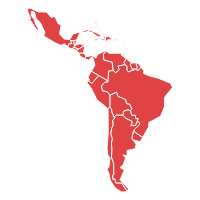
Latin America
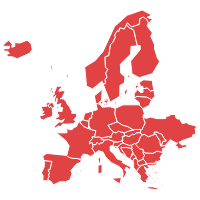
Europe
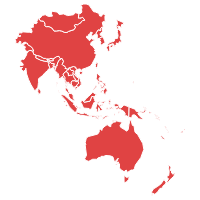
Asia Pacific
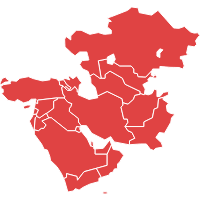
Middle East
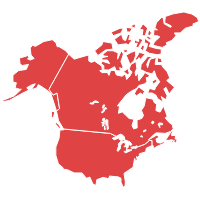
North America
|
Report Benchmarks |
Details |
|
Report Study Period |
2026-2032 |
|
Market Size in 2025 |
US$ 389.4 billion |
|
Market Size in 2032 |
US$ 671.7 billion |
|
Market CAGR |
8.1% |
|
By Product |
|
|
By Application |
|
|
By End User |
|
|
By Region |
|
PBI Analysts anticipate that the sportswear market is witnessing steady growth, supported by rising health awareness, increasing participation in fitness and recreational activities, and the growing influence of athleisure as a lifestyle trend. Consumers increasingly prefer apparel and footwear that offer comfort, performance, and style, driving demand across both athletic and everyday use. Technological advancements in fabrics, expanding e-commerce channels, and strong brand marketing have further strengthened market penetration. Emerging economies are contributing to growth due to urbanization and higher disposable incomes, while sustainability and product innovation continue to shape purchasing decisions. Overall, the market remains competitive, dynamic, and driven by evolving consumer lifestyles.
Download Free Sample Report

Sportswear Market size was valued at US$ 389.4 billion in 2025 and is expected to reach US$ 671.7 billion by 2032, growing at a significant CAGR of 8.1% from 2026-2032.
The market is primarily driven by increasing health and fitness awareness, rising participation in sports and recreational activities, and the growing popularity of athleisure as everyday wear.
Sportswear apparel dominates the market due to its wide usage across fitness, professional sports, and casual lifestyles, along with frequent product innovation and high replacement demand.
Consumers increasingly prefer versatile, comfortable, and stylish sportswear that supports both performance and daily use, encouraging brands to focus on innovation, sustainability, and digital engagement.
Content Updated Date: Feb 2026
| 1.Executive Summary |
| 2.Global Sportswear Market Introduction |
| 2.1.Global Sportswear Market - Taxonomy |
| 2.2.Global Sportswear Market - Definitions |
| 2.2.1.Product |
| 2.2.2.Application |
| 2.2.3.End User |
| 2.2.4.Region |
| 3.Global Sportswear Market Dynamics |
| 3.1. Drivers |
| 3.2. Restraints |
| 3.3. Opportunities/Unmet Needs of the Market |
| 3.4. Trends |
| 3.5. Product Landscape |
| 3.6. New Product Launches |
| 3.7. Impact of COVID 19 on Market |
| 4.Global Sportswear Market Analysis, 2021-2025 and Forecast 2026-2032 |
| 4.1. Market Analysis, 2021-2025 and Forecast 2026-2032, (Sales Value USD Million) |
| 4.2. Year-Over-Year (Y-o-Y) Growth Analysis (%) |
| 4.3. Market Opportunity Analysis |
| 5.Global Sportswear Market By Product, 2021-2025 and Forecast 2026-2032 (Sales Value USD Million) |
| 5.1. Apparel |
| 5.1.1. Market Analysis, 2021-2025 and Forecast 2026-2032, (Sales Value USD Million) |
| 5.1.2. Year-Over-Year (Y-o-Y) Growth Analysis (%) and Market Share Analysis (%) |
| 5.1.3. Market Opportunity Analysis |
| 5.2. Footwear |
| 5.2.1. Market Analysis, 2021-2025 and Forecast 2026-2032, (Sales Value USD Million) |
| 5.2.2. Year-Over-Year (Y-o-Y) Growth Analysis (%) and Market Share Analysis (%) |
| 5.2.3. Market Opportunity Analysis |
| 5.3. Accessories |
| 5.3.1. Market Analysis, 2021-2025 and Forecast 2026-2032, (Sales Value USD Million) |
| 5.3.2. Year-Over-Year (Y-o-Y) Growth Analysis (%) and Market Share Analysis (%) |
| 5.3.3. Market Opportunity Analysis |
| 5.4. Others |
| 5.4.1. Market Analysis, 2021-2025 and Forecast 2026-2032, (Sales Value USD Million) |
| 5.4.2. Year-Over-Year (Y-o-Y) Growth Analysis (%) and Market Share Analysis (%) |
| 5.4.3. Market Opportunity Analysis |
| 6.Global Sportswear Market By Application, 2021-2025 and Forecast 2026-2032 (Sales Value USD Million) |
| 6.1. Professional Sports |
| 6.1.1. Market Analysis, 2021-2025 and Forecast 2026-2032, (Sales Value USD Million) |
| 6.1.2. Year-Over-Year (Y-o-Y) Growth Analysis (%) and Market Share Analysis (%) |
| 6.1.3. Market Opportunity Analysis |
| 6.2. Fitness & Training |
| 6.2.1. Market Analysis, 2021-2025 and Forecast 2026-2032, (Sales Value USD Million) |
| 6.2.2. Year-Over-Year (Y-o-Y) Growth Analysis (%) and Market Share Analysis (%) |
| 6.2.3. Market Opportunity Analysis |
| 6.3. Recreational Activities |
| 6.3.1. Market Analysis, 2021-2025 and Forecast 2026-2032, (Sales Value USD Million) |
| 6.3.2. Year-Over-Year (Y-o-Y) Growth Analysis (%) and Market Share Analysis (%) |
| 6.3.3. Market Opportunity Analysis |
| 6.4. Athleisure |
| 6.4.1. Market Analysis, 2021-2025 and Forecast 2026-2032, (Sales Value USD Million) |
| 6.4.2. Year-Over-Year (Y-o-Y) Growth Analysis (%) and Market Share Analysis (%) |
| 6.4.3. Market Opportunity Analysis |
| 6.5. Others |
| 6.5.1. Market Analysis, 2021-2025 and Forecast 2026-2032, (Sales Value USD Million) |
| 6.5.2. Year-Over-Year (Y-o-Y) Growth Analysis (%) and Market Share Analysis (%) |
| 6.5.3. Market Opportunity Analysis |
| 7.Global Sportswear Market By End User, 2021-2025 and Forecast 2026-2032 (Sales Value USD Million) |
| 7.1. Men |
| 7.1.1. Market Analysis, 2021-2025 and Forecast 2026-2032, (Sales Value USD Million) |
| 7.1.2. Year-Over-Year (Y-o-Y) Growth Analysis (%) and Market Share Analysis (%) |
| 7.1.3. Market Opportunity Analysis |
| 7.2. Women |
| 7.2.1. Market Analysis, 2021-2025 and Forecast 2026-2032, (Sales Value USD Million) |
| 7.2.2. Year-Over-Year (Y-o-Y) Growth Analysis (%) and Market Share Analysis (%) |
| 7.2.3. Market Opportunity Analysis |
| 7.3. Kids |
| 7.3.1. Market Analysis, 2021-2025 and Forecast 2026-2032, (Sales Value USD Million) |
| 7.3.2. Year-Over-Year (Y-o-Y) Growth Analysis (%) and Market Share Analysis (%) |
| 7.3.3. Market Opportunity Analysis |
| 8.Global Sportswear Market By Region, 2021-2025 and Forecast 2026-2032 (Sales Value USD Million) |
| 8.1. North America |
| 8.1.1. Market Analysis, 2021-2025 and Forecast 2026-2032, (Sales Value USD Million) |
| 8.1.2. Year-Over-Year (Y-o-Y) Growth Analysis (%) and Market Share Analysis (%) |
| 8.1.3. Market Opportunity Analysis |
| 8.2. Europe |
| 8.2.1. Market Analysis, 2021-2025 and Forecast 2026-2032, (Sales Value USD Million) |
| 8.2.2. Year-Over-Year (Y-o-Y) Growth Analysis (%) and Market Share Analysis (%) |
| 8.2.3. Market Opportunity Analysis |
| 8.3. Asia Pacific (APAC) |
| 8.3.1. Market Analysis, 2021-2025 and Forecast 2026-2032, (Sales Value USD Million) |
| 8.3.2. Year-Over-Year (Y-o-Y) Growth Analysis (%) and Market Share Analysis (%) |
| 8.3.3. Market Opportunity Analysis |
| 8.4. Middle East and Africa (MEA) |
| 8.4.1. Market Analysis, 2021-2025 and Forecast 2026-2032, (Sales Value USD Million) |
| 8.4.2. Year-Over-Year (Y-o-Y) Growth Analysis (%) and Market Share Analysis (%) |
| 8.4.3. Market Opportunity Analysis |
| 8.5. Latin America |
| 8.5.1. Market Analysis, 2021-2025 and Forecast 2026-2032, (Sales Value USD Million) |
| 8.5.2. Year-Over-Year (Y-o-Y) Growth Analysis (%) and Market Share Analysis (%) |
| 8.5.3. Market Opportunity Analysis |
| 9.North America Sportswear Market ,2021-2025 and Forecast 2026-2032 (Sales Value USD Million) |
| 9.1. Product Analysis 2021-2025 and Forecast 2026-2032 by Sales Value USD Million, Y-o-Y Growth (%), and Market Share (%) |
| 9.1.1.Apparel |
| 9.1.2.Footwear |
| 9.1.3.Accessories |
| 9.1.4.Others |
| 9.2. Application Analysis 2021-2025 and Forecast 2026-2032 by Sales Value USD Million, Y-o-Y Growth (%), and Market Share (%) |
| 9.2.1.Professional Sports |
| 9.2.2.Fitness & Training |
| 9.2.3.Recreational Activities |
| 9.2.4.Athleisure |
| 9.2.5.Others |
| 9.3. End User Analysis 2021-2025 and Forecast 2026-2032 by Sales Value USD Million, Y-o-Y Growth (%), and Market Share (%) |
| 9.3.1.Men |
| 9.3.2.Women |
| 9.3.3.Kids |
| 9.4. Country Analysis 2021-2025 and Forecast 2026-2032 by Sales Value USD Million, Y-o-Y Growth (%), and Market Share (%) |
| 9.4.1.United States of America (USA) |
| 9.4.2.Canada |
| 10.Europe Sportswear Market ,2021-2025 and Forecast 2026-2032 (Sales Value USD Million) |
| 10.1. Product Analysis and Forecast by Sales Value USD Million, Y-o-Y Growth (%), and Market Share (%) |
| 10.1.1.Apparel |
| 10.1.2.Footwear |
| 10.1.3.Accessories |
| 10.1.4.Others |
| 10.2. Application Analysis 2021-2025 and Forecast 2026-2032 by Sales Value USD Million, Y-o-Y Growth (%), and Market Share (%) |
| 10.2.1.Professional Sports |
| 10.2.2.Fitness & Training |
| 10.2.3.Recreational Activities |
| 10.2.4.Athleisure |
| 10.2.5.Others |
| 10.3. End User Analysis 2021-2025 and Forecast 2026-2032 by Sales Value USD Million, Y-o-Y Growth (%), and Market Share (%) |
| 10.3.1.Men |
| 10.3.2.Women |
| 10.3.3.Kids |
| 10.4. Country Analysis 2021-2025 and Forecast 2026-2032 by Sales Value USD Million, Y-o-Y Growth (%), and Market Share (%) |
| 10.4.1.Germany |
| 10.4.2.France |
| 10.4.3.Italy |
| 10.4.4.United Kingdom (UK) |
| 10.4.5.Spain |
| 11.Asia Pacific (APAC) Sportswear Market ,2021-2025 and Forecast 2026-2032 (Sales Value USD Million) |
| 11.1. Product Analysis and Forecast by Sales Value USD Million, Y-o-Y Growth (%), and Market Share (%) |
| 11.1.1.Apparel |
| 11.1.2.Footwear |
| 11.1.3.Accessories |
| 11.1.4.Others |
| 11.2. Application Analysis 2021-2025 and Forecast 2026-2032 by Sales Value USD Million, Y-o-Y Growth (%), and Market Share (%) |
| 11.2.1.Professional Sports |
| 11.2.2.Fitness & Training |
| 11.2.3.Recreational Activities |
| 11.2.4.Athleisure |
| 11.2.5.Others |
| 11.3. End User Analysis 2021-2025 and Forecast 2026-2032 by Sales Value USD Million, Y-o-Y Growth (%), and Market Share (%) |
| 11.3.1.Men |
| 11.3.2.Women |
| 11.3.3.Kids |
| 11.4. Country Analysis 2021-2025 and Forecast 2026-2032 by Sales Value USD Million, Y-o-Y Growth (%), and Market Share (%) |
| 11.4.1.China |
| 11.4.2.India |
| 11.4.3.Australia and New Zealand (ANZ) |
| 11.4.4.Japan |
| 11.4.5.Rest of APAC |
| 12.Middle East and Africa (MEA) Sportswear Market ,2021-2025 and Forecast 2026-2032 (Sales Value USD Million) |
| 12.1. Product Analysis and Forecast by Sales Value USD Million, Y-o-Y Growth (%), and Market Share (%) |
| 12.1.1.Apparel |
| 12.1.2.Footwear |
| 12.1.3.Accessories |
| 12.1.4.Others |
| 12.2. Application Analysis 2021-2025 and Forecast 2026-2032 by Sales Value USD Million, Y-o-Y Growth (%), and Market Share (%) |
| 12.2.1.Professional Sports |
| 12.2.2.Fitness & Training |
| 12.2.3.Recreational Activities |
| 12.2.4.Athleisure |
| 12.2.5.Others |
| 12.3. End User Analysis 2021-2025 and Forecast 2026-2032 by Sales Value USD Million, Y-o-Y Growth (%), and Market Share (%) |
| 12.3.1.Men |
| 12.3.2.Women |
| 12.3.3.Kids |
| 12.4. Country Analysis 2021-2025 and Forecast 2026-2032 by Sales Value USD Million, Y-o-Y Growth (%), and Market Share (%) |
| 12.4.1.GCC Countries |
| 12.4.2.South Africa |
| 12.4.3.Rest of MEA |
| 13.Latin America Sportswear Market ,2021-2025 and Forecast 2026-2032 (Sales Value USD Million) |
| 13.1. Product Analysis and Forecast by Sales Value USD Million, Y-o-Y Growth (%), and Market Share (%) |
| 13.1.1.Apparel |
| 13.1.2.Footwear |
| 13.1.3.Accessories |
| 13.1.4.Others |
| 13.2. Application Analysis 2021-2025 and Forecast 2026-2032 by Sales Value USD Million, Y-o-Y Growth (%), and Market Share (%) |
| 13.2.1.Professional Sports |
| 13.2.2.Fitness & Training |
| 13.2.3.Recreational Activities |
| 13.2.4.Athleisure |
| 13.2.5.Others |
| 13.3. End User Analysis 2021-2025 and Forecast 2026-2032 by Sales Value USD Million, Y-o-Y Growth (%), and Market Share (%) |
| 13.3.1.Men |
| 13.3.2.Women |
| 13.3.3.Kids |
| 13.4. Country Analysis 2021-2025 and Forecast 2026-2032 by Sales Value USD Million, Y-o-Y Growth (%), and Market Share (%) |
| 13.4.1.Brazil |
| 13.4.2.Mexico |
| 13.4.3.Rest of LA |
| 14. Competition Landscape |
| 14.1. Market Player Profiles (Introduction, Brand/Product Sales, Financial Analysis, Product Offerings, Key Developments, Collaborations, M & A, Strategies, and SWOT Analysis) |
| 14.2.1.Nike, Inc. |
| 14.2.2.Adidas AG |
| 14.2.3.Puma SE |
| 14.2.4.Under Armour, Inc. |
| 14.2.5.ASICS Corporation |
| 14.2.6.Lululemon Athletica Inc. |
| 14.2.7.New Balance Athletics, Inc. |
| 14.2.8.VF Corporation |
| 14.2.9.Anta Sports Products Limited |
| 14.2.10.Skechers USA, Inc. |
| 15. Research Methodology |
| 16. Appendix and Abbreviations |
Key Market Players

 Download Sample