Global Aircraft Battery Market: By Battery Type, Application, Aircraft Type and Region Forecast 2021-2032
Global Aircraft Battery Market: By Battery Type, Application, Aircraft Type and Region Forecast 2021-2032
Report ID:479711
Published Date:Dec 2025
No of Pages:225
Format:

Aircraft Battery Market size was valued at US$ 1,714.8 million in 2025 and is expected to reach US$ 3,035.5 million by 2032, growing at a significant CAGR of 8.5% from 2026-2032. Moreover, the U.S. Aircraft Battery Market is projected to grow at a CAGR of 8.8% CAGR over the forecast period.
The market refers to the segment of the aerospace industry focused on the development, production, and supply of batteries used to power critical aircraft systems. These batteries provide energy for engine starts, emergency backup, navigation, lighting, avionics, and increasingly for electric and hybrid-electric propulsion systems. The market includes various battery chemistries such as nickel-cadmium (Ni-Cd), lithium-ion (Li-ion), lead-acid, and emerging solid-state technologies designed to meet aviation standards for safety, energy density, and reliability.
The market is experiencing steady growth driven by rising aircraft production, increasing commercial aviation traffic, and the shift toward more electric and hybrid-electric aircraft architectures. Manufacturers are investing in lightweight, high-capacity, and thermally stable lithium-ion solutions as airlines and OEMs aim to improve fuel efficiency and reduce carbon emissions. Additionally, ongoing replacements of aging fleets, stricter regulatory requirements for safety, and the expanding demand for unmanned aerial vehicles (UAVs) continue to strengthen market demand. Overall, the market is evolving toward advanced battery systems that support next-generation aircraft performance, sustainability, and operational reliability.
Based on the battery type
The lithium-ion batteries are anticipated to lead the aircraft battery market, driven primarily by their superior energy density and weight advantages. The single most influential driver supporting this dominance is the aviation industry’s strong focus on weight reduction to improve fuel efficiency and overall aircraft performance. Lithium-ion batteries offer significantly higher energy storage capacity while being considerably lighter than traditional lead-acid and nickel-cadmium batteries, making them highly suitable for modern aircraft platforms. Their ability to support advanced onboard electronics, emergency power systems, and next-generation electric and hybrid aircraft further strengthens adoption. In addition, lithium-ion batteries demonstrate longer life cycles, lower maintenance requirements, and improved charging efficiency, which reduce operational costs for airlines and operators. As aircraft manufacturers increasingly integrate electrification technologies and pursue sustainability goals, the demand for high-performance, lightweight battery solutions continues to rise. Consequently, the weight-efficiency advantage of lithium-ion batteries remains the key driver positioning this segment as the leading contributor within the global aircraft battery market.
Based on the aircraft type
The fixed-wing aircraft are anticipated to dominate the aircraft battery market, driven primarily by their extensive global fleet size and continuous operational demand. The single most influential driver behind this leadership is the high volume of commercial and military fixed-wing aircraft requiring reliable battery systems for engine start, auxiliary power, emergency backup, and onboard electronics. Fixed-wing platforms operate on frequent flight cycles, resulting in regular battery replacement and maintenance needs, which sustains consistent market demand. Additionally, ongoing fleet expansion by commercial airlines, along with modernization programs in military aviation, further strengthens battery consumption in this segment. Fixed-wing aircraft also increasingly integrate advanced avionics and electrified systems, raising dependency on high-performance batteries. As global air travel continues to recover and long-term fleet growth remains strong, the sheer scale and operational intensity of fixed-wing aircraft serve as the primary driver positioning this segment as the leading contributor to the overall aircraft battery market.
Based on the application
The auxiliary power units (APUs) are anticipated to represent the leading segment in the aircraft battery market, driven primarily by their critical role in routine aircraft operations. The single most influential driver behind this dominance is the continuous need for reliable onboard power during ground operations and engine start-up. Aircraft batteries supporting APUs enable essential functions such as avionics operation, cabin systems, and environmental controls when main engines are not running, reducing fuel consumption and operational costs. With airlines increasingly focused on improving efficiency and minimizing ground-time emissions, dependence on battery-supported APUs has grown significantly. Moreover, frequent aircraft turnaround cycles lead to repeated battery usage and replacement, sustaining consistent demand. As both commercial and military fleets expand and modernize, the reliance on efficient auxiliary power systems continues to increase. Consequently, the operational necessity of uninterrupted and efficient ground power remains the key driver positioning the APU application segment as the leading contributor within the global aircraft battery market.
Study Period
2026-2032Base Year
2024CAGR
8.5%Largest Market
North AmericaFastest Growing Market
Asia Pacific
A significant driver of the Aircraft Battery Market is the increasing adoption of electric and hybrid-electric propulsion systems in both commercial and military aircraft. Airlines and aircraft manufacturers are under mounting pressure to reduce carbon emissions and improve fuel efficiency, pushing the aerospace sector to integrate energy-dense and lightweight battery technologies. Lithium-ion batteries, in particular, are gaining traction due to their high energy-to-weight ratio and longer lifecycle compared to traditional nickel-cadmium systems. Moreover, the growth of urban air mobility and electric vertical take-off and landing (eVTOL) aircraft is driving demand for compact, reliable, and high-performance batteries. With global air traffic expected to grow steadily, manufacturers are investing in research and development to enhance battery safety, thermal stability, and capacity. This investment is fueling market expansion and creating a competitive environment focused on innovation, thereby establishing electric propulsion as a key market driver.
A notable restraint in the Aircraft Battery Market is the stringent regulatory requirements and certification processes for aviation-grade batteries. Aircraft batteries must comply with rigorous international standards for safety, performance, and environmental resistance, such as RTCA DO-311 and FAR Part 25 regulations. The certification process for new battery technologies, especially lithium-ion and solid-state variants, is highly time-consuming, often taking several years. Additionally, manufacturers must conduct extensive testing for thermal runaway, vibration resistance, and electrical performance under extreme conditions, increasing production costs and delaying market entry. The risk of battery failures, which can have catastrophic consequences in-flight, further restricts rapid adoption of innovative solutions. These regulatory and safety challenges limit the speed of technological advancement and deployment in the market, making compliance costs a significant barrier for small and emerging manufacturers attempting to penetrate the aerospace battery sector.
A major opportunity in the Aircraft Battery Market lies in the expansion of unmanned aerial vehicles (UAVs) and drone applications across commercial, defense, and logistics sectors. UAVs require lightweight, high-capacity, and long-lasting batteries to extend flight duration, carry heavier payloads, and support sophisticated onboard systems. As industries adopt drones for cargo delivery, surveillance, mapping, and disaster management, the demand for advanced battery solutions is increasing exponentially. This trend creates an avenue for battery manufacturers to innovate with high-energy-density chemistries, modular battery packs, and rapid-charging solutions. Furthermore, government investments and incentives for drone technology adoption, particularly in Asia-Pacific and North America, are expected to fuel the market. Companies that develop specialized batteries optimized for UAV performance can capture a growing segment, enabling diversification beyond traditional commercial and military aviation, and positioning themselves at the forefront of emerging aerial technologies.
A prevailing trend in the Aircraft Battery Market is the shift toward lithium-ion and next-generation solid-state batteries in both commercial and defense aviation. Traditional nickel-cadmium and lead-acid batteries are increasingly being replaced due to their limited energy density, shorter lifecycle, and higher maintenance requirements. Lithium-ion batteries offer superior weight-to-energy ratios, faster charging, and longer operational lifespans, making them ideal for modern aircraft systems and hybrid-electric propulsion. Additionally, research is focusing on solid-state batteries, which promise higher safety, reduced thermal risks, and even greater energy density. This trend aligns with the industry’s broader goals of reducing aircraft weight, enhancing fuel efficiency, and supporting environmentally sustainable operations. Aircraft manufacturers and OEMs are collaborating with battery developers to integrate these next-generation technologies seamlessly, which is gradually setting new performance standards and driving the evolution of aviation battery systems globally.
Largest Share of the Region:
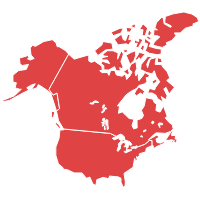
North America region’s growth is primarily driven by its well-established commercial and military aviation sectors, increasing investments in aircraft modernization, and a strong focus on research and development of advanced battery technologies. Airlines and defense organizations are actively adopting lithium-ion and hybrid-electric propulsion systems to improve fuel efficiency and reduce carbon emissions. Additionally, stringent safety regulations and high adoption of next-generation battery systems for both new aircraft and fleet retrofitting are accelerating market expansion. With a mature aviation infrastructure and ongoing technological innovation, North America is expected to maintain its dominance in the aircraft battery market over the forecast period.
Fastest Growing/ Emerging Region:
Asia-Pacific region is witnessing rapid growth due to increasing air passenger traffic, fleet expansion by low-cost carriers, and significant government support for aerospace and defense programs. Countries in the region are investing in electric and hybrid-electric aircraft as part of sustainability initiatives and urban air mobility development. The rising adoption of unmanned aerial vehicles (UAVs) for commercial, defense, and logistics applications is also contributing to growing demand for advanced battery technologies. Coupled with a focus on lightweight, high-capacity, and high-performance batteries, Asia-Pacific is positioned as a key emerging market with strong growth potential.
Latin America
Europe
Asia Pacific
Middle East
North America
|
Report Benchmarks |
Details |
|
Report Study Period |
2026-2032 |
|
Market Size in 2025 |
US$ 1,714.8 million |
|
Market Size in 2032 |
US$ 3,035.5 million |
|
Market CAGR |
8.5% |
|
By Battery Type |
|
|
By Aircraft Type |
|
|
By Application |
|
|
By Region |
|
PBI Analysts anticipate that the global aircraft battery market is evolving rapidly, supported by rising aircraft production, fleet modernization, and the growing electrification of aviation systems. Batteries play a critical role in engine start, auxiliary power, emergency backup, and increasingly in hybrid-electric and advanced air mobility platforms. Demand is shifting from traditional lead-acid and nickel-cadmium batteries toward lithium-ion technologies due to their superior energy density, weight reduction benefits, and lower maintenance requirements. Regulatory emphasis on safety standards and thermal management continues to influence product innovation and certification timelines. At the same time, the expansion of unmanned aerial vehicles and electric aircraft concepts is opening new growth avenues for high-performance battery solutions. While cost and safety challenges remain, ongoing technological advancements, increased R&D investment, and long-term sustainability goals are expected to support steady growth of the aircraft battery market in the coming years.
Download Free Sample Report

Aircraft Battery Market size was valued at US$ 1,580.5 million in 2024 and is projected to reach US$ 2,797.7 million by 2031 at a CAGR of 8.5% form 2025-2031.
Lithium-ion batteries are increasingly preferred due to their high energy density, lighter weight, longer life cycle, and lower maintenance compared to lead-acid and nickel-cadmium batteries.
Major challenges include stringent safety and certification requirements, thermal runaway risks, high development costs, and the need for compliance with strict aviation regulatory standards.
Key growth drivers include rising aircraft production, fleet modernization, increased electrification of aircraft systems, and growing demand for electric, hybrid, and unmanned aircraft.
A prevailing trend in the market is the shift toward lithium-ion and next-generation solid-state batteries in both commercial and defense aviation.
Content Updated Date: Feb 2026
| 1.Executive Summary |
| 2.Global Aircraft Battery Market Introduction |
| 2.1.Global Aircraft Battery Market - Taxonomy |
| 2.2.Global Aircraft Battery Market - Definitions |
| 2.2.1. Battery Type |
| 2.2.2.Aircraft Type |
| 2.2.3.Application |
| 2.2.4.Region |
| 3.Global Aircraft Battery Market Dynamics |
| 3.1. Drivers |
| 3.2. Restraints |
| 3.3. Opportunities/Unmet Needs of the Market |
| 3.4. Trends |
| 3.5. Product Landscape |
| 3.6. New Product Launches |
| 3.7. Impact of COVID 19 on Market |
| 4.Global Aircraft Battery Market Analysis, 2020 - 2024 and Forecast 2025 - 2031 |
| 4.1. Market Analysis, 2020 - 2024 and Forecast, 2025 - 2031, (Sales Value USD Million) |
| 4.2. Year-Over-Year (Y-o-Y) Growth Analysis (%) |
| 4.3. Market Opportunity Analysis |
| 5.Global Aircraft Battery Market By Battery Type, 2020 - 2024 and Forecast 2025 - 2031 (Sales Value USD Million) |
| 5.1. Lead Acid Battery |
| 5.1.1. Market Analysis, 2020 - 2024 and Forecast, 2025 - 2031, (Sales Value USD Million) |
| 5.1.2. Year-Over-Year (Y-o-Y) Growth Analysis (%) and Market Share Analysis (%) |
| 5.1.3. Market Opportunity Analysis |
| 5.2. Nickel Cadmium Battery |
| 5.2.1. Market Analysis, 2020 - 2024 and Forecast, 2025 - 2031, (Sales Value USD Million) |
| 5.2.2. Year-Over-Year (Y-o-Y) Growth Analysis (%) and Market Share Analysis (%) |
| 5.2.3. Market Opportunity Analysis |
| 5.3. Lithium-ion Battery |
| 5.3.1. Market Analysis, 2020 - 2024 and Forecast, 2025 - 2031, (Sales Value USD Million) |
| 5.3.2. Year-Over-Year (Y-o-Y) Growth Analysis (%) and Market Share Analysis (%) |
| 5.3.3. Market Opportunity Analysis |
| 5.4. Solid-State Battery |
| 5.4.1. Market Analysis, 2020 - 2024 and Forecast, 2025 - 2031, (Sales Value USD Million) |
| 5.4.2. Year-Over-Year (Y-o-Y) Growth Analysis (%) and Market Share Analysis (%) |
| 5.4.3. Market Opportunity Analysis |
| 6.Global Aircraft Battery Market By Aircraft Type, 2020 - 2024 and Forecast 2025 - 2031 (Sales Value USD Million) |
| 6.1. Fixed-Wing |
| 6.1.1. Market Analysis, 2020 - 2024 and Forecast, 2025 - 2031, (Sales Value USD Million) |
| 6.1.2. Year-Over-Year (Y-o-Y) Growth Analysis (%) and Market Share Analysis (%) |
| 6.1.3. Market Opportunity Analysis |
| 6.2. Rotary-Wing |
| 6.2.1. Market Analysis, 2020 - 2024 and Forecast, 2025 - 2031, (Sales Value USD Million) |
| 6.2.2. Year-Over-Year (Y-o-Y) Growth Analysis (%) and Market Share Analysis (%) |
| 6.2.3. Market Opportunity Analysis |
| 6.3. Unmanned Aerial Vehicles |
| 6.3.1. Market Analysis, 2020 - 2024 and Forecast, 2025 - 2031, (Sales Value USD Million) |
| 6.3.2. Year-Over-Year (Y-o-Y) Growth Analysis (%) and Market Share Analysis (%) |
| 6.3.3. Market Opportunity Analysis |
| 6.4. Advanced Air Mobility |
| 6.4.1. Market Analysis, 2020 - 2024 and Forecast, 2025 - 2031, (Sales Value USD Million) |
| 6.4.2. Year-Over-Year (Y-o-Y) Growth Analysis (%) and Market Share Analysis (%) |
| 6.4.3. Market Opportunity Analysis |
| 7.Global Aircraft Battery Market By Application, 2020 - 2024 and Forecast 2025 - 2031 (Sales Value USD Million) |
| 7.1. Auxillary Power Unit |
| 7.1.1. Market Analysis, 2020 - 2024 and Forecast, 2025 - 2031, (Sales Value USD Million) |
| 7.1.2. Year-Over-Year (Y-o-Y) Growth Analysis (%) and Market Share Analysis (%) |
| 7.1.3. Market Opportunity Analysis |
| 7.2. Emergency Power |
| 7.2.1. Market Analysis, 2020 - 2024 and Forecast, 2025 - 2031, (Sales Value USD Million) |
| 7.2.2. Year-Over-Year (Y-o-Y) Growth Analysis (%) and Market Share Analysis (%) |
| 7.2.3. Market Opportunity Analysis |
| 7.3. Propulsion |
| 7.3.1. Market Analysis, 2020 - 2024 and Forecast, 2025 - 2031, (Sales Value USD Million) |
| 7.3.2. Year-Over-Year (Y-o-Y) Growth Analysis (%) and Market Share Analysis (%) |
| 7.3.3. Market Opportunity Analysis |
| 7.4. Others |
| 7.4.1. Market Analysis, 2020 - 2024 and Forecast, 2025 - 2031, (Sales Value USD Million) |
| 7.4.2. Year-Over-Year (Y-o-Y) Growth Analysis (%) and Market Share Analysis (%) |
| 7.4.3. Market Opportunity Analysis |
| 8.Global Aircraft Battery Market By Region, 2020 - 2024 and Forecast 2025 - 2031 (Sales Value USD Million) |
| 8.1. North America |
| 8.1.1. Market Analysis, 2020 - 2024 and Forecast, 2025 - 2031, (Sales Value USD Million) |
| 8.1.2. Year-Over-Year (Y-o-Y) Growth Analysis (%) and Market Share Analysis (%) |
| 8.1.3. Market Opportunity Analysis |
| 8.2. Europe |
| 8.2.1. Market Analysis, 2020 - 2024 and Forecast, 2025 - 2031, (Sales Value USD Million) |
| 8.2.2. Year-Over-Year (Y-o-Y) Growth Analysis (%) and Market Share Analysis (%) |
| 8.2.3. Market Opportunity Analysis |
| 8.3. Asia Pacific (APAC) |
| 8.3.1. Market Analysis, 2020 - 2024 and Forecast, 2025 - 2031, (Sales Value USD Million) |
| 8.3.2. Year-Over-Year (Y-o-Y) Growth Analysis (%) and Market Share Analysis (%) |
| 8.3.3. Market Opportunity Analysis |
| 8.4. Middle East and Africa (MEA) |
| 8.4.1. Market Analysis, 2020 - 2024 and Forecast, 2025 - 2031, (Sales Value USD Million) |
| 8.4.2. Year-Over-Year (Y-o-Y) Growth Analysis (%) and Market Share Analysis (%) |
| 8.4.3. Market Opportunity Analysis |
| 8.5. Latin America |
| 8.5.1. Market Analysis, 2020 - 2024 and Forecast, 2025 - 2031, (Sales Value USD Million) |
| 8.5.2. Year-Over-Year (Y-o-Y) Growth Analysis (%) and Market Share Analysis (%) |
| 8.5.3. Market Opportunity Analysis |
| 9.North America Aircraft Battery Market ,2020 - 2024 and Forecast 2025 - 2031 (Sales Value USD Million) |
| 9.1. Battery Type Analysis 2020 - 2024 and Forecast 2025 - 2031By Sales Value USD Million, Y-o-Y Growth (%), and Market Share (%) |
| 9.1.1.Lead Acid Battery |
| 9.1.2.Nickel Cadmium Battery |
| 9.1.3.Lithium-ion Battery |
| 9.1.4.Solid-State Battery |
| 9.2. Aircraft Type Analysis 2020 - 2024 and Forecast 2025 - 2031By Sales Value USD Million, Y-o-Y Growth (%), and Market Share (%) |
| 9.2.1.Fixed-Wing |
| 9.2.2.Rotary-Wing |
| 9.2.3.Unmanned Aerial Vehicles |
| 9.2.4.Advanced Air Mobility |
| 9.3. Application Analysis 2020 - 2024 and Forecast 2025 - 2031By Sales Value USD Million, Y-o-Y Growth (%), and Market Share (%) |
| 9.3.1.Auxillary Power Unit |
| 9.3.2.Emergency Power |
| 9.3.3.Propulsion |
| 9.3.4.Others |
| 9.4. Country Analysis 2020 - 2024 and Forecast 2025 - 2031By Sales Value USD Million, Y-o-Y Growth (%), and Market Share (%) |
| 9.4.1.United States of America (USA) |
| 9.4.2.Canada |
| 10.Europe Aircraft Battery Market ,2020 - 2024 and Forecast 2025 - 2031 (Sales Value USD Million) |
| 10.1. Battery Type Analysis and Forecast By Sales Value USD Million, Y-o-Y Growth (%), and Market Share (%) |
| 10.1.1.Lead Acid Battery |
| 10.1.2.Nickel Cadmium Battery |
| 10.1.3.Lithium-ion Battery |
| 10.1.4.Solid-State Battery |
| 10.2. Aircraft Type Analysis 2020 - 2024 and Forecast 2025 - 2031By Sales Value USD Million, Y-o-Y Growth (%), and Market Share (%) |
| 10.2.1.Fixed-Wing |
| 10.2.2.Rotary-Wing |
| 10.2.3.Unmanned Aerial Vehicles |
| 10.2.4.Advanced Air Mobility |
| 10.3. Application Analysis 2020 - 2024 and Forecast 2025 - 2031By Sales Value USD Million, Y-o-Y Growth (%), and Market Share (%) |
| 10.3.1.Auxillary Power Unit |
| 10.3.2.Emergency Power |
| 10.3.3.Propulsion |
| 10.3.4.Others |
| 10.4. Country Analysis 2020 - 2024 and Forecast 2025 - 2031By Sales Value USD Million, Y-o-Y Growth (%), and Market Share (%) |
| 10.4.1.Germany |
| 10.4.2.France |
| 10.4.3.Italy |
| 10.4.4.United Kingdom (UK) |
| 10.4.5.Spain |
| 11.Asia Pacific (APAC) Aircraft Battery Market ,2020 - 2024 and Forecast 2025 - 2031 (Sales Value USD Million) |
| 11.1. Battery Type Analysis and Forecast By Sales Value USD Million, Y-o-Y Growth (%), and Market Share (%) |
| 11.1.1.Lead Acid Battery |
| 11.1.2.Nickel Cadmium Battery |
| 11.1.3.Lithium-ion Battery |
| 11.1.4.Solid-State Battery |
| 11.2. Aircraft Type Analysis 2020 - 2024 and Forecast 2025 - 2031By Sales Value USD Million, Y-o-Y Growth (%), and Market Share (%) |
| 11.2.1.Fixed-Wing |
| 11.2.2.Rotary-Wing |
| 11.2.3.Unmanned Aerial Vehicles |
| 11.2.4.Advanced Air Mobility |
| 11.3. Application Analysis 2020 - 2024 and Forecast 2025 - 2031By Sales Value USD Million, Y-o-Y Growth (%), and Market Share (%) |
| 11.3.1.Auxillary Power Unit |
| 11.3.2.Emergency Power |
| 11.3.3.Propulsion |
| 11.3.4.Others |
| 11.4. Country Analysis 2020 - 2024 and Forecast 2025 - 2031By Sales Value USD Million, Y-o-Y Growth (%), and Market Share (%) |
| 11.4.1.China |
| 11.4.2.India |
| 11.4.3.Australia and New Zealand (ANZ) |
| 11.4.4.Japan |
| 11.4.5.Rest of APAC |
| 12.Middle East and Africa (MEA) Aircraft Battery Market ,2020 - 2024 and Forecast 2025 - 2031 (Sales Value USD Million) |
| 12.1. Battery Type Analysis and Forecast By Sales Value USD Million, Y-o-Y Growth (%), and Market Share (%) |
| 12.1.1.Lead Acid Battery |
| 12.1.2.Nickel Cadmium Battery |
| 12.1.3.Lithium-ion Battery |
| 12.1.4.Solid-State Battery |
| 12.2. Aircraft Type Analysis 2020 - 2024 and Forecast 2025 - 2031By Sales Value USD Million, Y-o-Y Growth (%), and Market Share (%) |
| 12.2.1.Fixed-Wing |
| 12.2.2.Rotary-Wing |
| 12.2.3.Unmanned Aerial Vehicles |
| 12.2.4.Advanced Air Mobility |
| 12.3. Application Analysis 2020 - 2024 and Forecast 2025 - 2031By Sales Value USD Million, Y-o-Y Growth (%), and Market Share (%) |
| 12.3.1.Auxillary Power Unit |
| 12.3.2.Emergency Power |
| 12.3.3.Propulsion |
| 12.3.4.Others |
| 12.4. Country Analysis 2020 - 2024 and Forecast 2025 - 2031By Sales Value USD Million, Y-o-Y Growth (%), and Market Share (%) |
| 12.4.1.GCC Countries |
| 12.4.2.South Africa |
| 12.4.3.Rest of MEA |
| 13.Latin America Aircraft Battery Market ,2020 - 2024 and Forecast 2025 - 2031 (Sales Value USD Million) |
| 13.1. Battery Type Analysis and Forecast By Sales Value USD Million, Y-o-Y Growth (%), and Market Share (%) |
| 13.1.1.Lead Acid Battery |
| 13.1.2.Nickel Cadmium Battery |
| 13.1.3.Lithium-ion Battery |
| 13.1.4.Solid-State Battery |
| 13.2. Aircraft Type Analysis 2020 - 2024 and Forecast 2025 - 2031By Sales Value USD Million, Y-o-Y Growth (%), and Market Share (%) |
| 13.2.1.Fixed-Wing |
| 13.2.2.Rotary-Wing |
| 13.2.3.Unmanned Aerial Vehicles |
| 13.2.4.Advanced Air Mobility |
| 13.3. Application Analysis 2020 - 2024 and Forecast 2025 - 2031By Sales Value USD Million, Y-o-Y Growth (%), and Market Share (%) |
| 13.3.1.Auxillary Power Unit |
| 13.3.2.Emergency Power |
| 13.3.3.Propulsion |
| 13.3.4.Others |
| 13.4. Country Analysis 2020 - 2024 and Forecast 2025 - 2031By Sales Value USD Million, Y-o-Y Growth (%), and Market Share (%) |
| 13.4.1.Brazil |
| 13.4.2.Mexico |
| 13.4.3.Rest of LA |
| 14. Competition Landscape |
| 14.1. Market Player Profiles (Introduction, Brand/Product Sales, Financial Analysis, Product Offerings, Key Developments, Collaborations, M & A, Strategies, and SWOT Analysis) |
| 14.2.1.Saft Groupe SAS |
| 14.2.2.EnerSys |
| 14.2.3.Concorde Battery Corporation |
| 14.2.4.EaglePicher Technologies |
| 14.2.5.GS Yuasa Corporation |
| 14.2.6.Teledyne Battery Products |
| 14.2.7.True Blue Power |
| 14.2.8.MarathonNorco Aerospace |
| 14.2.9.HBL Power Systems Limited |
| 14.2.10.Exide Industries Limited |
| 15. Research Methodology |
| 16. Appendix and Abbreviations |
Key Market Players

 Download Sample