Armored Vehicles Market: By Vehicle Type, Mobility, Application, System, End User, and Region Forecast 2021-2032
Armored Vehicles Market: By Vehicle Type, Mobility, Application, System, End User, and Region Forecast 2021-2032
Report ID:222969
Published Date:Dec 2025
No of Pages:212
Format:

Armored Vehicles Market size was valued at US$ 54.0 billion in 2025 and is expected to reach US$ 68.7 billion by 2032, growing at a significant CAGR of 3.5% from 2026-2032. Moreover, the U.S. Armored Vehicles Market is projected to grow at 3.5% over the forecast period.
The armored vehicles market refers to the global industry dedicated to the design, development, production, and deployment of military and commercial vehicles equipped with protective armor. These vehicles are engineered to offer enhanced security against ballistic threats, explosives, and hostile environments, and they include main battle tanks, infantry fighting vehicles, armored personnel carriers, mine-resistant vehicles, and tactical vehicles. The market also covers associated technologies such as active protection systems, communication tools, mobility enhancements, and advanced weapon systems.
The armored vehicles market is witnessing steady growth driven by rising geopolitical tensions, increased defense modernization programs, and the growing need to protect military personnel in conflict-prone regions. Governments are investing heavily in next-generation armored platforms with advanced survivability, improved mobility, and digital battlefield capabilities. Additionally, the integration of technologies such as AI-based situational awareness, hybrid propulsion, and unmanned turrets is shaping the market’s evolution. Expanding demand from law enforcement agencies and homeland security forces further supports market expansion across the world.
Based on the vehicle type
The leading driver of the Armored Vehicles Market, particularly in the Vegetable Oil-Based Lubricants segment, is the growing emphasis on environmental sustainability. Vegetable oil-based lubricants are derived from renewable sources and are fully biodegradable, offering a significant reduction in ecological impact compared to conventional petroleum-based oils. Industries, especially automotive and manufacturing, are increasingly adopting these lubricants to comply with stringent environmental regulations and reduce carbon footprints. Their superior lubricity, low toxicity, and compatibility with existing machinery make them a preferred choice for businesses aiming to meet green initiatives. Consequently, sustainability concerns are the primary catalyst propelling the growth of vegetable oil-based lubricants.
Based on the mobility
The wheeled armored vehicles are anticipated to lead the global armored vehicles market, driven primarily by their superior operational flexibility and cost efficiency. The single most influential driver behind this dominance is their ability to deliver high mobility across varied terrains while offering lower acquisition, maintenance, and lifecycle costs compared to tracked platforms. Wheeled armored vehicles are widely used for troop transport, reconnaissance, border patrol, and internal security missions, where speed, range, and ease of deployment are critical. Their compatibility with road networks enables rapid deployment and reduced logistical burden, making them especially suitable for peacekeeping and urban operations. Additionally, advancements in suspension systems and run-flat tire technologies have enhanced off-road performance, narrowing the capability gap with tracked vehicles. As modern military and security operations increasingly emphasize rapid response and operational efficiency, mobility-driven preference continues to position wheeled platforms as the leading mobility segment in the global armored vehicles market.
Based on the application
The defense and military segment is anticipated to dominate the global armored vehicles market, driven primarily by sustained government investment in national defense capabilities. The single most influential driver behind this dominance is the growing need for advanced land combat platforms to address evolving security threats and geopolitical tensions. Armored vehicles are essential for military operations, including frontline combat, troop transport, reconnaissance, and force protection in both conventional and asymmetric warfare scenarios. Continuous modernization programs, replacement of aging fleets, and the integration of advanced technologies such as active protection systems, enhanced mobility, and network-centric warfare capabilities further reinforce demand within the defense and military segment. Compared to homeland security, border patrol, and law enforcement applications, military operations require larger fleets and more sophisticated armored platforms. As nations continue to prioritize defense readiness and strategic deterrence, the scale and criticality of military requirements remain the key driver positioning defense and military as the leading application segment in the global armored vehicles market.
Based on the system
The armor and protection systems are anticipated to lead the global armored vehicles market, driven primarily by the increasing emphasis on crew survivability in modern combat environments. The single most influential driver behind this dominance is the rising threat from advanced weapons such as improvised explosive devices (IEDs), anti-tank guided missiles, and kinetic energy projectiles. To counter these risks, defense forces are prioritizing advanced armor solutions, including modular composite armor, reactive armor, and active protection systems that can detect and neutralize incoming threats. Continuous upgrades to existing vehicle fleets to enhance protection levels further sustain demand for armor and protection systems. Compared to other subsystems, survivability upgrades are often the first requirement in modernization programs, even before firepower or digital enhancements. As asymmetric warfare and high-intensity conflicts continue to evolve, the need to protect personnel and critical assets remains paramount, positioning armor and protection systems as the leading system segment within the global armored vehicles market.
Based on the end user
The army segment is anticipated to dominate the global armored vehicles market, driven primarily by its extensive operational requirements and large-scale force deployment. The single most influential driver behind this dominance is the army’s continuous need for ground-based combat, troop mobility, and battlefield protection across diverse terrains and conflict scenarios. Armies worldwide operate the largest fleets of armored platforms, including main battle tanks, infantry fighting vehicles, armored personnel carriers, and MRAPs, resulting in sustained procurement and upgrade demand. Ongoing modernization programs aimed at enhancing survivability, firepower, and mobility further reinforce investment in armored vehicles for land forces. Additionally, rising geopolitical tensions, border security challenges, and asymmetric warfare threats have increased reliance on heavily protected ground platforms. Compared to naval and air forces, which use armored systems more selectively, the army’s central role in frontline operations ensures consistent demand. As nations continue to prioritize land force readiness and modernization, operational scale remains the key driver positioning the army as the leading end-user segment in the global armored vehicles market.
Study Period
2026-2032Base Year
2024CAGR
3.5%Largest Market
North AmericaFastest Growing Market
Asia Pacific
One of the primary drivers of the armored vehicles market is the rising global defense expenditure, particularly in regions facing geopolitical instability. Governments are increasingly allocating significant budgets to modernize their military fleets and replace outdated vehicles with technologically advanced armored platforms. This surge in defense spending is fueled by the need to enhance national security, safeguard troops in conflict zones, and maintain strategic superiority. Additionally, the evolving nature of warfare, including asymmetric warfare and urban combat scenarios, has created a demand for vehicles capable of providing higher protection, mobility, and versatility. The introduction of next-generation armor, mine-resistant technology, and active protection systems has further incentivized procurement. As countries prioritize defense modernization to counter emerging threats, manufacturers are receiving long-term contracts, driving research and development in armored vehicles. This trend reflects both military preparedness and a growing defense industrial base globally.
A significant restraint to the growth of the armored vehicles market is the high production and maintenance cost associated with these vehicles. Advanced armored vehicles require specialized materials, sophisticated technology integration, and skilled labor, which considerably elevates manufacturing expenses. The inclusion of reinforced armor plating, advanced weaponry, active protection systems, and electronic defense systems contributes to higher procurement prices. Moreover, the operational costs, including fuel consumption, regular maintenance, spare parts, and crew training, impose a financial burden on defense budgets, especially for developing countries. Budget constraints can limit large-scale procurement or delay fleet modernization programs. Additionally, some nations may prioritize other defense equipment over armored vehicles due to these high costs. This economic challenge restricts market penetration in regions with limited defense spending and can slow down the adoption of next-generation armored platforms, affecting overall market growth.
The armored vehicles market presents substantial opportunity through the emerging demand for technologically advanced, multi-role vehicles that cater to both military and non-military applications. Innovations in lightweight armor, hybrid propulsion systems, and integrated communication and surveillance technologies are enabling the development of vehicles that are faster, more fuel-efficient, and equipped with superior threat-detection capabilities. These multi-role platforms can be adapted for combat operations, peacekeeping missions, disaster response, and VIP transport, broadening their applications beyond conventional warfare. Furthermore, the rise of unmanned armored vehicles presents additional prospects for countries seeking to reduce human casualties in hostile environments. Increasing collaborations between defense manufacturers and governments in research and development further accelerate technological breakthroughs, creating a competitive advantage for companies that innovate. The expansion of domestic defense production in emerging economies also provides manufacturers with new markets and long-term growth potential.
A key trend shaping the armored vehicles market is the integration of digital technologies and battlefield automation to enhance operational efficiency and survivability. Modern armored vehicles are increasingly equipped with AI-driven situational awareness systems, advanced sensors, GPS navigation, and real-time communication platforms, enabling better decision-making during missions. Active protection systems that can detect and neutralize incoming threats, such as RPGs or anti-tank missiles, are becoming standard, while remotely operated turrets and drones are improving combat flexibility. Moreover, there is a growing emphasis on hybrid and electric propulsion systems to reduce fuel dependency and improve sustainability. These technological trends reflect a shift toward smarter, network-centric armored vehicles capable of participating in integrated military operations. As nations continue to modernize their fleets, the adoption of digital and automated technologies is expected to be a decisive factor influencing market competitiveness and innovation.
Largest Share of the Region:
North America is anticipated to remain the largest market for armored vehicles due to its strong defense infrastructure, continuous modernization of military fleets, and high defense spending. The region benefits from well-established defense manufacturers, advanced technological capabilities, and ongoing investments in next-generation armored platforms. Demand is primarily driven by the need for highly survivable and technologically sophisticated vehicles, including main battle tanks, infantry fighting vehicles, and armored personnel carriers. Additionally, trends such as integration of AI-based situational awareness, active protection systems, and network-centric battlefield technologies are shaping fleet upgrades. The presence of multiple ongoing defense contracts and focus on modernization programs ensures that North America continues to hold a dominant position in the global armored vehicles market.
Fastest Growing/ Emerging Region:
The Asia-Pacific region is emerging as a high-potential growth market for armored vehicles, fueled by increasing defense budgets and rising geopolitical tensions in the region. Countries are investing in domestically produced armored platforms and modernizing existing fleets to enhance mobility, protection, and survivability. The market growth is further supported by the adoption of advanced technologies such as hybrid propulsion, active protection systems, and integrated communication systems. Additionally, the growing need for multi-role vehicles that can operate in diverse combat and peacekeeping scenarios is driving demand. These factors position Asia-Pacific as a rapidly expanding market with significant long-term growth potential.
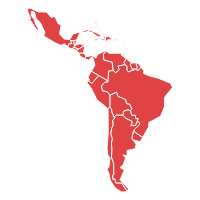
Latin America
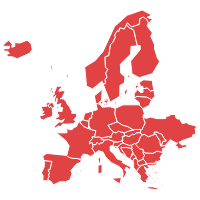
Europe
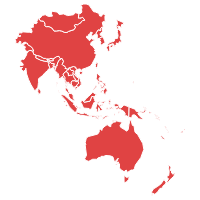
Asia Pacific
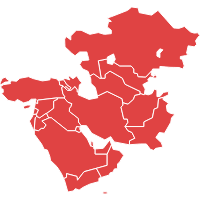
Middle East
North America
|
Report Benchmarks |
Details |
|
Report Study Period |
2026-2032 |
|
Market Size in 2025 |
US$ 54.0 billion |
|
Market Size in 2032 |
US$ 68.7 billion |
|
Market CAGR |
3.5% |
|
By Vehicle Type |
|
|
By Mobality |
|
|
By Application |
|
|
By System |
|
|
By End User |
|
|
By Region |
|
PBI Analysts anticipate that the market is witnessing strong momentum, driven by rising defense spending, geopolitical tensions, and increasing demand for enhanced troop protection and mobility. Governments worldwide are prioritizing modernization of land forces, leading to sustained procurement of main battle tanks, armored personnel carriers, and mine-resistant vehicles. Technological advancements such as modular armor, active protection systems, hybrid propulsion, and integrated digital battlefield solutions are reshaping vehicle design and operational capabilities. Demand is also expanding beyond traditional military use, with internal security, border patrol, and peacekeeping operations contributing to market growth. Emerging economies are investing in indigenous armored vehicle programs, while established manufacturers focus on upgrades and lifecycle support for existing fleets. Although high acquisition and maintenance costs pose challenges, long-term contracts and modernization initiatives continue to support market stability. Overall, the armored vehicles market remains robust, underpinned by evolving security requirements and continuous technological innovation.
Download Free Sample Report

Armored vehicles market size was valued at US$ 52,150.2 million in 2024 and is projected to reach US$ 66,349.6 million by 2031 at a CAGR of 3.5%.
Armored vehicles are mainly used for military operations, troop transport, reconnaissance, border security, and internal security missions where protection against ballistic threats and explosives is critical.
Major challenges include high procurement and maintenance costs, long development cycles, stringent defense regulations, and the complexity of integrating advanced protection and electronic systems.
Key drivers include rising defense budgets, increasing geopolitical tensions, modernization of military fleets, and growing demand for enhanced survivability and mobility.
Content Updated Date: Feb 2026
| 1.Executive Summary |
| 2.Global Armored Vehicles Market Introduction |
| 2.1.Global Armored Vehicles Market - Taxonomy |
| 2.2.Global Armored Vehicles Market - Definitions |
| 2.2.1.Vehicle Type |
| 2.2.2.Mobality |
| 2.2.3.Application |
| 2.2.4.System |
| 2.2.5.Region |
| 3.Global Armored Vehicles Market Dynamics |
| 3.1. Drivers |
| 3.2. Restraints |
| 3.3. Opportunities/Unmet Needs of the Market |
| 3.4. Trends |
| 3.5. Product Landscape |
| 3.6. New Product Launches |
| 3.7. Impact of COVID 19 on Market |
| 4.Global Armored Vehicles Market Analysis, 2020 - 2024 and Forecast 2025 - 2031 |
| 4.1. Market Analysis, 2020 - 2024 and Forecast, 2025 - 2031, (Sales Value USD Million) |
| 4.2. Year-Over-Year (Y-o-Y) Growth Analysis (%) |
| 4.3. Market Opportunity Analysis |
| 5.Global Armored Vehicles Market By Vehicle Type, 2020 - 2024 and Forecast 2025 - 2031 (Sales Value USD Million) |
| 5.1. Main Battle Tanks (MBTs) |
| 5.1.1. Market Analysis, 2020 - 2024 and Forecast, 2025 - 2031, (Sales Value USD Million) |
| 5.1.2. Year-Over-Year (Y-o-Y) Growth Analysis (%) and Market Share Analysis (%) |
| 5.1.3. Market Opportunity Analysis |
| 5.2. Armored Personnel Carriers (APCs) |
| 5.2.1. Market Analysis, 2020 - 2024 and Forecast, 2025 - 2031, (Sales Value USD Million) |
| 5.2.2. Year-Over-Year (Y-o-Y) Growth Analysis (%) and Market Share Analysis (%) |
| 5.2.3. Market Opportunity Analysis |
| 5.3. Infantry Fighting Vehicles (IFVs) |
| 5.3.1. Market Analysis, 2020 - 2024 and Forecast, 2025 - 2031, (Sales Value USD Million) |
| 5.3.2. Year-Over-Year (Y-o-Y) Growth Analysis (%) and Market Share Analysis (%) |
| 5.3.3. Market Opportunity Analysis |
| 5.4. Mine-Resistant Ambush Protected (MRAP) Vehicles |
| 5.4.1. Market Analysis, 2020 - 2024 and Forecast, 2025 - 2031, (Sales Value USD Million) |
| 5.4.2. Year-Over-Year (Y-o-Y) Growth Analysis (%) and Market Share Analysis (%) |
| 5.4.3. Market Opportunity Analysis |
| 5.5. Light Armored Vehicles |
| 5.5.1. Market Analysis, 2020 - 2024 and Forecast, 2025 - 2031, (Sales Value USD Million) |
| 5.5.2. Year-Over-Year (Y-o-Y) Growth Analysis (%) and Market Share Analysis (%) |
| 5.5.3. Market Opportunity Analysis |
| 5.6. Tactical & Utility Armored Vehicles |
| 5.6.1. Market Analysis, 2020 - 2024 and Forecast, 2025 - 2031, (Sales Value USD Million) |
| 5.6.2. Year-Over-Year (Y-o-Y) Growth Analysis (%) and Market Share Analysis (%) |
| 5.6.3. Market Opportunity Analysis |
| 6.Global Armored Vehicles Market By Mobality, 2020 - 2024 and Forecast 2025 - 2031 (Sales Value USD Million) |
| 6.1. Wheeled |
| 6.1.1. Market Analysis, 2020 - 2024 and Forecast, 2025 - 2031, (Sales Value USD Million) |
| 6.1.2. Year-Over-Year (Y-o-Y) Growth Analysis (%) and Market Share Analysis (%) |
| 6.1.3. Market Opportunity Analysis |
| 6.2. Tracked |
| 6.2.1. Market Analysis, 2020 - 2024 and Forecast, 2025 - 2031, (Sales Value USD Million) |
| 6.2.2. Year-Over-Year (Y-o-Y) Growth Analysis (%) and Market Share Analysis (%) |
| 6.2.3. Market Opportunity Analysis |
| 7.Global Armored Vehicles Market By Application, 2020 - 2024 and Forecast 2025 - 2031 (Sales Value USD Million) |
| 7.1. Defense & Military |
| 7.1.1. Market Analysis, 2020 - 2024 and Forecast, 2025 - 2031, (Sales Value USD Million) |
| 7.1.2. Year-Over-Year (Y-o-Y) Growth Analysis (%) and Market Share Analysis (%) |
| 7.1.3. Market Opportunity Analysis |
| 7.2. Homeland Security |
| 7.2.1. Market Analysis, 2020 - 2024 and Forecast, 2025 - 2031, (Sales Value USD Million) |
| 7.2.2. Year-Over-Year (Y-o-Y) Growth Analysis (%) and Market Share Analysis (%) |
| 7.2.3. Market Opportunity Analysis |
| 7.3. Border Patrol |
| 7.3.1. Market Analysis, 2020 - 2024 and Forecast, 2025 - 2031, (Sales Value USD Million) |
| 7.3.2. Year-Over-Year (Y-o-Y) Growth Analysis (%) and Market Share Analysis (%) |
| 7.3.3. Market Opportunity Analysis |
| 7.4. Peacekeeping Operations |
| 7.4.1. Market Analysis, 2020 - 2024 and Forecast, 2025 - 2031, (Sales Value USD Million) |
| 7.4.2. Year-Over-Year (Y-o-Y) Growth Analysis (%) and Market Share Analysis (%) |
| 7.4.3. Market Opportunity Analysis |
| 7.5. Law Enforcement |
| 7.5.1. Market Analysis, 2020 - 2024 and Forecast, 2025 - 2031, (Sales Value USD Million) |
| 7.5.2. Year-Over-Year (Y-o-Y) Growth Analysis (%) and Market Share Analysis (%) |
| 7.5.3. Market Opportunity Analysis |
| 8.Global Armored Vehicles Market By System, 2020 - 2024 and Forecast 2025 - 2031 (Sales Value USD Million) |
| 8.1. Armor & Protection Systems |
| 8.1.1. Market Analysis, 2020 - 2024 and Forecast, 2025 - 2031, (Sales Value USD Million) |
| 8.1.2. Year-Over-Year (Y-o-Y) Growth Analysis (%) and Market Share Analysis (%) |
| 8.1.3. Market Opportunity Analysis |
| 8.2. Weapon Systems |
| 8.2.1. Market Analysis, 2020 - 2024 and Forecast, 2025 - 2031, (Sales Value USD Million) |
| 8.2.2. Year-Over-Year (Y-o-Y) Growth Analysis (%) and Market Share Analysis (%) |
| 8.2.3. Market Opportunity Analysis |
| 8.3. Powertrain Systems |
| 8.3.1. Market Analysis, 2020 - 2024 and Forecast, 2025 - 2031, (Sales Value USD Million) |
| 8.3.2. Year-Over-Year (Y-o-Y) Growth Analysis (%) and Market Share Analysis (%) |
| 8.3.3. Market Opportunity Analysis |
| 8.4. Command & Control Systems |
| 8.4.1. Market Analysis, 2020 - 2024 and Forecast, 2025 - 2031, (Sales Value USD Million) |
| 8.4.2. Year-Over-Year (Y-o-Y) Growth Analysis (%) and Market Share Analysis (%) |
| 8.4.3. Market Opportunity Analysis |
| 8.5. Navigation & Surveillance Systems |
| 8.5.1. Market Analysis, 2020 - 2024 and Forecast, 2025 - 2031, (Sales Value USD Million) |
| 8.5.2. Year-Over-Year (Y-o-Y) Growth Analysis (%) and Market Share Analysis (%) |
| 8.5.3. Market Opportunity Analysis |
| 9.Global Armored Vehicles Market By Region, 2020 - 2024 and Forecast 2025 - 2031 (Sales Value USD Million) |
| 9.1. North America |
| 9.1.1. Market Analysis, 2020 - 2024 and Forecast, 2025 - 2031, (Sales Value USD Million) |
| 9.1.2. Year-Over-Year (Y-o-Y) Growth Analysis (%) and Market Share Analysis (%) |
| 9.1.3. Market Opportunity Analysis |
| 9.2. Europe |
| 9.2.1. Market Analysis, 2020 - 2024 and Forecast, 2025 - 2031, (Sales Value USD Million) |
| 9.2.2. Year-Over-Year (Y-o-Y) Growth Analysis (%) and Market Share Analysis (%) |
| 9.2.3. Market Opportunity Analysis |
| 9.3. Asia Pacific (APAC) |
| 9.3.1. Market Analysis, 2020 - 2024 and Forecast, 2025 - 2031, (Sales Value USD Million) |
| 9.3.2. Year-Over-Year (Y-o-Y) Growth Analysis (%) and Market Share Analysis (%) |
| 9.3.3. Market Opportunity Analysis |
| 9.4. Middle East and Africa (MEA) |
| 9.4.1. Market Analysis, 2020 - 2024 and Forecast, 2025 - 2031, (Sales Value USD Million) |
| 9.4.2. Year-Over-Year (Y-o-Y) Growth Analysis (%) and Market Share Analysis (%) |
| 9.4.3. Market Opportunity Analysis |
| 9.5. Latin America |
| 9.5.1. Market Analysis, 2020 - 2024 and Forecast, 2025 - 2031, (Sales Value USD Million) |
| 9.5.2. Year-Over-Year (Y-o-Y) Growth Analysis (%) and Market Share Analysis (%) |
| 9.5.3. Market Opportunity Analysis |
| 10.North America Armored Vehicles Market ,2020 - 2024 and Forecast 2025 - 2031 (Sales Value USD Million) |
| 10.1. Vehicle Type Analysis 2020 - 2024 and Forecast 2025 - 2031 by Sales Value USD Million, Y-o-Y Growth (%), and Market Share (%) |
| 10.1.1.Main Battle Tanks (MBTs) |
| 10.1.2.Armored Personnel Carriers (APCs) |
| 10.1.3.Infantry Fighting Vehicles (IFVs) |
| 10.1.4.Mine-Resistant Ambush Protected (MRAP) Vehicles |
| 10.1.5.Light Armored Vehicles |
| 10.1.6.Tactical & Utility Armored Vehicles |
| 10.2. Mobality Analysis 2020 - 2024 and Forecast 2025 - 2031 by Sales Value USD Million, Y-o-Y Growth (%), and Market Share (%) |
| 10.2.1.Wheeled |
| 10.2.2.Tracked |
| 10.3. Application Analysis 2020 - 2024 and Forecast 2025 - 2031 by Sales Value USD Million, Y-o-Y Growth (%), and Market Share (%) |
| 10.3.1.Defense & Military |
| 10.3.2.Homeland Security |
| 10.3.3.Border Patrol |
| 10.3.4.Peacekeeping Operations |
| 10.3.5.Law Enforcement |
| 10.4. System Analysis 2020 - 2024 and Forecast 2025 - 2031 by Sales Value USD Million, Y-o-Y Growth (%), and Market Share (%) |
| 10.4.1.Armor & Protection Systems |
| 10.4.2.Weapon Systems |
| 10.4.3.Powertrain Systems |
| 10.4.4.Command & Control Systems |
| 10.4.5.Navigation & Surveillance Systems |
| 10.5. Country Analysis 2020 - 2024 and Forecast 2025 - 2031 by Sales Value USD Million, Y-o-Y Growth (%), and Market Share (%) |
| 10.5.1.United States of America (USA) |
| 10.5.2.Canada |
| 11.Europe Armored Vehicles Market ,2020 - 2024 and Forecast 2025 - 2031 (Sales Value USD Million) |
| 11.1. Vehicle Type Analysis and Forecast by Sales Value USD Million, Y-o-Y Growth (%), and Market Share (%) |
| 11.1.1.Main Battle Tanks (MBTs) |
| 11.1.2.Armored Personnel Carriers (APCs) |
| 11.1.3.Infantry Fighting Vehicles (IFVs) |
| 11.1.4.Mine-Resistant Ambush Protected (MRAP) Vehicles |
| 11.1.5.Light Armored Vehicles |
| 11.1.6.Tactical & Utility Armored Vehicles |
| 11.2. Mobality Analysis 2020 - 2024 and Forecast 2025 - 2031 by Sales Value USD Million, Y-o-Y Growth (%), and Market Share (%) |
| 11.2.1.Wheeled |
| 11.2.2.Tracked |
| 11.3. Application Analysis 2020 - 2024 and Forecast 2025 - 2031 by Sales Value USD Million, Y-o-Y Growth (%), and Market Share (%) |
| 11.3.1.Defense & Military |
| 11.3.2.Homeland Security |
| 11.3.3.Border Patrol |
| 11.3.4.Peacekeeping Operations |
| 11.3.5.Law Enforcement |
| 11.4. System Analysis 2020 - 2024 and Forecast 2025 - 2031 by Sales Value USD Million, Y-o-Y Growth (%), and Market Share (%) |
| 11.4.1.Armor & Protection Systems |
| 11.4.2.Weapon Systems |
| 11.4.3.Powertrain Systems |
| 11.4.4.Command & Control Systems |
| 11.4.5.Navigation & Surveillance Systems |
| 11.5. Country Analysis 2020 - 2024 and Forecast 2025 - 2031 by Sales Value USD Million, Y-o-Y Growth (%), and Market Share (%) |
| 11.5.1.Germany |
| 11.5.2.France |
| 11.5.3.Italy |
| 11.5.4.United Kingdom (UK) |
| 11.5.5.Spain |
| 12.Asia Pacific (APAC) Armored Vehicles Market ,2020 - 2024 and Forecast 2025 - 2031 (Sales Value USD Million) |
| 12.1. Vehicle Type Analysis and Forecast by Sales Value USD Million, Y-o-Y Growth (%), and Market Share (%) |
| 12.1.1.Main Battle Tanks (MBTs) |
| 12.1.2.Armored Personnel Carriers (APCs) |
| 12.1.3.Infantry Fighting Vehicles (IFVs) |
| 12.1.4.Mine-Resistant Ambush Protected (MRAP) Vehicles |
| 12.1.5.Light Armored Vehicles |
| 12.1.6.Tactical & Utility Armored Vehicles |
| 12.2. Mobality Analysis 2020 - 2024 and Forecast 2025 - 2031 by Sales Value USD Million, Y-o-Y Growth (%), and Market Share (%) |
| 12.2.1.Wheeled |
| 12.2.2.Tracked |
| 12.3. Application Analysis 2020 - 2024 and Forecast 2025 - 2031 by Sales Value USD Million, Y-o-Y Growth (%), and Market Share (%) |
| 12.3.1.Defense & Military |
| 12.3.2.Homeland Security |
| 12.3.3.Border Patrol |
| 12.3.4.Peacekeeping Operations |
| 12.3.5.Law Enforcement |
| 12.4. System Analysis 2020 - 2024 and Forecast 2025 - 2031 by Sales Value USD Million, Y-o-Y Growth (%), and Market Share (%) |
| 12.4.1.Armor & Protection Systems |
| 12.4.2.Weapon Systems |
| 12.4.3.Powertrain Systems |
| 12.4.4.Command & Control Systems |
| 12.4.5.Navigation & Surveillance Systems |
| 12.5. Country Analysis 2020 - 2024 and Forecast 2025 - 2031 by Sales Value USD Million, Y-o-Y Growth (%), and Market Share (%) |
| 12.5.1.China |
| 12.5.2.India |
| 12.5.3.Australia and New Zealand (ANZ) |
| 12.5.4.Japan |
| 12.5.5.Rest of APAC |
| 13.Middle East and Africa (MEA) Armored Vehicles Market ,2020 - 2024 and Forecast 2025 - 2031 (Sales Value USD Million) |
| 13.1. Vehicle Type Analysis and Forecast by Sales Value USD Million, Y-o-Y Growth (%), and Market Share (%) |
| 13.1.1.Main Battle Tanks (MBTs) |
| 13.1.2.Armored Personnel Carriers (APCs) |
| 13.1.3.Infantry Fighting Vehicles (IFVs) |
| 13.1.4.Mine-Resistant Ambush Protected (MRAP) Vehicles |
| 13.1.5.Light Armored Vehicles |
| 13.1.6.Tactical & Utility Armored Vehicles |
| 13.2. Mobality Analysis 2020 - 2024 and Forecast 2025 - 2031 by Sales Value USD Million, Y-o-Y Growth (%), and Market Share (%) |
| 13.2.1.Wheeled |
| 13.2.2.Tracked |
| 13.3. Application Analysis 2020 - 2024 and Forecast 2025 - 2031 by Sales Value USD Million, Y-o-Y Growth (%), and Market Share (%) |
| 13.3.1.Defense & Military |
| 13.3.2.Homeland Security |
| 13.3.3.Border Patrol |
| 13.3.4.Peacekeeping Operations |
| 13.3.5.Law Enforcement |
| 13.4. System Analysis 2020 - 2024 and Forecast 2025 - 2031 by Sales Value USD Million, Y-o-Y Growth (%), and Market Share (%) |
| 13.4.1.Armor & Protection Systems |
| 13.4.2.Weapon Systems |
| 13.4.3.Powertrain Systems |
| 13.4.4.Command & Control Systems |
| 13.4.5.Navigation & Surveillance Systems |
| 13.5. Country Analysis 2020 - 2024 and Forecast 2025 - 2031 by Sales Value USD Million, Y-o-Y Growth (%), and Market Share (%) |
| 13.5.1.GCC Countries |
| 13.5.2.South Africa |
| 13.5.3.Rest of MEA |
| 14.Latin America Armored Vehicles Market ,2020 - 2024 and Forecast 2025 - 2031 (Sales Value USD Million) |
| 14.1. Vehicle Type Analysis and Forecast by Sales Value USD Million, Y-o-Y Growth (%), and Market Share (%) |
| 14.1.1.Main Battle Tanks (MBTs) |
| 14.1.2.Armored Personnel Carriers (APCs) |
| 14.1.3.Infantry Fighting Vehicles (IFVs) |
| 14.1.4.Mine-Resistant Ambush Protected (MRAP) Vehicles |
| 14.1.5.Light Armored Vehicles |
| 14.1.6.Tactical & Utility Armored Vehicles |
| 14.2. Mobality Analysis 2020 - 2024 and Forecast 2025 - 2031 by Sales Value USD Million, Y-o-Y Growth (%), and Market Share (%) |
| 14.2.1.Wheeled |
| 14.2.2.Tracked |
| 14.3. Application Analysis 2020 - 2024 and Forecast 2025 - 2031 by Sales Value USD Million, Y-o-Y Growth (%), and Market Share (%) |
| 14.3.1.Defense & Military |
| 14.3.2.Homeland Security |
| 14.3.3.Border Patrol |
| 14.3.4.Peacekeeping Operations |
| 14.3.5.Law Enforcement |
| 14.4. System Analysis 2020 - 2024 and Forecast 2025 - 2031 by Sales Value USD Million, Y-o-Y Growth (%), and Market Share (%) |
| 14.4.1.Armor & Protection Systems |
| 14.4.2.Weapon Systems |
| 14.4.3.Powertrain Systems |
| 14.4.4.Command & Control Systems |
| 14.4.5.Navigation & Surveillance Systems |
| 14.5. Country Analysis 2020 - 2024 and Forecast 2025 - 2031 by Sales Value USD Million, Y-o-Y Growth (%), and Market Share (%) |
| 14.5.1.Brazil |
| 14.5.2.Mexico |
| 14.5.3.Rest of LA |
| 15. Competition Landscape |
| 15.1. Market Player Profiles (Introduction, Brand/Product Sales, Financial Analysis, Product Offerings, Key Developments, Collaborations, M & A, Strategies, and SWOT Analysis) |
| 15.2.1.General Dynamics Corporation |
| 15.2.2.BAE Systems plc |
| 15.2.3.Rheinmetall AG |
| 15.2.4.Oshkosh Corporation/Oshkosh Defense |
| 15.2.5.KNDS N.V |
| 15.2.6.Hanwha Defense |
| 15.2.7.Textron Inc |
| 15.2.8.Elbit Systems Ltd |
| 15.2.9.IVECO Defense Vehicles |
| 15.2.10.Patria Group |
| 16. Research Methodology |
| 17. Appendix and Abbreviations |
Key Market Players

 Download Sample