Alternative Energy Market: By Energy Source, By Technology, By Application, By End User and Region Forecast 2021-2032
Alternative Energy Market: By Energy Source, By Technology, By Application, By End User and Region Forecast 2021-2032
Report ID:181907
Published Date:Dec 2025
No of Pages:231
Format:

Alternative Energy Market size was valued at US$ 1,388.8 billion in 2025 and is expected to reach US$ 3,070.2 billion by 2032, growing at a significant CAGR of 12.0% from 2026-2032. Moreover, the U.S. Alternative Energy Market is projected to grow at a CAGR of 13% in near future.
The market refers to the industry focused on the generation, distribution, and use of energy derived from non-fossil fuel sources such as solar, wind, hydropower, geothermal, and bioenergy. It aims to reduce dependence on conventional energy sources while lowering greenhouse gas emissions and supporting long-term energy sustainability.
The market is experiencing strong growth due to rising environmental concerns, supportive government policies, and increasing investments in renewable infrastructure. Advancements in technology, declining production costs, and growing corporate and consumer demand for clean energy are further accelerating market adoption across residential, commercial, and industrial sectors.
Based on the energy source
Based on the energy source, solar energy is anticipated to be the leading segment in the alternative energy market, primarily driven by its scalability and rapidly improving cost competitiveness. Solar power can be deployed across utility-scale, commercial, and residential settings, making it more accessible than other renewable sources. Continuous advancements in photovoltaic efficiency, combined with simplified installation processes and declining balance-of-system costs, are accelerating adoption across both developed and emerging economies. In addition, supportive government policies, net-metering frameworks, and corporate sustainability commitments are encouraging widespread solar deployment. The ability of solar energy to integrate seamlessly with energy storage systems and smart grids further strengthens its market leadership, positioning it as the most commercially attractive and fastest-growing renewable energy source globally.
Based on the technology
Based on the technology, grid-connected systems are anticipated to lead the alternative energy market, driven by their ability to support large-scale power generation and seamless integration with national electricity networks. Grid-connected systems enable utilities and independent power producers to transmit renewable energy efficiently over long distances, ensuring stable supply and improved load management. The growing expansion of solar and wind farms, coupled with investments in transmission infrastructure and smart grids, is strengthening the adoption of grid-connected solutions. Additionally, favorable regulatory frameworks, feed-in mechanisms, and long-term power purchase agreements encourage large-capacity installations. The trend toward digital grid management and advanced monitoring further enhances system reliability, positioning grid-connected systems as the dominant technology in the alternative energy market.
Based on the application
Based on the application, power generation is expected to dominate the alternative energy market, primarily driven by the global transition toward clean electricity production. Utilities and governments are increasingly prioritizing renewable power generation to replace coal- and gas-based plants, reduce emissions, and meet long-term energy security goals. Large-scale deployment of solar, wind, and hydropower projects is strengthening renewable electricity capacity across regions. Additionally, electrification of end-use sectors such as industry, buildings, and transportation is increasing demand for clean power at the grid level. Continuous improvements in grid infrastructure, energy storage integration, and digital power management are further supporting renewable-based power generation, making it the most established and commercially significant application segment within the alternative energy market.
Based on the end user
Based on the end user, utilities are anticipated to be the leading segment in the alternative energy market, driven by large-scale renewable power deployment and long-term energy transition strategies. Utility companies are at the forefront of integrating renewable sources such as solar, wind, and hydropower into national and regional grids to meet rising electricity demand and regulatory clean energy targets. Their ability to invest in high-capacity projects, supported by government-backed policies and structured power purchase agreements, provides a significant advantage over smaller end users. Additionally, utilities are adopting advanced grid management, energy storage, and digital monitoring solutions to improve reliability and efficiency, reinforcing their dominant role in the expansion of alternative energy adoption.
Study Period
2026-2032Base Year
2024CAGR
12%Largest Market
Asia-PacificFastest Growing Market
Latin America
One of the primary drivers of the alternative energy market is the global push to reduce carbon emissions and mitigate climate change. Governments across developed and developing economies are implementing strict environmental regulations, net-zero targets, and renewable energy mandates to reduce reliance on fossil fuels. International agreements and national climate commitments have compelled utilities, industries, and corporations to transition toward cleaner energy sources. Additionally, rising fossil fuel price volatility and concerns over energy security have accelerated investments in renewable power generation. Technological advancements have significantly improved the efficiency of solar panels, wind turbines, and energy storage systems, making alternative energy more cost-competitive with conventional sources. Corporate sustainability goals and increased consumer awareness regarding environmental impact are also encouraging large-scale adoption. Together, regulatory pressure, economic incentives, and technological progress are creating a strong demand base, positioning alternative energy as a critical component of future global energy systems.
Despite strong growth potential, the alternative energy market faces several restraints, with high initial capital investment being one of the most significant. The development of renewable energy infrastructure such as solar farms, wind parks, grid integration systems, and energy storage facilities requires substantial upfront expenditure. This can limit adoption, particularly in developing regions with constrained financial resources. Additionally, the intermittent nature of renewable energy sources like solar and wind poses challenges to grid stability and reliable power supply. Limited energy storage capacity and inadequate transmission infrastructure further restrict large-scale deployment. Regulatory delays, land acquisition issues, and complex permitting processes can also slow project execution. In some regions, continued subsidies for fossil fuels reduce the competitiveness of alternative energy. These economic, technical, and policy-related barriers continue to moderate the pace of market expansion.
A major opportunity in the alternative energy market lies in the rapid expansion of energy storage and grid modernization solutions. As renewable energy penetration increases, demand for advanced battery technologies, smart grids, and digital energy management systems is growing significantly. Innovations in lithium-ion batteries, solid-state batteries, and long-duration energy storage are enabling better management of intermittent power generation. Emerging economies present another key opportunity, as rising electricity demand, urbanization, and limited access to traditional power infrastructure encourage decentralized renewable solutions such as rooftop solar and microgrids. Corporate power purchase agreements (PPAs) and green hydrogen development are further opening new revenue streams. Additionally, declining technology costs and increased private-sector investment are making alternative energy projects more financially attractive. These factors collectively create long-term growth opportunities for energy developers, technology providers, and investors.
One of the most prominent trends shaping the alternative energy market is the integration of digital technologies and artificial intelligence into renewable energy systems. Advanced analytics, AI-driven forecasting, and Internet of Things (IoT) solutions are being used to optimize energy production, predict maintenance needs, and improve grid efficiency. Digital platforms enable real-time monitoring of renewable assets, reducing downtime and operational costs. Another notable trend is the growing focus on hybrid energy systems that combine solar, wind, and storage to ensure reliable power supply. The rise of green hydrogen as a clean fuel alternative is also gaining momentum, particularly for industrial and transportation applications. Furthermore, increased corporate participation through sustainability-linked investments and long-term clean energy contracts is reshaping market dynamics, reinforcing the shift toward a digitally enabled, low-carbon energy ecosystem.
Largest Share of the Region:
The Asia-Pacific region is anticipated to be the largest growing market for alternative energy over the coming decade, driven by an unprecedented expansion in renewable installations and supportive governmental frameworks. Countries within this region are aggressively diversifying energy portfolios to reduce dependency on traditional thermal power and enhance energy security amid surging electricity demand. Major governments have committed to ambitious renewable targets, resulting in the rapid commissioning of large-scale solar parks, offshore and onshore wind projects, and utility-linked energy storage systems. This growth is further accelerated by declining technology costs and the scaling of local manufacturing capacities for critical components like photovoltaic modules and wind turbine parts. The region’s trend toward integrating digital energy management and smart grid technologies is also enhancing renewable penetration, improving grid reliability, and opening new opportunities for distributed energy resources.
Fastest Growing/ Emerging Region:
Latin America is emerging as a dynamic growth region in the alternative energy market, propelled by expanding clean energy policies and increasing private investment. A combination of abundant natural resources such as high solar irradiance and strong wind corridors alongside policy incentives has attracted both domestic and international developers to pursue large-scale renewable projects. Several countries are restructuring energy markets to encourage competition and reduce regulatory barriers, creating favourable conditions for renewable auctions and corporate renewable procurement. The trend toward hybrid renewable systems blended with energy storage is gaining momentum, as utilities seek to balance intermittent generation with grid stability. Additionally, regional cooperation initiatives aimed at cross-border electricity trade and integrated transmission networks are positioning Latin America as a growing hub for alternative energy deployment.
Latin America
Europe
Asia Pacific
Middle East
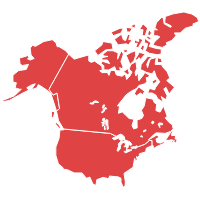
North America
|
Report Benchmarks |
Details |
|
Report Study Period |
2026-2032 |
|
Market Size in 2025 |
US$ 1,388.8 billion |
|
Market Size in 2032 |
US$ 3,070.2 billion |
|
Market CAGR |
12% |
|
By Energy Source |
|
|
By Technology |
|
|
By Application |
|
|
By End User |
|
|
By Region |
|
PBI Analysts anticipate that the market is witnessing sustained growth as countries accelerate the transition toward low-carbon and sustainable energy systems. Increasing environmental regulations, rising energy demand, and the need to reduce dependence on fossil fuels are driving investments across solar, wind, hydropower, and other renewable sources. Technological advancements and declining installation costs are improving the commercial viability of renewable projects across residential, commercial, and utility-scale applications. Governments and utilities play a key role through supportive policies, grid modernization, and long-term clean energy commitments. Overall, the market is evolving into a core component of the global energy mix, supported by innovation, infrastructure development, and growing sustainability awareness.
Download Free Sample Report

Alternative Energy Market size was valued at US$ 1.24 trillion in 2024 and is projected to reach US$ 2.75 trillion by 2031 at a CAGR of 12% from 2025-2031.
The market is primarily driven by rising environmental concerns, government regulations to reduce carbon emissions, increasing energy demand, and advancements that have made renewable technologies more cost-effective and efficient.
Solar energy is expected to lead the market due to its scalability, declining installation costs, wide applicability across residential to utility-scale projects, and strong policy and corporate support.
Utilities are the major end users, as they invest heavily in large-scale renewable projects and grid integration to meet national energy targets and ensure reliable, clean power supply.
Content Updated Date: Feb 2026
| 1.Executive Summary |
| 2.Global Alternative Energy Market Introduction |
| 2.1.Global Alternative Energy Market - Taxonomy |
| 2.2.Global Alternative Energy Market - Definitions |
| 2.2.1.Energy Source |
| 2.2.2.Technology |
| 2.2.3.Application |
| 2.2.4.End User |
| 2.2.5.Region |
| 3.Global Alternative Energy Market Dynamics |
| 3.1. Drivers |
| 3.2. Restraints |
| 3.3. Opportunities/Unmet Needs of the Market |
| 3.4. Trends |
| 3.5. Product Landscape |
| 3.6. New Product Launches |
| 3.7. Impact of COVID 19 on Market |
| 4.Global Alternative Energy Market Analysis, 2020 - 2024 and Forecast 2025 - 2031 |
| 4.1. Market Analysis, 2020 - 2024 and Forecast, 2025 - 2031, (Sales Value USD Million) |
| 4.2. Year-Over-Year (Y-o-Y) Growth Analysis (%) |
| 4.3. Market Opportunity Analysis |
| 5.Global Alternative Energy Market By Energy Source, 2020 - 2024 and Forecast 2025 - 2031 (Sales Value USD Million) |
| 5.1. Solar Energy |
| 5.1.1. Market Analysis, 2020 - 2024 and Forecast, 2025 - 2031, (Sales Value USD Million) |
| 5.1.2. Year-Over-Year (Y-o-Y) Growth Analysis (%) and Market Share Analysis (%) |
| 5.1.3. Market Opportunity Analysis |
| 5.2. Wind Energy |
| 5.2.1. Market Analysis, 2020 - 2024 and Forecast, 2025 - 2031, (Sales Value USD Million) |
| 5.2.2. Year-Over-Year (Y-o-Y) Growth Analysis (%) and Market Share Analysis (%) |
| 5.2.3. Market Opportunity Analysis |
| 5.3. Hydropower |
| 5.3.1. Market Analysis, 2020 - 2024 and Forecast, 2025 - 2031, (Sales Value USD Million) |
| 5.3.2. Year-Over-Year (Y-o-Y) Growth Analysis (%) and Market Share Analysis (%) |
| 5.3.3. Market Opportunity Analysis |
| 5.4. Geothermal Energy |
| 5.4.1. Market Analysis, 2020 - 2024 and Forecast, 2025 - 2031, (Sales Value USD Million) |
| 5.4.2. Year-Over-Year (Y-o-Y) Growth Analysis (%) and Market Share Analysis (%) |
| 5.4.3. Market Opportunity Analysis |
| 5.5. Bioenergy |
| 5.5.1. Market Analysis, 2020 - 2024 and Forecast, 2025 - 2031, (Sales Value USD Million) |
| 5.5.2. Year-Over-Year (Y-o-Y) Growth Analysis (%) and Market Share Analysis (%) |
| 5.5.3. Market Opportunity Analysis |
| 5.6. Others |
| 5.6.1. Market Analysis, 2020 - 2024 and Forecast, 2025 - 2031, (Sales Value USD Million) |
| 5.6.2. Year-Over-Year (Y-o-Y) Growth Analysis (%) and Market Share Analysis (%) |
| 5.6.3. Market Opportunity Analysis |
| 6.Global Alternative Energy Market By Technology, 2020 - 2024 and Forecast 2025 - 2031 (Sales Value USD Million) |
| 6.1. Grid-connected Systems |
| 6.1.1. Market Analysis, 2020 - 2024 and Forecast, 2025 - 2031, (Sales Value USD Million) |
| 6.1.2. Year-Over-Year (Y-o-Y) Growth Analysis (%) and Market Share Analysis (%) |
| 6.1.3. Market Opportunity Analysis |
| 6.2. Off-grid / Distributed Systems |
| 6.2.1. Market Analysis, 2020 - 2024 and Forecast, 2025 - 2031, (Sales Value USD Million) |
| 6.2.2. Year-Over-Year (Y-o-Y) Growth Analysis (%) and Market Share Analysis (%) |
| 6.2.3. Market Opportunity Analysis |
| 7.Global Alternative Energy Market By Application, 2020 - 2024 and Forecast 2025 - 2031 (Sales Value USD Million) |
| 7.1. Power Generation |
| 7.1.1. Market Analysis, 2020 - 2024 and Forecast, 2025 - 2031, (Sales Value USD Million) |
| 7.1.2. Year-Over-Year (Y-o-Y) Growth Analysis (%) and Market Share Analysis (%) |
| 7.1.3. Market Opportunity Analysis |
| 7.2. Heating and Cooling |
| 7.2.1. Market Analysis, 2020 - 2024 and Forecast, 2025 - 2031, (Sales Value USD Million) |
| 7.2.2. Year-Over-Year (Y-o-Y) Growth Analysis (%) and Market Share Analysis (%) |
| 7.2.3. Market Opportunity Analysis |
| 7.3. Transportation |
| 7.3.1. Market Analysis, 2020 - 2024 and Forecast, 2025 - 2031, (Sales Value USD Million) |
| 7.3.2. Year-Over-Year (Y-o-Y) Growth Analysis (%) and Market Share Analysis (%) |
| 7.3.3. Market Opportunity Analysis |
| 7.4. Others |
| 7.4.1. Market Analysis, 2020 - 2024 and Forecast, 2025 - 2031, (Sales Value USD Million) |
| 7.4.2. Year-Over-Year (Y-o-Y) Growth Analysis (%) and Market Share Analysis (%) |
| 7.4.3. Market Opportunity Analysis |
| 8.Global Alternative Energy Market By End User, 2020 - 2024 and Forecast 2025 - 2031 (Sales Value USD Million) |
| 8.1. Residential |
| 8.1.1. Market Analysis, 2020 - 2024 and Forecast, 2025 - 2031, (Sales Value USD Million) |
| 8.1.2. Year-Over-Year (Y-o-Y) Growth Analysis (%) and Market Share Analysis (%) |
| 8.1.3. Market Opportunity Analysis |
| 8.2. Commercial |
| 8.2.1. Market Analysis, 2020 - 2024 and Forecast, 2025 - 2031, (Sales Value USD Million) |
| 8.2.2. Year-Over-Year (Y-o-Y) Growth Analysis (%) and Market Share Analysis (%) |
| 8.2.3. Market Opportunity Analysis |
| 8.3. Industrial |
| 8.3.1. Market Analysis, 2020 - 2024 and Forecast, 2025 - 2031, (Sales Value USD Million) |
| 8.3.2. Year-Over-Year (Y-o-Y) Growth Analysis (%) and Market Share Analysis (%) |
| 8.3.3. Market Opportunity Analysis |
| 8.4. Utilities |
| 8.4.1. Market Analysis, 2020 - 2024 and Forecast, 2025 - 2031, (Sales Value USD Million) |
| 8.4.2. Year-Over-Year (Y-o-Y) Growth Analysis (%) and Market Share Analysis (%) |
| 8.4.3. Market Opportunity Analysis |
| 8.5. Others |
| 8.5.1. Market Analysis, 2020 - 2024 and Forecast, 2025 - 2031, (Sales Value USD Million) |
| 8.5.2. Year-Over-Year (Y-o-Y) Growth Analysis (%) and Market Share Analysis (%) |
| 8.5.3. Market Opportunity Analysis |
| 9.Global Alternative Energy Market By Region, 2020 - 2024 and Forecast 2025 - 2031 (Sales Value USD Million) |
| 9.1. North America |
| 9.1.1. Market Analysis, 2020 - 2024 and Forecast, 2025 - 2031, (Sales Value USD Million) |
| 9.1.2. Year-Over-Year (Y-o-Y) Growth Analysis (%) and Market Share Analysis (%) |
| 9.1.3. Market Opportunity Analysis |
| 9.2. Europe |
| 9.2.1. Market Analysis, 2020 - 2024 and Forecast, 2025 - 2031, (Sales Value USD Million) |
| 9.2.2. Year-Over-Year (Y-o-Y) Growth Analysis (%) and Market Share Analysis (%) |
| 9.2.3. Market Opportunity Analysis |
| 9.3. Asia Pacific (APAC) |
| 9.3.1. Market Analysis, 2020 - 2024 and Forecast, 2025 - 2031, (Sales Value USD Million) |
| 9.3.2. Year-Over-Year (Y-o-Y) Growth Analysis (%) and Market Share Analysis (%) |
| 9.3.3. Market Opportunity Analysis |
| 9.4. Middle East and Africa (MEA) |
| 9.4.1. Market Analysis, 2020 - 2024 and Forecast, 2025 - 2031, (Sales Value USD Million) |
| 9.4.2. Year-Over-Year (Y-o-Y) Growth Analysis (%) and Market Share Analysis (%) |
| 9.4.3. Market Opportunity Analysis |
| 9.5. Latin America |
| 9.5.1. Market Analysis, 2020 - 2024 and Forecast, 2025 - 2031, (Sales Value USD Million) |
| 9.5.2. Year-Over-Year (Y-o-Y) Growth Analysis (%) and Market Share Analysis (%) |
| 9.5.3. Market Opportunity Analysis |
| 10.North America Alternative Energy Market ,2020 - 2024 and Forecast 2025 - 2031 (Sales Value USD Million) |
| 10.1. Energy Source Analysis 2020 - 2024 and Forecast 2025 - 2031 by Sales Value USD Million, Y-o-Y Growth (%), and Market Share (%) |
| 10.1.1.Solar Energy |
| 10.1.2.Wind Energy |
| 10.1.3.Hydropower |
| 10.1.4.Geothermal Energy |
| 10.1.5.Bioenergy |
| 10.1.6.Others |
| 10.2. Technology Analysis 2020 - 2024 and Forecast 2025 - 2031 by Sales Value USD Million, Y-o-Y Growth (%), and Market Share (%) |
| 10.2.1.Grid-connected Systems |
| 10.2.2.Off-grid / Distributed Systems |
| 10.3. Application Analysis 2020 - 2024 and Forecast 2025 - 2031 by Sales Value USD Million, Y-o-Y Growth (%), and Market Share (%) |
| 10.3.1.Power Generation |
| 10.3.2.Heating and Cooling |
| 10.3.3.Transportation |
| 10.3.4.Others |
| 10.4. End User Analysis 2020 - 2024 and Forecast 2025 - 2031 by Sales Value USD Million, Y-o-Y Growth (%), and Market Share (%) |
| 10.4.1.Residential |
| 10.4.2.Commercial |
| 10.4.3.Industrial |
| 10.4.4.Utilities |
| 10.4.5.Others |
| 10.5. Country Analysis 2020 - 2024 and Forecast 2025 - 2031 by Sales Value USD Million, Y-o-Y Growth (%), and Market Share (%) |
| 10.5.1.United States of America (USA) |
| 10.5.2.Canada |
| 11.Europe Alternative Energy Market ,2020 - 2024 and Forecast 2025 - 2031 (Sales Value USD Million) |
| 11.1. Energy Source Analysis and Forecast by Sales Value USD Million, Y-o-Y Growth (%), and Market Share (%) |
| 11.1.1.Solar Energy |
| 11.1.2.Wind Energy |
| 11.1.3.Hydropower |
| 11.1.4.Geothermal Energy |
| 11.1.5.Bioenergy |
| 11.1.6.Others |
| 11.2. Technology Analysis 2020 - 2024 and Forecast 2025 - 2031 by Sales Value USD Million, Y-o-Y Growth (%), and Market Share (%) |
| 11.2.1.Grid-connected Systems |
| 11.2.2.Off-grid / Distributed Systems |
| 11.3. Application Analysis 2020 - 2024 and Forecast 2025 - 2031 by Sales Value USD Million, Y-o-Y Growth (%), and Market Share (%) |
| 11.3.1.Power Generation |
| 11.3.2.Heating and Cooling |
| 11.3.3.Transportation |
| 11.3.4.Others |
| 11.4. End User Analysis 2020 - 2024 and Forecast 2025 - 2031 by Sales Value USD Million, Y-o-Y Growth (%), and Market Share (%) |
| 11.4.1.Residential |
| 11.4.2.Commercial |
| 11.4.3.Industrial |
| 11.4.4.Utilities |
| 11.4.5.Others |
| 11.5. Country Analysis 2020 - 2024 and Forecast 2025 - 2031 by Sales Value USD Million, Y-o-Y Growth (%), and Market Share (%) |
| 11.5.1.Germany |
| 11.5.2.France |
| 11.5.3.Italy |
| 11.5.4.United Kingdom (UK) |
| 11.5.5.Spain |
| 12.Asia Pacific (APAC) Alternative Energy Market ,2020 - 2024 and Forecast 2025 - 2031 (Sales Value USD Million) |
| 12.1. Energy Source Analysis and Forecast by Sales Value USD Million, Y-o-Y Growth (%), and Market Share (%) |
| 12.1.1.Solar Energy |
| 12.1.2.Wind Energy |
| 12.1.3.Hydropower |
| 12.1.4.Geothermal Energy |
| 12.1.5.Bioenergy |
| 12.1.6.Others |
| 12.2. Technology Analysis 2020 - 2024 and Forecast 2025 - 2031 by Sales Value USD Million, Y-o-Y Growth (%), and Market Share (%) |
| 12.2.1.Grid-connected Systems |
| 12.2.2.Off-grid / Distributed Systems |
| 12.3. Application Analysis 2020 - 2024 and Forecast 2025 - 2031 by Sales Value USD Million, Y-o-Y Growth (%), and Market Share (%) |
| 12.3.1.Power Generation |
| 12.3.2.Heating and Cooling |
| 12.3.3.Transportation |
| 12.3.4.Others |
| 12.4. End User Analysis 2020 - 2024 and Forecast 2025 - 2031 by Sales Value USD Million, Y-o-Y Growth (%), and Market Share (%) |
| 12.4.1.Residential |
| 12.4.2.Commercial |
| 12.4.3.Industrial |
| 12.4.4.Utilities |
| 12.4.5.Others |
| 12.5. Country Analysis 2020 - 2024 and Forecast 2025 - 2031 by Sales Value USD Million, Y-o-Y Growth (%), and Market Share (%) |
| 12.5.1.China |
| 12.5.2.India |
| 12.5.3.Australia and New Zealand (ANZ) |
| 12.5.4.Japan |
| 12.5.5.Rest of APAC |
| 13.Middle East and Africa (MEA) Alternative Energy Market ,2020 - 2024 and Forecast 2025 - 2031 (Sales Value USD Million) |
| 13.1. Energy Source Analysis and Forecast by Sales Value USD Million, Y-o-Y Growth (%), and Market Share (%) |
| 13.1.1.Solar Energy |
| 13.1.2.Wind Energy |
| 13.1.3.Hydropower |
| 13.1.4.Geothermal Energy |
| 13.1.5.Bioenergy |
| 13.1.6.Others |
| 13.2. Technology Analysis 2020 - 2024 and Forecast 2025 - 2031 by Sales Value USD Million, Y-o-Y Growth (%), and Market Share (%) |
| 13.2.1.Grid-connected Systems |
| 13.2.2.Off-grid / Distributed Systems |
| 13.3. Application Analysis 2020 - 2024 and Forecast 2025 - 2031 by Sales Value USD Million, Y-o-Y Growth (%), and Market Share (%) |
| 13.3.1.Power Generation |
| 13.3.2.Heating and Cooling |
| 13.3.3.Transportation |
| 13.3.4.Others |
| 13.4. End User Analysis 2020 - 2024 and Forecast 2025 - 2031 by Sales Value USD Million, Y-o-Y Growth (%), and Market Share (%) |
| 13.4.1.Residential |
| 13.4.2.Commercial |
| 13.4.3.Industrial |
| 13.4.4.Utilities |
| 13.4.5.Others |
| 13.5. Country Analysis 2020 - 2024 and Forecast 2025 - 2031 by Sales Value USD Million, Y-o-Y Growth (%), and Market Share (%) |
| 13.5.1.GCC Countries |
| 13.5.2.South Africa |
| 13.5.3.Rest of MEA |
| 14.Latin America Alternative Energy Market ,2020 - 2024 and Forecast 2025 - 2031 (Sales Value USD Million) |
| 14.1. Energy Source Analysis and Forecast by Sales Value USD Million, Y-o-Y Growth (%), and Market Share (%) |
| 14.1.1.Solar Energy |
| 14.1.2.Wind Energy |
| 14.1.3.Hydropower |
| 14.1.4.Geothermal Energy |
| 14.1.5.Bioenergy |
| 14.1.6.Others |
| 14.2. Technology Analysis 2020 - 2024 and Forecast 2025 - 2031 by Sales Value USD Million, Y-o-Y Growth (%), and Market Share (%) |
| 14.2.1.Grid-connected Systems |
| 14.2.2.Off-grid / Distributed Systems |
| 14.3. Application Analysis 2020 - 2024 and Forecast 2025 - 2031 by Sales Value USD Million, Y-o-Y Growth (%), and Market Share (%) |
| 14.3.1.Power Generation |
| 14.3.2.Heating and Cooling |
| 14.3.3.Transportation |
| 14.3.4.Others |
| 14.4. End User Analysis 2020 - 2024 and Forecast 2025 - 2031 by Sales Value USD Million, Y-o-Y Growth (%), and Market Share (%) |
| 14.4.1.Residential |
| 14.4.2.Commercial |
| 14.4.3.Industrial |
| 14.4.4.Utilities |
| 14.4.5.Others |
| 14.5. Country Analysis 2020 - 2024 and Forecast 2025 - 2031 by Sales Value USD Million, Y-o-Y Growth (%), and Market Share (%) |
| 14.5.1.Brazil |
| 14.5.2.Mexico |
| 14.5.3.Rest of LA |
| 15. Competition Landscape |
| 15.1. Market Player Profiles (Introduction, Brand/Product Sales, Financial Analysis, Product Offerings, Key Developments, Collaborations, M & A, Strategies, and SWOT Analysis) |
| 15.2.1.NextEra Energy |
| 15.2.2.Vestas Wind Systems |
| 15.2.3.Orsted |
| 15.2.4.Siemens Gamesa Renewable Energy |
| 15.2.5.Enel Green Power |
| 15.2.6.Iberdrola |
| 15.2.7.Brookfield Renewable Partners |
| 15.2.8.First Solar |
| 15.2.9.Canadian Solar |
| 15.2.10.JinkoSolar |
| 16. Research Methodology |
| 17. Appendix and Abbreviations |
Key Market Players

 Download Sample