Consumer Battery Market: By Battery Type, By Product Size, By Application, By End User and Region Forecast 2021-2032
Consumer Battery Market: By Battery Type, By Product Size, By Application, By End User and Region Forecast 2021-2032
Report ID:808744
Published Date:Dec 2025
No of Pages:200
Format:

Consumer Battery Market size was valued at US$ 20,991.0 million in 2025 and is expected to reach US$ 36,443.9 million by 2032, growing at a significant CAGR of 8.2% from 2026-2032. The consumer battery market refers to the industry that manufactures and distributes batteries designed for everyday electronic devices such as smartphones, laptops, wearables, remote controls, toys, cameras, and household appliances. It includes both primary (non-rechargeable) and secondary (rechargeable) batteries, spanning technologies such as alkaline, lithium-ion, nickel-metal hydride (NiMH), and emerging solid-state chemistries. This market primarily serves individual consumers and retail channels rather than industrial or automotive end uses.
The consumer battery market is witnessing steady growth driven by the rising penetration of portable electronics, smart home devices, and wireless technologies. Increased digitalization, coupled with consumer demand for longer battery life and faster charging, is pushing manufacturers toward advanced lithium-based and eco-friendly solutions. The market is also shaped by ongoing innovations in compact energy storage, sustainability initiatives, and the expansion of e-commerce distribution channels. With evolving lifestyles and growing reliance on battery-powered gadgets, the sector continues to expand across both developed and emerging economies.
Based on the Battery Type
Based on battery type, alkaline batteries are anticipated to lead the consumer battery market in the coming years. This dominance is largely driven by their widespread use in household and portable electronic devices, owing to their long shelf life, stable performance, and cost-effectiveness. Alkaline batteries offer reliable energy output for devices such as remote controls, flashlights, and toys, making them the preferred choice among consumers. Market analysts highlight that the growing adoption of small electronic appliances and the consistent demand from residential users further reinforce their leading position. Overall, alkaline batteries are expected to remain the most significant contributor to market growth.
Based on the Product Size
Based on product size, AA batteries are expected to dominate the consumer battery market in the forecast period. Their leading position is primarily due to their universal compatibility with a wide range of household and portable electronic devices, including remote controls, cameras, toys, and flashlights. AA batteries are favored for their balance of size, energy capacity, and affordability, making them the most convenient choice for everyday use. Market insights indicate that increasing consumer reliance on small electronic gadgets and consistent replacement demand further bolster their market share. As a result, AA batteries are projected to remain the most significant segment in terms of revenue and volume.
Based on the Application
Based on application, consumer electronics are anticipated to drive the growth of the consumer battery market during the forecast period. This segment’s dominance is attributed to the widespread use of batteries in everyday household devices such as remote controls, clocks, toys, and gaming controllers, which require reliable and long-lasting power sources. The increasing penetration of electronic gadgets in residential settings and the growing demand for convenient, portable power solutions further reinforce this trend. Analysts expect that the consistent replacement cycle and the ubiquity of consumer electronics will make this segment the leading contributor to market revenue and volume.
Based on the End User
Based on end user, the residential/household segment is expected to lead the consumer battery market over the forecast period. This dominance is driven by the widespread use of batteries in everyday home devices such as remote controls, flashlights, toys, clocks, and small appliances. The increasing adoption of electronic gadgets and the rising demand for convenient, reliable power solutions in households further reinforce this trend. Market insights indicate that frequent replacement cycles and the essential nature of battery-powered devices in daily life make the residential segment the largest contributor to overall market growth in terms of both volume and revenue.
Study Period
2026-2032Base Year
2024CAGR
8.2%Largest Market
Asia-PacificFastest Growing Market
Middle East and Africa
One of the primary drivers of the consumer battery market is the escalating demand for portable electronic devices, including smartphones, laptops, wearable gadgets, and smart home appliances. As consumers increasingly rely on mobile and connected devices for work, entertainment, and daily activities, the need for batteries with higher capacity, longer life, and faster charging capabilities has surged. This demand encourages manufacturers to invest in advanced lithium-ion and nickel-metal hydride technologies to improve performance and energy efficiency. Additionally, the growth of e-commerce platforms has made battery products more accessible to end-users, further driving adoption. The proliferation of wireless devices, coupled with technological innovations in battery chemistry and design, is expected to significantly propel market growth. Overall, the increasing dependence on portable electronics and consumer preference for convenience and mobility acts as a strong growth catalyst for the consumer battery sector.
The consumer battery market faces significant challenges due to environmental concerns and strict regulatory frameworks governing battery disposal and recycling. Traditional batteries, particularly those containing heavy metals and toxic chemicals, pose serious ecological risks if not disposed of properly, leading to soil and water contamination. Governments and environmental agencies worldwide have introduced stringent regulations on battery manufacturing, labeling, and waste management to mitigate such hazards. Compliance with these regulations increases production costs for manufacturers, which can be transferred to end consumers, potentially limiting market growth. Furthermore, the limited availability of sustainable and recyclable materials, coupled with the high cost of developing eco-friendly alternatives, creates operational constraints for industry players. These environmental and regulatory challenges act as key restraining factors, influencing both market adoption and technological development within the consumer battery sector.
The rising focus on renewable energy and sustainable lifestyles presents substantial opportunities in the consumer battery market. As consumers increasingly seek eco-friendly solutions, there is growing potential for the adoption of rechargeable and recyclable battery technologies. Innovations in lithium-ion alternatives, such as solid-state batteries, sodium-ion, and bio-degradable chemistries, provide avenues for differentiation and growth. Additionally, the surge in electric mobility, energy storage solutions for residential use, and the integration of Internet of Things (IoT) devices in smart homes opens new application areas for advanced consumer batteries. Manufacturers investing in research and development to produce compact, high-capacity, and environmentally friendly batteries can capture untapped market segments. Furthermore, strategic partnerships with tech and retail companies can enhance product distribution and visibility. The increasing environmental consciousness of consumers combined with technological advancements positions the market for significant expansion opportunities.
A prominent trend in the consumer battery market is the shift toward high-performance, long-lasting, and fast-charging lithium-ion batteries. Modern consumers demand devices that support extended usage without frequent replacements or recharging, prompting manufacturers to prioritize innovations in energy density, charge retention, and safety features. Wireless charging technologies, battery management systems, and smart energy solutions are increasingly integrated into consumer electronics to enhance convenience and reliability. Moreover, miniaturization trends in electronic devices require smaller yet powerful batteries, driving research into compact energy storage solutions. The trend toward sustainable and eco-friendly batteries is also gaining momentum, with companies exploring recyclable materials and energy-efficient manufacturing processes. As consumers embrace portable, connected lifestyles, these evolving technological trends continue to shape product development strategies and redefine competition in the global consumer battery market.
Largest Share of the Region: The Asia Pacific region is anticipated to be the largest-growing market for consumer batteries in the coming years. The region benefits from high population density, rapid urbanization, and increasing disposable incomes, which collectively drive the adoption of portable electronic devices such as smartphones, laptops, and wearable gadgets. Countries like China, India, Japan, and South Korea lead in both consumption and production, supported by a strong presence of leading battery manufacturers and technological innovators. The combination of high device penetration and ongoing investment in battery R&D positions the region as the primary engine of growth in the global consumer battery market.
Fastest Growing/ Emerging Region: Emerging regions such as Latin America and the Middle East & Africa (MEA) are witnessing rapid growth in the consumer battery market, presenting significant opportunities for industry players. These regions are experiencing increasing adoption of smartphones, laptops, and portable electronic devices due to rising urbanization, expanding middle-class populations, and improving economic conditions. While current penetration levels are lower than in Asia Pacific or North America, the accelerating demand for modern electronics, coupled with growing e-commerce infrastructure, positions these regions as high-potential markets. Countries such as Brazil, Mexico, South Africa, and the United Arab Emirates are leading the expansion, with consumers increasingly seeking reliable and long-lasting battery solutions for daily electronic usage.
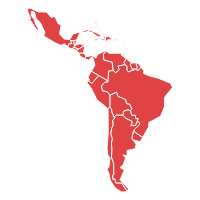
Latin America
Europe
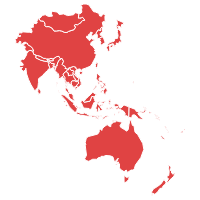
Asia Pacific
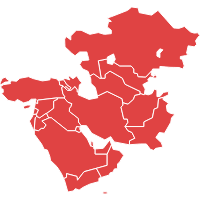
Middle East
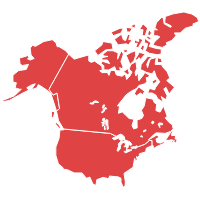
North America
|
Report Benchmarks |
Details |
|
Report Study Period |
2026-2032 |
|
Market Size in 2025 |
US$ 20,991.0 million |
|
Market Size in 2032 |
US$ 36,443.9 million |
|
Market CAGR |
8.2% |
|
By Battery Type |
|
|
By Product Size |
|
|
By Application |
|
|
By End User |
|
|
By Region |
|
PBI Analysts anticipate that the global consumer battery market has witnessed steady growth, driven by rising demand for portable and household electronic devices. Increasing adoption of small electronics, remote controls, flashlights, and smart home devices has fueled consistent battery consumption across residential and commercial segments. Alkaline and AA batteries remain the leading types and sizes due to their reliability, affordability, and widespread compatibility. The market is also experiencing gradual adoption of rechargeable and lithium batteries, supported by growing environmental awareness and the need for long-lasting energy solutions. Expansion of e-commerce and modern retail channels further facilitates accessibility, sustaining overall market growth and consumer reach.
Download Free Sample Report

Consumer Battery Market size was valued at US$ 19,400.2 million in 2024 and is projected to reach US$ 34,341.1 million by 2031 at a CAGR of 8.2% from 2025-2031.
Alkaline batteries are the most commonly used in households due to their long shelf life, stable performance, and cost-effectiveness, making them ideal for devices like remote controls, toys, and flashlights.
AA batteries dominate the market because of their compatibility with a wide range of consumer and portable electronic devices, offering a balance of energy capacity, size, and affordability.
The residential/household segment drives the highest demand, fueled by the widespread use of battery-powered devices in daily life and frequent replacement needs.
Content Updated Date: Feb 2026
Key Market Players

 Download Sample