
 Download Sample




Author
Manoj Kumar is a postgraduate in Life Sciences with over seven years of dedicated experience in the fields of anima.....
Carbon Farming Market: By Solution Type, By Component, By Deployment Model, By End User and Region Forecast 2021-2032
Report ID:366318
Published Date:Dec 2025
No of Pages:239
Format:

Carbon Farming Market size was valued at US$ 638.2 million in 2025 and is expected to reach US$ 1,803.8 million by 2032, growing at a significant CAGR of 16.0% from 2026-2032. Moreover, the U.S. Carbon Farming Market is projected to at 15% in future.
The market refers to agricultural and land-management practices designed to capture, reduce, and store atmospheric carbon dioxide in soil and vegetation. It includes activities such as regenerative agriculture, agroforestry, cover cropping, reduced tillage, and soil carbon sequestration, along with the generation and trading of carbon credits linked to these practices.
The market is gaining momentum globally due to increasing focus on climate change mitigation, net-zero commitments, and sustainable agriculture. Governments, corporates, and farmers are increasingly adopting carbon farming initiatives to reduce emissions, improve soil health, and generate additional income through carbon credit programs, supported by evolving regulatory frameworks and voluntary carbon markets.
Based on the solution type
Based on the solution type, practices & methodologies are anticipated to lead the carbon farming market, driven primarily by their direct and immediate impact on carbon sequestration outcomes. This segment is gaining dominance as farmers and landowners increasingly prioritize on-ground agricultural practices such as regenerative farming, reduced tillage, and agroforestry that not only enable carbon capture but also deliver visible agronomic benefits. The leading driver for this segment is the strong alignment between sustainability goals and farm-level productivity improvements. By improving soil health, water retention, and crop resilience, these practices reduce long-term input costs and enhance yield stability. This dual economic and environmental value makes practices and methodologies the most widely adopted solution type, positioning them at the forefront of market growth.
Based on the component
Based on the component, services are anticipated to lead the carbon farming market, primarily due to their critical role in enabling end-to-end project execution and market participation. This segment is driven by the increasing need for hands-on support in project development, implementation, monitoring, reporting, and verification. Many farmers lack the technical expertise and operational capacity to independently manage carbon farming initiatives, making service providers essential for ensuring compliance with carbon standards and program requirements. The growing complexity of carbon credit programs further strengthens demand for managed services that reduce administrative burden and risk for participants. As a result, service-based offerings remain the most widely adopted component, supporting scalability, credibility, and trust across the carbon farming value chain and positioning this segment as the leading contributor to market growth.
Based on the deployment model
Based on the deployment model, on-field implementation programs are anticipated to lead the carbon farming market, driven by their direct influence on measurable carbon sequestration and farm-level outcomes. This segment benefits from the strong preference for physical, practice-based interventions such as soil management, cover cropping, and agroforestry, which form the foundation of credible carbon farming projects. The key driver for this dominance is the requirement for tangible, verifiable changes in land-use practices to generate high-integrity carbon credits. On-field programs also deliver immediate co-benefits, including improved soil health, yield stability, and climate resilience, which encourage farmer participation. As credibility and environmental integrity remain central to carbon markets, on-field implementation continues to be the most trusted and widely adopted deployment model across regions.
Based on the end user
Based on the end user, farmers & landowners are anticipated to lead the carbon farming market, as they are the primary adopters and enablers of carbon sequestration activities at the ground level. The key driver for this segment is the growing recognition among farmers of the long-term economic and agronomic benefits associated with carbon farming practices. Beyond carbon revenue, these stakeholders benefit from improved soil fertility, better water retention, and enhanced crop resilience, which directly support farm productivity and income stability. In addition, increasing access to incentive programs and simplified participation models is encouraging wider farmer engagement. As carbon farming fundamentally depends on land-use changes and practice adoption, farmers and landowners remain the most critical and dominant end-user segment driving market growth.
Study Period
2026-2032Base Year
2024CAGR
16%Largest Market
North-AmericaFastest Growing Market
Asia Pacific
One of the primary drivers of the carbon farming market is the growing global commitment to climate change mitigation and net-zero emission targets. Governments across developed and developing economies are introducing policies, incentives, and subsidy programs that encourage farmers to adopt carbon-sequestering agricultural practices. Carbon farming directly supports national climate goals by reducing greenhouse gas emissions from agriculture while increasing carbon storage in soils and biomass. Additionally, large corporations under pressure to decarbonize their supply chains are investing in agricultural carbon offset projects to meet ESG and sustainability targets. Farmers are also motivated by the agronomic benefits of carbon farming, such as improved soil fertility, higher water retention, and increased crop resilience to climate stress. These benefits reduce long-term input costs and enhance productivity, making carbon farming economically attractive. The convergence of environmental regulation, corporate sustainability commitments, and farm-level productivity gains continues to strongly drive market adoption.
Despite its potential, the carbon farming market faces significant restraints related to measurement, verification, and standardization of carbon sequestration outcomes. Accurately quantifying soil carbon sequestration is complex, time-consuming, and often costly, requiring advanced monitoring technologies and periodic verification. This creates barriers for small and medium-sized farmers who may lack technical expertise or financial resources to participate in carbon credit programs. In addition, the absence of globally harmonized standards for carbon accounting leads to uncertainty in credit quality and pricing, reducing buyer confidence in voluntary carbon markets. Long project timelines also act as a restraint, as carbon farming benefits accrue gradually over several years, while farmers often seek short-term financial returns. Furthermore, concerns around carbon permanence and the risk of reversal due to land-use changes or climate events add to investor hesitation, limiting faster market expansion.
The carbon farming market presents strong growth opportunities through the expansion of voluntary carbon markets and increasing private-sector participation. As companies seek high-quality, nature-based carbon offsets, demand for verified agricultural carbon credits is expected to rise significantly. Advances in digital agriculture, remote sensing, artificial intelligence, and soil analytics are creating opportunities to reduce monitoring costs and improve the accuracy of carbon measurement. These technologies can enable scalable and transparent carbon farming programs, making participation easier for farmers. Emerging economies also represent a major opportunity, as large agricultural land areas offer high potential for carbon sequestration if supported by appropriate financing and policy frameworks. Additionally, carbon farming can be integrated with sustainable food supply chains, allowing food and agribusiness companies to differentiate products based on low-carbon or climate-positive credentials. This creates new revenue streams beyond carbon credits, enhancing long-term market attractiveness.
A key trend in the carbon farming market is the shift toward regenerative agriculture models that combine carbon sequestration with broader environmental and social benefits. Market participants are increasingly emphasizing soil health, biodiversity enhancement, and water conservation alongside carbon outcomes, reflecting a move toward holistic sustainability. Another notable trend is the growing role of digital platforms that connect farmers, carbon credit buyers, and verification bodies, streamlining project development and transaction processes. Partnerships between agritech firms, financial institutions, and carbon market intermediaries are also becoming more common to scale carbon farming initiatives. Additionally, there is a trend toward outcome-based payments, where farmers are rewarded not only for practices adopted but for measurable environmental impact. As scrutiny of carbon credits intensifies, demand is shifting toward high-integrity, transparent, and traceable carbon farming projects, shaping the future structure of the market.
Largest Share of the Region:
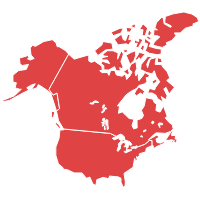
North America is anticipated to remain the largest and most rapidly scaling region for the carbon farming market, largely because it combines strong corporate demand for high-integrity nature-based credits with mature project developers and advanced digital agriculture ecosystems. The region benefits from widespread adoption of conservation and regenerative practices across large-scale farms, along with active participation from food and consumer-goods companies seeking supply-chain decarbonization. Key drivers include the presence of well-developed voluntary carbon market infrastructure, higher availability of farm data, and a stronger pipeline of carbon program aggregators and verification partners. Major trends shaping growth include the use of remote sensing, farm-management software, and MRV innovation to improve credibility, as well as multi-year offtake structures and “insetting” models where buyers fund emissions reductions directly within their own agricultural supply chains.
Fastest Growing/ Emerging Region:
Asia-Pacific is expected to be the leading emerging region, with momentum building in countries where agriculture employs large populations and climate resilience is a top policy priority. Adoption is being accelerated by the need to improve soil health, stabilize yields under climate stress, and reduce dependence on chemical inputs benefits that align naturally with carbon farming practices. Market drivers include rising sustainability commitments from regional exporters, increasing interest from financial institutions in nature-based outcomes, and the growth of local carbon frameworks that encourage farm-level participation. Notable trends include smallholder-focused aggregation models, digital farmer onboarding via mobile platforms, and pilot programs that bundle carbon outcomes with co-benefits such as water conservation and biodiversity, making projects more attractive to buyers seeking broader environmental impact.
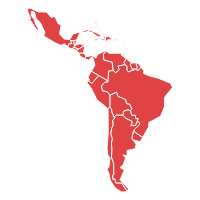
Latin America
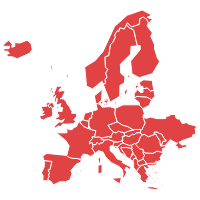
Europe
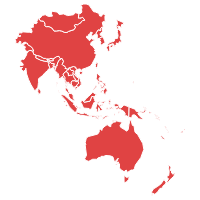
Asia Pacific
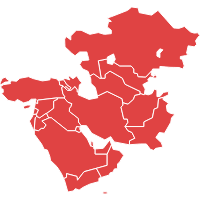
Middle East
North America
|
Report Benchmarks |
Details |
|
Report Study Period |
2026-2032 |
|
Market Size in 2025 |
US$ 638.2 million |
|
Market Size in 2032 |
US$ 1,803.8 million |
|
Market CAGR |
16% |
|
By Solution Type |
|
|
By Component |
|
|
By Deployment Mode |
|
|
By End User |
|
|
By Region |
|
PBI Analysts anticipate that the carbon farming market is evolving as a key component of global climate mitigation and sustainable agriculture strategies. It focuses on adopting agricultural practices that enhance soil carbon sequestration while improving farm productivity and environmental outcomes. The market is supported by rising net-zero commitments, expanding voluntary carbon markets, and increasing corporate interest in nature-based solutions. Farmers are increasingly adopting carbon farming due to benefits such as improved soil health, water efficiency, and climate resilience. Technological advancements in monitoring and verification are improving market credibility and scalability. As regulatory frameworks and private-sector participation strengthen, carbon farming is positioned for sustained long-term growth worldwide.
Download Free Sample Report

Carbon farming market size was valued at US$ 550.2 million in 2024 and is projected to reach US$ 1,555.0 million by 2031 at a CAGR of 16%.
The drivers of the market are growing focus on climate change mitigation and rising corporate esg commitments.
Farmers benefit through improved soil health, higher yield stability, reduced input costs, and potential additional income from participation in carbon credit or sustainability programs.
Key growth factors include global net-zero targets, expansion of voluntary carbon markets, corporate sustainability commitments, supportive policies, and advancements in monitoring and verification technologies.
Content Updated Date: Feb 2026
| 1.Executive Summary |
| 2.Global Carbon Farming Market Introduction |
| 2.1.Global Carbon Farming Market - Taxonomy |
| 2.2.Global Carbon Farming Market - Definitions |
| 2.2.1. Solution Type |
| 2.2.2.Component |
| 2.2.3.Deployment Mode |
| 2.2.4.End User |
| 2.2.5.Region |
| 3.Global Carbon Farming Market Dynamics |
| 3.1. Drivers |
| 3.2. Restraints |
| 3.3. Opportunities/Unmet Needs of the Market |
| 3.4. Trends |
| 3.5. Product Landscape |
| 3.6. New Product Launches |
| 3.7. Impact of COVID 19 on Market |
| 4.Global Carbon Farming Market Analysis, 2020 - 2024 and Forecast 2025 - 2031 |
| 4.1. Market Analysis, 2020 - 2024 and Forecast, 2025 - 2031, (Sales Value USD Million) |
| 4.2. Year-Over-Year (Y-o-Y) Growth Analysis (%) |
| 4.3. Market Opportunity Analysis |
| 5.Global Carbon Farming Market By Solution Type, 2020 - 2024 and Forecast 2025 - 2031 (Sales Value USD Million) |
| 5.1. Practices & methodologies |
| 5.1.1. Market Analysis, 2020 - 2024 and Forecast, 2025 - 2031, (Sales Value USD Million) |
| 5.1.2. Year-Over-Year (Y-o-Y) Growth Analysis (%) and Market Share Analysis (%) |
| 5.1.3. Market Opportunity Analysis |
| 5.2. Monitoring and verification services |
| 5.2.1. Market Analysis, 2020 - 2024 and Forecast, 2025 - 2031, (Sales Value USD Million) |
| 5.2.2. Year-Over-Year (Y-o-Y) Growth Analysis (%) and Market Share Analysis (%) |
| 5.2.3. Market Opportunity Analysis |
| 5.3. Carbon credit generation platforms |
| 5.3.1. Market Analysis, 2020 - 2024 and Forecast, 2025 - 2031, (Sales Value USD Million) |
| 5.3.2. Year-Over-Year (Y-o-Y) Growth Analysis (%) and Market Share Analysis (%) |
| 5.3.3. Market Opportunity Analysis |
| 5.4. Others |
| 5.4.1. Market Analysis, 2020 - 2024 and Forecast, 2025 - 2031, (Sales Value USD Million) |
| 5.4.2. Year-Over-Year (Y-o-Y) Growth Analysis (%) and Market Share Analysis (%) |
| 5.4.3. Market Opportunity Analysis |
| 6.Global Carbon Farming Market By Component, 2020 - 2024 and Forecast 2025 - 2031 (Sales Value USD Million) |
| 6.1. Services |
| 6.1.1. Market Analysis, 2020 - 2024 and Forecast, 2025 - 2031, (Sales Value USD Million) |
| 6.1.2. Year-Over-Year (Y-o-Y) Growth Analysis (%) and Market Share Analysis (%) |
| 6.1.3. Market Opportunity Analysis |
| 6.2. Software & digital tools |
| 6.2.1. Market Analysis, 2020 - 2024 and Forecast, 2025 - 2031, (Sales Value USD Million) |
| 6.2.2. Year-Over-Year (Y-o-Y) Growth Analysis (%) and Market Share Analysis (%) |
| 6.2.3. Market Opportunity Analysis |
| 6.3. Advisory & consulting |
| 6.3.1. Market Analysis, 2020 - 2024 and Forecast, 2025 - 2031, (Sales Value USD Million) |
| 6.3.2. Year-Over-Year (Y-o-Y) Growth Analysis (%) and Market Share Analysis (%) |
| 6.3.3. Market Opportunity Analysis |
| 6.4. Others |
| 6.4.1. Market Analysis, 2020 - 2024 and Forecast, 2025 - 2031, (Sales Value USD Million) |
| 6.4.2. Year-Over-Year (Y-o-Y) Growth Analysis (%) and Market Share Analysis (%) |
| 6.4.3. Market Opportunity Analysis |
| 7.Global Carbon Farming Market By Deployment Mode, 2020 - 2024 and Forecast 2025 - 2031 (Sales Value USD Million) |
| 7.1. On-field implementation programs |
| 7.1.1. Market Analysis, 2020 - 2024 and Forecast, 2025 - 2031, (Sales Value USD Million) |
| 7.1.2. Year-Over-Year (Y-o-Y) Growth Analysis (%) and Market Share Analysis (%) |
| 7.1.3. Market Opportunity Analysis |
| 7.2. Digital/remote-managed programs |
| 7.2.1. Market Analysis, 2020 - 2024 and Forecast, 2025 - 2031, (Sales Value USD Million) |
| 7.2.2. Year-Over-Year (Y-o-Y) Growth Analysis (%) and Market Share Analysis (%) |
| 7.2.3. Market Opportunity Analysis |
| 7.3. Others |
| 7.3.1. Market Analysis, 2020 - 2024 and Forecast, 2025 - 2031, (Sales Value USD Million) |
| 7.3.2. Year-Over-Year (Y-o-Y) Growth Analysis (%) and Market Share Analysis (%) |
| 7.3.3. Market Opportunity Analysis |
| 8.Global Carbon Farming Market By End User, 2020 - 2024 and Forecast 2025 - 2031 (Sales Value USD Million) |
| 8.1. Farmers & landowners |
| 8.1.1. Market Analysis, 2020 - 2024 and Forecast, 2025 - 2031, (Sales Value USD Million) |
| 8.1.2. Year-Over-Year (Y-o-Y) Growth Analysis (%) and Market Share Analysis (%) |
| 8.1.3. Market Opportunity Analysis |
| 8.2. Agribusinesses |
| 8.2.1. Market Analysis, 2020 - 2024 and Forecast, 2025 - 2031, (Sales Value USD Million) |
| 8.2.2. Year-Over-Year (Y-o-Y) Growth Analysis (%) and Market Share Analysis (%) |
| 8.2.3. Market Opportunity Analysis |
| 8.3. Corporates & carbon credit buyers |
| 8.3.1. Market Analysis, 2020 - 2024 and Forecast, 2025 - 2031, (Sales Value USD Million) |
| 8.3.2. Year-Over-Year (Y-o-Y) Growth Analysis (%) and Market Share Analysis (%) |
| 8.3.3. Market Opportunity Analysis |
| 8.4. Government & NGOs |
| 8.4.1. Market Analysis, 2020 - 2024 and Forecast, 2025 - 2031, (Sales Value USD Million) |
| 8.4.2. Year-Over-Year (Y-o-Y) Growth Analysis (%) and Market Share Analysis (%) |
| 8.4.3. Market Opportunity Analysis |
| 8.5. Others |
| 8.5.1. Market Analysis, 2020 - 2024 and Forecast, 2025 - 2031, (Sales Value USD Million) |
| 8.5.2. Year-Over-Year (Y-o-Y) Growth Analysis (%) and Market Share Analysis (%) |
| 8.5.3. Market Opportunity Analysis |
| 9.Global Carbon Farming Market By Region, 2020 - 2024 and Forecast 2025 - 2031 (Sales Value USD Million) |
| 9.1. North America |
| 9.1.1. Market Analysis, 2020 - 2024 and Forecast, 2025 - 2031, (Sales Value USD Million) |
| 9.1.2. Year-Over-Year (Y-o-Y) Growth Analysis (%) and Market Share Analysis (%) |
| 9.1.3. Market Opportunity Analysis |
| 9.2. Europe |
| 9.2.1. Market Analysis, 2020 - 2024 and Forecast, 2025 - 2031, (Sales Value USD Million) |
| 9.2.2. Year-Over-Year (Y-o-Y) Growth Analysis (%) and Market Share Analysis (%) |
| 9.2.3. Market Opportunity Analysis |
| 9.3. Asia Pacific (APAC) |
| 9.3.1. Market Analysis, 2020 - 2024 and Forecast, 2025 - 2031, (Sales Value USD Million) |
| 9.3.2. Year-Over-Year (Y-o-Y) Growth Analysis (%) and Market Share Analysis (%) |
| 9.3.3. Market Opportunity Analysis |
| 9.4. Middle East and Africa (MEA) |
| 9.4.1. Market Analysis, 2020 - 2024 and Forecast, 2025 - 2031, (Sales Value USD Million) |
| 9.4.2. Year-Over-Year (Y-o-Y) Growth Analysis (%) and Market Share Analysis (%) |
| 9.4.3. Market Opportunity Analysis |
| 9.5. Latin America |
| 9.5.1. Market Analysis, 2020 - 2024 and Forecast, 2025 - 2031, (Sales Value USD Million) |
| 9.5.2. Year-Over-Year (Y-o-Y) Growth Analysis (%) and Market Share Analysis (%) |
| 9.5.3. Market Opportunity Analysis |
| 10.North America Carbon Farming Market ,2020 - 2024 and Forecast 2025 - 2031 (Sales Value USD Million) |
| 10.1. Solution Type Analysis 2020 - 2024 and Forecast 2025 - 2031 by Sales Value USD Million, Y-o-Y Growth (%), and Market Share (%) |
| 10.1.1.Practices & methodologies |
| 10.1.2.Monitoring and verification services |
| 10.1.3.Carbon credit generation platforms |
| 10.1.4.Others |
| 10.2. Component Analysis 2020 - 2024 and Forecast 2025 - 2031 by Sales Value USD Million, Y-o-Y Growth (%), and Market Share (%) |
| 10.2.1.Services |
| 10.2.2.Software & digital tools |
| 10.2.3.Advisory & consulting |
| 10.2.4.Others |
| 10.3. Deployment Mode Analysis 2020 - 2024 and Forecast 2025 - 2031 by Sales Value USD Million, Y-o-Y Growth (%), and Market Share (%) |
| 10.3.1.On-field implementation programs |
| 10.3.2.Digital/remote-managed programs |
| 10.3.3.Others |
| 10.4. End User Analysis 2020 - 2024 and Forecast 2025 - 2031 by Sales Value USD Million, Y-o-Y Growth (%), and Market Share (%) |
| 10.4.1.Farmers & landowners |
| 10.4.2.Agribusinesses |
| 10.4.3.Corporates & carbon credit buyers |
| 10.4.4.Government & NGOs |
| 10.4.5.Others |
| 10.5. Country Analysis 2020 - 2024 and Forecast 2025 - 2031 by Sales Value USD Million, Y-o-Y Growth (%), and Market Share (%) |
| 10.5.1.United States of America (USA) |
| 10.5.2.Canada |
| 11.Europe Carbon Farming Market ,2020 - 2024 and Forecast 2025 - 2031 (Sales Value USD Million) |
| 11.1. Solution Type Analysis and Forecast by Sales Value USD Million, Y-o-Y Growth (%), and Market Share (%) |
| 11.1.1.Practices & methodologies |
| 11.1.2.Monitoring and verification services |
| 11.1.3.Carbon credit generation platforms |
| 11.1.4.Others |
| 11.2. Component Analysis 2020 - 2024 and Forecast 2025 - 2031 by Sales Value USD Million, Y-o-Y Growth (%), and Market Share (%) |
| 11.2.1.Services |
| 11.2.2.Software & digital tools |
| 11.2.3.Advisory & consulting |
| 11.2.4.Others |
| 11.3. Deployment Mode Analysis 2020 - 2024 and Forecast 2025 - 2031 by Sales Value USD Million, Y-o-Y Growth (%), and Market Share (%) |
| 11.3.1.On-field implementation programs |
| 11.3.2.Digital/remote-managed programs |
| 11.3.3.Others |
| 11.4. End User Analysis 2020 - 2024 and Forecast 2025 - 2031 by Sales Value USD Million, Y-o-Y Growth (%), and Market Share (%) |
| 11.4.1.Farmers & landowners |
| 11.4.2.Agribusinesses |
| 11.4.3.Corporates & carbon credit buyers |
| 11.4.4.Government & NGOs |
| 11.4.5.Others |
| 11.5. Country Analysis 2020 - 2024 and Forecast 2025 - 2031 by Sales Value USD Million, Y-o-Y Growth (%), and Market Share (%) |
| 11.5.1.Germany |
| 11.5.2.France |
| 11.5.3.Italy |
| 11.5.4.United Kingdom (UK) |
| 11.5.5.Spain |
| 12.Asia Pacific (APAC) Carbon Farming Market ,2020 - 2024 and Forecast 2025 - 2031 (Sales Value USD Million) |
| 12.1. Solution Type Analysis and Forecast by Sales Value USD Million, Y-o-Y Growth (%), and Market Share (%) |
| 12.1.1.Practices & methodologies |
| 12.1.2.Monitoring and verification services |
| 12.1.3.Carbon credit generation platforms |
| 12.1.4.Others |
| 12.2. Component Analysis 2020 - 2024 and Forecast 2025 - 2031 by Sales Value USD Million, Y-o-Y Growth (%), and Market Share (%) |
| 12.2.1.Services |
| 12.2.2.Software & digital tools |
| 12.2.3.Advisory & consulting |
| 12.2.4.Others |
| 12.3. Deployment Mode Analysis 2020 - 2024 and Forecast 2025 - 2031 by Sales Value USD Million, Y-o-Y Growth (%), and Market Share (%) |
| 12.3.1.On-field implementation programs |
| 12.3.2.Digital/remote-managed programs |
| 12.3.3.Others |
| 12.4. End User Analysis 2020 - 2024 and Forecast 2025 - 2031 by Sales Value USD Million, Y-o-Y Growth (%), and Market Share (%) |
| 12.4.1.Farmers & landowners |
| 12.4.2.Agribusinesses |
| 12.4.3.Corporates & carbon credit buyers |
| 12.4.4.Government & NGOs |
| 12.4.5.Others |
| 12.5. Country Analysis 2020 - 2024 and Forecast 2025 - 2031 by Sales Value USD Million, Y-o-Y Growth (%), and Market Share (%) |
| 12.5.1.China |
| 12.5.2.India |
| 12.5.3.Australia and New Zealand (ANZ) |
| 12.5.4.Japan |
| 12.5.5.Rest of APAC |
| 13.Middle East and Africa (MEA) Carbon Farming Market ,2020 - 2024 and Forecast 2025 - 2031 (Sales Value USD Million) |
| 13.1. Solution Type Analysis and Forecast by Sales Value USD Million, Y-o-Y Growth (%), and Market Share (%) |
| 13.1.1.Practices & methodologies |
| 13.1.2.Monitoring and verification services |
| 13.1.3.Carbon credit generation platforms |
| 13.1.4.Others |
| 13.2. Component Analysis 2020 - 2024 and Forecast 2025 - 2031 by Sales Value USD Million, Y-o-Y Growth (%), and Market Share (%) |
| 13.2.1.Services |
| 13.2.2.Software & digital tools |
| 13.2.3.Advisory & consulting |
| 13.2.4.Others |
| 13.3. Deployment Mode Analysis 2020 - 2024 and Forecast 2025 - 2031 by Sales Value USD Million, Y-o-Y Growth (%), and Market Share (%) |
| 13.3.1.On-field implementation programs |
| 13.3.2.Digital/remote-managed programs |
| 13.3.3.Others |
| 13.4. End User Analysis 2020 - 2024 and Forecast 2025 - 2031 by Sales Value USD Million, Y-o-Y Growth (%), and Market Share (%) |
| 13.4.1.Farmers & landowners |
| 13.4.2.Agribusinesses |
| 13.4.3.Corporates & carbon credit buyers |
| 13.4.4.Government & NGOs |
| 13.4.5.Others |
| 13.5. Country Analysis 2020 - 2024 and Forecast 2025 - 2031 by Sales Value USD Million, Y-o-Y Growth (%), and Market Share (%) |
| 13.5.1.GCC Countries |
| 13.5.2.South Africa |
| 13.5.3.Rest of MEA |
| 14.Latin America Carbon Farming Market ,2020 - 2024 and Forecast 2025 - 2031 (Sales Value USD Million) |
| 14.1. Solution Type Analysis and Forecast by Sales Value USD Million, Y-o-Y Growth (%), and Market Share (%) |
| 14.1.1.Practices & methodologies |
| 14.1.2.Monitoring and verification services |
| 14.1.3.Carbon credit generation platforms |
| 14.1.4.Others |
| 14.2. Component Analysis 2020 - 2024 and Forecast 2025 - 2031 by Sales Value USD Million, Y-o-Y Growth (%), and Market Share (%) |
| 14.2.1.Services |
| 14.2.2.Software & digital tools |
| 14.2.3.Advisory & consulting |
| 14.2.4.Others |
| 14.3. Deployment Mode Analysis 2020 - 2024 and Forecast 2025 - 2031 by Sales Value USD Million, Y-o-Y Growth (%), and Market Share (%) |
| 14.3.1.On-field implementation programs |
| 14.3.2.Digital/remote-managed programs |
| 14.3.3.Others |
| 14.4. End User Analysis 2020 - 2024 and Forecast 2025 - 2031 by Sales Value USD Million, Y-o-Y Growth (%), and Market Share (%) |
| 14.4.1.Farmers & landowners |
| 14.4.2.Agribusinesses |
| 14.4.3.Corporates & carbon credit buyers |
| 14.4.4.Government & NGOs |
| 14.4.5.Others |
| 14.5. Country Analysis 2020 - 2024 and Forecast 2025 - 2031 by Sales Value USD Million, Y-o-Y Growth (%), and Market Share (%) |
| 14.5.1.Brazil |
| 14.5.2.Mexico |
| 14.5.3.Rest of LA |
| 15. Competition Landscape |
| 15.1. Market Player Profiles (Introduction, Brand/Product Sales, Financial Analysis, Product Offerings, Key Developments, Collaborations, M & A, Strategies, and SWOT Analysis) |
| 15.2.1.Indigo Ag |
| 15.2.2.Regrow Agriculture |
| 15.2.3.Nori |
| 15.2.4.Soil Capital |
| 15.2.5.South Pole |
| 15.2.6.EcoAct, Bayer (Carbon Initiative) |
| 15.2.7.Corteva Agriscience |
| 15.2.8.Yara International |
| 15.2.9.Trimble |
| 16. Research Methodology |
| 17. Appendix and Abbreviations |
Key Market Players
Author
Manoj Kumar is a postgraduate in Life Sciences with over seven years of dedicated experience in the fields of animal health and agriculture. His passion lies in unraveling the complexities of these domains through rigorous research and practical insights. Manoj Kumar’s journey has been marked by several key achievements: as a market analyst and competitive intelligence expert, he dissects data to provide actionable insights for global clients. Simultaneously, he champions animal healthcare, diagnosing ailments, and designing preventive care strategies. In the realm of agriculture, his focus on sustainable practices, emphasizing crop nutrition, soil health, and precision agriculture. His holistic approach and commitment to advancing science make him a respected figure in the ever-evolving landscape of life sciences.