
 Download Sample



Author
Sravani is a proficient Business Analyst with an MBA and a background in Computer Science, with seven years of expe.....
Contactless Payments Market: By Technology, Radio Frequency Identification, QR Code–Based Payments, Others), By Device Type, By End User and Region Forecast 2021-2032
Report ID:177953
Published Date:Feb 2026
No of Pages:220
Format:

Contactless Payments Market size was valued at US$ 45.3 Billion in 2025 and is projected to reach US$ 175.0 Billion by 2032 at a CAGR of 21.3% form 2026-2032. Moreover, the U.S. Contactless Payments Market is projected to grow at a CAGR of 21% by 2032.
The market refers to the ecosystem of technologies, solutions, and services that enable consumers and businesses to make payments without physical contact between the payment device and the point-of-sale terminal. It includes Near Field Communication (NFC), radio-frequency identification (RFID), QR codes, and tokenization-based mobile wallets, supporting transactions via contactless cards, smartphones, wearables, and other smart devices across retail, transportation, hospitality, and online-to-offline environments.
The market is witnessing strong growth driven by rising smartphone penetration, increasing consumer preference for fast and convenient transactions, and expanding acceptance infrastructure among merchants. Financial institutions, fintech companies, and technology providers are actively investing in secure digital payment platforms, while governments and regulators promote cashless economies. The market’s expansion is further supported by advancements in security features, interoperability, and the growing adoption of contactless payments in emerging economies alongside mature markets.

Based on the Technology
Among the listed technologies, Near Field Communication (NFC) is anticipated to lead the contactless payments market, driven primarily by its widespread integration across consumer devices and payment infrastructure. NFC technology is embedded in most contactless cards, smartphones, and wearable devices, enabling fast, secure, and seamless transactions at physical points of sale. Its compatibility with existing card networks and banking systems allows easy scalability for merchants without major system changes. Additionally, strong backing from global payment networks and financial institutions has accelerated NFC terminal deployment across retail, transportation, and hospitality sectors. The ability of NFC to support encrypted, short-range communication enhances consumer trust, making it the preferred technology for high-frequency, everyday transactions in mature and emerging markets.
Based on the Device Type
Based on device type, smartphones are anticipated to lead the contactless payments market, driven by their multifunctionality and deep integration into consumers’ daily lives. Smartphones act as a single platform for payments, banking, loyalty programs, and authentication, making them more versatile than standalone cards or wearables. The widespread adoption of mobile wallets, combined with built-in NFC and QR code capabilities, has significantly accelerated smartphone-based contactless transactions. Additionally, smartphones support advanced security features such as biometric authentication and tokenization, which enhance user confidence and reduce fraud concerns. Strong ecosystem support from fintech companies, banks, and operating system providers further strengthens smartphone dominance, positioning them as the most influential device type in driving market growth.
Based on the end user
Based on end user, the retail sector is anticipated to lead the contactless payments market, driven by its high transaction volumes and constant need for fast, efficient checkout experiences. Retail environments such as supermarkets, convenience stores, and quick-service outlets rely heavily on speed and customer throughput, making contactless payments an ideal solution. The adoption of tap-to-pay terminals reduces queue times, improves customer satisfaction, and supports impulse purchasing behaviour. Retailers also benefit from improved transaction accuracy and seamless integration with loyalty programs and digital receipts. The continuous expansion of organized retail and omnichannel commerce further strengthens retail’s dominance, positioning it as the most influential end-user segment in accelerating the adoption of contactless payment solutions globally.
Study Period
2026-2032Base Year
2025CAGR
21.3%Largest Market
North-AmericaFastest Growing Market
Asia-Pacific
One of the primary drivers of the contactless payments market is the increasing consumer demand for fast, convenient, and frictionless payment experiences. Modern consumers prefer solutions that reduce checkout time and eliminate the need to carry cash or physically handle cards. Contactless payments enable transactions to be completed within seconds using cards, smartphones, or wearable devices, making them highly attractive in high-traffic environments such as retail stores, public transportation, and quick-service restaurants. Additionally, heightened awareness around hygiene and safety, especially following global health concerns, has accelerated the shift away from cash-based and PIN-based transactions. Businesses are also adopting contactless systems to improve operational efficiency, reduce queue times, and enhance customer satisfaction. The rapid expansion of NFC-enabled devices, widespread smartphone adoption, and strong support from banks and payment networks further reinforce this driver, positioning contactless payments as a preferred mode of transaction across both developed and emerging economies.
Despite strong growth potential, the contactless payments market faces restraints related to security concerns and uneven infrastructure development. Although contactless transactions are generally secure, some consumers remain apprehensive about data theft, unauthorized transactions, and privacy breaches, particularly in regions with low digital literacy. Fear of card skimming, mobile wallet hacking, and misuse of stored payment credentials can slow adoption rates among cautious users. On the infrastructure side, smaller merchants and rural areas often lack access to compatible point-of-sale terminals due to high installation and maintenance costs. In developing markets, inconsistent internet connectivity and limited access to banking services further restrict widespread implementation. Regulatory variations across regions also create compliance challenges for payment service providers. These factors collectively hinder market penetration, especially in price-sensitive and underbanked regions, despite growing global enthusiasm for digital and contactless payment solutions.
The contactless payments market presents significant opportunities through expansion in emerging economies and the development of smart city ecosystems. Governments in Asia-Pacific, Latin America, the Middle East, and Africa are actively promoting digital payment initiatives to reduce cash dependency, improve financial inclusion, and enhance transaction transparency. This creates strong opportunities for payment providers to introduce low-cost contactless solutions tailored to local needs. Additionally, smart city projects integrating contactless payments into public transportation, toll systems, parking, and utility services are driving new use cases beyond retail. The growing adoption of wearables, biometric authentication, and Internet of Things (IoT)-enabled payment devices further broadens market potential. Partnerships between banks, fintech companies, telecom operators, and governments are expected to unlock new revenue streams. As digital ecosystems mature, contactless payments are likely to become a foundational element of everyday transactions in urban and semi-urban environments.
A key trend shaping the contactless payments market is the integration of advanced technologies such as tokenization, biometrics, and artificial intelligence within digital wallets and payment platforms. Consumers are increasingly using mobile wallets and super apps that combine payments with loyalty programs, transit access, and financial services in a single interface. Biometric authentication methods, including fingerprint and facial recognition, are enhancing security while maintaining ease of use. Tokenization is being widely adopted to protect sensitive card information during transactions, reducing fraud risks. Additionally, wearable payment devices such as smartwatches and fitness bands are gaining popularity, particularly among younger, tech-savvy consumers. The convergence of contactless payments with data analytics is also enabling personalized offers and improved customer insights for merchants. These trends highlight the market’s evolution toward more secure, intelligent, and integrated digital payment ecosystems.
Largest Share of the Region:
The contactless payments market is anticipated to remain largest in North America and Europe due to the region’s deep payment infrastructure, high merchant acceptance of tap-to-pay terminals, and strong penetration of contactless-enabled cards and mobile wallets. In these markets, everyday use cases grocery, fuel, quick-service restaurants, and transit are already normalized, which keeps transaction frequency consistently high. Large banks, card networks, and major wallet providers continue to strengthen consumer trust through advanced security practices such as tokenization and device-based authentication, while merchants benefit from faster checkout and lower friction at the point of sale. A key driver is the ongoing modernization of payment terminals across small and mid-sized businesses, supported by acquirer programs and bundled POS offerings. Trends such as tap-to-phone (turning smartphones into acceptance devices), richer wallet integrations (loyalty, offers, digital receipts), and increased use of wearables help sustain leadership by expanding convenience without changing consumer habits.
Fastest Growing/ Emerging Region:
Asia-Pacific is expected to be the largest-growing and most emerging region for contactless payments, propelled by rapid smartphone adoption, expanding digital identity and payment rails, and the strong influence of “super apps” that embed payments into daily life. The region is seeing broad-based growth across both card-based contactless and QR-led ecosystems, with mass adoption in retail, transit, food delivery, and peer-to-peer transfers. Key drivers include government-led digitization initiatives, financial inclusion programs that bring first-time users into formal payment systems, and rising urbanization that increases demand for high-throughput payments in transportation and convenience retail. Trends such as interoperable QR frameworks, real-time payments linked to wallets, and biometric or device-based authentication are accelerating trust and ease of use. Additionally, merchants in fast-growing economies are increasingly adopting low-cost acceptance options (including phone-based acceptance), which expands coverage beyond large cities and supports sustained regional momentum.
Latin America
Europe
Asia Pacific
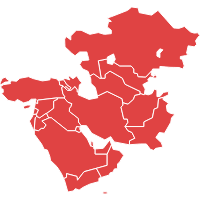
Middle East
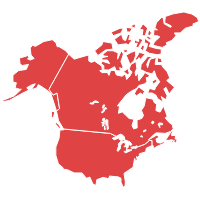
North America
|
Report Benchmarks |
Details |
|
Report Study Period |
2026-2032 |
|
Market Size in 2025 |
US$ 45.3 Billion |
|
Market Size in 2032 |
US$ 175.0 Billion |
|
Market CAGR |
21.3% |
|
By Technology |
|
|
By Device Type |
|
|
By End User |
|
|
By Region |
|
PBI Analysts anticipate that the contactless payments market is experiencing robust growth as consumers and businesses increasingly favor fast, secure, and convenient transaction methods. Widespread adoption of contactless cards, smartphones, and wearable devices has transformed everyday payments across retail, transportation, and hospitality sectors. Strong support from banks, fintech companies, and payment networks has accelerated infrastructure development, while advancements in security technologies such as tokenization and biometric authentication continue to build user trust. The market is further driven by rising digitalization, urbanization, and cashless initiatives worldwide. As acceptance expands across both developed and emerging economies, contactless payments are becoming a standard component of modern payment ecosystems.
Download Free Sample Report

Contactless Payments Market size was valued at US$ 45.3 Billion in 2025 and is projected to reach US$ 175.0 Billion by 2032 at a CAGR of 21.3% form 2026-2032.
Contactless payments are digital transactions completed without physical contact between the payment device and the terminal, using technologies such as NFC, RFID, or QR codes.
Contactless payments can be made using contactless cards, smartphones with mobile wallets, wearable devices like smartwatches, and other connected smart devices.
The market is driven by the demand for faster transactions, increased smartphone adoption, enhanced payment security, and the global shift toward cashless and digital economies.
Content Updated Date: Feb 2026
| 1.Executive Summary |
| 2.Global Contactless Payments Market Introduction |
| 2.1.Global Contactless Payments Market - Taxonomy |
| 2.2.Global Contactless Payments Market - Definitions |
| 2.2.1.Technology |
| 2.2.2.Device Type |
| 2.2.3.End User |
| 2.2.4.Region |
| 3.Global Contactless Payments Market Dynamics |
| 3.1. Drivers |
| 3.2. Restraints |
| 3.3. Opportunities/Unmet Needs of the Market |
| 3.4. Trends |
| 3.5. Product Landscape |
| 3.6. New Product Launches |
| 3.7. Impact of COVID 19 on Market |
| 4.Global Contactless Payments Market Analysis, 2021 - 2025 and Forecast 2026 - 2032 |
| 4.1. Market Analysis, 2021 - 2025 and Forecast, 2026 - 2032, (Sales Value USD Million) |
| 4.2. Year-Over-Year (Y-o-Y) Growth Analysis (%) |
| 4.3. Market Opportunity Analysis |
| 5.Global Contactless Payments Market By Technology, 2021 - 2025 and Forecast 2026 - 2032 (Sales Value USD Million) |
| 5.1. Near Field Communication (NFC) |
| 5.1.1. Market Analysis, 2021 - 2025 and Forecast, 2026 - 2032, (Sales Value USD Million) |
| 5.1.2. Year-Over-Year (Y-o-Y) Growth Analysis (%) and Market Share Analysis (%) |
| 5.1.3. Market Opportunity Analysis |
| 5.2. Radio Frequency Identification (RFID) |
| 5.2.1. Market Analysis, 2021 - 2025 and Forecast, 2026 - 2032, (Sales Value USD Million) |
| 5.2.2. Year-Over-Year (Y-o-Y) Growth Analysis (%) and Market Share Analysis (%) |
| 5.2.3. Market Opportunity Analysis |
| 5.3. QR Code–Based Payments |
| 5.3.1. Market Analysis, 2021 - 2025 and Forecast, 2026 - 2032, (Sales Value USD Million) |
| 5.3.2. Year-Over-Year (Y-o-Y) Growth Analysis (%) and Market Share Analysis (%) |
| 5.3.3. Market Opportunity Analysis |
| 5.4. Others |
| 5.4.1. Market Analysis, 2021 - 2025 and Forecast, 2026 - 2032, (Sales Value USD Million) |
| 5.4.2. Year-Over-Year (Y-o-Y) Growth Analysis (%) and Market Share Analysis (%) |
| 5.4.3. Market Opportunity Analysis |
| 6.Global Contactless Payments Market By Device Type, 2021 - 2025 and Forecast 2026 - 2032 (Sales Value USD Million) |
| 6.1. Contactless Cards |
| 6.1.1. Market Analysis, 2021 - 2025 and Forecast, 2026 - 2032, (Sales Value USD Million) |
| 6.1.2. Year-Over-Year (Y-o-Y) Growth Analysis (%) and Market Share Analysis (%) |
| 6.1.3. Market Opportunity Analysis |
| 6.2. Smartphones |
| 6.2.1. Market Analysis, 2021 - 2025 and Forecast, 2026 - 2032, (Sales Value USD Million) |
| 6.2.2. Year-Over-Year (Y-o-Y) Growth Analysis (%) and Market Share Analysis (%) |
| 6.2.3. Market Opportunity Analysis |
| 6.3. Wearables |
| 6.3.1. Market Analysis, 2021 - 2025 and Forecast, 2026 - 2032, (Sales Value USD Million) |
| 6.3.2. Year-Over-Year (Y-o-Y) Growth Analysis (%) and Market Share Analysis (%) |
| 6.3.3. Market Opportunity Analysis |
| 6.4. Others |
| 6.4.1. Market Analysis, 2021 - 2025 and Forecast, 2026 - 2032, (Sales Value USD Million) |
| 6.4.2. Year-Over-Year (Y-o-Y) Growth Analysis (%) and Market Share Analysis (%) |
| 6.4.3. Market Opportunity Analysis |
| 7.Global Contactless Payments Market By End User, 2021 - 2025 and Forecast 2026 - 2032 (Sales Value USD Million) |
| 7.1. Retail |
| 7.1.1. Market Analysis, 2021 - 2025 and Forecast, 2026 - 2032, (Sales Value USD Million) |
| 7.1.2. Year-Over-Year (Y-o-Y) Growth Analysis (%) and Market Share Analysis (%) |
| 7.1.3. Market Opportunity Analysis |
| 7.2. Transportation |
| 7.2.1. Market Analysis, 2021 - 2025 and Forecast, 2026 - 2032, (Sales Value USD Million) |
| 7.2.2. Year-Over-Year (Y-o-Y) Growth Analysis (%) and Market Share Analysis (%) |
| 7.2.3. Market Opportunity Analysis |
| 7.3. Hospitality |
| 7.3.1. Market Analysis, 2021 - 2025 and Forecast, 2026 - 2032, (Sales Value USD Million) |
| 7.3.2. Year-Over-Year (Y-o-Y) Growth Analysis (%) and Market Share Analysis (%) |
| 7.3.3. Market Opportunity Analysis |
| 7.4. Banking & Financial Services |
| 7.4.1. Market Analysis, 2021 - 2025 and Forecast, 2026 - 2032, (Sales Value USD Million) |
| 7.4.2. Year-Over-Year (Y-o-Y) Growth Analysis (%) and Market Share Analysis (%) |
| 7.4.3. Market Opportunity Analysis |
| 7.5. Healthcare |
| 7.5.1. Market Analysis, 2021 - 2025 and Forecast, 2026 - 2032, (Sales Value USD Million) |
| 7.5.2. Year-Over-Year (Y-o-Y) Growth Analysis (%) and Market Share Analysis (%) |
| 7.5.3. Market Opportunity Analysis |
| 7.6. Others |
| 7.6.1. Market Analysis, 2021 - 2025 and Forecast, 2026 - 2032, (Sales Value USD Million) |
| 7.6.2. Year-Over-Year (Y-o-Y) Growth Analysis (%) and Market Share Analysis (%) |
| 7.6.3. Market Opportunity Analysis |
| 8.Global Contactless Payments Market By Region, 2021 - 2025 and Forecast 2026 - 2032 (Sales Value USD Million) |
| 8.1. North America |
| 8.1.1. Market Analysis, 2021 - 2025 and Forecast, 2026 - 2032, (Sales Value USD Million) |
| 8.1.2. Year-Over-Year (Y-o-Y) Growth Analysis (%) and Market Share Analysis (%) |
| 8.1.3. Market Opportunity Analysis |
| 8.2. Europe |
| 8.2.1. Market Analysis, 2021 - 2025 and Forecast, 2026 - 2032, (Sales Value USD Million) |
| 8.2.2. Year-Over-Year (Y-o-Y) Growth Analysis (%) and Market Share Analysis (%) |
| 8.2.3. Market Opportunity Analysis |
| 8.3. Asia Pacific (APAC) |
| 8.3.1. Market Analysis, 2021 - 2025 and Forecast, 2026 - 2032, (Sales Value USD Million) |
| 8.3.2. Year-Over-Year (Y-o-Y) Growth Analysis (%) and Market Share Analysis (%) |
| 8.3.3. Market Opportunity Analysis |
| 8.4. Middle East and Africa (MEA) |
| 8.4.1. Market Analysis, 2021 - 2025 and Forecast, 2026 - 2032, (Sales Value USD Million) |
| 8.4.2. Year-Over-Year (Y-o-Y) Growth Analysis (%) and Market Share Analysis (%) |
| 8.4.3. Market Opportunity Analysis |
| 8.5. Latin America |
| 8.5.1. Market Analysis, 2021 - 2025 and Forecast, 2026 - 2032, (Sales Value USD Million) |
| 8.5.2. Year-Over-Year (Y-o-Y) Growth Analysis (%) and Market Share Analysis (%) |
| 8.5.3. Market Opportunity Analysis |
| 9.North America Contactless Payments Market 2021 - 2025 and Forecast 2026 - 2032 (Sales Value USD Million) |
| 9.1. Technology Analysis 2021 - 2025 and Forecast 2026 - 2032 by Sales Value USD Million, Y-o-Y Growth (%), and Market Share (%) |
| 9.1.1.Near Field Communication (NFC) |
| 9.1.2.Radio Frequency Identification (RFID) |
| 9.1.3.QR Code–Based Payments |
| 9.1.4.Others |
| 9.2. Device Type Analysis 2021 - 2025 and Forecast 2026 - 2032 by Sales Value USD Million, Y-o-Y Growth (%), and Market Share (%) |
| 9.2.1.Contactless Cards |
| 9.2.2.Smartphones |
| 9.2.3.Wearables |
| 9.2.4.Others |
| 9.3. End User Analysis 2021 - 2025 and Forecast 2026 - 2032 by Sales Value USD Million, Y-o-Y Growth (%), and Market Share (%) |
| 9.3.1.Retail |
| 9.3.2.Transportation |
| 9.3.3.Hospitality |
| 9.3.4.Banking & Financial Services |
| 9.3.5.Healthcare |
| 9.3.6.Others |
| 9.4. Country Analysis 2021 - 2025 and Forecast 2026 - 2032 by Sales Value USD Million, Y-o-Y Growth (%), and Market Share (%) |
| 9.4.1.United States of America (USA) |
| 9.4.2.Canada |
| 10.Europe Contactless Payments Market 2021 - 2025 and Forecast 2026 - 2032 (Sales Value USD Million) |
| 10.1. Technology Analysis and Forecast by Sales Value USD Million, Y-o-Y Growth (%), and Market Share (%) |
| 10.1.1.Near Field Communication (NFC) |
| 10.1.2.Radio Frequency Identification (RFID) |
| 10.1.3.QR Code–Based Payments |
| 10.1.4.Others |
| 10.2. Device Type Analysis 2021 - 2025 and Forecast 2026 - 2032 by Sales Value USD Million, Y-o-Y Growth (%), and Market Share (%) |
| 10.2.1.Contactless Cards |
| 10.2.2.Smartphones |
| 10.2.3.Wearables |
| 10.2.4.Others |
| 10.3. End User Analysis 2021 - 2025 and Forecast 2026 - 2032 by Sales Value USD Million, Y-o-Y Growth (%), and Market Share (%) |
| 10.3.1.Retail |
| 10.3.2.Transportation |
| 10.3.3.Hospitality |
| 10.3.4.Banking & Financial Services |
| 10.3.5.Healthcare |
| 10.3.6.Others |
| 10.4. Country Analysis 2021 - 2025 and Forecast 2026 - 2032 by Sales Value USD Million, Y-o-Y Growth (%), and Market Share (%) |
| 10.4.1.Germany |
| 10.4.2.France |
| 10.4.3.Italy |
| 10.4.4.United Kingdom (UK) |
| 10.4.5.Spain |
| 11.Asia Pacific (APAC) Contactless Payments Market 2021 - 2025 and Forecast 2026 - 2032 (Sales Value USD Million) |
| 11.1. Technology Analysis and Forecast by Sales Value USD Million, Y-o-Y Growth (%), and Market Share (%) |
| 11.1.1.Near Field Communication (NFC) |
| 11.1.2.Radio Frequency Identification (RFID) |
| 11.1.3.QR Code–Based Payments |
| 11.1.4.Others |
| 11.2. Device Type Analysis 2021 - 2025 and Forecast 2026 - 2032 by Sales Value USD Million, Y-o-Y Growth (%), and Market Share (%) |
| 11.2.1.Contactless Cards |
| 11.2.2.Smartphones |
| 11.2.3.Wearables |
| 11.2.4.Others |
| 11.3. End User Analysis 2021 - 2025 and Forecast 2026 - 2032 by Sales Value USD Million, Y-o-Y Growth (%), and Market Share (%) |
| 11.3.1.Retail |
| 11.3.2.Transportation |
| 11.3.3.Hospitality |
| 11.3.4.Banking & Financial Services |
| 11.3.5.Healthcare |
| 11.3.6.Others |
| 11.4. Country Analysis 2021 - 2025 and Forecast 2026 - 2032 by Sales Value USD Million, Y-o-Y Growth (%), and Market Share (%) |
| 11.4.1.China |
| 11.4.2.India |
| 11.4.3.Australia and New Zealand (ANZ) |
| 11.4.4.Japan |
| 11.4.5.Rest of APAC |
| 12.Middle East and Africa (MEA) Contactless Payments Market 2021 - 2025 and Forecast 2026 - 2032 (Sales Value USD Million) |
| 12.1. Technology Analysis and Forecast by Sales Value USD Million, Y-o-Y Growth (%), and Market Share (%) |
| 12.1.1.Near Field Communication (NFC) |
| 12.1.2.Radio Frequency Identification (RFID) |
| 12.1.3.QR Code–Based Payments |
| 12.1.4.Others |
| 12.2. Device Type Analysis 2021 - 2025 and Forecast 2026 - 2032 by Sales Value USD Million, Y-o-Y Growth (%), and Market Share (%) |
| 12.2.1.Contactless Cards |
| 12.2.2.Smartphones |
| 12.2.3.Wearables |
| 12.2.4.Others |
| 12.3. End User Analysis 2021 - 2025 and Forecast 2026 - 2032 by Sales Value USD Million, Y-o-Y Growth (%), and Market Share (%) |
| 12.3.1.Retail |
| 12.3.2.Transportation |
| 12.3.3.Hospitality |
| 12.3.4.Banking & Financial Services |
| 12.3.5.Healthcare |
| 12.3.6.Others |
| 12.4. Country Analysis 2021 - 2025 and Forecast 2026 - 2032 by Sales Value USD Million, Y-o-Y Growth (%), and Market Share (%) |
| 12.4.1.GCC Countries |
| 12.4.2.South Africa |
| 12.4.3.Rest of MEA |
| 13.Latin America Contactless Payments Market 2021 - 2025 and Forecast 2026 - 2032 (Sales Value USD Million) |
| 13.1. Technology Analysis and Forecast by Sales Value USD Million, Y-o-Y Growth (%), and Market Share (%) |
| 13.1.1.Near Field Communication (NFC) |
| 13.1.2.Radio Frequency Identification (RFID) |
| 13.1.3.QR Code–Based Payments |
| 13.1.4.Others |
| 13.2. Device Type Analysis 2021 - 2025 and Forecast 2026 - 2032 by Sales Value USD Million, Y-o-Y Growth (%), and Market Share (%) |
| 13.2.1.Contactless Cards |
| 13.2.2.Smartphones |
| 13.2.3.Wearables |
| 13.2.4.Others |
| 13.3. End User Analysis 2021 - 2025 and Forecast 2026 - 2032 by Sales Value USD Million, Y-o-Y Growth (%), and Market Share (%) |
| 13.3.1.Retail |
| 13.3.2.Transportation |
| 13.3.3.Hospitality |
| 13.3.4.Banking & Financial Services |
| 13.3.5.Healthcare |
| 13.3.6.Others |
| 13.4. Country Analysis 2021 - 2025 and Forecast 2026 - 2032 by Sales Value USD Million, Y-o-Y Growth (%), and Market Share (%) |
| 13.4.1.Brazil |
| 13.4.2.Mexico |
| 13.4.3.Rest of LA |
| 14. Competition Landscape |
| 14.1. Market Player Profiles (Introduction, Brand/Product Sales, Financial Analysis, Product Offerings, Key Developments, Collaborations, M & A, Strategies, and SWOT Analysis) |
| 14.2.1.Visa Inc |
| 14.2.2.Mastercard Incorporated |
| 14.2.3.American Express Company |
| 14.2.4.PayPal Holdings, Inc |
| 14.2.5.Apple Inc |
| 14.2.6.Google (Alphabet Inc.) |
| 14.2.7.Samsung Electronics Co., Ltd |
| 14.2.8.Square (Block, Inc.) |
| 14.2.9.Adyen N.V |
| 14.2.10.Fiserv, Inc |
| 15. Research Methodology |
| 16. Appendix and Abbreviations |
Key Market Players
Author
Sravani is a proficient Business Analyst with an MBA and a background in Computer Science, with seven years of experience in the field of market research. Sravani is adept at creating competitive evaluations, precise market estimations, and market projections, emphasizing the food and beverage and information and communication technology (ICT) industries. Her areas of competence are identifying important players, projecting market trends, and assessing the potential for industry growth. She applies a strong analytical approach to provide precise market estimates and thorough industry analysis, empowering organizations to make data-driven decisions. Sravani's estimating and forecasting abilities are essential for businesses to take advantage of new opportunities and effectively manage dynamic market environments.