Electric Transporters Market: By Vehicle Type, Electric Three-Wheelers, and Personal Transporters, By Battery Type, By Application, and Region Forecast 2021-2032
Electric Transporters Market: By Vehicle Type, Electric Three-Wheelers, and Personal Transporters, By Battery Type, By Application, and Region Forecast 2021-2032
Report ID:957907
Published Date:May 2026
No of Pages:230
Format:

Electric Transporters Market size was valued at US$ 96.4 Billion in 2025 and is projected to reach US$ 182.7 Billion by 2032, growing at a CAGR of 9.6% from 2026-2032. Moreover, in the USA, the Electric Transporters Market size was valued at US$ 11.8 Billion in 2025 and is projected to reach US$ 22.4 Billion by 2032, growing at a CAGR of 9.5% from 2026-2032.
Electric transporters are battery-powered mobility vehicles designed for passenger transportation, urban commuting, shared mobility, and commercial logistics. This category includes electric scooters, e-bikes, electric motorcycles, electric three-wheelers, e-rickshaws, and light commercial EVs. These vehicles reduce fuel dependency, lower emissions, and support clean transportation initiatives worldwide.
Global adoption is accelerating. According to the International Energy Agency, global electric vehicle sales reached 18.78 million units in 2024. In the U.S., the U.S. Energy Information Administration reported electric and hybrid vehicles represented 18.7% of new light-duty vehicle sales in Q2 2024, while battery electric vehicles alone accounted for 7.1%. In Europe, the European Automobile Manufacturers' Association reported 1.88 million battery-electric vehicle registrations in 2025, representing 17.4% market share. In the UK, the Society of Motor Manufacturers and Traders recorded 382,000 BEV registrations in 2024, with 19.6% market penetration. Canada registered 264,000 zero-emission vehicles in 2024, accounting for nearly 14% of new vehicle sales. In India, NITI Aayog reported EV sales increased from 50,000 in 2016 to 2.08 million in 2024, reflecting strong policy-driven adoption.
Based on the Vehicle Type
Among vehicle types, Electric Two-Wheelers dominate the Electric Transporters market due to affordability and urban adoption. In India, government-backed Vahan data showed 1.49 lakh electric two-wheelers were registered in April 2026, representing 62% of total EV registrations. In China, industry data showed annual electric two-wheeler sales remained above 49 million units in 2024, reinforcing global dominance. Top of Form
Based on the Battery Type
Lithium-Ion Battery is the dominant segment in electric transporters due to higher energy density, faster charging, and longer lifecycle compared with lead-acid batteries. The International Energy Agency reported that EV battery demand reached about 1 TWh in 2024, and lithium iron phosphate batteries accounted for nearly half of global EV battery sales, confirming lithium-ion technology as the leading battery platform in electric mobility.
Bottom of Form
Based on the Application
Based on application, Commercial Transportation currently dominates the Electric Transporters market due to rising fleet electrification and logistics demand. Amazon has committed to deploy 100,000 electric delivery vehicles by 2030, while DHL Group reported over 39,600 electric vehicles operating worldwide in 2025 across pickup and delivery operations. These large-scale fleet deployments continue to strengthen commercial transport leadership.
Study Period
2026-2032Base Year
2025CAGR
9.6%Largest Market
Asia-PacificFastest Growing Market
Latin America
The growth of the Electric Transporters market is being driven by policy support, fleet electrification, charging expansion, and shifting consumer mobility preferences. In the United States, the U.S. Department of Energy reported more than 204,000 public EV charging ports across over 72,000 locations in 2025, significantly improving charging accessibility and reducing range anxiety. In Europe, the European Commission implemented the Alternative Fuels Infrastructure Regulation, requiring fast chargers every 60 km across major transport corridors, accelerating commercial EV deployment. In India, the government approved ?10,900 crore under the PM E-DRIVE initiative to support electric mobility and charging infrastructure. Corporate sustainability is also a major driver. Amazon announced that it crossed 10,000 electric delivery vehicles in India across 500 cities in 2024, while also expanding zero-emission fleets in Europe. Meanwhile, ride-sharing and logistics platforms such as Uber and DHL continue electrifying fleets to meet decarbonization targets. Rising fuel prices, urban congestion, battery innovation, and e-commerce growth are collectively accelerating global demand for electric transporters.
The Electric Transporters market faces several restraints despite strong global adoption. High upfront vehicle prices remain a major barrier, as batteries still account for a significant share of EV production cost. According to the U.S. Department of Energy, battery packs represented nearly one-third of EV manufacturing cost in recent vehicle platforms. Charging accessibility also remains uneven. In Canada, Natural Resources Canada reported that over 80% of public chargers are concentrated in a few provinces, creating regional infrastructure gaps. In the UK, industry data from the Society of Motor Manufacturers and Traders highlighted consumer concerns around second-hand EV values and charging reliability. Raw material volatility further affects affordability; Reuters reported that lithium prices had fallen 86% from 2022 peaks by 2025, reflecting supply instability, while the Democratic Republic of Congo—supplying over 70% of global cobalt output—faced export disruptions that affected battery supply chains. Grid limitations, long charging times, resale uncertainty, limited rural charging access, and policy changes in subsidy programs continue to challenge wider adoption of electric transporters across global markets.
The Electric Transporters market presents strong growth opportunities through commercial fleet electrification, charging infrastructure expansion, battery innovation, and urban mobility adoption. In the United States, the U.S. Department of Energy announced more than $3 billion in battery manufacturing investments under domestic clean energy programs, strengthening local EV supply chains. In Europe, the European Commission implemented the Alternative Fuels Infrastructure Regulation, requiring public fast-charging corridors across major highways at intervals of 60 kilometers, creating large opportunities for electric logistics and passenger transport networks. In India, the government approved ?10,900 crore under the PM E-DRIVE program to accelerate EV adoption, charging infrastructure, and local manufacturing. Corporate deployment is also accelerating. Amazon announced that its fleet crossed 10,000 electric delivery vehicles across more than 500 Indian cities in 2024, while Uber has committed to 100% zero-emission rides by 2030 in U.S., Canadian, and European cities. These investments create significant opportunities in battery swapping, fleet services, smart mobility platforms, and electric last-mile logistics.
The Electric Transporters market is being shaped by rapid electrification, digital mobility, and supply-chain localization across global transportation systems. According to the International Energy Agency, global EV battery demand reached nearly 1 terawatt-hour in 2024, highlighting the accelerated shift toward battery-powered mobility. In the United States, the United States Department of Energy announced $1.7 billion in 2024 to convert legacy automotive plants into electric vehicle manufacturing facilities, strengthening domestic EV production. In Europe, the European Commission is implementing the Alternative Fuels Infrastructure Regulation, requiring expanded charging networks across major transport corridors by 2030. Connected mobility is also emerging as a major trend, with Uber Technologies reporting over 180 million zero-emission trips globally in 2024. In logistics, DHL Group reported that more than 35% of its pickup and delivery fleet in Europe was electrified in 2024. Battery swapping, telematics integration, fleet digitalization, and smart charging ecosystems are therefore reshaping the global electric transporters landscape.
Asia-Pacific leads due to large-scale EV manufacturing, strong government incentives, dense urban populations, and rapid adoption of electric two-wheelers, three-wheelers, and passenger EVs. According to the International Energy Agency, China sold over 11 million electric vehicles in 2024, accounting for the largest share of global EV sales. China also produced 12.4 million electric vehicles in 2024, representing more than 70% of global EV production. In India, government vehicle registration data showed electric vehicle sales crossed 2.3 million units in 2025, with electric two-wheelers leading adoption. In addition, the IEA reported that about 65% of the world’s public charging infrastructure is located in China, reinforcing Asia-Pacific’s dominance in electric mobility manufacturing, charging, and fleet deployment.
Meanwhile, Latin America is emerging as the fastest-growing region due to increasing policy support, urban electrification, and growing imports of affordable electric vehicles from Asia. According to the International Energy Agency, electric car sales in emerging markets including Latin America grew by more than 60% in 2024, significantly outpacing mature markets. Countries such as Brazil, Mexico, and Chile are expanding EV imports, public charging networks, and electrified fleet operations. Increasing investments from companies such as BYD and Tesla are further accelerating regional adoption, especially in urban transport and commercial logistics.
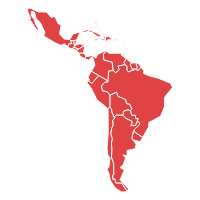
Latin America
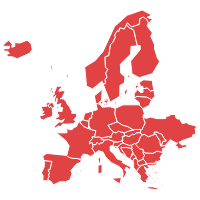
Europe

Asia Pacific
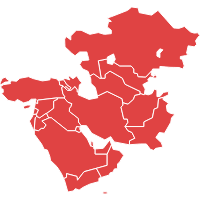
Middle East
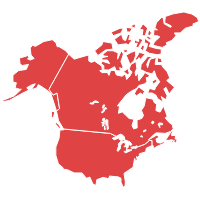
North America
|
Report Benchmarks |
Details |
|
Report Study Period |
2026-2032 |
|
Market Size in 2025 |
US$ 96.4 Billion |
|
Market Size in 2032 |
US$ 182.7 Billion |
|
Market CAGR |
9.6% |
|
By Vehicle Type |
|
|
By Battery Type |
|
|
By Application |
|
|
By Region |
|
The Electric Transporters market is entering a high-growth phase, supported by electrification mandates, charging infrastructure expansion, and rapid adoption across urban mobility and commercial logistics. The market is projected to grow from USD 96.4 billion in 2025 to USD 182.7 billion by 2032, reflecting strong long-term demand fundamentals, while the U.S. market is expected to expand from USD 11.8 billion to USD 22.4 billion during the same period.
From an analyst perspective, Asia-Pacific continues to anchor global revenue generation due to China’s manufacturing scale and India’s policy-driven two-wheeler adoption, while Latin America is emerging as a high-potential expansion market. Commercial transportation remains the strongest application segment, driven by large-scale fleet electrification from companies such as Amazon and DHL Group. Battery innovation, localization of supply chains, and charging network investments are accelerating cost competitiveness. However, raw material volatility, infrastructure gaps, and battery replacement economics remain strategic concerns. Overall, the market is transitioning from early adoption toward mainstream mobility deployment, with OEMs, logistics operators, and governments collectively shaping future growth.
Download Free Sample Report

Electric Transporters Market size was valued at US$ 96.4 Billion in 2025 and is projected to reach US$ 182.7 Billion by 2032, growing at a CAGR of 9.6% from 2026-2032.
Asia-Pacific leads the market due to strong manufacturing capabilities, government subsidies, and high electric two-wheeler and three-wheeler adoption.
Commercial Transportation dominates due to rising adoption of electric delivery fleets, cargo transporters, and ride-sharing vehicles.
Electric Transporters Market report covers the Vehicle Type, Battery Type, Application, and region segments.
BYD, Tesla, Yadea, Gogoro, Piaggio, GOVECS, Ola Electric, Ather Energy, Segway-Ninebot, Mahindra Last Mile Mobility, and among others are the key players in the Electric Transporters -market.
Content Updated Date: May 2026
| 1.Executive Summary |
| 2.Global Electric Transporters Market Introduction |
| 2.1.Global Electric Transporters Market - Taxonomy |
| 2.2.Global Electric Transporters Market - Definitions |
| 2.2.1.Vehicle Type |
| 2.2.2.Battery Type |
| 2.2.3.Application |
| 2.2.4.Region |
| 3.Global Electric Transporters Market Dynamics |
| 3.1. Drivers |
| 3.2. Restraints |
| 3.3. Opportunities/Unmet Needs of the Market |
| 3.4. Trends |
| 3.5. Product Landscape |
| 3.6. New Product Launches |
| 3.7. Impact of COVID 19 on Market |
| 4.Global Electric Transporters Market Analysis, 2021 - 2025 and Forecast 2026 - 2032 |
| 4.1. Market Analysis, 2021 - 2025 and Forecast, 2026 - 2032, (Sales Value USD Million) |
| 4.2. Year-Over-Year (Y-o-Y) Growth Analysis (%) |
| 4.3. Market Opportunity Analysis |
| 5.Global Electric Transporters Market By Vehicle Type, 2021 - 2025 and Forecast 2026 - 2032 (Sales Value USD Million) |
| 5.1. Electric Two-Wheelers |
| 5.1.1. Market Analysis, 2021 - 2025 and Forecast, 2026 - 2032, (Sales Value USD Million) |
| 5.1.2. Year-Over-Year (Y-o-Y) Growth Analysis (%) and Market Share Analysis (%) |
| 5.1.3. Market Opportunity Analysis |
| 5.2. Electric Three-Wheelers |
| 5.2.1. Market Analysis, 2021 - 2025 and Forecast, 2026 - 2032, (Sales Value USD Million) |
| 5.2.2. Year-Over-Year (Y-o-Y) Growth Analysis (%) and Market Share Analysis (%) |
| 5.2.3. Market Opportunity Analysis |
| 5.3. Personal Transporters |
| 5.3.1. Market Analysis, 2021 - 2025 and Forecast, 2026 - 2032, (Sales Value USD Million) |
| 5.3.2. Year-Over-Year (Y-o-Y) Growth Analysis (%) and Market Share Analysis (%) |
| 5.3.3. Market Opportunity Analysis |
| 6.Global Electric Transporters Market By Battery Type, 2021 - 2025 and Forecast 2026 - 2032 (Sales Value USD Million) |
| 6.1. Lithium-Ion Battery |
| 6.1.1. Market Analysis, 2021 - 2025 and Forecast, 2026 - 2032, (Sales Value USD Million) |
| 6.1.2. Year-Over-Year (Y-o-Y) Growth Analysis (%) and Market Share Analysis (%) |
| 6.1.3. Market Opportunity Analysis |
| 6.2. Lead-Acid Battery |
| 6.2.1. Market Analysis, 2021 - 2025 and Forecast, 2026 - 2032, (Sales Value USD Million) |
| 6.2.2. Year-Over-Year (Y-o-Y) Growth Analysis (%) and Market Share Analysis (%) |
| 6.2.3. Market Opportunity Analysis |
| 6.3. Others |
| 6.3.1. Market Analysis, 2021 - 2025 and Forecast, 2026 - 2032, (Sales Value USD Million) |
| 6.3.2. Year-Over-Year (Y-o-Y) Growth Analysis (%) and Market Share Analysis (%) |
| 6.3.3. Market Opportunity Analysis |
| 7.Global Electric Transporters Market By Application, 2021 - 2025 and Forecast 2026 - 2032 (Sales Value USD Million) |
| 7.1. Commercial Transportation |
| 7.1.1. Market Analysis, 2021 - 2025 and Forecast, 2026 - 2032, (Sales Value USD Million) |
| 7.1.2. Year-Over-Year (Y-o-Y) Growth Analysis (%) and Market Share Analysis (%) |
| 7.1.3. Market Opportunity Analysis |
| 7.2. Personal Mobility |
| 7.2.1. Market Analysis, 2021 - 2025 and Forecast, 2026 - 2032, (Sales Value USD Million) |
| 7.2.2. Year-Over-Year (Y-o-Y) Growth Analysis (%) and Market Share Analysis (%) |
| 7.2.3. Market Opportunity Analysis |
| 7.3. Shared Mobility |
| 7.3.1. Market Analysis, 2021 - 2025 and Forecast, 2026 - 2032, (Sales Value USD Million) |
| 7.3.2. Year-Over-Year (Y-o-Y) Growth Analysis (%) and Market Share Analysis (%) |
| 7.3.3. Market Opportunity Analysis |
| 7.4. Others |
| 7.4.1. Market Analysis, 2021 - 2025 and Forecast, 2026 - 2032, (Sales Value USD Million) |
| 7.4.2. Year-Over-Year (Y-o-Y) Growth Analysis (%) and Market Share Analysis (%) |
| 7.4.3. Market Opportunity Analysis |
| 8.Global Electric Transporters Market By Region, 2021 - 2025 and Forecast 2026 - 2032 (Sales Value USD Million) |
| 8.1. North America |
| 8.1.1. Market Analysis, 2021 - 2025 and Forecast, 2026 - 2032, (Sales Value USD Million) |
| 8.1.2. Year-Over-Year (Y-o-Y) Growth Analysis (%) and Market Share Analysis (%) |
| 8.1.3. Market Opportunity Analysis |
| 8.2. Europe |
| 8.2.1. Market Analysis, 2021 - 2025 and Forecast, 2026 - 2032, (Sales Value USD Million) |
| 8.2.2. Year-Over-Year (Y-o-Y) Growth Analysis (%) and Market Share Analysis (%) |
| 8.2.3. Market Opportunity Analysis |
| 8.3. Asia Pacific (APAC) |
| 8.3.1. Market Analysis, 2021 - 2025 and Forecast, 2026 - 2032, (Sales Value USD Million) |
| 8.3.2. Year-Over-Year (Y-o-Y) Growth Analysis (%) and Market Share Analysis (%) |
| 8.3.3. Market Opportunity Analysis |
| 8.4. Middle East and Africa (MEA) |
| 8.4.1. Market Analysis, 2021 - 2025 and Forecast, 2026 - 2032, (Sales Value USD Million) |
| 8.4.2. Year-Over-Year (Y-o-Y) Growth Analysis (%) and Market Share Analysis (%) |
| 8.4.3. Market Opportunity Analysis |
| 8.5. Latin America |
| 8.5.1. Market Analysis, 2021 - 2025 and Forecast, 2026 - 2032, (Sales Value USD Million) |
| 8.5.2. Year-Over-Year (Y-o-Y) Growth Analysis (%) and Market Share Analysis (%) |
| 8.5.3. Market Opportunity Analysis |
| 9.North America Electric Transporters Market ,2021 - 2025 and Forecast 2026 - 2032 (Sales Value USD Million) |
| 9.1. Vehicle Type Analysis 2021 - 2025 and Forecast 2026 - 2032 by Sales Value USD Million, Y-o-Y Growth (%), and Market Share (%) |
| 9.1.1.Electric Two-Wheelers |
| 9.1.2.Electric Three-Wheelers |
| 9.1.3.Personal Transporters |
| 9.2. Battery Type Analysis 2021 - 2025 and Forecast 2026 - 2032 by Sales Value USD Million, Y-o-Y Growth (%), and Market Share (%) |
| 9.2.1.Lithium-Ion Battery |
| 9.2.2.Lead-Acid Battery |
| 9.2.3.Others |
| 9.3. Application Analysis 2021 - 2025 and Forecast 2026 - 2032 by Sales Value USD Million, Y-o-Y Growth (%), and Market Share (%) |
| 9.3.1.Commercial Transportation |
| 9.3.2.Personal Mobility |
| 9.3.3.Shared Mobility |
| 9.3.4.Others |
| 9.4. Country Analysis 2021 - 2025 and Forecast 2026 - 2032 by Sales Value USD Million, Y-o-Y Growth (%), and Market Share (%) |
| 9.4.1.United States of America (USA) |
| 9.4.2.Canada |
| 10.Europe Electric Transporters Market ,2021 - 2025 and Forecast 2026 - 2032 (Sales Value USD Million) |
| 10.1. Vehicle Type Analysis and Forecast by Sales Value USD Million, Y-o-Y Growth (%), and Market Share (%) |
| 10.1.1.Electric Two-Wheelers |
| 10.1.2.Electric Three-Wheelers |
| 10.1.3.Personal Transporters |
| 10.2. Battery Type Analysis 2021 - 2025 and Forecast 2026 - 2032 by Sales Value USD Million, Y-o-Y Growth (%), and Market Share (%) |
| 10.2.1.Lithium-Ion Battery |
| 10.2.2.Lead-Acid Battery |
| 10.2.3.Others |
| 10.3. Application Analysis 2021 - 2025 and Forecast 2026 - 2032 by Sales Value USD Million, Y-o-Y Growth (%), and Market Share (%) |
| 10.3.1.Commercial Transportation |
| 10.3.2.Personal Mobility |
| 10.3.3.Shared Mobility |
| 10.3.4.Others |
| 10.4. Country Analysis 2021 - 2025 and Forecast 2026 - 2032 by Sales Value USD Million, Y-o-Y Growth (%), and Market Share (%) |
| 10.4.1.Germany |
| 10.4.2.France |
| 10.4.3.Italy |
| 10.4.4.United Kingdom (UK) |
| 10.4.5.Spain |
| 11.Asia Pacific (APAC) Electric Transporters Market ,2021 - 2025 and Forecast 2026 - 2032 (Sales Value USD Million) |
| 11.1. Vehicle Type Analysis and Forecast by Sales Value USD Million, Y-o-Y Growth (%), and Market Share (%) |
| 11.1.1.Electric Two-Wheelers |
| 11.1.2.Electric Three-Wheelers |
| 11.1.3.Personal Transporters |
| 11.2. Battery Type Analysis 2021 - 2025 and Forecast 2026 - 2032 by Sales Value USD Million, Y-o-Y Growth (%), and Market Share (%) |
| 11.2.1.Lithium-Ion Battery |
| 11.2.2.Lead-Acid Battery |
| 11.2.3.Others |
| 11.3. Application Analysis 2021 - 2025 and Forecast 2026 - 2032 by Sales Value USD Million, Y-o-Y Growth (%), and Market Share (%) |
| 11.3.1.Commercial Transportation |
| 11.3.2.Personal Mobility |
| 11.3.3.Shared Mobility |
| 11.3.4.Others |
| 11.4. Country Analysis 2021 - 2025 and Forecast 2026 - 2032 by Sales Value USD Million, Y-o-Y Growth (%), and Market Share (%) |
| 11.4.1.China |
| 11.4.2.India |
| 11.4.3.Australia and New Zealand (ANZ) |
| 11.4.4.Japan |
| 11.4.5.Rest of APAC |
| 12.Middle East and Africa (MEA) Electric Transporters Market ,2021 - 2025 and Forecast 2026 - 2032 (Sales Value USD Million) |
| 12.1. Vehicle Type Analysis and Forecast by Sales Value USD Million, Y-o-Y Growth (%), and Market Share (%) |
| 12.1.1.Electric Two-Wheelers |
| 12.1.2.Electric Three-Wheelers |
| 12.1.3.Personal Transporters |
| 12.2. Battery Type Analysis 2021 - 2025 and Forecast 2026 - 2032 by Sales Value USD Million, Y-o-Y Growth (%), and Market Share (%) |
| 12.2.1.Lithium-Ion Battery |
| 12.2.2.Lead-Acid Battery |
| 12.2.3.Others |
| 12.3. Application Analysis 2021 - 2025 and Forecast 2026 - 2032 by Sales Value USD Million, Y-o-Y Growth (%), and Market Share (%) |
| 12.3.1.Commercial Transportation |
| 12.3.2.Personal Mobility |
| 12.3.3.Shared Mobility |
| 12.3.4.Others |
| 12.4. Country Analysis 2021 - 2025 and Forecast 2026 - 2032 by Sales Value USD Million, Y-o-Y Growth (%), and Market Share (%) |
| 12.4.1.GCC Countries |
| 12.4.2.South Africa |
| 12.4.3.Rest of MEA |
| 13.Latin America Electric Transporters Market ,2021 - 2025 and Forecast 2026 - 2032 (Sales Value USD Million) |
| 13.1. Vehicle Type Analysis and Forecast by Sales Value USD Million, Y-o-Y Growth (%), and Market Share (%) |
| 13.1.1.Electric Two-Wheelers |
| 13.1.2.Electric Three-Wheelers |
| 13.1.3.Personal Transporters |
| 13.2. Battery Type Analysis 2021 - 2025 and Forecast 2026 - 2032 by Sales Value USD Million, Y-o-Y Growth (%), and Market Share (%) |
| 13.2.1.Lithium-Ion Battery |
| 13.2.2.Lead-Acid Battery |
| 13.2.3.Others |
| 13.3. Application Analysis 2021 - 2025 and Forecast 2026 - 2032 by Sales Value USD Million, Y-o-Y Growth (%), and Market Share (%) |
| 13.3.1.Commercial Transportation |
| 13.3.2.Personal Mobility |
| 13.3.3.Shared Mobility |
| 13.3.4.Others |
| 13.4. Country Analysis 2021 - 2025 and Forecast 2026 - 2032 by Sales Value USD Million, Y-o-Y Growth (%), and Market Share (%) |
| 13.4.1.Brazil |
| 13.4.2.Mexico |
| 13.4.3.Rest of LA |
| 14. Competition Landscape |
| 14.1. Market Player Profiles (Introduction, Brand/Product Sales, Financial Analysis, Product Offerings, Key Developments, Collaborations, M & A, Strategies, and SWOT Analysis) |
| 14.2.1.BYD |
| 14.2.2.Tesla |
| 14.2.3.Yadea |
| 14.2.4.Gogoro |
| 14.2.5.Piaggio |
| 14.2.6.GOVECS |
| 14.2.7.Ola Electric |
| 14.2.8.Ather Energy |
| 14.2.9.Segway-Ninebot |
| 14.2.10.Mahindra Last Mile Mobility |
| 15. Research Methodology |
| 16. Appendix and Abbreviations |
Key Market Players

 Download Sample