
 Download Sample




Author
Sravani is a proficient Business Analyst with an MBA and a background in Computer Science, with seven years of expe.....
Health Ingredients Market: By Type, By Source, By Application, and Region 2021-2032
Report ID:989601
Published Date:May 2026
No of Pages:210
Format:

Health Ingredients Market size was valued at US$ 128.6 Billion in 2025 and is projected to reach US$ 208.4 Billion by 2032, growing at a CAGR of 7.1% from 2026-2032. Moreover, in the USA, the Health Ingredients Market size was valued at US$ 34.8 Billion in 2025 and is projected to reach US$ 58.7 Billion by 2032, growing at a CAGR of 7.8% from 2026-2032.
Health ingredients are functional bioactive ingredients such as vitamins, minerals, probiotics, proteins, omega fatty acids, fibers, botanical extracts, enzymes, and amino acids that are incorporated into foods, beverages, dietary supplements, clinical nutrition, and pharmaceutical formulations to support specific health outcomes such as immunity, gut health, cognitive wellness, bone health, and healthy aging. The U.S. National Institutes of Health, Office of Dietary Supplements defines dietary supplement ingredients to include vitamins, minerals, botanicals, probiotics, and other bioactive compounds used to complement nutritional intake. The NIH also states that dietary supplements are widely studied for their role in population nutrition and preventive health.
Globally, demand for health ingredients is being driven by rising nutrition awareness, aging populations, preventive healthcare, and increasing functional food adoption. The World Health Organization reports that unhealthy diets remain one of the leading risk factors for noncommunicable diseases worldwide, strengthening demand for nutrition-based interventions. In the private sector, dsm-firmenich through dsm-firmenich reported that its Health, Nutrition & Care business delivered €2.1 billion in sales in 2025, supported by strong demand in dietary supplements, medical nutrition, and gut-health solutions. The company also highlighted expanding demand for probiotic, prebiotic, and postbiotic ingredient platforms across Asia, Europe, and North America. However, the market continues to face challenges related to stringent regulatory approvals, varying health claim standards across countries, raw material price volatility, supply chain disruptions, and maintaining ingredient stability, efficacy, and clean-label transparency in increasingly complex food, supplement, and pharmaceutical formulations.

Based on the Type:
Among all product types, Vitamins remain one of the most dominant segments in the market due to their broad use in fortified foods, dietary supplements, and clinical nutrition. The World Health Organization reports vitamin A deficiency affects over 250 million children globally, while UNICEF reported 75% of targeted children received vitamin A supplementation in 2023, reinforcing sustained global demand for vitamin ingredients and fortification programs. Top of Form
Based on the Source:
Among all source segments, plant-based health ingredients currently dominate due to rising demand for clean-label, sustainable, and preventive nutrition solutions. In 2025, the U.S. Food and Drug Administration issued new guidance for labeling plant-based foods, reflecting growing commercialization, while the World Health Organization continues promoting plant-forward dietary patterns for long-term health and sustainability.
Based on the Application:
Among application segments, Functional Food & Beverages remains the dominant category due to daily consumer consumption and broad fortification adoption. The U.S. Food and Drug Administration report mandatory folic acid fortification in enriched grain products since 1998, significantly improving nutritional intake. Meanwhile, Nestlé reported over CHF 16 billion sales from its nutrition and health science businesses, supporting continued functional ingredient demand globally.
Study Period
2026-2032Base Year
2025CAGR
7.1%Largest Market
North-AmericaFastest Growing Market
Asia Pacific
The growth of the market is being driven by rising preventive healthcare awareness, demographic shifts, active lifestyles, and continuous food innovation. According to the World Health Organization (WHO), unhealthy diets remain a major contributor to noncommunicable diseases such as cardiovascular disease, diabetes, stroke, and cancer, while nearly 3 billion people globally still cannot access safe, nutritious, and sufficient food, increasing global focus on food fortification, micronutrient enrichment, and functional nutrition programs. The United Nations projects that the population aged 65 years and above will rise from 761 million in 2021 to 1.6 billion by 2050, significantly boosting demand for bone-health, cognitive-health, immunity, and healthy-aging ingredients. In sports and active nutrition, the U.S. Centers for Disease Control and Prevention (CDC) reports that over 53% of U.S. adults meet aerobic physical activity guidelines, supporting higher consumption of proteins, amino acids, and recovery nutrition products. In addition, a 2025 The Lancet global burden study estimated that 2.11 billion adults were living with overweight or obesity in 2021, driving demand for metabolic-health ingredients. On the industry side, dsm-firmenich reported €2.1 billion in 2025 sales from its Health, Nutrition & Care business, supported by probiotics, medical nutrition, and personalized wellness solutions.
The Health Ingredients Market faces several structural restraints related to regulation, cost pressure, scientific validation, and product quality. Regulatory compliance remains one of the biggest barriers, as agencies such as the U.S. Food and Drug Administration and European Food Safety Authority enforce strict standards for ingredient approvals, health claims, labeling, and safety documentation, often extending product commercialization timelines and increasing research costs. Raw material sourcing also remains challenging, particularly for botanicals, probiotics, omega oils, specialty proteins, and fermentation-based ingredients, where supply volatility and inflation can impact manufacturing margins. According to the World Health Organization, nearly 3 billion people globally still lack access to safe and nutritious food, reflecting broader food affordability and supply challenges that influence ingredient sourcing. In addition, the United Nations projects the global population aged 65+ will reach 1.6 billion by 2050, increasing demand pressure on specialty nutrition ingredients. Quality concerns also remain significant, as regulatory bodies continue warning against misleading supplement claims, counterfeit ingredients, and inconsistent product efficacy, creating legal risks, consumer trust issues, and higher compliance costs for manufacturers worldwide.
The Health Ingredients Market presents strong growth opportunities driven by innovation, evolving consumer preferences, and expanding healthcare awareness. Personalized nutrition is creating major opportunities as consumers increasingly seek targeted solutions for immunity, gut health, cognitive performance, weight management, and healthy aging. Advances in microbiome science, nutrigenomics, and digital health monitoring are encouraging manufacturers to develop customized probiotics, postbiotics, botanical extracts, and precision nutrition formulations. The rapid growth of plant-based nutrition also opens new opportunities for plant proteins, natural fibers, algae-based omega ingredients, and clean-label functional compounds. Emerging markets across India, China, and Brazil are creating additional demand due to rising disposable incomes, urbanization, and preventive healthcare awareness. Functional beverages, sports nutrition, infant nutrition, and medical nutrition continue to provide attractive application opportunities. Furthermore, advances in encapsulation, fermentation, and bioavailability technologies are enabling companies to improve ingredient stability, absorption, and efficacy. The expansion of e-commerce, digital wellness platforms, and direct-to-consumer supplement models is also helping manufacturers reach wider consumer bases and accelerate global market penetration.
The Health Ingredients Market is witnessing strong transformation through evolving consumer health preferences, scientific innovation, and clean-label product development. One of the biggest trends is the rising demand for gut-health solutions, with probiotics, prebiotics, synbiotics, and postbiotics becoming mainstream across foods, beverages, and supplements. Scientific studies show growing innovation in plant-based probiotic formulations and microbiome-focused nutrition. Another major trend is the rapid expansion of plant-based and sustainable nutrition, supported by increasing consumer interest in plant proteins, botanical extracts, algae-based omega ingredients, and fermented functional foods. In 2026, the American Heart Association also reinforced demand for plant-based proteins in updated dietary guidance. Consumers are also increasingly seeking clean-label and transparent formulations, preferring products with natural ingredients, reduced sugar, fewer artificial additives, and clinically supported health claims. Another emerging trend is personalized nutrition, where digital health tools, microbiome testing, and precision supplementation are helping brands create targeted solutions for immunity, cognition, metabolic health, and healthy aging. Additionally, advanced delivery technologies such as microencapsulation, sustained-release systems, and improved bioavailability platforms are helping manufacturers enhance ingredient stability, efficacy, and consumer compliance across the global health ingredients ecosystem.
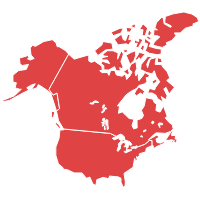
The market shows strong regional variation, with North America currently dominating, while Asia-Pacific is emerging as the fastest-growing region. North America leads due to its mature nutraceutical ecosystem, high consumer spending on preventive healthcare, and strong presence of ingredient innovators. According to the Centers for Disease Control and Prevention, about 47.9% of U.S. adults met recommended aerobic physical activity guidelines in 2020, supporting strong demand for sports nutrition, proteins, amino acids, and recovery ingredients. In addition, the CDC reports that nearly 40% of U.S. adults live with obesity, increasing demand for metabolic-health, weight-management, and functional nutrition products. Major global ingredient companies such as dsm-firmenich, ADM, and IFF maintain strong commercial operations across the region.
Meanwhile, Asia-Pacific is the fastest-growing market, driven by expanding middle-class populations, rising healthcare awareness, and aging demographics across China, India, and Japan. The World Health Organization reports that by 2050, 80% of older people globally will live in low- and middle-income countries, with Asia expected to account for a major share, accelerating demand for immunity, bone-health, and healthy-aging ingredients. Europe remains strong in clean-label and regulatory-driven innovation, while Latin America and Middle East and Africa are gradually expanding through preventive healthcare and fortified food adoption.
Latin America
Europe
Asia Pacific
Middle East
North America
|
Report Benchmarks |
Details |
|
Report Study Period |
2026-2032 |
|
Market Size in 2025 |
US$ 128.6 Billion |
|
Market Size in 2032 |
US$ 208.4 Billion |
|
Market CAGR |
7.1% |
|
By Type |
|
|
By Source |
|
|
By Application |
|
|
By Region |
|
The market is positioned for steady long-term expansion, growing from USD 128.6 billion in 2025 to USD 208.4 billion by 2032 at a 7.1% CAGR, while the U.S. market is projected to grow at an even stronger 7.8% CAGR, reflecting high consumer spending on preventive nutrition and functional wellness products. Growth is strongly supported by rising demand for vitamins, probiotics, proteins, botanical extracts, and omega-based ingredients across dietary supplements, functional foods, clinical nutrition, and sports nutrition. Global health organizations continue prioritizing micronutrient fortification, obesity management, and healthy aging, creating structural demand across developed and emerging economies. At the same time, companies such as dsm-firmenich, ADM, BASF, and International Flavors & Fragrances are actively investing in probiotics, synbiotics, personalized nutrition, and bioavailability technologies, indicating strong innovation momentum. However, regulatory complexity, scientific substantiation requirements, and raw material volatility remain critical challenges. Overall, the market outlook remains highly positive, supported by clean-label demand, plant-based nutrition, microbiome science, and expanding healthcare awareness worldwide.
Download Free Sample Report

The health ingredients market size was valued at US$ 128.6 Billion in 2025 and is projected to grow at a CAGR of 7.1% from 2026-2032.
• Growth in sports and active nutrition • Rising preventive healthcare awareness • Growing demand for functional foods and dietary supplements
• Smart and Connected Home Water Systems • Water-Efficiency and Sustainability Regulations • Residential Infrastructure Modernization
North America currently dominates due to strong nutraceutical adoption, high healthcare spending, and the presence of major ingredient manufacturers, while Asia-Pacific is the fastest-growing region.
The market report covers the Type, Source, Application, and region segments.
ADM, BASF, Cargill, Lonza, Ingredion, dsm-firmenich, Kerry Group, Evonik Industries, Glanbia Nutritionals, International Flavors & Fragrances, and among others are the key players in the market.
Content Updated Date: May 2026
| 1.Executive Summary |
| 2.Global Health Ingredients Market Introduction |
| 2.1.Global Health Ingredients Market - Taxonomy |
| 2.2.Global Health Ingredients Market - Definitions |
| 2.2.1.Type |
| 2.2.2.Source |
| 2.2.3.Application |
| 2.2.4.Region |
| 3.Global Health Ingredients Market Dynamics |
| 3.1. Drivers |
| 3.2. Restraints |
| 3.3. Opportunities/Unmet Needs of the Market |
| 3.4. Trends |
| 3.5. Product Landscape |
| 3.6. New Product Launches |
| 3.7. Impact of COVID 19 on Market |
| 4.Global Health Ingredients Market Analysis, 2021 - 2025 and Forecast 2026- 2032 |
| 4.1. Market Analysis, 2021 - 2025 and Forecast, 2026- 2032, (Sales Value USD Million) |
| 4.2. Year-Over-Year (Y-o-Y) Growth Analysis (%) |
| 4.3. Market Opportunity Analysis |
| 5.Global Health Ingredients Market By Type , 2021 - 2025 and Forecast 2026- 2032 (Sales Value USD Million) |
| 5.1. Vitamins |
| 5.1.1. Market Analysis, 2021 - 2025 and Forecast, 2026- 2032, (Sales Value USD Million) |
| 5.1.2. Year-Over-Year (Y-o-Y) Growth Analysis (%) and Market Share Analysis (%) |
| 5.1.3. Market Opportunity Analysis |
| 5.2. Minerals |
| 5.2.1. Market Analysis, 2021 - 2025 and Forecast, 2026- 2032, (Sales Value USD Million) |
| 5.2.2. Year-Over-Year (Y-o-Y) Growth Analysis (%) and Market Share Analysis (%) |
| 5.2.3. Market Opportunity Analysis |
| 5.3. Enzymes |
| 5.3.1. Market Analysis, 2021 - 2025 and Forecast, 2026- 2032, (Sales Value USD Million) |
| 5.3.2. Year-Over-Year (Y-o-Y) Growth Analysis (%) and Market Share Analysis (%) |
| 5.3.3. Market Opportunity Analysis |
| 5.4. Omega-3 |
| 5.4.1. Market Analysis, 2021 - 2025 and Forecast, 2026- 2032, (Sales Value USD Million) |
| 5.4.2. Year-Over-Year (Y-o-Y) Growth Analysis (%) and Market Share Analysis (%) |
| 5.4.3. Market Opportunity Analysis |
| 5.5. Botanical Extracts |
| 5.5.1. Market Analysis, 2021 - 2025 and Forecast, 2026- 2032, (Sales Value USD Million) |
| 5.5.2. Year-Over-Year (Y-o-Y) Growth Analysis (%) and Market Share Analysis (%) |
| 5.5.3. Market Opportunity Analysis |
| 5.6. Proteins & Amino Acids |
| 5.6.1. Market Analysis, 2021 - 2025 and Forecast, 2026- 2032, (Sales Value USD Million) |
| 5.6.2. Year-Over-Year (Y-o-Y) Growth Analysis (%) and Market Share Analysis (%) |
| 5.6.3. Market Opportunity Analysis |
| 5.7. Probiotics & Prebiotics |
| 5.7.1. Market Analysis, 2021 - 2025 and Forecast, 2026- 2032, (Sales Value USD Million) |
| 5.7.2. Year-Over-Year (Y-o-Y) Growth Analysis (%) and Market Share Analysis (%) |
| 5.7.3. Market Opportunity Analysis |
| 5.8. Fibers & Functional Carbohydrates |
| 5.8.1. Market Analysis, 2021 - 2025 and Forecast, 2026- 2032, (Sales Value USD Million) |
| 5.8.2. Year-Over-Year (Y-o-Y) Growth Analysis (%) and Market Share Analysis (%) |
| 5.8.3. Market Opportunity Analysis |
| 5.9. Others |
| 5.9.1. Market Analysis, 2021 - 2025 and Forecast, 2026- 2032, (Sales Value USD Million) |
| 5.9.2. Year-Over-Year (Y-o-Y) Growth Analysis (%) and Market Share Analysis (%) |
| 5.9.3. Market Opportunity Analysis |
| 6.Global Health Ingredients Market By Source, 2021 - 2025 and Forecast 2026- 2032 (Sales Value USD Million) |
| 6.1. Plant-Based |
| 6.1.1. Market Analysis, 2021 - 2025 and Forecast, 2026- 2032, (Sales Value USD Million) |
| 6.1.2. Year-Over-Year (Y-o-Y) Growth Analysis (%) and Market Share Analysis (%) |
| 6.1.3. Market Opportunity Analysis |
| 6.2. Animal-Based |
| 6.2.1. Market Analysis, 2021 - 2025 and Forecast, 2026- 2032, (Sales Value USD Million) |
| 6.2.2. Year-Over-Year (Y-o-Y) Growth Analysis (%) and Market Share Analysis (%) |
| 6.2.3. Market Opportunity Analysis |
| 6.3. Microbial-Based |
| 6.3.1. Market Analysis, 2021 - 2025 and Forecast, 2026- 2032, (Sales Value USD Million) |
| 6.3.2. Year-Over-Year (Y-o-Y) Growth Analysis (%) and Market Share Analysis (%) |
| 6.3.3. Market Opportunity Analysis |
| 6.4. Synthetic-Based |
| 6.4.1. Market Analysis, 2021 - 2025 and Forecast, 2026- 2032, (Sales Value USD Million) |
| 6.4.2. Year-Over-Year (Y-o-Y) Growth Analysis (%) and Market Share Analysis (%) |
| 6.4.3. Market Opportunity Analysis |
| 7.Global Health Ingredients Market By Application, 2021 - 2025 and Forecast 2026- 2032 (Sales Value USD Million) |
| 7.1. Functional Food & Beverages |
| 7.1.1. Market Analysis, 2021 - 2025 and Forecast, 2026- 2032, (Sales Value USD Million) |
| 7.1.2. Year-Over-Year (Y-o-Y) Growth Analysis (%) and Market Share Analysis (%) |
| 7.1.3. Market Opportunity Analysis |
| 7.2. Dietary Supplements |
| 7.2.1. Market Analysis, 2021 - 2025 and Forecast, 2026- 2032, (Sales Value USD Million) |
| 7.2.2. Year-Over-Year (Y-o-Y) Growth Analysis (%) and Market Share Analysis (%) |
| 7.2.3. Market Opportunity Analysis |
| 7.3. Clinical Nutrition |
| 7.3.1. Market Analysis, 2021 - 2025 and Forecast, 2026- 2032, (Sales Value USD Million) |
| 7.3.2. Year-Over-Year (Y-o-Y) Growth Analysis (%) and Market Share Analysis (%) |
| 7.3.3. Market Opportunity Analysis |
| 7.4. Sports Nutrition |
| 7.4.1. Market Analysis, 2021 - 2025 and Forecast, 2026- 2032, (Sales Value USD Million) |
| 7.4.2. Year-Over-Year (Y-o-Y) Growth Analysis (%) and Market Share Analysis (%) |
| 7.4.3. Market Opportunity Analysis |
| 7.5. Infant Nutrition |
| 7.5.1. Market Analysis, 2021 - 2025 and Forecast, 2026- 2032, (Sales Value USD Million) |
| 7.5.2. Year-Over-Year (Y-o-Y) Growth Analysis (%) and Market Share Analysis (%) |
| 7.5.3. Market Opportunity Analysis |
| 8.Global Health Ingredients Market By Region, 2021 - 2025 and Forecast 2026- 2032 (Sales Value USD Million) |
| 8.1. North America |
| 8.1.1. Market Analysis, 2021 - 2025 and Forecast, 2026- 2032, (Sales Value USD Million) |
| 8.1.2. Year-Over-Year (Y-o-Y) Growth Analysis (%) and Market Share Analysis (%) |
| 8.1.3. Market Opportunity Analysis |
| 8.2. Europe |
| 8.2.1. Market Analysis, 2021 - 2025 and Forecast, 2026- 2032, (Sales Value USD Million) |
| 8.2.2. Year-Over-Year (Y-o-Y) Growth Analysis (%) and Market Share Analysis (%) |
| 8.2.3. Market Opportunity Analysis |
| 8.3. Asia Pacific (APAC) |
| 8.3.1. Market Analysis, 2021 - 2025 and Forecast, 2026- 2032, (Sales Value USD Million) |
| 8.3.2. Year-Over-Year (Y-o-Y) Growth Analysis (%) and Market Share Analysis (%) |
| 8.3.3. Market Opportunity Analysis |
| 8.4. Middle East and Africa (MEA) |
| 8.4.1. Market Analysis, 2021 - 2025 and Forecast, 2026- 2032, (Sales Value USD Million) |
| 8.4.2. Year-Over-Year (Y-o-Y) Growth Analysis (%) and Market Share Analysis (%) |
| 8.4.3. Market Opportunity Analysis |
| 8.5. Latin America |
| 8.5.1. Market Analysis, 2021 - 2025 and Forecast, 2026- 2032, (Sales Value USD Million) |
| 8.5.2. Year-Over-Year (Y-o-Y) Growth Analysis (%) and Market Share Analysis (%) |
| 8.5.3. Market Opportunity Analysis |
| 9.North America Health Ingredients Market ,2021 - 2025 and Forecast 2026- 2032 (Sales Value USD Million) |
| 9.1. Type Analysis 2021 - 2025 and Forecast 2026- 2032 by Sales Value USD Million, Y-o-Y Growth (%), and Market Share (%) |
| 9.1.1.Vitamins |
| 9.1.2.Minerals |
| 9.1.3.Enzymes |
| 9.1.4.Omega-3 |
| 9.1.5.Botanical Extracts |
| 9.1.6.Proteins & Amino Acids |
| 9.1.7.Probiotics & Prebiotics |
| 9.1.8.Fibers & Functional Carbohydrates |
| 9.1.9.Others |
| 9.2. Source Analysis 2021 - 2025 and Forecast 2026- 2032 by Sales Value USD Million, Y-o-Y Growth (%), and Market Share (%) |
| 9.2.1.Plant-Based |
| 9.2.2.Animal-Based |
| 9.2.3.Microbial-Based |
| 9.2.4.Synthetic-Based |
| 9.3. Application Analysis 2021 - 2025 and Forecast 2026- 2032 by Sales Value USD Million, Y-o-Y Growth (%), and Market Share (%) |
| 9.3.1.Functional Food & Beverages |
| 9.3.2.Dietary Supplements |
| 9.3.3.Clinical Nutrition |
| 9.3.4.Sports Nutrition |
| 9.3.5.Infant Nutrition |
| 9.4. Country Analysis 2021 - 2025 and Forecast 2026- 2032 by Sales Value USD Million, Y-o-Y Growth (%), and Market Share (%) |
| 9.4.1.United States of America (USA) |
| 9.4.2.Canada |
| 10.Europe Health Ingredients Market ,2021 - 2025 and Forecast 2026- 2032 (Sales Value USD Million) |
| 10.1. Type Analysis and Forecast by Sales Value USD Million, Y-o-Y Growth (%), and Market Share (%) |
| 10.1.1.Vitamins |
| 10.1.2.Minerals |
| 10.1.3.Enzymes |
| 10.1.4.Omega-3 |
| 10.1.5.Botanical Extracts |
| 10.1.6.Proteins & Amino Acids |
| 10.1.7.Probiotics & Prebiotics |
| 10.1.8.Fibers & Functional Carbohydrates |
| 10.1.9.Others |
| 10.2. Source Analysis 2021 - 2025 and Forecast 2026- 2032 by Sales Value USD Million, Y-o-Y Growth (%), and Market Share (%) |
| 10.2.1.Plant-Based |
| 10.2.2.Animal-Based |
| 10.2.3.Microbial-Based |
| 10.2.4.Synthetic-Based |
| 10.3. Application Analysis 2021 - 2025 and Forecast 2026- 2032 by Sales Value USD Million, Y-o-Y Growth (%), and Market Share (%) |
| 10.3.1.Functional Food & Beverages |
| 10.3.2.Dietary Supplements |
| 10.3.3.Clinical Nutrition |
| 10.3.4.Sports Nutrition |
| 10.3.5.Infant Nutrition |
| 10.4. Country Analysis 2021 - 2025 and Forecast 2026- 2032 by Sales Value USD Million, Y-o-Y Growth (%), and Market Share (%) |
| 10.4.1.Germany |
| 10.4.2.France |
| 10.4.3.Italy |
| 10.4.4.United Kingdom (UK) |
| 10.4.5.Spain |
| 11.Asia Pacific (APAC) Health Ingredients Market ,2021 - 2025 and Forecast 2026- 2032 (Sales Value USD Million) |
| 11.1. Type Analysis and Forecast by Sales Value USD Million, Y-o-Y Growth (%), and Market Share (%) |
| 11.1.1.Vitamins |
| 11.1.2.Minerals |
| 11.1.3.Enzymes |
| 11.1.4.Omega-3 |
| 11.1.5.Botanical Extracts |
| 11.1.6.Proteins & Amino Acids |
| 11.1.7.Probiotics & Prebiotics |
| 11.1.8.Fibers & Functional Carbohydrates |
| 11.1.9.Others |
| 11.2. Source Analysis 2021 - 2025 and Forecast 2026- 2032 by Sales Value USD Million, Y-o-Y Growth (%), and Market Share (%) |
| 11.2.1.Plant-Based |
| 11.2.2.Animal-Based |
| 11.2.3.Microbial-Based |
| 11.2.4.Synthetic-Based |
| 11.3. Application Analysis 2021 - 2025 and Forecast 2026- 2032 by Sales Value USD Million, Y-o-Y Growth (%), and Market Share (%) |
| 11.3.1.Functional Food & Beverages |
| 11.3.2.Dietary Supplements |
| 11.3.3.Clinical Nutrition |
| 11.3.4.Sports Nutrition |
| 11.3.5.Infant Nutrition |
| 11.4. Country Analysis 2021 - 2025 and Forecast 2026- 2032 by Sales Value USD Million, Y-o-Y Growth (%), and Market Share (%) |
| 11.4.1.China |
| 11.4.2.India |
| 11.4.3.Australia and New Zealand (ANZ) |
| 11.4.4.Japan |
| 11.4.5.Rest of APAC |
| 12.Middle East and Africa (MEA) Health Ingredients Market ,2021 - 2025 and Forecast 2026- 2032 (Sales Value USD Million) |
| 12.1. Type Analysis and Forecast by Sales Value USD Million, Y-o-Y Growth (%), and Market Share (%) |
| 12.1.1.Vitamins |
| 12.1.2.Minerals |
| 12.1.3.Enzymes |
| 12.1.4.Omega-3 |
| 12.1.5.Botanical Extracts |
| 12.1.6.Proteins & Amino Acids |
| 12.1.7.Probiotics & Prebiotics |
| 12.1.8.Fibers & Functional Carbohydrates |
| 12.1.9.Others |
| 12.2. Source Analysis 2021 - 2025 and Forecast 2026- 2032 by Sales Value USD Million, Y-o-Y Growth (%), and Market Share (%) |
| 12.2.1.Plant-Based |
| 12.2.2.Animal-Based |
| 12.2.3.Microbial-Based |
| 12.2.4.Synthetic-Based |
| 12.3. Application Analysis 2021 - 2025 and Forecast 2026- 2032 by Sales Value USD Million, Y-o-Y Growth (%), and Market Share (%) |
| 12.3.1.Functional Food & Beverages |
| 12.3.2.Dietary Supplements |
| 12.3.3.Clinical Nutrition |
| 12.3.4.Sports Nutrition |
| 12.3.5.Infant Nutrition |
| 12.4. Country Analysis 2021 - 2025 and Forecast 2026- 2032 by Sales Value USD Million, Y-o-Y Growth (%), and Market Share (%) |
| 12.4.1.GCC Countries |
| 12.4.2.South Africa |
| 12.4.3.Rest of MEA |
| 13.Latin America Health Ingredients Market ,2021 - 2025 and Forecast 2026- 2032 (Sales Value USD Million) |
| 13.1. Type Analysis and Forecast by Sales Value USD Million, Y-o-Y Growth (%), and Market Share (%) |
| 13.1.1.Vitamins |
| 13.1.2.Minerals |
| 13.1.3.Enzymes |
| 13.1.4.Omega-3 |
| 13.1.5.Botanical Extracts |
| 13.1.6.Proteins & Amino Acids |
| 13.1.7.Probiotics & Prebiotics |
| 13.1.8.Fibers & Functional Carbohydrates |
| 13.1.9.Others |
| 13.2. Source Analysis 2021 - 2025 and Forecast 2026- 2032 by Sales Value USD Million, Y-o-Y Growth (%), and Market Share (%) |
| 13.2.1.Plant-Based |
| 13.2.2.Animal-Based |
| 13.2.3.Microbial-Based |
| 13.2.4.Synthetic-Based |
| 13.3. Application Analysis 2021 - 2025 and Forecast 2026- 2032 by Sales Value USD Million, Y-o-Y Growth (%), and Market Share (%) |
| 13.3.1.Functional Food & Beverages |
| 13.3.2.Dietary Supplements |
| 13.3.3.Clinical Nutrition |
| 13.3.4.Sports Nutrition |
| 13.3.5.Infant Nutrition |
| 13.4. Country Analysis 2021 - 2025 and Forecast 2026- 2032 by Sales Value USD Million, Y-o-Y Growth (%), and Market Share (%) |
| 13.4.1.Brazil |
| 13.4.2.Mexico |
| 13.4.3.Rest of LA |
| 14. Competition Landscape |
| 14.1. Market Player Profiles (Introduction, Brand/Product Sales, Financial Analysis, Product Offerings, Key Developments, Collaborations, M & A, Strategies, and SWOT Analysis) |
| 14.2.1.ADM |
| 14.2.2.BASF |
| 14.2.3.Cargill |
| 14.2.4.Lonza |
| 14.2.5.Ingredion |
| 14.2.6.dsm-firmenich |
| 14.2.7.Kerry Group |
| 14.2.8.Evonik Industries |
| 14.2.9.Glanbia Nutritionals |
| 14.2.10.International Flavors & Fragrances |
| 15. Research Methodology |
| 16. Appendix and Abbreviations |
Key Market Players
Author
Sravani is a proficient Business Analyst with an MBA and a background in Computer Science, with seven years of experience in the field of market research. Sravani is adept at creating competitive evaluations, precise market estimations, and market projections, emphasizing the food and beverage and information and communication technology (ICT) industries. Her areas of competence are identifying important players, projecting market trends, and assessing the potential for industry growth. She applies a strong analytical approach to provide precise market estimates and thorough industry analysis, empowering organizations to make data-driven decisions. Sravani's estimating and forecasting abilities are essential for businesses to take advantage of new opportunities and effectively manage dynamic market environments.