
 Download Sample




Author
Prem Kumar with profound experience and sound knowledge across a wide range of market forecasting methods, demand f.....
Intumescent Coatings Market: By Type, By Technology, By End-User and Region Forecast 2021-2032
Report ID:211425
Published Date:Dec 2025
No of Pages:200
Format:

Intumescent Coatings Market size was valued at US$ 959.2 million in 2025 and is expected to reach US$ 1,279.3 million by 2032, growing at a significant CAGR of 4.2% from 2026-2032. The Global Intumescent Coatings Market is projected to reach US$ 1,278.1 million by 2031 at a CAGR of 4.8%. Moreover, the U.S. Intumescent Coatings Market is projected to grow at a CAGR of 4.6% in future. The intumescent coatings market refers to the global industry focused on fire-protective coatings that expand when exposed to high temperatures, forming an insulating char layer that slows heat transfer. These coatings are primarily applied to structural steel, wood, and other construction materials to enhance fire resistance and meet building safety regulations. The market includes products, technologies, application methods, and related services used across construction, oil & gas, industrial, and transportation sectors.
The intumescent coatings market is witnessing steady growth driven by tightening fire safety regulations, rising infrastructure development, and increasing adoption of passive fire protection systems. The construction sector remains the dominant user, supported by the widespread need to safeguard structural components in commercial, residential, and industrial buildings. Additionally, the oil & gas and petrochemical industries are expanding usage due to high-risk environments requiring stringent fire protection. Innovations in water-based formulations, environmentally friendly coatings, and improved durability are further shaping market demand. Overall, the market continues to expand as industries prioritize safety compliance and long-term asset protection.
Based on the type
Among the two types of intumescent coatings, thinfilm intumescent coatings are anticipated to lead the market in the coming years. This dominance is primarily driven by their superior application efficiency and aesthetic advantages, as they form a thinner protective layer while providing equivalent fire resistance compared to thickfilm variants. The ease of application on structural steel and complex architectural surfaces makes thinfilm coatings increasingly preferred across the construction and industrial sectors. Additionally, their cost-effectiveness, faster drying time, and ability to maintain structural design aesthetics contribute significantly to their growing adoption, positioning thinfilm coatings as the key driver of market expansion.
Based on the technology
Among the various technologies, water based intumescent coatings are projected to lead the market in the coming years. This growth is largely attributed to increasing environmental regulations and a rising demand for eco-friendly and low-VOC (volatile organic compound) solutions across the construction and industrial sectors. Waterbased coatings offer ease of application, faster drying times, and reduced environmental impact compared to solvent-based alternatives, making them a preferred choice for both new constructions and renovation projects. Their ability to provide effective fire protection while meeting sustainability standards positions waterbased intumescent coatings as the primary driver of technological adoption in the market.
Based on the end user
Among the various end-use segments, the construction and building sector is expected to lead the intumescent coatings market in the forecast period. This growth is driven by the increasing focus on fire safety regulations in commercial and residential infrastructure projects worldwide. Rising urbanization, the development of high-rise buildings, and the demand for aesthetically appealing yet fire-resistant structures are further fueling adoption. Intumescent coatings provide an effective solution for protecting structural steel and wooden components without compromising design requirements. Consequently, the construction sector remains the dominant end-user, significantly influencing market expansion and shaping future demand trends.
Study Period
2026-2032Base Year
2024CAGR
4.8%Largest Market
North-AmericaFastest Growing Market
Asia Pacific
A key driver of the intumescent coatings market is the stringent global fire safety regulations across construction and industrial sectors. Governments and regulatory authorities in regions such as North America, Europe, and Asia-Pacific have increasingly mandated the use of fire-resistant coatings in buildings, industrial plants, and infrastructure projects. Compliance with standards such as ASTM E119, EN 13381, and UL 263 ensures structural integrity during fire incidents, reducing the risk of property damage and human casualties. These regulations compel contractors, manufacturers, and building owners to adopt advanced fire protection solutions, boosting demand for intumescent coatings. Additionally, urbanization and the proliferation of high-rise buildings have further emphasized fire safety measures, as such structures are particularly vulnerable to fire-related hazards. Consequently, regulatory pressure combined with growing awareness of fire hazards is encouraging large-scale adoption, making this factor a primary growth driver for the global intumescent coatings market.
One significant restraint affecting the intumescent coatings market is the high cost of advanced coatings compared to conventional alternatives. Intumescent coatings, particularly those that are water-based or solvent-free with enhanced durability, require sophisticated chemical formulations and specialized manufacturing processes. These factors contribute to a higher price point, which can discourage small-scale construction projects and budget-constrained buyers from adopting them. Additionally, application of these coatings often requires skilled labor and strict adherence to thickness and curing specifications to ensure optimal performance, adding to operational costs. In emerging markets, where cost sensitivity is high, these financial barriers can limit market penetration. Furthermore, the long-term return on investment for intumescent coatings, while substantial in terms of fire safety, may not be immediately visible, prompting some stakeholders to opt for cheaper, less effective solutions. This cost challenge continues to restrain rapid market expansion globally.
The growing demand for environmentally friendly and sustainable fire protection solutions presents a significant opportunity in the intumescent coatings market. With rising environmental awareness and stricter regulations on volatile organic compounds (VOCs) and hazardous chemicals, manufacturers are increasingly developing eco-friendly water-based intumescent coatings. These solutions not only comply with environmental standards but also offer safer working conditions for applicators and reduce environmental impact during production and usage. Moreover, sustainable coatings can appeal to green building certification programs, such as LEED and BREEAM, which encourage the integration of environmentally responsible materials in construction projects. By innovating and promoting these green solutions, companies can tap into new market segments, differentiate themselves from competitors, and capitalize on the growing trend of sustainable construction practices. This creates a strategic avenue for market expansion across both developed and emerging regions.
A prominent trend in the intumescent coatings market is the integration of multifunctional properties in coatings to enhance performance beyond fire protection. Modern formulations are increasingly being designed to provide additional benefits such as corrosion resistance, thermal insulation, moisture resistance, and extended durability in harsh environments. For example, intumescent coatings used in industrial and offshore applications are now engineered to withstand exposure to chemicals, saltwater, and extreme temperatures while maintaining fire-resistive properties. This trend reflects the market’s move towards high-value, versatile solutions that reduce maintenance requirements and lifecycle costs. The adoption of such multifunctional coatings is particularly evident in sectors like oil & gas, marine, and infrastructure, where long-term protection and safety are critical. By combining multiple protective features in a single coating, manufacturers are meeting evolving customer expectations and positioning the market toward innovative, performance-driven growth.
Largest Share of the Region: The North America region is anticipated to remain the largest market for intumescent coatings over the coming years. The presence of well-established construction, industrial, and oil & gas sectors, coupled with strict fire safety regulations, continues to drive steady demand. High-rise urban infrastructure, industrial plants, and transportation projects require advanced fire-protective solutions, making intumescent coatings a key component in compliance and safety strategies. Additionally, increasing investments in retrofitting older buildings with modern fire-resistant coatings and the growing focus on sustainable and multifunctional products further strengthen the region’s position as the dominant market for intumescent coatings globally.
Fastest Growing/ Emerging Region: Asia-Pacific region is emerging as the fastest-growing market. Rapid urbanization, large-scale infrastructure development, and expanding industrial activities are creating a rising demand for fire protection solutions. Governments across the region are strengthening building safety codes and promoting the adoption of passive fire protection measures. Alongside regulatory support, trends such as the development of eco-friendly water-based coatings and multifunctional solutions that provide durability, corrosion resistance, and thermal protection are fueling market growth. These factors position Asia-Pacific as a high-potential emerging region for intumescent coatings in the near future.
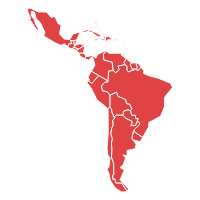
Latin America
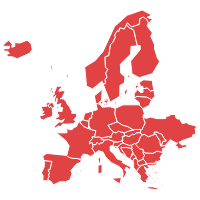
Europe
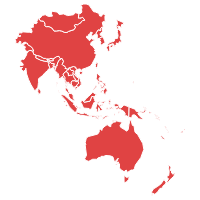
Asia Pacific
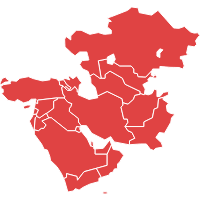
Middle East
North America
|
Report Benchmarks |
Details |
|
Report Study Period |
2026-2032 |
|
Market Size in 2025 |
US$ 959.2 million |
|
Market Size in 2031 |
US$ 1,278.1 million |
|
Market Size in 2032 |
US$ 1,279.3 million |
|
Market CAGR |
4.8% |
|
By Type |
|
|
By Technology |
|
|
By End User |
|
|
By Region |
|
PBI Analysts anticipate that the global intumescent coatings market is witnessing significant growth, driven by increasing demand for fire-resistant solutions across construction, industrial, and infrastructure sectors. Rising urbanization, stringent fire safety regulations, and growing awareness of building protection are fueling adoption. Thin?film coatings dominate due to their efficient application and aesthetic advantages, while water?based technologies lead technologically, offering eco-friendly, low-VOC solutions. The construction sector remains the
Download Free Sample Report

Intumescent Coatings Market size was valued at US$ 920.5 million in 2024 and is expected to reach US$ 1,278.1 million by 2031, growing at a significant CAGR of 4.2% from 2025-2031.
Intumescent coatings are fire-resistant paints that expand when exposed to high temperatures, forming an insulating char layer that protects structural materials like steel and wood from heat and fire damage.
Thin?film intumescent coatings are the most widely used due to their ease of application, faster drying time, and ability to maintain the aesthetics of structural surfaces while providing effective fire protection.
The construction and building sector drive the highest demand, especially in high-rise buildings, commercial complexes, and infrastructure projects where fire safety regulations are stringent.
Content Updated Date: Feb 2026
| 1.Executive Summary |
| 2.Global Intumescent Coatings Market Introduction |
| 2.1.Global Intumescent Coatings Market - Taxonomy |
| 2.2.Global Intumescent Coatings Market - Definitions |
| 2.2.1.Type |
| 2.2.2.Application |
| 2.2.3.End User |
| 2.2.4.Region |
| 3.Global Intumescent Coatings Market Dynamics |
| 3.1. Drivers |
| 3.2. Restraints |
| 3.3. Opportunities/Unmet Needs of the Market |
| 3.4. Trends |
| 3.5. Product Landscape |
| 3.6. New Product Launches |
| 3.7. Impact of COVID 19 on Market |
| 4. Global Intumescent Coatings Market Analysis, 2020 - 2024 and Forecast 2025 - 2031 |
| 4.1. Market Analysis, 2020 - 2024 and Forecast, 2025 - 2031, (Sales Value USD Million) |
| 4.2. Year-Over-Year (Y-o-Y) Growth Analysis (%) |
| 4.3. Market Opportunity Analysis |
| 5. Global Intumescent Coatings Market By Type , 2020 - 2024 and Forecast 2025 - 2031 (Sales Value USD Million) |
| 5.1. Thin Film Intumescent Coatings |
| 5.1.1. Market Analysis, 2020 - 2024 and Forecast, 2025 - 2031, (Sales Value USD Million) |
| 5.1.2. Year-Over-Year (Y-o-Y) Growth Analysis (%) and Market Share Analysis (%) |
| 5.1.3. Market Opportunity Analysis |
| 5.2. Thick Film Intumescent Coatings |
| 5.2.1. Market Analysis, 2020 - 2024 and Forecast, 2025 - 2031, (Sales Value USD Million) |
| 5.2.2. Year-Over-Year (Y-o-Y) Growth Analysis (%) and Market Share Analysis (%) |
| 5.2.3. Market Opportunity Analysis |
| 6. Global Intumescent Coatings Market By Application, 2020 - 2024 and Forecast 2025 - 2031 (Sales Value USD Million) |
| 6.1. Water Based |
| 6.1.1. Market Analysis, 2020 - 2024 and Forecast, 2025 - 2031, (Sales Value USD Million) |
| 6.1.2. Year-Over-Year (Y-o-Y) Growth Analysis (%) and Market Share Analysis (%) |
| 6.1.3. Market Opportunity Analysis |
| 6.2. Solvent Based |
| 6.2.1. Market Analysis, 2020 - 2024 and Forecast, 2025 - 2031, (Sales Value USD Million) |
| 6.2.2. Year-Over-Year (Y-o-Y) Growth Analysis (%) and Market Share Analysis (%) |
| 6.2.3. Market Opportunity Analysis |
| 6.3. Epoxy Based |
| 6.3.1. Market Analysis, 2020 - 2024 and Forecast, 2025 - 2031, (Sales Value USD Million) |
| 6.3.2. Year-Over-Year (Y-o-Y) Growth Analysis (%) and Market Share Analysis (%) |
| 6.3.3. Market Opportunity Analysis |
| 6.4. Powder Based |
| 6.4.1. Market Analysis, 2020 - 2024 and Forecast, 2025 - 2031, (Sales Value USD Million) |
| 6.4.2. Year-Over-Year (Y-o-Y) Growth Analysis (%) and Market Share Analysis (%) |
| 6.4.3. Market Opportunity Analysis |
| 6.5. Others |
| 6.5.1. Market Analysis, 2020 - 2024 and Forecast, 2025 - 2031, (Sales Value USD Million) |
| 6.5.2. Year-Over-Year (Y-o-Y) Growth Analysis (%) and Market Share Analysis (%) |
| 6.5.3. Market Opportunity Analysis |
| 7. Global Intumescent Coatings Market By End User, 2020 - 2024 and Forecast 2025 - 2031 (Sales Value USD Million) |
| 7.1. Construction / Building & Construction |
| 7.1.1. Market Analysis, 2020 - 2024 and Forecast, 2025 - 2031, (Sales Value USD Million) |
| 7.1.2. Year-Over-Year (Y-o-Y) Growth Analysis (%) and Market Share Analysis (%) |
| 7.1.3. Market Opportunity Analysis |
| 7.2. Oil & Gas |
| 7.2.1. Market Analysis, 2020 - 2024 and Forecast, 2025 - 2031, (Sales Value USD Million) |
| 7.2.2. Year-Over-Year (Y-o-Y) Growth Analysis (%) and Market Share Analysis (%) |
| 7.2.3. Market Opportunity Analysis |
| 7.3. Automotive |
| 7.3.1. Market Analysis, 2020 - 2024 and Forecast, 2025 - 2031, (Sales Value USD Million) |
| 7.3.2. Year-Over-Year (Y-o-Y) Growth Analysis (%) and Market Share Analysis (%) |
| 7.3.3. Market Opportunity Analysis |
| 7.4. Industrial |
| 7.4.1. Market Analysis, 2020 - 2024 and Forecast, 2025 - 2031, (Sales Value USD Million) |
| 7.4.2. Year-Over-Year (Y-o-Y) Growth Analysis (%) and Market Share Analysis (%) |
| 7.4.3. Market Opportunity Analysis |
| 7.5. Others |
| 7.5.1. Market Analysis, 2020 - 2024 and Forecast, 2025 - 2031, (Sales Value USD Million) |
| 7.5.2. Year-Over-Year (Y-o-Y) Growth Analysis (%) and Market Share Analysis (%) |
| 7.5.3. Market Opportunity Analysis |
| 8. Global Intumescent Coatings Market By Region, 2020 - 2024 and Forecast 2025 - 2031 (Sales Value USD Million) |
| 8.1. North America |
| 8.1.1. Market Analysis, 2020 - 2024 and Forecast, 2025 - 2031, (Sales Value USD Million) |
| 8.1.2. Year-Over-Year (Y-o-Y) Growth Analysis (%) and Market Share Analysis (%) |
| 8.1.3. Market Opportunity Analysis |
| 8.2. Europe |
| 8.2.1. Market Analysis, 2020 - 2024 and Forecast, 2025 - 2031, (Sales Value USD Million) |
| 8.2.2. Year-Over-Year (Y-o-Y) Growth Analysis (%) and Market Share Analysis (%) |
| 8.2.3. Market Opportunity Analysis |
| 8.3. Asia Pacific (APAC) |
| 8.3.1. Market Analysis, 2020 - 2024 and Forecast, 2025 - 2031, (Sales Value USD Million) |
| 8.3.2. Year-Over-Year (Y-o-Y) Growth Analysis (%) and Market Share Analysis (%) |
| 8.3.3. Market Opportunity Analysis |
| 8.4. Middle East and Africa (MEA) |
| 8.4.1. Market Analysis, 2020 - 2024 and Forecast, 2025 - 2031, (Sales Value USD Million) |
| 8.4.2. Year-Over-Year (Y-o-Y) Growth Analysis (%) and Market Share Analysis (%) |
| 8.4.3. Market Opportunity Analysis |
| 8.5. Latin America |
| 8.5.1. Market Analysis, 2020 - 2024 and Forecast, 2025 - 2031, (Sales Value USD Million) |
| 8.5.2. Year-Over-Year (Y-o-Y) Growth Analysis (%) and Market Share Analysis (%) |
| 8.5.3. Market Opportunity Analysis |
| 9. North America Intumescent Coatings Market ,2020 - 2024 and Forecast 2025 - 2031 (Sales Value USD Million) |
| 9.1. Type Analysis 2020 - 2024 and Forecast 2025 - 2031 by Sales Value USD Million, Y-o-Y Growth (%), and Market Share (%) |
| 9.1.1.Thin Film Intumescent Coatings |
| 9.1.2.Thick Film Intumescent Coatings |
| 9.2. Application Analysis 2020 - 2024 and Forecast 2025 - 2031 by Sales Value USD Million, Y-o-Y Growth (%), and Market Share (%) |
| 9.2.1.Water Based |
| 9.2.2.Solvent Based |
| 9.2.3.Epoxy Based |
| 9.2.4.Powder Based |
| 9.2.5.Others |
| 9.3. End User Analysis 2020 - 2024 and Forecast 2025 - 2031 by Sales Value USD Million, Y-o-Y Growth (%), and Market Share (%) |
| 9.3.1.Construction / Building & Construction |
| 9.3.2.Oil & Gas |
| 9.3.3.Automotive |
| 9.3.4.Industrial |
| 9.3.5.Others |
| 9.4. Country Analysis 2020 - 2024 and Forecast 2025 - 2031 by Sales Value USD Million, Y-o-Y Growth (%), and Market Share (%) |
| 9.4.1.United States of America (USA) |
| 9.4.2.Canada |
| 10. Europe Intumescent Coatings Market ,2020 - 2024 and Forecast 2025 - 2031 (Sales Value USD Million) |
| 10.1. Type Analysis and Forecast by Sales Value USD Million, Y-o-Y Growth (%), and Market Share (%) |
| 10.1.1.Thin Film Intumescent Coatings |
| 10.1.2.Thick Film Intumescent Coatings |
| 10.2. Application Analysis 2020 - 2024 and Forecast 2025 - 2031 by Sales Value USD Million, Y-o-Y Growth (%), and Market Share (%) |
| 10.2.1.Water Based |
| 10.2.2.Solvent Based |
| 10.2.3.Epoxy Based |
| 10.2.4.Powder Based |
| 10.2.5.Others |
| 10.3. End User Analysis 2020 - 2024 and Forecast 2025 - 2031 by Sales Value USD Million, Y-o-Y Growth (%), and Market Share (%) |
| 10.3.1.Construction / Building & Construction |
| 10.3.2.Oil & Gas |
| 10.3.3.Automotive |
| 10.3.4.Industrial |
| 10.3.5.Others |
| 10.4. Country Analysis 2020 - 2024 and Forecast 2025 - 2031 by Sales Value USD Million, Y-o-Y Growth (%), and Market Share (%) |
| 10.4.1.Germany |
| 10.4.2.France |
| 10.4.3.Italy |
| 10.4.4.United Kingdom (UK) |
| 10.4.5.Spain |
| 11. Asia Pacific (APAC) Intumescent Coatings Market ,2020 - 2024 and Forecast 2025 - 2031 (Sales Value USD Million) |
| 11.1. Type Analysis and Forecast by Sales Value USD Million, Y-o-Y Growth (%), and Market Share (%) |
| 11.1.1.Thin Film Intumescent Coatings |
| 11.1.2.Thick Film Intumescent Coatings |
| 11.2. Application Analysis 2020 - 2024 and Forecast 2025 - 2031 by Sales Value USD Million, Y-o-Y Growth (%), and Market Share (%) |
| 11.2.1.Water Based |
| 11.2.2.Solvent Based |
| 11.2.3.Epoxy Based |
| 11.2.4.Powder Based |
| 11.2.5.Others |
| 11.3. End User Analysis 2020 - 2024 and Forecast 2025 - 2031 by Sales Value USD Million, Y-o-Y Growth (%), and Market Share (%) |
| 11.3.1.Construction / Building & Construction |
| 11.3.2.Oil & Gas |
| 11.3.3.Automotive |
| 11.3.4.Industrial |
| 11.3.5.Others |
| 11.4. Country Analysis 2020 - 2024 and Forecast 2025 - 2031 by Sales Value USD Million, Y-o-Y Growth (%), and Market Share (%) |
| 11.4.1.China |
| 11.4.2.India |
| 11.4.3.Australia and New Zealand (ANZ) |
| 11.4.4.Japan |
| 11.4.5.Rest of APAC |
| 12. Middle East and Africa (MEA) Intumescent Coatings Market ,2020 - 2024 and Forecast 2025 - 2031 (Sales Value USD Million) |
| 12.1. Type Analysis and Forecast by Sales Value USD Million, Y-o-Y Growth (%), and Market Share (%) |
| 12.1.1.Thin Film Intumescent Coatings |
| 12.1.2.Thick Film Intumescent Coatings |
| 12.2. Application Analysis 2020 - 2024 and Forecast 2025 - 2031 by Sales Value USD Million, Y-o-Y Growth (%), and Market Share (%) |
| 12.2.1.Water Based |
| 12.2.2.Solvent Based |
| 12.2.3.Epoxy Based |
| 12.2.4.Powder Based |
| 12.2.5.Others |
| 12.3. End User Analysis 2020 - 2024 and Forecast 2025 - 2031 by Sales Value USD Million, Y-o-Y Growth (%), and Market Share (%) |
| 12.3.1.Construction / Building & Construction |
| 12.3.2.Oil & Gas |
| 12.3.3.Automotive |
| 12.3.4.Industrial |
| 12.3.5.Others |
| 12.4. Country Analysis 2020 - 2024 and Forecast 2025 - 2031 by Sales Value USD Million, Y-o-Y Growth (%), and Market Share (%) |
| 12.4.1.GCC Countries |
| 12.4.2.South Africa |
| 12.4.3.Rest of MEA |
| 13. Latin America Intumescent Coatings Market ,2020 - 2024 and Forecast 2025 - 2031 (Sales Value USD Million) |
| 13.1. Type Analysis and Forecast by Sales Value USD Million, Y-o-Y Growth (%), and Market Share (%) |
| 13.1.1.Thin Film Intumescent Coatings |
| 13.1.2.Thick Film Intumescent Coatings |
| 13.2. Application Analysis 2020 - 2024 and Forecast 2025 - 2031 by Sales Value USD Million, Y-o-Y Growth (%), and Market Share (%) |
| 13.2.1.Water Based |
| 13.2.2.Solvent Based |
| 13.2.3.Epoxy Based |
| 13.2.4.Powder Based |
| 13.2.5.Others |
| 13.3. End User Analysis 2020 - 2024 and Forecast 2025 - 2031 by Sales Value USD Million, Y-o-Y Growth (%), and Market Share (%) |
| 13.3.1.Construction / Building & Construction |
| 13.3.2.Oil & Gas |
| 13.3.3.Automotive |
| 13.3.4.Industrial |
| 13.3.5.Others |
| 13.4. Country Analysis 2020 - 2024 and Forecast 2025 - 2031 by Sales Value USD Million, Y-o-Y Growth (%), and Market Share (%) |
| 13.4.1.Brazil |
| 13.4.2.Mexico |
| 13.4.3.Rest of LA |
| 14. Competition Landscape |
| 14.1. Market Player Profiles (Introduction, Brand/Product Sales, Financial Analysis, Product Offerings, Key Developments, Collaborations, M & A, Strategies, and SWOT Analysis) |
| 14.2.1.AkzoNobel N.V. |
| 14.2.2.PPG Industries, Inc. |
| 14.2.3.Sherwin-Williams Company |
| 14.2.4.Jotun Paints |
| 14.2.5.RPM International Inc. |
| 14.2.6.BASF SE |
| 14.2.7.Hempel A/S |
| 14.2.8.Axalta Coating Systems |
| 14.2.9.Tikkurila Oyj |
| 14.2.10.Kansai Paint Co., Ltd. |
| 15. Research Methodology |
| 16. Appendix and Abbreviations |
Key Market Players
Author
Prem Kumar with profound experience and sound knowledge across a wide range of market forecasting methods, demand forecasting, and pricing analysis, I am able to make precise projections. I have extensive practical knowledge in Time Series Analysis (TSA), Simple Linear Regression (SLR), Multiple Linear Regression (MLR), Seasonality & Trend Forecasting, and Forecasting Models for New Products, among others. Additionally, I have hands-on experience with tools such as Power BI and SQL. I am highly committed, self-motivated, and possess a strong entrepreneurial spirit. Over the past 8 years, my team and I have built a robust clientele in various sectors, including Packaging, Pharma, Medical Devices, Oil & Gas, and Chemicals & Materials. We have provided a wide range of services, from management consulting to market forecasting and survey-related projects. I am particularly proud to have provided consulting services to one of the industry’s leading COVID-19 vaccine manufacturers for a packaging-related project. In the packaging space, I have served clients across a range of segments, including packaging printing, consumer packaging, flexible packaging, rigid packaging, and pharmaceutical packaging, to name a few. I deeply appreciate the efforts of my team and am grateful to our clients for their continued trust.