
 Download Sample




Author
Prem Kumar with profound experience and sound knowledge across a wide range of market forecasting methods, demand f.....
Sustainable Chemicals Market: By Product Type, By Source, By Application, By End User, and Region Forecast 2021-2032
Report ID:323711
Published Date:May 2026
No of Pages:220
Format:

Sustainable Chemicals Market size was valued at US$ 89.4 Billion in 2025 and is projected to reach US$ 168.7 Billion by 2032, growing at a CAGR of 9.5% from 2026-2032. Moreover, in the USA, the Sustainable Chemicals Market size was valued at US$ 18.6 Billion in 2025 and is projected to reach US$ 33.9 Billion by 2032, growing at a CAGR of 8.9% from 2026-2032.
Sustainable Chemicals are chemical products manufactured using renewable raw materials, recycled feedstocks, low-carbon energy systems, and green chemistry technologies designed to reduce emissions, waste generation, and hazardous environmental impacts across the product lifecycle. These chemicals include bio-based solvents, biodegradable polymers, renewable surfactants, specialty additives, and circular raw materials used across packaging, automotive, agriculture, healthcare, and consumer industries. The sector is gaining strategic importance as governments and corporations push for decarbonization and safer chemical production.
The Organisation for Economic Co-operation and Development reported in 2025 that member countries continue expanding chemical safety, sustainability, and hazard-assessment frameworks to support safer industrial chemicals. Major industry participants are also scaling investments; for example, SNF stated in its 2025 ESG report that it operates in over 60 countries with 23 production facilities while expanding sustainability initiatives. According to a 2024 Reuters industry report, the global chemical sector contributes about $5.7 trillion to world GDP and supports nearly 120 million jobs, highlighting the importance of transitioning this industry toward sustainable and circular chemical solutions.
Based on the Product Type
Among product types, Bio-based Chemicals represent one of the dominant segments due to rising industrial adoption of renewable feedstocks and government-backed bioeconomy programs. The Organisation for Economic Co-operation and Development estimate the global bioeconomy is already valued at US$ 4–5 trillion. India’s biotech sector reached US$ 165.7 billion in 2024, supporting growth in bio-based chemicals and industrial biotechnology applications. Top of Form
Based on the Source the
Among feedstock types, Biomass-based feedstocks represent the dominant segment in sustainable chemicals due to broad availability and established biorefinery infrastructure. The United States Department of Agriculture reported that the U.S. bio-based products industry supports 4 million jobs and contributes US$ 489 billion to the economy. The International Energy Agency Bioenergy also identifies biomass as a primary commercial feedstock for bio-based chemical production worldwide.
Bottom of Form
Based on the Application
Among applications, Packaging is one of the dominant segments in the Sustainable Chemicals market due to massive global demand for recyclable and bio-based materials. The Organisation for Economic Co-operation and Development reports that packaging accounts for over 35% of global plastics demand, while the United States Environmental Protection Agency states PET bottle recycling reached 29.1% in the U.S. Amazon.com, Inc. also reported a 16% reduction in single-use plastic packaging in 2024, highlighting rising commercial adoption of sustainable packaging chemicals.
Based on the End User
Based on end-use industries, the Chemical Industry represents the dominating segment in the sustainable chemicals market due to its direct adoption of bio-based feedstocks, recycled intermediates, and low-carbon process technologies. The American Chemistry Council projected U.S. chemical production growth of 3.5% in 2025, supported by rising industrial demand. Reuters also reported that the global chemicals sector generates nearly US$ 3.5 trillion annually, reinforcing its leadership in sustainable chemical adoption.
Study Period
2026-2032Base Year
2025CAGR
9.5%Largest Market
North-AmericaFastest Growing Market
Asia-Pacific
The growth of the Sustainable Chemicals market is being strongly supported by tightening environmental regulation, corporate decarbonization strategies, circular economy adoption, and rising consumer preference for low-impact materials. Governments are increasing industrial support for cleaner manufacturing; for example, in 2026 the German government allocated €5 billion to help heavy industries including chemicals shift toward low-emission production technologies. At the corporate level, global chemical producers are scaling sustainability investments and carbon reduction programs. BASF SE reported in its 2025 sustainability disclosures that its Scope 1 and Scope 2 greenhouse gas emissions declined to 17.27 million metric tons of CO? equivalent, reflecting ongoing investments in cleaner operations and process efficiency. The company also disclosed that 48.5% of its 2025 sales came from Sustainable-Future Solutions, demonstrating strong commercial demand for greener products. In addition, Reuters reported that stricter environmental compliance in Europe is creating over $20 billion in annual transition-related costs for chemical companies, accelerating innovation in bio-based materials, recycling technologies, and green chemistry platforms across packaging, automotive, healthcare, and industrial manufacturing.
The growth of the Sustainable Chemicals market faces several restraints, primarily related to cost, infrastructure, feedstock security, regulatory complexity, and competition from conventional petrochemicals. Sustainable chemical production often requires high capital investment in biorefineries, electrified processing systems, and circular manufacturing infrastructure. BASF stated in its 2025 annual report that it is targeting €2.1 billion in annual cost savings by 2026, reflecting the strong cost pressures affecting chemical manufacturing globally. Regulatory compliance also creates a major burden; Reuters reported in 2025 that chemical producers in Europe are spending more than $20 billion annually to meet environmental regulations, with up to 10% of capital expenditure being directed toward compliance activities. Supply chain constraints further affect renewable feedstock availability, while infrastructure shortages delay commercial scaling. In addition, Reuters noted that high energy prices and weak margins have pushed companies including Dow and other producers to close or review several chemical assets globally. Technology adoption remains slow because many sustainable production pathways require significant renewable electricity; BASF’s electrified cracker demonstration currently operates at 6 megawatts, highlighting both technological progress and scale-up challenges for the wider sustainable chemicals industry.
The Sustainable Chemicals market is creating significant opportunities through bio-based feedstocks, circular manufacturing, green hydrogen, carbon utilization, and policy-led industrial decarbonization. The U.S. Department of Energy has committed $7 billion to regional hydrogen hubs to accelerate low-carbon hydrogen production for industrial sectors including chemicals. The International Energy Agency reported that global hydrogen demand reached nearly 100 million tonnes in 2024, while over 200 low-emission hydrogen projects have reached final investment decisions since 2020, creating long-term feedstock opportunities for green chemical production. According to the European Commission, the chemicals sector supports 1.2 million direct jobs in Europe, encouraging new investments in strategic and sustainable chemical manufacturing. The International Energy Agency also notes that ammonia accounts for 45% of direct emissions from primary chemical production, creating strong demand for low-carbon process innovation. Meanwhile, BASF SE, Dow Inc., and other producers are expanding electrified cracking, recycling, and carbon capture technologies, while Reuters reports that over 70% of the world’s top chemical producers have announced carbon-neutrality targets, reinforcing future growth opportunities in sustainable chemicals.
The Sustainable Chemicals market is being shaped by major technology and policy trends including bio-based raw materials, advanced recycling, electrified manufacturing, carbon utilization, and digital production systems. According to the International Energy Agency, global investment in clean energy manufacturing exceeded USD 320 billion in 2025, supporting electrification and low-carbon feedstocks across industrial sectors including chemicals. The European Commission reported that the chemical industry represents nearly 5.2% of total EU manufacturing value added, accelerating policy support for circular and sustainable chemical production. LyondellBasell Industries announced that its MoReTec advanced recycling technology is capable of converting difficult-to-recycle plastic waste back into chemical feedstocks, with pilot commercialization expanding in Europe and North America. Covestro AG stated in its sustainability report that it increased renewable electricity usage to 16% of total energy demand in 2025, supporting lower-carbon production. Meanwhile, the United Nations Environment Programme estimates that global plastic waste generation exceeds 400 million tonnes annually, driving stronger adoption of recycling-based chemical pathways and circular material innovation across packaging, automotive, electronics, and consumer goods sectors.
The Asia-Pacific is the dominating region and is also projected to be the fastest-growing regional market, supported by large-scale chemical production, expanding industrial infrastructure, and increasing investments in green manufacturing. According to the European Chemical Industry Council, Asia accounts for more than 60% of global chemical sales, led by China, Japan, South Korea, and India, making it the world’s largest chemical production hub. The Ministry of Chemicals and Fertilizers reported that India’s chemical and petrochemical sector is expected to reach USD 300 billion by 2027, supported by infrastructure expansion and sustainability-focused industrial policies. Europe remains a major innovation-driven market, with the European Commission stating that the region’s chemical industry generates more than €655 billion in annual sales, supported by circular economy and decarbonization initiatives. North America continues to advance through bio-based chemicals, recycling technologies, and clean manufacturing investments led by the U.S. Department of Energy. Meanwhile, Latin America benefits from bio-based feedstocks, particularly in Brazil, while Middle East & Africa are gradually expanding through industrial diversification, carbon reduction projects, and sustainable materials investments.
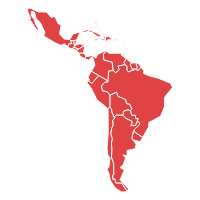
Latin America
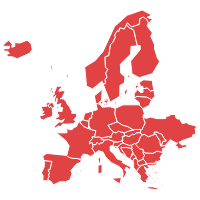
Europe
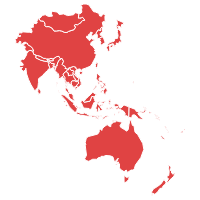
Asia Pacific
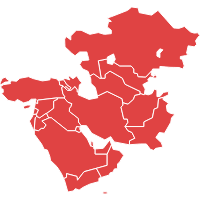
Middle East
North America
|
Report Benchmarks |
Details |
|
Report Study Period |
2026-2032 |
|
Market Size in 2024 |
US$ 165.7 billion |
|
Market Size in 2025 |
US$ 89.4 Billion |
|
Market Size in 2027 |
US$ 300 billion |
|
Market Size in 2032 |
US$ 168.7 Billion |
|
Market CAGR |
9.5% |
|
By Product Type |
|
|
By Source |
|
|
By Application |
|
|
By End User |
|
|
By Region |
|
Based on recent product launches, sustainability investments, technology commercialization, and strategic portfolio expansion, analysts view the Sustainable Chemicals market as entering a strong commercialization phase driven by industrial decarbonization and circular economy adoption. Major producers including BASF SE, Arkema S.A., LyondellBasell Industries, and Covestro AG are accelerating investments in bio-based polymers, advanced recycling, low-carbon feedstocks, and sustainable specialty materials. In 2026, BASF expanded its ecovio® compostable polymer portfolio and launched new Elastollan® GripTec solutions for sustainable industrial applications, while its first digitized shipment of green chemicals improved supply-chain transparency. Arkema strengthened its sustainable packaging position through strategic portfolio expansion, and LyondellBasell advanced commercialization of MoReTec recycling technology for plastic-to-chemical conversion. Analysts believe these developments indicate that the industry is moving beyond pilot-stage innovation toward scalable commercial deployment. Asia-Pacific continues to attract the largest manufacturing investments, while Europe and North America remain leaders in technology development, regulatory adoption, and circular chemistry innovation. Overall, strategic collaborations, product innovation, and process electrification are expected to strengthen long-term competitiveness across the sustainable chemicals value chain.
Download Free Sample Report

Sustainable Chemicals Market size was valued at US$ 89.4 Billion in 2025 and is projected to reach US$ 168.7 Billion by 2032, growing at a CAGR of 9.5%.
Major demand comes from the chemical industry, healthcare, food & beverage, consumer goods, automotive, packaging, and industrial manufacturing, where companies are adopting greener materials to meet regulatory and sustainability goals.
The Asia-Pacific region leads due to its large manufacturing base, expanding industrial infrastructure, government support for green manufacturing, and strong chemical production in countries such as China, India, and Japan.
Sustainable Chemicals Market report covers the Product Type, Source, Application, End User, and region segments.
BASF SE, Dow Inc., Arkema S.A., Corbion N.V., Braskem S.A., NatureWorks LLC, Cargill, Incorporated, Evonik Industries AG, DuPont de Nemours, Inc., Mitsubishi Chemical Group Corporation, and among others are the key players in the Sustainable Chemicals -market.
Content Updated Date: May 2026
| 1.Executive Summary |
| 2.Global Sustainable Chemicals Market Introduction |
| 2.1.Global Sustainable Chemicals Market - Taxonomy |
| 2.2.Global Sustainable Chemicals Market - Definitions |
| 2.2.1.Product Type |
| 2.2.2.Source |
| 2.2.3.Application |
| 2.2.4.End User |
| 2.2.5.Region |
| 3.Global Sustainable Chemicals Market Dynamics |
| 3.1. Drivers |
| 3.2. Restraints |
| 3.3. Opportunities/Unmet Needs of the Market |
| 3.4. Trends |
| 3.5. Product Landscape |
| 3.6. New Product Launches |
| 3.7. Impact of COVID 19 on Market |
| 4.Global Sustainable Chemicals Market Analysis, 2021 - 2025 and Forecast 2026 - 2032 |
| 4.1. Market Analysis, 2021 - 2025 and Forecast, 2026 - 2032, (Sales Value USD Million) |
| 4.2. Year-Over-Year (Y-o-Y) Growth Analysis (%) |
| 4.3. Market Opportunity Analysis |
| 5.Global Sustainable Chemicals Market By Product Type, 2021 - 2025 and Forecast 2026 - 2032 (Sales Value USD Million) |
| 5.1. Bio-based Chemicals |
| 5.1.1. Market Analysis, 2021 - 2025 and Forecast, 2026 - 2032, (Sales Value USD Million) |
| 5.1.2. Year-Over-Year (Y-o-Y) Growth Analysis (%) and Market Share Analysis (%) |
| 5.1.3. Market Opportunity Analysis |
| 5.2. Specialty Chemicals |
| 5.2.1. Market Analysis, 2021 - 2025 and Forecast, 2026 - 2032, (Sales Value USD Million) |
| 5.2.2. Year-Over-Year (Y-o-Y) Growth Analysis (%) and Market Share Analysis (%) |
| 5.2.3. Market Opportunity Analysis |
| 5.3. Green Solvents |
| 5.3.1. Market Analysis, 2021 - 2025 and Forecast, 2026 - 2032, (Sales Value USD Million) |
| 5.3.2. Year-Over-Year (Y-o-Y) Growth Analysis (%) and Market Share Analysis (%) |
| 5.3.3. Market Opportunity Analysis |
| 5.4. Biopolymers |
| 5.4.1. Market Analysis, 2021 - 2025 and Forecast, 2026 - 2032, (Sales Value USD Million) |
| 5.4.2. Year-Over-Year (Y-o-Y) Growth Analysis (%) and Market Share Analysis (%) |
| 5.4.3. Market Opportunity Analysis |
| 5.5. Organic Acids |
| 5.5.1. Market Analysis, 2021 - 2025 and Forecast, 2026 - 2032, (Sales Value USD Million) |
| 5.5.2. Year-Over-Year (Y-o-Y) Growth Analysis (%) and Market Share Analysis (%) |
| 5.5.3. Market Opportunity Analysis |
| 5.6. Surfactants |
| 5.6.1. Market Analysis, 2021 - 2025 and Forecast, 2026 - 2032, (Sales Value USD Million) |
| 5.6.2. Year-Over-Year (Y-o-Y) Growth Analysis (%) and Market Share Analysis (%) |
| 5.6.3. Market Opportunity Analysis |
| 6.Global Sustainable Chemicals Market By Source, 2021 - 2025 and Forecast 2026 - 2032 (Sales Value USD Million) |
| 6.1. Biomass-based |
| 6.1.1. Market Analysis, 2021 - 2025 and Forecast, 2026 - 2032, (Sales Value USD Million) |
| 6.1.2. Year-Over-Year (Y-o-Y) Growth Analysis (%) and Market Share Analysis (%) |
| 6.1.3. Market Opportunity Analysis |
| 6.2. Agricultural Waste |
| 6.2.1. Market Analysis, 2021 - 2025 and Forecast, 2026 - 2032, (Sales Value USD Million) |
| 6.2.2. Year-Over-Year (Y-o-Y) Growth Analysis (%) and Market Share Analysis (%) |
| 6.2.3. Market Opportunity Analysis |
| 6.3. Recycled Feedstocks |
| 6.3.1. Market Analysis, 2021 - 2025 and Forecast, 2026 - 2032, (Sales Value USD Million) |
| 6.3.2. Year-Over-Year (Y-o-Y) Growth Analysis (%) and Market Share Analysis (%) |
| 6.3.3. Market Opportunity Analysis |
| 6.4. CO2-based Feedstocks |
| 6.4.1. Market Analysis, 2021 - 2025 and Forecast, 2026 - 2032, (Sales Value USD Million) |
| 6.4.2. Year-Over-Year (Y-o-Y) Growth Analysis (%) and Market Share Analysis (%) |
| 6.4.3. Market Opportunity Analysis |
| 7.Global Sustainable Chemicals Market By Application, 2021 - 2025 and Forecast 2026 - 2032 (Sales Value USD Million) |
| 7.1. Packaging |
| 7.1.1. Market Analysis, 2021 - 2025 and Forecast, 2026 - 2032, (Sales Value USD Million) |
| 7.1.2. Year-Over-Year (Y-o-Y) Growth Analysis (%) and Market Share Analysis (%) |
| 7.1.3. Market Opportunity Analysis |
| 7.2. Agriculture |
| 7.2.1. Market Analysis, 2021 - 2025 and Forecast, 2026 - 2032, (Sales Value USD Million) |
| 7.2.2. Year-Over-Year (Y-o-Y) Growth Analysis (%) and Market Share Analysis (%) |
| 7.2.3. Market Opportunity Analysis |
| 7.3. Automotive |
| 7.3.1. Market Analysis, 2021 - 2025 and Forecast, 2026 - 2032, (Sales Value USD Million) |
| 7.3.2. Year-Over-Year (Y-o-Y) Growth Analysis (%) and Market Share Analysis (%) |
| 7.3.3. Market Opportunity Analysis |
| 7.4. Construction |
| 7.4.1. Market Analysis, 2021 - 2025 and Forecast, 2026 - 2032, (Sales Value USD Million) |
| 7.4.2. Year-Over-Year (Y-o-Y) Growth Analysis (%) and Market Share Analysis (%) |
| 7.4.3. Market Opportunity Analysis |
| 7.5. Pharmaceuticals |
| 7.5.1. Market Analysis, 2021 - 2025 and Forecast, 2026 - 2032, (Sales Value USD Million) |
| 7.5.2. Year-Over-Year (Y-o-Y) Growth Analysis (%) and Market Share Analysis (%) |
| 7.5.3. Market Opportunity Analysis |
| 7.6. Personal Care & Cosmetics |
| 7.6.1. Market Analysis, 2021 - 2025 and Forecast, 2026 - 2032, (Sales Value USD Million) |
| 7.6.2. Year-Over-Year (Y-o-Y) Growth Analysis (%) and Market Share Analysis (%) |
| 7.6.3. Market Opportunity Analysis |
| 8.Global Sustainable Chemicals Market By End User, 2021 - 2025 and Forecast 2026 - 2032 (Sales Value USD Million) |
| 8.1. Healthcare |
| 8.1.1. Market Analysis, 2021 - 2025 and Forecast, 2026 - 2032, (Sales Value USD Million) |
| 8.1.2. Year-Over-Year (Y-o-Y) Growth Analysis (%) and Market Share Analysis (%) |
| 8.1.3. Market Opportunity Analysis |
| 8.2. Food & Beverage |
| 8.2.1. Market Analysis, 2021 - 2025 and Forecast, 2026 - 2032, (Sales Value USD Million) |
| 8.2.2. Year-Over-Year (Y-o-Y) Growth Analysis (%) and Market Share Analysis (%) |
| 8.2.3. Market Opportunity Analysis |
| 8.3. Consumer Goods |
| 8.3.1. Market Analysis, 2021 - 2025 and Forecast, 2026 - 2032, (Sales Value USD Million) |
| 8.3.2. Year-Over-Year (Y-o-Y) Growth Analysis (%) and Market Share Analysis (%) |
| 8.3.3. Market Opportunity Analysis |
| 8.4. Chemical Industry |
| 8.4.1. Market Analysis, 2021 - 2025 and Forecast, 2026 - 2032, (Sales Value USD Million) |
| 8.4.2. Year-Over-Year (Y-o-Y) Growth Analysis (%) and Market Share Analysis (%) |
| 8.4.3. Market Opportunity Analysis |
| 8.5. Industrial Manufacturing |
| 8.5.1. Market Analysis, 2021 - 2025 and Forecast, 2026 - 2032, (Sales Value USD Million) |
| 8.5.2. Year-Over-Year (Y-o-Y) Growth Analysis (%) and Market Share Analysis (%) |
| 8.5.3. Market Opportunity Analysis |
| 9.Global Sustainable Chemicals Market By Region, 2021 - 2025 and Forecast 2026 - 2032 (Sales Value USD Million) |
| 9.1. North America |
| 9.1.1. Market Analysis, 2021 - 2025 and Forecast, 2026 - 2032, (Sales Value USD Million) |
| 9.1.2. Year-Over-Year (Y-o-Y) Growth Analysis (%) and Market Share Analysis (%) |
| 9.1.3. Market Opportunity Analysis |
| 9.2. Europe |
| 9.2.1. Market Analysis, 2021 - 2025 and Forecast, 2026 - 2032, (Sales Value USD Million) |
| 9.2.2. Year-Over-Year (Y-o-Y) Growth Analysis (%) and Market Share Analysis (%) |
| 9.2.3. Market Opportunity Analysis |
| 9.3. Asia Pacific (APAC) |
| 9.3.1. Market Analysis, 2021 - 2025 and Forecast, 2026 - 2032, (Sales Value USD Million) |
| 9.3.2. Year-Over-Year (Y-o-Y) Growth Analysis (%) and Market Share Analysis (%) |
| 9.3.3. Market Opportunity Analysis |
| 9.4. Middle East and Africa (MEA) |
| 9.4.1. Market Analysis, 2021 - 2025 and Forecast, 2026 - 2032, (Sales Value USD Million) |
| 9.4.2. Year-Over-Year (Y-o-Y) Growth Analysis (%) and Market Share Analysis (%) |
| 9.4.3. Market Opportunity Analysis |
| 9.5. Latin America |
| 9.5.1. Market Analysis, 2021 - 2025 and Forecast, 2026 - 2032, (Sales Value USD Million) |
| 9.5.2. Year-Over-Year (Y-o-Y) Growth Analysis (%) and Market Share Analysis (%) |
| 9.5.3. Market Opportunity Analysis |
| 10.North America Sustainable Chemicals Market ,2021 - 2025 and Forecast 2026 - 2032 (Sales Value USD Million) |
| 10.1. Product Type Analysis 2021 - 2025 and Forecast 2026 - 2032 by Sales Value USD Million, Y-o-Y Growth (%), and Market Share (%) |
| 10.1.1.Bio-based Chemicals |
| 10.1.2.Specialty Chemicals |
| 10.1.3.Green Solvents |
| 10.1.4.Biopolymers |
| 10.1.5.Organic Acids |
| 10.1.6.Surfactants |
| 10.2. Source Analysis 2021 - 2025 and Forecast 2026 - 2032 by Sales Value USD Million, Y-o-Y Growth (%), and Market Share (%) |
| 10.2.1.Biomass-based |
| 10.2.2.Agricultural Waste |
| 10.2.3.Recycled Feedstocks |
| 10.2.4.CO2-based Feedstocks |
| 10.3. Application Analysis 2021 - 2025 and Forecast 2026 - 2032 by Sales Value USD Million, Y-o-Y Growth (%), and Market Share (%) |
| 10.3.1.Packaging |
| 10.3.2.Agriculture |
| 10.3.3.Automotive |
| 10.3.4.Construction |
| 10.3.5.Pharmaceuticals |
| 10.3.6.Personal Care & Cosmetics |
| 10.4. End User Analysis 2021 - 2025 and Forecast 2026 - 2032 by Sales Value USD Million, Y-o-Y Growth (%), and Market Share (%) |
| 10.4.1.Healthcare |
| 10.4.2.Food & Beverage |
| 10.4.3.Consumer Goods |
| 10.4.4.Chemical Industry |
| 10.4.5.Industrial Manufacturing |
| 10.5. Country Analysis 2021 - 2025 and Forecast 2026 - 2032 by Sales Value USD Million, Y-o-Y Growth (%), and Market Share (%) |
| 10.5.1.United States of America (USA) |
| 10.5.2.Canada |
| 11.Europe Sustainable Chemicals Market ,2021 - 2025 and Forecast 2026 - 2032 (Sales Value USD Million) |
| 11.1. Product Type Analysis and Forecast by Sales Value USD Million, Y-o-Y Growth (%), and Market Share (%) |
| 11.1.1.Bio-based Chemicals |
| 11.1.2.Specialty Chemicals |
| 11.1.3.Green Solvents |
| 11.1.4.Biopolymers |
| 11.1.5.Organic Acids |
| 11.1.6.Surfactants |
| 11.2. Source Analysis 2021 - 2025 and Forecast 2026 - 2032 by Sales Value USD Million, Y-o-Y Growth (%), and Market Share (%) |
| 11.2.1.Biomass-based |
| 11.2.2.Agricultural Waste |
| 11.2.3.Recycled Feedstocks |
| 11.2.4.CO2-based Feedstocks |
| 11.3. Application Analysis 2021 - 2025 and Forecast 2026 - 2032 by Sales Value USD Million, Y-o-Y Growth (%), and Market Share (%) |
| 11.3.1.Packaging |
| 11.3.2.Agriculture |
| 11.3.3.Automotive |
| 11.3.4.Construction |
| 11.3.5.Pharmaceuticals |
| 11.3.6.Personal Care & Cosmetics |
| 11.4. End User Analysis 2021 - 2025 and Forecast 2026 - 2032 by Sales Value USD Million, Y-o-Y Growth (%), and Market Share (%) |
| 11.4.1.Healthcare |
| 11.4.2.Food & Beverage |
| 11.4.3.Consumer Goods |
| 11.4.4.Chemical Industry |
| 11.4.5.Industrial Manufacturing |
| 11.5. Country Analysis 2021 - 2025 and Forecast 2026 - 2032 by Sales Value USD Million, Y-o-Y Growth (%), and Market Share (%) |
| 11.5.1.Germany |
| 11.5.2.France |
| 11.5.3.Italy |
| 11.5.4.United Kingdom (UK) |
| 11.5.5.Spain |
| 12.Asia Pacific (APAC) Sustainable Chemicals Market ,2021 - 2025 and Forecast 2026 - 2032 (Sales Value USD Million) |
| 12.1. Product Type Analysis and Forecast by Sales Value USD Million, Y-o-Y Growth (%), and Market Share (%) |
| 12.1.1.Bio-based Chemicals |
| 12.1.2.Specialty Chemicals |
| 12.1.3.Green Solvents |
| 12.1.4.Biopolymers |
| 12.1.5.Organic Acids |
| 12.1.6.Surfactants |
| 12.2. Source Analysis 2021 - 2025 and Forecast 2026 - 2032 by Sales Value USD Million, Y-o-Y Growth (%), and Market Share (%) |
| 12.2.1.Biomass-based |
| 12.2.2.Agricultural Waste |
| 12.2.3.Recycled Feedstocks |
| 12.2.4.CO2-based Feedstocks |
| 12.3. Application Analysis 2021 - 2025 and Forecast 2026 - 2032 by Sales Value USD Million, Y-o-Y Growth (%), and Market Share (%) |
| 12.3.1.Packaging |
| 12.3.2.Agriculture |
| 12.3.3.Automotive |
| 12.3.4.Construction |
| 12.3.5.Pharmaceuticals |
| 12.3.6.Personal Care & Cosmetics |
| 12.4. End User Analysis 2021 - 2025 and Forecast 2026 - 2032 by Sales Value USD Million, Y-o-Y Growth (%), and Market Share (%) |
| 12.4.1.Healthcare |
| 12.4.2.Food & Beverage |
| 12.4.3.Consumer Goods |
| 12.4.4.Chemical Industry |
| 12.4.5.Industrial Manufacturing |
| 12.5. Country Analysis 2021 - 2025 and Forecast 2026 - 2032 by Sales Value USD Million, Y-o-Y Growth (%), and Market Share (%) |
| 12.5.1.China |
| 12.5.2.India |
| 12.5.3.Australia and New Zealand (ANZ) |
| 12.5.4.Japan |
| 12.5.5.Rest of APAC |
| 13.Middle East and Africa (MEA) Sustainable Chemicals Market ,2021 - 2025 and Forecast 2026 - 2032 (Sales Value USD Million) |
| 13.1. Product Type Analysis and Forecast by Sales Value USD Million, Y-o-Y Growth (%), and Market Share (%) |
| 13.1.1.Bio-based Chemicals |
| 13.1.2.Specialty Chemicals |
| 13.1.3.Green Solvents |
| 13.1.4.Biopolymers |
| 13.1.5.Organic Acids |
| 13.1.6.Surfactants |
| 13.2. Source Analysis 2021 - 2025 and Forecast 2026 - 2032 by Sales Value USD Million, Y-o-Y Growth (%), and Market Share (%) |
| 13.2.1.Biomass-based |
| 13.2.2.Agricultural Waste |
| 13.2.3.Recycled Feedstocks |
| 13.2.4.CO2-based Feedstocks |
| 13.3. Application Analysis 2021 - 2025 and Forecast 2026 - 2032 by Sales Value USD Million, Y-o-Y Growth (%), and Market Share (%) |
| 13.3.1.Packaging |
| 13.3.2.Agriculture |
| 13.3.3.Automotive |
| 13.3.4.Construction |
| 13.3.5.Pharmaceuticals |
| 13.3.6.Personal Care & Cosmetics |
| 13.4. End User Analysis 2021 - 2025 and Forecast 2026 - 2032 by Sales Value USD Million, Y-o-Y Growth (%), and Market Share (%) |
| 13.4.1.Healthcare |
| 13.4.2.Food & Beverage |
| 13.4.3.Consumer Goods |
| 13.4.4.Chemical Industry |
| 13.4.5.Industrial Manufacturing |
| 13.5. Country Analysis 2021 - 2025 and Forecast 2026 - 2032 by Sales Value USD Million, Y-o-Y Growth (%), and Market Share (%) |
| 13.5.1.GCC Countries |
| 13.5.2.South Africa |
| 13.5.3.Rest of MEA |
| 14.Latin America Sustainable Chemicals Market ,2021 - 2025 and Forecast 2026 - 2032 (Sales Value USD Million) |
| 14.1. Product Type Analysis and Forecast by Sales Value USD Million, Y-o-Y Growth (%), and Market Share (%) |
| 14.1.1.Bio-based Chemicals |
| 14.1.2.Specialty Chemicals |
| 14.1.3.Green Solvents |
| 14.1.4.Biopolymers |
| 14.1.5.Organic Acids |
| 14.1.6.Surfactants |
| 14.2. Source Analysis 2021 - 2025 and Forecast 2026 - 2032 by Sales Value USD Million, Y-o-Y Growth (%), and Market Share (%) |
| 14.2.1.Biomass-based |
| 14.2.2.Agricultural Waste |
| 14.2.3.Recycled Feedstocks |
| 14.2.4.CO2-based Feedstocks |
| 14.3. Application Analysis 2021 - 2025 and Forecast 2026 - 2032 by Sales Value USD Million, Y-o-Y Growth (%), and Market Share (%) |
| 14.3.1.Packaging |
| 14.3.2.Agriculture |
| 14.3.3.Automotive |
| 14.3.4.Construction |
| 14.3.5.Pharmaceuticals |
| 14.3.6.Personal Care & Cosmetics |
| 14.4. End User Analysis 2021 - 2025 and Forecast 2026 - 2032 by Sales Value USD Million, Y-o-Y Growth (%), and Market Share (%) |
| 14.4.1.Healthcare |
| 14.4.2.Food & Beverage |
| 14.4.3.Consumer Goods |
| 14.4.4.Chemical Industry |
| 14.4.5.Industrial Manufacturing |
| 14.5. Country Analysis 2021 - 2025 and Forecast 2026 - 2032 by Sales Value USD Million, Y-o-Y Growth (%), and Market Share (%) |
| 14.5.1.Brazil |
| 14.5.2.Mexico |
| 14.5.3.Rest of LA |
| 15. Competition Landscape |
| 15.1. Market Player Profiles (Introduction, Brand/Product Sales, Financial Analysis, Product Offerings, Key Developments, Collaborations, M & A, Strategies, and SWOT Analysis) |
| 15.2.1.BASF SE |
| 15.2.2.Dow Inc |
| 15.2.3.Arkema S.A |
| 15.2.4.Corbion N.V |
| 15.2.5.Braskem S.A |
| 15.2.6.NatureWorks LLC |
| 15.2.7.Cargill, Incorporated |
| 15.2.8.Evonik Industries AG |
| 15.2.9.DuPont de Nemours, Inc |
| 15.2.10.Mitsubishi Chemical Group Corporation |
| 16. Research Methodology |
| 17. Appendix and Abbreviations |
Key Market Players
Author
Prem Kumar with profound experience and sound knowledge across a wide range of market forecasting methods, demand forecasting, and pricing analysis, I am able to make precise projections. I have extensive practical knowledge in Time Series Analysis (TSA), Simple Linear Regression (SLR), Multiple Linear Regression (MLR), Seasonality & Trend Forecasting, and Forecasting Models for New Products, among others. Additionally, I have hands-on experience with tools such as Power BI and SQL. I am highly committed, self-motivated, and possess a strong entrepreneurial spirit. Over the past 8 years, my team and I have built a robust clientele in various sectors, including Packaging, Pharma, Medical Devices, Oil & Gas, and Chemicals & Materials. We have provided a wide range of services, from management consulting to market forecasting and survey-related projects. I am particularly proud to have provided consulting services to one of the industry’s leading COVID-19 vaccine manufacturers for a packaging-related project. In the packaging space, I have served clients across a range of segments, including packaging printing, consumer packaging, flexible packaging, rigid packaging, and pharmaceutical packaging, to name a few. I deeply appreciate the efforts of my team and am grateful to our clients for their continued trust.