
 Download Sample




Author
Prem Kumar with profound experience and sound knowledge across a wide range of market forecasting methods, demand f.....
Global Wood Bio-Products Market: By Product Type, By Application, By End User and Region Forecast 2021-2032
Report ID:552839
Published Date:Dec 2025
No of Pages:226
Format:

Wood Bio-Products Market size was valued at US$ 331.8 million in 2025 and is expected to reach US$ 594.9 million by 2032, growing at a significant CAGR of 8.7% from 2026-2032../market-reports/cellulose-market" target="_blank" rel="noopener">cellulose-based products. It encompasses sustainable, renewable alternatives to fossil-based products across construction, packaging, energy, and chemical applications.
The market is witnessing strong growth as industries shift toward eco-friendly materials, driven by rising sustainability commitments, regulatory support, and advancements in wood processing technologies. Increasing demand for renewable construction materials, bio-based chemicals, and energy solutions continues to position wood bio-products as a key segment in the circular bioeconomy.
Based on the product type
Based on product type, biofuels are anticipated to be the leading segment in the wood bio-products market. The rising demand for sustainable and renewable energy sources is driving the growth of biofuels, as governments and industries increasingly focus on reducing carbon emissions and dependence on fossil fuels. Wood-based biofuels, such as pellets and liquid fuels, offer a reliable alternative for power generation and heating applications. Additionally, technological advancements in production processes and favorable policies supporting renewable energy adoption are further boosting the segment’s expansion. As a result, biofuels are expected to dominate the market during the forecast period.
Based on the application
Based on application, the energy segment is expected to lead the wood bio-products market. The increasing global focus on clean and renewable energy sources is driving the adoption of wood-based products for power generation and heating purposes. Growing concerns over fossil fuel depletion, coupled with supportive government policies and incentives for sustainable energy, are further propelling this segment. Wood bio-products, including pellets and biofuels, are considered efficient and eco-friendly alternatives, making them highly preferred in the energy sector. Consequently, the energy application is projected to maintain a dominant position in the market throughout the forecast period.
Based on the end user
Based on end user, the industrial segment is projected to lead the wood bio-products market. The rising demand for sustainable raw materials in manufacturing processes, including chemicals, packaging, and energy production, is driving the adoption of wood-based bio-products in industrial applications. Industries are increasingly focusing on reducing carbon footprints and meeting regulatory requirements for eco-friendly operations, which has accelerated the integration of bio-products into their supply chains. Additionally, advancements in processing technologies and cost-effective production methods have enhanced the feasibility of large-scale industrial use. As a result, the industrial segment is anticipated to dominate the market during the forecast period.
Study Period
2026-2032Base Year
2024CAGR
8.7%Largest Market
Asia-PacificFastest Growing Market
Latin America
One of the primary drivers of the Wood Bio-Products Market is the growing global emphasis on sustainability and environmental conservation. As governments, industries, and consumers increasingly prioritize reducing carbon footprints, bio-based products derived from wood are becoming a preferred alternative to conventional fossil-fuel-based materials. These products are biodegradable, renewable, and contribute to a circular economy, which aligns with global climate initiatives and carbon neutrality targets. Additionally, advancements in wood processing technologies, such as enzymatic treatments and lignocellulosic conversion, have significantly improved the efficiency and quality of wood bio-products, making them more economically viable for large-scale applications. The construction, packaging, and chemical industries are rapidly adopting these eco-friendly alternatives, further propelling market growth. Moreover, corporate sustainability agendas, coupled with stringent environmental regulations, are incentivizing companies to shift toward wood-based bio-products, reinforcing the sector’s expansion on a global scale.
A significant restraint for the Wood Bio-Products Market is the high cost of production compared to conventional materials. The extraction, processing, and refinement of wood into bio-chemicals, biofuels, or engineered materials require specialized technologies, energy-intensive operations, and skilled labor. These factors contribute to a higher overall cost of wood bio-products, limiting their adoption, especially in price-sensitive markets. Additionally, the availability of raw materials is region-dependent, and sustainable sourcing can pose logistical and environmental challenges, creating supply chain vulnerabilities. Market growth is also constrained by the lack of widespread awareness and acceptance among end-users who are accustomed to traditional fossil-based materials. Moreover, fluctuations in wood prices due to forestry regulations, seasonal supply, or environmental factors can impact production costs. This financial and operational barrier can hinder new entrants and slow the adoption rate, despite the environmental advantages of wood bio-products.
The rising demand for bio-based packaging presents a significant opportunity for the Wood Bio-Products Market. With increasing environmental concerns over plastic pollution, governments and corporations are pushing for sustainable alternatives in the packaging industry. Wood-derived bioplastics and cellulose-based packaging solutions are gaining traction due to their biodegradability, recyclability, and low environmental impact. Companies investing in research and development can innovate advanced packaging materials that mimic conventional plastics in performance while remaining environmentally friendly. Additionally, the e-commerce boom and growing consumer preference for sustainable packaging solutions are driving demand globally. Emerging markets, where plastic regulation is becoming stricter, provide lucrative avenues for expansion. Collaborations between forestry companies, bio-product manufacturers, and packaging industries further enhance the market’s potential, allowing wood bio-products to penetrate new applications and sectors, thereby contributing significantly to revenue growth and industry evolution.
A notable trend in the Wood Bio-Products Market is the increasing integration of digital technologies and smart manufacturing in production processes. Companies are leveraging automation, AI, and advanced analytics to optimize wood processing, improve product quality, and reduce waste. For instance, AI-driven algorithms can predict the best methods for converting wood biomass into biofuels or biochemicals, enhancing efficiency while minimizing energy consumption. Additionally, there is a growing focus on hybrid bio-products, where wood is combined with other renewable materials to create high-performance, sustainable solutions. This trend reflects the market’s shift toward innovation, not only to meet environmental regulations but also to cater to consumer demands for high-quality, sustainable products. Sustainability certifications and traceability technologies are also gaining importance, allowing manufacturers to prove eco-compliance and attract environmentally conscious clients. This digital and sustainable transformation is shaping the market’s competitive landscape.
Largest Share of the Region:
The Asia-Pacific region is anticipated to be the largest growing market for wood bio-products. Rapid urbanization, industrialization, and infrastructure expansion are driving strong demand for sustainable construction materials, engineered wood, and bio-based chemicals. Rising environmental awareness and government initiatives promoting renewable resources are further accelerating adoption across residential, commercial, and industrial sectors. In addition, the growing preference for biodegradable packaging and eco-friendly consumer products is creating new avenues for market expansion. Technological advancements in wood processing and bio-product manufacturing are enhancing production efficiency, making high-quality wood bio-products more accessible to industries in the region. These combined factors position Asia-Pacific as a key hub for sustained growth in the global wood bio-products market.
Fastest Growing/ Emerging Region:
Latin America is emerging as a significant market for wood bio-products, driven by abundant forestry resources and increasing investments in sustainable production technologies. The region is witnessing a gradual shift toward renewable and bio-based materials in packaging, construction, and energy sectors. Government support for sustainable forestry practices, coupled with initiatives promoting bio-based industries, is fostering innovation and adoption of wood-derived products. Additionally, trends such as the integration of digital technologies in wood processing and the growing global demand for eco-friendly raw materials are creating opportunities for Latin American manufacturers to expand their footprint. These dynamics make the region an emerging player with strong potential in the global wood bio-products landscape.
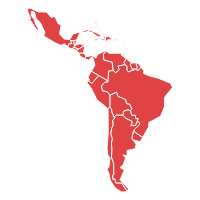
Latin America
Europe
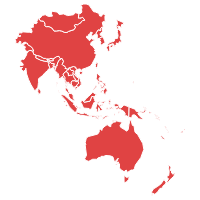
Asia Pacific
Middle East
North America
|
Report Benchmarks |
Details |
|
Report Study Period |
2026-2032 |
|
Market Size in 2025 |
US$ 331.8 million |
|
Market Size in 2032 |
US$ 594.9 million |
|
Market CAGR |
8.7% |
|
By Product Type |
|
|
By Application |
|
|
By End User |
|
|
By Region |
|
PBI Analysts anticipate that the global wood bio-products market is witnessing significant growth, driven by increasing demand for sustainable and renewable materials across various industries. Rising awareness of environmental concerns, coupled with government initiatives promoting clean energy and eco-friendly products, is boosting adoption. Key applications include energy generation, construction, packaging, and industrial uses, with biofuels and bio composites emerging as leading product types. The industrial and energy sectors are the primary end users, reflecting the shift towards greener manufacturing and energy solutions. Technological advancements in production processes and cost-effective raw material utilization further support market expansion, positioning the sector for strong growth during the forecast period.
Download Free Sample Report

Wood Bio-Products Market size was valued at US$ 305.2 million in 2024 and is projected to reach US$ 547.3 million by 2031 at a CAGR of 8.7%.
Wood bio-products are sustainable materials derived from wood and its by-products, including biofuels, bioplastics, biochemicals, and bio composites, used across energy, construction, packaging, and industrial applications.
Rising focus on sustainability, government support for renewable energy, technological advancements in production, and increasing adoption in industrial and energy sectors are driving market growth.
The biofuels segment is leading the market due to growing demand for renewable and clean energy sources, supported by government incentives and increasing environmental awareness.
Content Updated Date: Feb 2026
| 1.Executive Summary |
| 2.Global Wood Bio-Products Market Introduction |
| 2.1.Global Wood Bio-Products Market - Taxonomy |
| 2.2.Global Wood Bio-Products Market - Definitions |
| 2.2.1.Product Type |
| 2.2.2.Application |
| 2.2.3.End User |
| 2.2.4.Region |
| 3.Global Wood Bio-Products Market Dynamics |
| 3.1. Drivers |
| 3.2. Restraints |
| 3.3. Opportunities/Unmet Needs of the Market |
| 3.4. Trends |
| 3.5. Product Landscape |
| 3.6. New Product Launches |
| 3.7. Impact of COVID 19 on Market |
| 4.Global Wood Bio-Products Market Analysis, 2020 - 2024 and Forecast 2025 - 2031 |
| 4.1. Market Analysis, 2020 - 2024 and Forecast, 2025 - 2031, (Sales Value USD Million) |
| 4.2. Year-Over-Year (Y-o-Y) Growth Analysis (%) |
| 4.3. Market Opportunity Analysis |
| 5.Global Wood Bio-Products Market By Product Type, 2020 - 2024 and Forecast 2025 - 2031 (Sales Value USD Million) |
| 5.1. Biofuels |
| 5.1.1. Market Analysis, 2020 - 2024 and Forecast, 2025 - 2031, (Sales Value USD Million) |
| 5.1.2. Year-Over-Year (Y-o-Y) Growth Analysis (%) and Market Share Analysis (%) |
| 5.1.3. Market Opportunity Analysis |
| 5.2. Bioplastics |
| 5.2.1. Market Analysis, 2020 - 2024 and Forecast, 2025 - 2031, (Sales Value USD Million) |
| 5.2.2. Year-Over-Year (Y-o-Y) Growth Analysis (%) and Market Share Analysis (%) |
| 5.2.3. Market Opportunity Analysis |
| 5.3. Biochemicals |
| 5.3.1. Market Analysis, 2020 - 2024 and Forecast, 2025 - 2031, (Sales Value USD Million) |
| 5.3.2. Year-Over-Year (Y-o-Y) Growth Analysis (%) and Market Share Analysis (%) |
| 5.3.3. Market Opportunity Analysis |
| 5.4. Bio composites |
| 5.4.1. Market Analysis, 2020 - 2024 and Forecast, 2025 - 2031, (Sales Value USD Million) |
| 5.4.2. Year-Over-Year (Y-o-Y) Growth Analysis (%) and Market Share Analysis (%) |
| 5.4.3. Market Opportunity Analysis |
| 5.5. Others |
| 5.5.1. Market Analysis, 2020 - 2024 and Forecast, 2025 - 2031, (Sales Value USD Million) |
| 5.5.2. Year-Over-Year (Y-o-Y) Growth Analysis (%) and Market Share Analysis (%) |
| 5.5.3. Market Opportunity Analysis |
| 6.Global Wood Bio-Products Market By Application, 2020 - 2024 and Forecast 2025 - 2031 (Sales Value USD Million) |
| 6.1. Energy |
| 6.1.1. Market Analysis, 2020 - 2024 and Forecast, 2025 - 2031, (Sales Value USD Million) |
| 6.1.2. Year-Over-Year (Y-o-Y) Growth Analysis (%) and Market Share Analysis (%) |
| 6.1.3. Market Opportunity Analysis |
| 6.2. Packaging |
| 6.2.1. Market Analysis, 2020 - 2024 and Forecast, 2025 - 2031, (Sales Value USD Million) |
| 6.2.2. Year-Over-Year (Y-o-Y) Growth Analysis (%) and Market Share Analysis (%) |
| 6.2.3. Market Opportunity Analysis |
| 6.3. Construction |
| 6.3.1. Market Analysis, 2020 - 2024 and Forecast, 2025 - 2031, (Sales Value USD Million) |
| 6.3.2. Year-Over-Year (Y-o-Y) Growth Analysis (%) and Market Share Analysis (%) |
| 6.3.3. Market Opportunity Analysis |
| 6.4. Automotive |
| 6.4.1. Market Analysis, 2020 - 2024 and Forecast, 2025 - 2031, (Sales Value USD Million) |
| 6.4.2. Year-Over-Year (Y-o-Y) Growth Analysis (%) and Market Share Analysis (%) |
| 6.4.3. Market Opportunity Analysis |
| 6.5. Chemicals / Industrial Uses |
| 6.5.1. Market Analysis, 2020 - 2024 and Forecast, 2025 - 2031, (Sales Value USD Million) |
| 6.5.2. Year-Over-Year (Y-o-Y) Growth Analysis (%) and Market Share Analysis (%) |
| 6.5.3. Market Opportunity Analysis |
| 6.6. Consumer Goods |
| 6.6.1. Market Analysis, 2020 - 2024 and Forecast, 2025 - 2031, (Sales Value USD Million) |
| 6.6.2. Year-Over-Year (Y-o-Y) Growth Analysis (%) and Market Share Analysis (%) |
| 6.6.3. Market Opportunity Analysis |
| 6.7. Others |
| 6.7.1. Market Analysis, 2020 - 2024 and Forecast, 2025 - 2031, (Sales Value USD Million) |
| 6.7.2. Year-Over-Year (Y-o-Y) Growth Analysis (%) and Market Share Analysis (%) |
| 6.7.3. Market Opportunity Analysis |
| 7.Global Wood Bio-Products Market By End User, 2020 - 2024 and Forecast 2025 - 2031 (Sales Value USD Million) |
| 7.1. Residential |
| 7.1.1. Market Analysis, 2020 - 2024 and Forecast, 2025 - 2031, (Sales Value USD Million) |
| 7.1.2. Year-Over-Year (Y-o-Y) Growth Analysis (%) and Market Share Analysis (%) |
| 7.1.3. Market Opportunity Analysis |
| 7.2. Commercial |
| 7.2.1. Market Analysis, 2020 - 2024 and Forecast, 2025 - 2031, (Sales Value USD Million) |
| 7.2.2. Year-Over-Year (Y-o-Y) Growth Analysis (%) and Market Share Analysis (%) |
| 7.2.3. Market Opportunity Analysis |
| 7.3. Industrial |
| 7.3.1. Market Analysis, 2020 - 2024 and Forecast, 2025 - 2031, (Sales Value USD Million) |
| 7.3.2. Year-Over-Year (Y-o-Y) Growth Analysis (%) and Market Share Analysis (%) |
| 7.3.3. Market Opportunity Analysis |
| 7.4. Infrastructure |
| 7.4.1. Market Analysis, 2020 - 2024 and Forecast, 2025 - 2031, (Sales Value USD Million) |
| 7.4.2. Year-Over-Year (Y-o-Y) Growth Analysis (%) and Market Share Analysis (%) |
| 7.4.3. Market Opportunity Analysis |
| 7.5. Others |
| 7.5.1. Market Analysis, 2020 - 2024 and Forecast, 2025 - 2031, (Sales Value USD Million) |
| 7.5.2. Year-Over-Year (Y-o-Y) Growth Analysis (%) and Market Share Analysis (%) |
| 7.5.3. Market Opportunity Analysis |
| 8.Global Wood Bio-Products Market By Region, 2020 - 2024 and Forecast 2025 - 2031 (Sales Value USD Million) |
| 8.1. North America |
| 8.1.1. Market Analysis, 2020 - 2024 and Forecast, 2025 - 2031, (Sales Value USD Million) |
| 8.1.2. Year-Over-Year (Y-o-Y) Growth Analysis (%) and Market Share Analysis (%) |
| 8.1.3. Market Opportunity Analysis |
| 8.2. Europe |
| 8.2.1. Market Analysis, 2020 - 2024 and Forecast, 2025 - 2031, (Sales Value USD Million) |
| 8.2.2. Year-Over-Year (Y-o-Y) Growth Analysis (%) and Market Share Analysis (%) |
| 8.2.3. Market Opportunity Analysis |
| 8.3. Asia Pacific (APAC) |
| 8.3.1. Market Analysis, 2020 - 2024 and Forecast, 2025 - 2031, (Sales Value USD Million) |
| 8.3.2. Year-Over-Year (Y-o-Y) Growth Analysis (%) and Market Share Analysis (%) |
| 8.3.3. Market Opportunity Analysis |
| 8.4. Middle East and Africa (MEA) |
| 8.4.1. Market Analysis, 2020 - 2024 and Forecast, 2025 - 2031, (Sales Value USD Million) |
| 8.4.2. Year-Over-Year (Y-o-Y) Growth Analysis (%) and Market Share Analysis (%) |
| 8.4.3. Market Opportunity Analysis |
| 8.5. Latin America |
| 8.5.1. Market Analysis, 2020 - 2024 and Forecast, 2025 - 2031, (Sales Value USD Million) |
| 8.5.2. Year-Over-Year (Y-o-Y) Growth Analysis (%) and Market Share Analysis (%) |
| 8.5.3. Market Opportunity Analysis |
| 9.North America Wood Bio-Products Market ,2020 - 2024 and Forecast 2025 - 2031 (Sales Value USD Million) |
| 9.1. Product Type Analysis 2020 - 2024 and Forecast 2025 - 2031 by Sales Value USD Million, Y-o-Y Growth (%), and Market Share (%) |
| 9.1.1.Biofuels |
| 9.1.2.Bioplastics |
| 9.1.3.Biochemicals |
| 9.1.4.Bio composites |
| 9.1.5.Others |
| 9.2. Application Analysis 2020 - 2024 and Forecast 2025 - 2031 by Sales Value USD Million, Y-o-Y Growth (%), and Market Share (%) |
| 9.2.1.Energy |
| 9.2.2.Packaging |
| 9.2.3.Construction |
| 9.2.4.Automotive |
| 9.2.5.Chemicals / Industrial Uses |
| 9.2.6.Consumer Goods |
| 9.2.7.Others |
| 9.3. End User Analysis 2020 - 2024 and Forecast 2025 - 2031 by Sales Value USD Million, Y-o-Y Growth (%), and Market Share (%) |
| 9.3.1.Residential |
| 9.3.2.Commercial |
| 9.3.3.Industrial |
| 9.3.4.Infrastructure |
| 9.3.5.Others |
| 9.4. Country Analysis 2020 - 2024 and Forecast 2025 - 2031 by Sales Value USD Million, Y-o-Y Growth (%), and Market Share (%) |
| 9.4.1.United States of America (USA) |
| 9.4.2.Canada |
| 10.Europe Wood Bio-Products Market ,2020 - 2024 and Forecast 2025 - 2031 (Sales Value USD Million) |
| 10.1. Product Type Analysis and Forecast by Sales Value USD Million, Y-o-Y Growth (%), and Market Share (%) |
| 10.1.1.Biofuels |
| 10.1.2.Bioplastics |
| 10.1.3.Biochemicals |
| 10.1.4.Bio composites |
| 10.1.5.Others |
| 10.2. Application Analysis 2020 - 2024 and Forecast 2025 - 2031 by Sales Value USD Million, Y-o-Y Growth (%), and Market Share (%) |
| 10.2.1.Energy |
| 10.2.2.Packaging |
| 10.2.3.Construction |
| 10.2.4.Automotive |
| 10.2.5.Chemicals / Industrial Uses |
| 10.2.6.Consumer Goods |
| 10.2.7.Others |
| 10.3. End User Analysis 2020 - 2024 and Forecast 2025 - 2031 by Sales Value USD Million, Y-o-Y Growth (%), and Market Share (%) |
| 10.3.1.Residential |
| 10.3.2.Commercial |
| 10.3.3.Industrial |
| 10.3.4.Infrastructure |
| 10.3.5.Others |
| 10.4. Country Analysis 2020 - 2024 and Forecast 2025 - 2031 by Sales Value USD Million, Y-o-Y Growth (%), and Market Share (%) |
| 10.4.1.Germany |
| 10.4.2.France |
| 10.4.3.Italy |
| 10.4.4.United Kingdom (UK) |
| 10.4.5.Spain |
| 11.Asia Pacific (APAC) Wood Bio-Products Market ,2020 - 2024 and Forecast 2025 - 2031 (Sales Value USD Million) |
| 11.1. Product Type Analysis and Forecast by Sales Value USD Million, Y-o-Y Growth (%), and Market Share (%) |
| 11.1.1.Biofuels |
| 11.1.2.Bioplastics |
| 11.1.3.Biochemicals |
| 11.1.4.Bio composites |
| 11.1.5.Others |
| 11.2. Application Analysis 2020 - 2024 and Forecast 2025 - 2031 by Sales Value USD Million, Y-o-Y Growth (%), and Market Share (%) |
| 11.2.1.Energy |
| 11.2.2.Packaging |
| 11.2.3.Construction |
| 11.2.4.Automotive |
| 11.2.5.Chemicals / Industrial Uses |
| 11.2.6.Consumer Goods |
| 11.2.7.Others |
| 11.3. End User Analysis 2020 - 2024 and Forecast 2025 - 2031 by Sales Value USD Million, Y-o-Y Growth (%), and Market Share (%) |
| 11.3.1.Residential |
| 11.3.2.Commercial |
| 11.3.3.Industrial |
| 11.3.4.Infrastructure |
| 11.3.5.Others |
| 11.4. Country Analysis 2020 - 2024 and Forecast 2025 - 2031 by Sales Value USD Million, Y-o-Y Growth (%), and Market Share (%) |
| 11.4.1.China |
| 11.4.2.India |
| 11.4.3.Australia and New Zealand (ANZ) |
| 11.4.4.Japan |
| 11.4.5.Rest of APAC |
| 12.Middle East and Africa (MEA) Wood Bio-Products Market ,2020 - 2024 and Forecast 2025 - 2031 (Sales Value USD Million) |
| 12.1. Product Type Analysis and Forecast by Sales Value USD Million, Y-o-Y Growth (%), and Market Share (%) |
| 12.1.1.Biofuels |
| 12.1.2.Bioplastics |
| 12.1.3.Biochemicals |
| 12.1.4.Bio composites |
| 12.1.5.Others |
| 12.2. Application Analysis 2020 - 2024 and Forecast 2025 - 2031 by Sales Value USD Million, Y-o-Y Growth (%), and Market Share (%) |
| 12.2.1.Energy |
| 12.2.2.Packaging |
| 12.2.3.Construction |
| 12.2.4.Automotive |
| 12.2.5.Chemicals / Industrial Uses |
| 12.2.6.Consumer Goods |
| 12.2.7.Others |
| 12.3. End User Analysis 2020 - 2024 and Forecast 2025 - 2031 by Sales Value USD Million, Y-o-Y Growth (%), and Market Share (%) |
| 12.3.1.Residential |
| 12.3.2.Commercial |
| 12.3.3.Industrial |
| 12.3.4.Infrastructure |
| 12.3.5.Others |
| 12.4. Country Analysis 2020 - 2024 and Forecast 2025 - 2031 by Sales Value USD Million, Y-o-Y Growth (%), and Market Share (%) |
| 12.4.1.GCC Countries |
| 12.4.2.South Africa |
| 12.4.3.Rest of MEA |
| 13.Latin America Wood Bio-Products Market ,2020 - 2024 and Forecast 2025 - 2031 (Sales Value USD Million) |
| 13.1. Product Type Analysis and Forecast by Sales Value USD Million, Y-o-Y Growth (%), and Market Share (%) |
| 13.1.1.Biofuels |
| 13.1.2.Bioplastics |
| 13.1.3.Biochemicals |
| 13.1.4.Bio composites |
| 13.1.5.Others |
| 13.2. Application Analysis 2020 - 2024 and Forecast 2025 - 2031 by Sales Value USD Million, Y-o-Y Growth (%), and Market Share (%) |
| 13.2.1.Energy |
| 13.2.2.Packaging |
| 13.2.3.Construction |
| 13.2.4.Automotive |
| 13.2.5.Chemicals / Industrial Uses |
| 13.2.6.Consumer Goods |
| 13.2.7.Others |
| 13.3. End User Analysis 2020 - 2024 and Forecast 2025 - 2031 by Sales Value USD Million, Y-o-Y Growth (%), and Market Share (%) |
| 13.3.1.Residential |
| 13.3.2.Commercial |
| 13.3.3.Industrial |
| 13.3.4.Infrastructure |
| 13.3.5.Others |
| 13.4. Country Analysis 2020 - 2024 and Forecast 2025 - 2031 by Sales Value USD Million, Y-o-Y Growth (%), and Market Share (%) |
| 13.4.1.Brazil |
| 13.4.2.Mexico |
| 13.4.3.Rest of LA |
| 14. Competition Landscape |
| 14.1. Market Player Profiles (Introduction, Brand/Product Sales, Financial Analysis, Product Offerings, Key Developments, Collaborations, M & A, Strategies, and SWOT Analysis) |
| 14.2.1.Stora Enso Oyj |
| 14.2.2.UPM?Kymmene Oyj |
| 14.2.3.West Fraser Timber Co. Ltd |
| 14.2.4.Canfor Corporation |
| 14.2.5.Weyerhaeuser Company |
| 14.2.6.Georgia?Pacific LLC |
| 14.2.7.International Paper |
| 14.2.8.Suzano S.A |
| 14.2.9.Enviva Partners LP |
| 14.2.10.Mondi Group |
| 15. Research Methodology |
| 16. Appendix and Abbreviations |
Key Market Players
Author
Prem Kumar with profound experience and sound knowledge across a wide range of market forecasting methods, demand forecasting, and pricing analysis, I am able to make precise projections. I have extensive practical knowledge in Time Series Analysis (TSA), Simple Linear Regression (SLR), Multiple Linear Regression (MLR), Seasonality & Trend Forecasting, and Forecasting Models for New Products, among others. Additionally, I have hands-on experience with tools such as Power BI and SQL. I am highly committed, self-motivated, and possess a strong entrepreneurial spirit. Over the past 8 years, my team and I have built a robust clientele in various sectors, including Packaging, Pharma, Medical Devices, Oil & Gas, and Chemicals & Materials. We have provided a wide range of services, from management consulting to market forecasting and survey-related projects. I am particularly proud to have provided consulting services to one of the industry’s leading COVID-19 vaccine manufacturers for a packaging-related project. In the packaging space, I have served clients across a range of segments, including packaging printing, consumer packaging, flexible packaging, rigid packaging, and pharmaceutical packaging, to name a few. I deeply appreciate the efforts of my team and am grateful to our clients for their continued trust.