Recycled Cotton Market: By Source Type, By Product Type, By Recycling Process, By Application, and Region Forecast 2021-2032
Recycled Cotton Market: By Source Type, By Product Type, By Recycling Process, By Application, and Region Forecast 2021-2032
Report ID:329326
Published Date:May 2026
No of Pages:213
Format:

Recycled Cotton Market size was valued at US$ 5.8 Billion in 2025 and is projected to reach US$ 10.4 Billion by 2032, growing at a CAGR of 8.7% from 2026-2032. Moreover, in the USA, the Recycled Cotton Market size was valued at US$ 1.12 Billion in 2025 and is projected to reach US$ 1.95 Billion by 2032, growing at a CAGR of 8.2% from 2026-2032.
Recycled cotton is cotton fiber recovered from textile waste such as factory cutting scraps, spinning waste, unsold inventory, and used garments and reprocessed into usable fiber, yarn, or fabric for new textile applications. It is one of the core materials supporting the circular textile economy because it extends fiber life while reducing dependence on virgin cotton cultivation. The material generally comes from two streams: pre-consumer waste generated during manufacturing, and post-consumer waste collected after product use. Mechanical recycling remains the dominant commercial process, where fabrics are sorted, shredded, and respun into fibers.
According to the U.S. Environmental Protection Agency, textile recycling reached 2.5 million tons, while the overall textile recycling rate stood at 14.7% in the latest published waste dataset. Industry adoption is also accelerating. H&M Group reported that 32% of its materials in 2025 came from recycled sources, exceeding its internal target. Meanwhile, Textile Exchange reported continued expansion in certified recycled fiber systems and updated recycled-material standards in 2025, reflecting stronger global traceability and sourcing demand. These trends indicate recycled cotton is moving from niche sustainability initiatives toward mainstream apparel, home textile, and industrial textile applications.
Based on the Source Type:
Among source types, Pre-Consumer Recycled Cotton currently dominates due to cleaner feedstock, consistent fiber quality, and easier processing. Textile Exchange states the “most substantial volume” of recycled cotton comes from pre-consumer sources such as cutting scraps. In India, the Ministry of Textiles identified 524 kTPA of cotton-based pre-consumer textile waste, supporting large-scale recycling opportunities. Top of Form
Based on the Product Type:
Among product types, Recycled Cotton Fiber currently represents the dominant segment because it serves as the primary raw material for yarn spinning, fabric production, and blended textiles. Textile Exchange reported recycled cotton accounted for about 1% of global fiber production in 2024, while companies such as Recover Textile Systems continue expanding industrial recycled fiber capacity for global apparel supply chains.
Based on the Recycling Process:
Mechanical recycling is the dominant segment in recycled cotton because it is commercially mature, cost-efficient, and widely used for cotton-rich textile waste. India’s Ministry of Textiles reported that cotton recycling can reduce garment-related greenhouse gas emissions by around 3% in textile circularity models, supporting adoption. Academic and industrial studies also confirm mechanical recycling remains the most established process for cotton fiber recovery globally.
Based on the Application:
Among applications, Apparel & Fashion remains the dominant segment in recycled cotton due to large-scale garment consumption and brand sustainability mandates. India’s Ministry of Textiles estimated national textile waste generation at 7,073 KTPA in 2026, much of it linked to apparel streams. Meanwhile, H&M Group reported selling over 1.3 billion products in 2025, reinforcing apparel’s leadership in recycled fiber adoption.
Study Period
2026-2032Base Year
2025CAGR
8.7%Largest Market
Asia-PacificFastest Growing Market
Europe
Growing demand for recycled cotton is being driven by a combination of regulation, waste reduction goals, corporate sustainability commitments, and technology improvements. The United States Environmental Protection Agency reported that the U.S. generated 16.0 million tons of textile waste in its latest materials data, highlighting the urgency to divert textile waste into reuse and recycling streams. At the policy level, the European Commission stated in 2025 that increasing textile-to-textile recycling to just 10% in Europe could save 440,000 tonnes of carbon emissions annually and conserve 8.8 billion cubic metres of water, strengthening support for circular fiber adoption.
Global fashion brands are also accelerating procurement: H&M Group committed to sourcing only recycled or sustainably sourced materials by 2030, while Inditex continues expanding lower-impact fibers across its collections. Industry standards are supporting traceability, with Textile Exchange reporting global fiber production increased from 125 million tonnes in 2023 to 132 million tonnes in 2024, pushing brands to substitute virgin inputs with recycled alternatives. Together, regulatory pressure, resource conservation, ESG targets, consumer demand, and recycling innovation are creating strong momentum for recycled cotton adoption worldwide.
The market faces several structural restraints that continue to limit large-scale commercialization. One of the biggest technical barriers is fiber degradation, as mechanical processing shortens cotton fibers and reduces yarn strength, often requiring blending with virgin fibers for performance. According to the European Environment Agency, the EU generated 6.95 million tonnes of textile waste in 2020, yet only a small portion entered high-value recycling streams because sorting, contamination, and mixed-fiber garments remain major obstacles.
The European Commission also noted that only about 1% of textiles are recycled into new textiles in Europe, reflecting limited textile-to-textile recycling capacity and infrastructure. Blended garments containing elastane, polyester, dyes, and trims increase separation costs and reduce feedstock quality. Industry volatility has also become visible: in 2024, textile recycling capacity in Europe faced financial pressure after the bankruptcy of Renewcell, highlighting commercialization risks. Additionally, certification, traceability, logistics, and collection systems add compliance costs, while lower-cost virgin cotton often remains commercially attractive for textile manufacturers, slowing broader recycled cotton adoption.
The market presents significant opportunities as global fashion brands, policymakers, and recycling technology developers accelerate circular textile adoption. Beginning in 2025, the European Union made separate textile waste collection mandatory across member states under updated waste legislation, creating stronger feedstock availability for recycled fiber systems. Corporate demand is also rising rapidly: H&M Group reported in its 2025 sustainability report that 91% of all materials used were recycled or more sustainably sourced, with recycled materials reaching 32%, exceeding its internal 2025 target.
Meanwhile, Circ announced plans for a commercial textile recycling facility with 60,000 metric tons annual capacity, targeting 300,000 metric tons by 2030, expanding industrial-scale cotton recovery. The H&M Foundation also highlighted continued investments in textile-to-textile recycling infrastructure and material innovation. In addition, rising consumer preference for sustainable apparel, expanding home textile applications, digital traceability systems, and stronger ESG sourcing mandates from global retailers are creating new premium market opportunities for recycled cotton suppliers across apparel, furnishing, and industrial textile segments worldwide.
The market is being shaped by rapid advances in circular textile systems, digital traceability, and industrial-scale fiber recovery technologies. One major trend is the shift toward textile-to-textile recycling, supported by new regulations and corporate sustainability commitments. According to Textile Exchange, recycled cotton production grew by about 46% year-over-year in 2024, indicating stronger adoption across global textile supply chains. In technology development, Recover Textile Systems announced expansion of its Spanish production hub to over 20,000 metric tons annual capacity, supporting apparel and home textile demand. Automation is also accelerating, with fiber sorters using AI and near-infrared identification to improve feedstock recovery.
In policy, the European Parliament confirmed new Ecodesign and Digital Product Passport requirements for textiles, pushing brands toward traceable recycled content. Meanwhile, Inditex expanded lower-impact material sourcing across major apparel lines. Growing adoption in home furnishings, regionalized manufacturing in India and Bangladesh, and hybrid mechanical-chemical recycling are positioning recycled cotton as a strategic material for the next phase of textile circularity.
The Asia-Pacific currently dominates, while Europe is emerging as the fastest-growing region due to policy-driven circular textile adoption. Asia-Pacific’s leadership is supported by its massive textile manufacturing base across India, China, Bangladesh, and Vietnam, which together account for a major share of global spinning, garment production, and cotton processing. According to India’s Ministry of Textiles, India’s textile and apparel exports reached US$ 35.9 billion in FY2024–25, reflecting the region’s strong manufacturing ecosystem that supports recycled fiber integration. In China, the government’s circular economy plans continue expanding textile waste utilization and resource recovery programs.
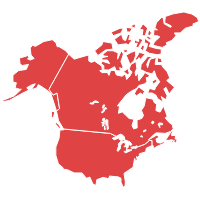
Meanwhile, Europe is showing the fastest growth due to regulatory enforcement. The European Commission confirmed that from January 2025, all EU member states must implement separate textile waste collection, significantly improving feedstock availability for fiber recycling. The Commission also estimates that Europeans discard around 12.6 million tonnes of textiles annually, creating substantial recycling opportunities. In addition, major brands such as Inditex and H&M Group continue scaling recycled fiber sourcing in Europe. However, North America shows stable growth supported by sustainability commitments, while Latin America and Middle East and Africa remain emerging markets with developing textile recovery infrastructure.
Latin America
Europe
Asia Pacific
Middle East
North America
|
Report Benchmarks |
Details |
|
Report Study Period |
2026-2032 |
|
Market Size in 2025 |
US$ 5.8 Billion |
|
Market Size in 2032 |
US$ 10.4 Billion |
|
Market CAGR |
8.7% |
|
By Source Type |
|
|
By Product Type |
|
|
By Recycling Process |
|
|
By Application |
|
|
By Region |
|
Rising textile waste volumes, tightening circular economy regulations, and stronger brand sustainability commitments are reshaping the market from a niche sustainability initiative into a commercially scalable fiber segment. According to Textile Exchange, global fiber production increased from 125 million tonnes in 2023 to 132 million tonnes in 2024, while recycled cotton output grew by approximately 46% in 2024, reflecting accelerating adoption across textile supply chains. At the same time, the United States Environmental Protection Agency reported 17 million tons of textile waste generation, highlighting the abundance of recyclable feedstock. Strategic moves by companies such as Recover Textile Systems, H&M Group, and Circ are accelerating commercialization, with Recover expanding production capacity beyond 20,000 metric tons annually and H&M reporting 32% recycled materials usage in 2025. Meanwhile, the European Commission has enforced separate textile waste collection from 2025, strengthening feedstock access across Europe. Despite technical challenges such as fiber degradation and mixed-fiber separation, continued policy support, technological innovation, and ESG-driven sourcing strategies are expected to strengthen recycled cotton’s long-term global market position.
Download Free Sample Report

The recycled cotton market size was valued at US$ 5.8 Billion in 2025 and is projected to grow at a CAGR of 8.7% from 2026-2032.
• Rising Textile Waste Generation • Water and Resource Conservation • Sustainability Regulations & Circular Economy Policies
• Expansion of Circular Fashion Programs • Government Textile Waste Regulations • Advances in Fiber-to-Fiber Recycling Technology
The Apparel & Fashion segment currently generates the highest demand, followed by home textiles, industrial textiles, and automotive interior applications.
The European Commission has introduced mandatory textile waste collection and circular textile regulations, increasing the availability of recyclable feedstock and accelerating investments in textile recycling.
The market report covers the Source Type, Product Type, Recycling Process, Application, and region segments.
Inditex, Patagonia, H&M Group, Usha Yarns, Martex Fiber, Anandi Enterprises, Aditya Birla Yarn, Levi Strauss & Co., Pure Waste Textiles, Recover Textile Systems, and among others are the key players in the market.
Content Updated Date: May 2026
| 1.Executive Summary |
| 2.Global Recycled Cotton Market Introduction |
| 2.1.Global Recycled Cotton Market - Taxonomy |
| 2.2.Global Recycled Cotton Market - Definitions |
| 2.2.1.Source Type |
| 2.2.2.Product Type |
| 2.2.3.Recycling Process |
| 2.2.4.Application |
| 2.2.5.Region |
| 3.Global Recycled Cotton Market Dynamics |
| 3.1. Drivers |
| 3.2. Restraints |
| 3.3. Opportunities/Unmet Needs of the Market |
| 3.4. Trends |
| 3.5. Product Landscape |
| 3.6. New Product Launches |
| 3.7. Impact of COVID 19 on Market |
| 4.Global Recycled Cotton Market Analysis, 2021 - 2025 and Forecast 2026- 2032 |
| 4.1. Market Analysis, 2021 - 2025 and Forecast, 2026- 2032, (Sales Value USD Million) |
| 4.2. Year-Over-Year (Y-o-Y) Growth Analysis (%) |
| 4.3. Market Opportunity Analysis |
| 5.Global Recycled Cotton Market By Source Type, 2021 - 2025 and Forecast 2026- 2032 (Sales Value USD Million) |
| 5.1. Pre-Consumer Recycled Cotton |
| 5.1.1. Market Analysis, 2021 - 2025 and Forecast, 2026- 2032, (Sales Value USD Million) |
| 5.1.2. Year-Over-Year (Y-o-Y) Growth Analysis (%) and Market Share Analysis (%) |
| 5.1.3. Market Opportunity Analysis |
| 5.2. Post-Consumer Recycled Cotton |
| 5.2.1. Market Analysis, 2021 - 2025 and Forecast, 2026- 2032, (Sales Value USD Million) |
| 5.2.2. Year-Over-Year (Y-o-Y) Growth Analysis (%) and Market Share Analysis (%) |
| 5.2.3. Market Opportunity Analysis |
| 6.Global Recycled Cotton Market By Product Type, 2021 - 2025 and Forecast 2026- 2032 (Sales Value USD Million) |
| 6.1. Recycled Cotton Fiber |
| 6.1.1. Market Analysis, 2021 - 2025 and Forecast, 2026- 2032, (Sales Value USD Million) |
| 6.1.2. Year-Over-Year (Y-o-Y) Growth Analysis (%) and Market Share Analysis (%) |
| 6.1.3. Market Opportunity Analysis |
| 6.2. Recycled Cotton Yarn |
| 6.2.1. Market Analysis, 2021 - 2025 and Forecast, 2026- 2032, (Sales Value USD Million) |
| 6.2.2. Year-Over-Year (Y-o-Y) Growth Analysis (%) and Market Share Analysis (%) |
| 6.2.3. Market Opportunity Analysis |
| 6.3. Recycled Cotton Fabric |
| 6.3.1. Market Analysis, 2021 - 2025 and Forecast, 2026- 2032, (Sales Value USD Million) |
| 6.3.2. Year-Over-Year (Y-o-Y) Growth Analysis (%) and Market Share Analysis (%) |
| 6.3.3. Market Opportunity Analysis |
| 6.4. Blended Recycled Cotton Materials |
| 6.4.1. Market Analysis, 2021 - 2025 and Forecast, 2026- 2032, (Sales Value USD Million) |
| 6.4.2. Year-Over-Year (Y-o-Y) Growth Analysis (%) and Market Share Analysis (%) |
| 6.4.3. Market Opportunity Analysis |
| 7.Global Recycled Cotton Market By Recycling Process, 2021 - 2025 and Forecast 2026- 2032 (Sales Value USD Million) |
| 7.1. Mechanical Recycling |
| 7.1.1. Market Analysis, 2021 - 2025 and Forecast, 2026- 2032, (Sales Value USD Million) |
| 7.1.2. Year-Over-Year (Y-o-Y) Growth Analysis (%) and Market Share Analysis (%) |
| 7.1.3. Market Opportunity Analysis |
| 7.2. Chemical Recycling |
| 7.2.1. Market Analysis, 2021 - 2025 and Forecast, 2026- 2032, (Sales Value USD Million) |
| 7.2.2. Year-Over-Year (Y-o-Y) Growth Analysis (%) and Market Share Analysis (%) |
| 7.2.3. Market Opportunity Analysis |
| 8.Global Recycled Cotton Market By Application, 2021 - 2025 and Forecast 2026- 2032 (Sales Value USD Million) |
| 8.1. Apparel & Fashion |
| 8.1.1. Market Analysis, 2021 - 2025 and Forecast, 2026- 2032, (Sales Value USD Million) |
| 8.1.2. Year-Over-Year (Y-o-Y) Growth Analysis (%) and Market Share Analysis (%) |
| 8.1.3. Market Opportunity Analysis |
| 8.2. Home Textiles |
| 8.2.1. Market Analysis, 2021 - 2025 and Forecast, 2026- 2032, (Sales Value USD Million) |
| 8.2.2. Year-Over-Year (Y-o-Y) Growth Analysis (%) and Market Share Analysis (%) |
| 8.2.3. Market Opportunity Analysis |
| 8.3. Industrial Textiles |
| 8.3.1. Market Analysis, 2021 - 2025 and Forecast, 2026- 2032, (Sales Value USD Million) |
| 8.3.2. Year-Over-Year (Y-o-Y) Growth Analysis (%) and Market Share Analysis (%) |
| 8.3.3. Market Opportunity Analysis |
| 8.4. Automotive Textiles |
| 8.4.1. Market Analysis, 2021 - 2025 and Forecast, 2026- 2032, (Sales Value USD Million) |
| 8.4.2. Year-Over-Year (Y-o-Y) Growth Analysis (%) and Market Share Analysis (%) |
| 8.4.3. Market Opportunity Analysis |
| 9.Global Recycled Cotton Market By Region, 2021 - 2025 and Forecast 2026- 2032 (Sales Value USD Million) |
| 9.1. North America |
| 9.1.1. Market Analysis, 2021 - 2025 and Forecast, 2026- 2032, (Sales Value USD Million) |
| 9.1.2. Year-Over-Year (Y-o-Y) Growth Analysis (%) and Market Share Analysis (%) |
| 9.1.3. Market Opportunity Analysis |
| 9.2. Europe |
| 9.2.1. Market Analysis, 2021 - 2025 and Forecast, 2026- 2032, (Sales Value USD Million) |
| 9.2.2. Year-Over-Year (Y-o-Y) Growth Analysis (%) and Market Share Analysis (%) |
| 9.2.3. Market Opportunity Analysis |
| 9.3. Asia Pacific (APAC) |
| 9.3.1. Market Analysis, 2021 - 2025 and Forecast, 2026- 2032, (Sales Value USD Million) |
| 9.3.2. Year-Over-Year (Y-o-Y) Growth Analysis (%) and Market Share Analysis (%) |
| 9.3.3. Market Opportunity Analysis |
| 9.4. Middle East and Africa (MEA) |
| 9.4.1. Market Analysis, 2021 - 2025 and Forecast, 2026- 2032, (Sales Value USD Million) |
| 9.4.2. Year-Over-Year (Y-o-Y) Growth Analysis (%) and Market Share Analysis (%) |
| 9.4.3. Market Opportunity Analysis |
| 9.5. Latin America |
| 9.5.1. Market Analysis, 2021 - 2025 and Forecast, 2026- 2032, (Sales Value USD Million) |
| 9.5.2. Year-Over-Year (Y-o-Y) Growth Analysis (%) and Market Share Analysis (%) |
| 9.5.3. Market Opportunity Analysis |
| 10.North America Recycled Cotton Market ,2021 - 2025 and Forecast 2026- 2032 (Sales Value USD Million) |
| 10.1. Source Type Analysis 2021 - 2025 and Forecast 2026- 2032 by Sales Value USD Million, Y-o-Y Growth (%), and Market Share (%) |
| 10.1.1.Pre-Consumer Recycled Cotton |
| 10.1.2.Post-Consumer Recycled Cotton |
| 10.2. Product Type Analysis 2021 - 2025 and Forecast 2026- 2032 by Sales Value USD Million, Y-o-Y Growth (%), and Market Share (%) |
| 10.2.1.Recycled Cotton Fiber |
| 10.2.2.Recycled Cotton Yarn |
| 10.2.3.Recycled Cotton Fabric |
| 10.2.4.Blended Recycled Cotton Materials |
| 10.3. Recycling Process Analysis 2021 - 2025 and Forecast 2026- 2032 by Sales Value USD Million, Y-o-Y Growth (%), and Market Share (%) |
| 10.3.1.Mechanical Recycling |
| 10.3.2.Chemical Recycling |
| 10.4. Application Analysis 2021 - 2025 and Forecast 2026- 2032 by Sales Value USD Million, Y-o-Y Growth (%), and Market Share (%) |
| 10.4.1.Apparel & Fashion |
| 10.4.2.Home Textiles |
| 10.4.3.Industrial Textiles |
| 10.4.4.Automotive Textiles |
| 10.5. Country Analysis 2021 - 2025 and Forecast 2026- 2032 by Sales Value USD Million, Y-o-Y Growth (%), and Market Share (%) |
| 10.5.1.United States of America (USA) |
| 10.5.2.Canada |
| 11.Europe Recycled Cotton Market ,2021 - 2025 and Forecast 2026- 2032 (Sales Value USD Million) |
| 11.1. Source Type Analysis and Forecast by Sales Value USD Million, Y-o-Y Growth (%), and Market Share (%) |
| 11.1.1.Pre-Consumer Recycled Cotton |
| 11.1.2.Post-Consumer Recycled Cotton |
| 11.2. Product Type Analysis 2021 - 2025 and Forecast 2026- 2032 by Sales Value USD Million, Y-o-Y Growth (%), and Market Share (%) |
| 11.2.1.Recycled Cotton Fiber |
| 11.2.2.Recycled Cotton Yarn |
| 11.2.3.Recycled Cotton Fabric |
| 11.2.4.Blended Recycled Cotton Materials |
| 11.3. Recycling Process Analysis 2021 - 2025 and Forecast 2026- 2032 by Sales Value USD Million, Y-o-Y Growth (%), and Market Share (%) |
| 11.3.1.Mechanical Recycling |
| 11.3.2.Chemical Recycling |
| 11.4. Application Analysis 2021 - 2025 and Forecast 2026- 2032 by Sales Value USD Million, Y-o-Y Growth (%), and Market Share (%) |
| 11.4.1.Apparel & Fashion |
| 11.4.2.Home Textiles |
| 11.4.3.Industrial Textiles |
| 11.4.4.Automotive Textiles |
| 11.5. Country Analysis 2021 - 2025 and Forecast 2026- 2032 by Sales Value USD Million, Y-o-Y Growth (%), and Market Share (%) |
| 11.5.1.Germany |
| 11.5.2.France |
| 11.5.3.Italy |
| 11.5.4.United Kingdom (UK) |
| 11.5.5.Spain |
| 12.Asia Pacific (APAC) Recycled Cotton Market ,2021 - 2025 and Forecast 2026- 2032 (Sales Value USD Million) |
| 12.1. Source Type Analysis and Forecast by Sales Value USD Million, Y-o-Y Growth (%), and Market Share (%) |
| 12.1.1.Pre-Consumer Recycled Cotton |
| 12.1.2.Post-Consumer Recycled Cotton |
| 12.2. Product Type Analysis 2021 - 2025 and Forecast 2026- 2032 by Sales Value USD Million, Y-o-Y Growth (%), and Market Share (%) |
| 12.2.1.Recycled Cotton Fiber |
| 12.2.2.Recycled Cotton Yarn |
| 12.2.3.Recycled Cotton Fabric |
| 12.2.4.Blended Recycled Cotton Materials |
| 12.3. Recycling Process Analysis 2021 - 2025 and Forecast 2026- 2032 by Sales Value USD Million, Y-o-Y Growth (%), and Market Share (%) |
| 12.3.1.Mechanical Recycling |
| 12.3.2.Chemical Recycling |
| 12.4. Application Analysis 2021 - 2025 and Forecast 2026- 2032 by Sales Value USD Million, Y-o-Y Growth (%), and Market Share (%) |
| 12.4.1.Apparel & Fashion |
| 12.4.2.Home Textiles |
| 12.4.3.Industrial Textiles |
| 12.4.4.Automotive Textiles |
| 12.5. Country Analysis 2021 - 2025 and Forecast 2026- 2032 by Sales Value USD Million, Y-o-Y Growth (%), and Market Share (%) |
| 12.5.1.China |
| 12.5.2.India |
| 12.5.3.Australia and New Zealand (ANZ) |
| 12.5.4.Japan |
| 12.5.5.Rest of APAC |
| 13.Middle East and Africa (MEA) Recycled Cotton Market ,2021 - 2025 and Forecast 2026- 2032 (Sales Value USD Million) |
| 13.1. Source Type Analysis and Forecast by Sales Value USD Million, Y-o-Y Growth (%), and Market Share (%) |
| 13.1.1.Pre-Consumer Recycled Cotton |
| 13.1.2.Post-Consumer Recycled Cotton |
| 13.2. Product Type Analysis 2021 - 2025 and Forecast 2026- 2032 by Sales Value USD Million, Y-o-Y Growth (%), and Market Share (%) |
| 13.2.1.Recycled Cotton Fiber |
| 13.2.2.Recycled Cotton Yarn |
| 13.2.3.Recycled Cotton Fabric |
| 13.2.4.Blended Recycled Cotton Materials |
| 13.3. Recycling Process Analysis 2021 - 2025 and Forecast 2026- 2032 by Sales Value USD Million, Y-o-Y Growth (%), and Market Share (%) |
| 13.3.1.Mechanical Recycling |
| 13.3.2.Chemical Recycling |
| 13.4. Application Analysis 2021 - 2025 and Forecast 2026- 2032 by Sales Value USD Million, Y-o-Y Growth (%), and Market Share (%) |
| 13.4.1.Apparel & Fashion |
| 13.4.2.Home Textiles |
| 13.4.3.Industrial Textiles |
| 13.4.4.Automotive Textiles |
| 13.5. Country Analysis 2021 - 2025 and Forecast 2026- 2032 by Sales Value USD Million, Y-o-Y Growth (%), and Market Share (%) |
| 13.5.1.GCC Countries |
| 13.5.2.South Africa |
| 13.5.3.Rest of MEA |
| 14.Latin America Recycled Cotton Market ,2021 - 2025 and Forecast 2026- 2032 (Sales Value USD Million) |
| 14.1. Source Type Analysis and Forecast by Sales Value USD Million, Y-o-Y Growth (%), and Market Share (%) |
| 14.1.1.Pre-Consumer Recycled Cotton |
| 14.1.2.Post-Consumer Recycled Cotton |
| 14.2. Product Type Analysis 2021 - 2025 and Forecast 2026- 2032 by Sales Value USD Million, Y-o-Y Growth (%), and Market Share (%) |
| 14.2.1.Recycled Cotton Fiber |
| 14.2.2.Recycled Cotton Yarn |
| 14.2.3.Recycled Cotton Fabric |
| 14.2.4.Blended Recycled Cotton Materials |
| 14.3. Recycling Process Analysis 2021 - 2025 and Forecast 2026- 2032 by Sales Value USD Million, Y-o-Y Growth (%), and Market Share (%) |
| 14.3.1.Mechanical Recycling |
| 14.3.2.Chemical Recycling |
| 14.4. Application Analysis 2021 - 2025 and Forecast 2026- 2032 by Sales Value USD Million, Y-o-Y Growth (%), and Market Share (%) |
| 14.4.1.Apparel & Fashion |
| 14.4.2.Home Textiles |
| 14.4.3.Industrial Textiles |
| 14.4.4.Automotive Textiles |
| 14.5. Country Analysis 2021 - 2025 and Forecast 2026- 2032 by Sales Value USD Million, Y-o-Y Growth (%), and Market Share (%) |
| 14.5.1.Brazil |
| 14.5.2.Mexico |
| 14.5.3.Rest of LA |
| 15. Competition Landscape |
| 15.1. Market Player Profiles (Introduction, Brand/Product Sales, Financial Analysis, Product Offerings, Key Developments, Collaborations, M & A, Strategies, and SWOT Analysis) |
| 15.2.1.Inditex |
| 15.2.2.Patagonia |
| 15.2.3.H&M Group |
| 15.2.4.Usha Yarns |
| 15.2.5.Martex Fiber |
| 15.2.6.Anandi Enterprises |
| 15.2.7.Aditya Birla Yarn |
| 15.2.8.Levi Strauss & Co. |
| 15.2.9.Pure Waste Textiles |
| 15.2.10.Recover Textile Systems |
| 16. Research Methodology |
| 17. Appendix and Abbreviations |
Key Market Players

 Download Sample