Fossil Fuels Market: By Fuel Type, By Extraction Method, By Application, and Region Forecast 2021-2032
Fossil Fuels Market: By Fuel Type, By Extraction Method, By Application, and Region Forecast 2021-2032
Report ID:302002
Published Date:May 2026
No of Pages:225
Format:

Fossil Fuels Market size was valued at US$ 6.9 Trillion in 2025 and is projected to reach US$ 10.6 Trillion by 2032, growing at a CAGR of 6.3% from 2026-2032. Moreover, in the USA, the Fossil Fuels Market size was valued at US$ 1.7 Trillion in 2025 and is projected to reach US$ 2.5 Trillion by 2032, growing at a CAGR of 5.6% from 2026-2032.
Fossil fuels are non-renewable energy resources formed from the remains of ancient plants and organisms buried beneath the Earth’s surface for millions of years. They primarily include coal, crude oil, and natural gas, which remain the backbone of global energy production and industrial development. Fossil fuels are extensively used in electricity generation, transportation, petrochemicals, manufacturing, and residential heating due to their high energy density and established infrastructure. According to the International Energy Agency, fossil fuels still accounted for more than 80% of global energy production in recent years, highlighting their continued dominance in the global energy mix. The U.S. Energy Information Administration reported that petroleum represented nearly 38% of total U.S. energy consumption in 2024, while natural gas demand increased by 2.7% globally in 2024. Rising industrialization and energy demand in emerging economies continue to support fossil fuel consumption despite accelerating investments in renewable energy. However, growing carbon emissions, climate policies, and the global transition toward cleaner energy technologies are reshaping long-term fossil fuel market dynamics worldwide.
Based on the Fuel Type
Coal remains one of the dominating fuel type segments in the fossil fuels market due to its extensive use in electricity generation and heavy industries. According to the International Energy Agency, coal-fired power generation reached nearly 10,700 TWh globally in 2024, while global coal demand touched a record 8.85 billion tonnes in 2025, driven largely by China and India’s industrial and power sectors. Top of Form
Based on the Extraction Method
Conventional Extraction dominates the fossil fuels market due to its established infrastructure, lower production costs, and extensive global reserves, particularly across the Middle East and North America. The U.S. Energy Information Administration states that conventional drilling remains a major contributor to global oil supply, while OPEC countries continue relying heavily on conventional reserves for large-scale production and exports.
Bottom of Form
Based on the Application
Power generation dominates the fossil fuels market due to the continued large-scale use of coal and natural gas in global electricity production. According to the International Energy Agency, fossil fuels accounted for nearly 60% of global electricity generation in 2024, with coal alone contributing 35% and natural gas providing over 20%. Rising electricity demand from industrialization, urban infrastructure, AI data centers, and commercial activities continues supporting fossil fuel-based power generation worldwide.
Study Period
2026-2032Base Year
2025CAGR
6.3%Largest Market
North-AmericaFastest Growing Market
Asia-Pacific
The fossil fuels market continues to be driven by expanding industrialization, transportation demand, and rising global energy consumption. According to the U.S. Energy Information Administration (EIA), global liquid fuels consumption surpassed 103 million barrels per day in 2025, supported by increasing mobility and industrial activity. Natural gas demand is also rising due to its growing role in power generation and LNG trade, with the International Energy Agency reporting record LNG capacity additions globally during 2025. The International Civil Aviation Organization noted continued growth in global air passenger traffic, directly increasing jet fuel demand. In addition, the International Organization of Motor Vehicle Manufacturers reported global vehicle production exceeding 93 million units in 2024, strengthening gasoline and diesel consumption. Emerging economies across Asia-Pacific and the Middle East continue investing heavily in infrastructure, manufacturing, and petrochemical expansion, further supporting fossil fuel utilization. Major companies such as Saudi Aramco and Shell plc have also expanded LNG, refining, and petrochemical operations to meet long-term global energy and industrial feedstock demand.
The fossil fuels market faces significant restraints due to tightening environmental policies, accelerating clean energy adoption, and growing sustainability commitments worldwide. According to the United Nations Environment Programme, fossil fuels account for more than 75% of global greenhouse gas emissions, increasing regulatory pressure on coal, oil, and natural gas industries. The International Renewable Energy Agency reported that renewable energy additions reached a record 585 GW globally in 2024, intensifying competition against conventional fuels. Governments across Europe, North America, and Asia are expanding carbon pricing systems and emission reduction mandates, increasing operational costs for fossil fuel producers. The International Energy Agency also highlighted that global electric car sales exceeded 17 million units in 2024, reducing long-term gasoline demand growth. Meanwhile, several global banks and institutional investors continue restricting financing for new coal and high-emission upstream projects under ESG frameworks. Air pollution concerns remain another major challenge, with the World Health Organization estimating that nearly 7 million premature deaths annually are linked to air pollution exposure. In response, companies such as BP plc and TotalEnergies are increasingly diversifying toward lower-carbon energy portfolios.
The fossil fuels market continues to present growth opportunities through LNG expansion, cleaner technologies, and rising energy demand from developing economies. According to the International Energy Agency, global LNG trade reached a record level in 2025 as countries expanded gas infrastructure to strengthen energy security and reduce coal dependence. The U.S. Department of Energy also approved multiple LNG export capacity expansions during 2024 and 2025, supporting long-term natural gas investments. Carbon capture, utilization, and storage (CCUS) is emerging as another major opportunity, with the Global CCS Institute reporting more than 50 new CCS facilities announced globally in recent years. In addition, the Hydrogen Council and several energy companies are increasing investments in blue hydrogen projects using natural gas feedstocks combined with carbon capture technologies. Offshore and deepwater exploration activities are also rising, particularly in regions such as Brazil, Guyana, and the Middle East. Major companies including ExxonMobil and Chevron Corporation are expanding digital oilfield technologies, advanced drilling systems, and petrochemical production to improve efficiency and capitalize on growing global fuel and chemical demand.
The fossil fuels market is witnessing major transformation trends driven by LNG expansion, digitalization, decarbonization initiatives, and changing global energy policies. According to the International Energy Agency, global investment in upstream oil and gas projects exceeded USD 570 billion in 2025, reflecting continued focus on supply security and production expansion. LNG remains a key growth trend, with QatarEnergy and several U.S. producers announcing new export capacity additions to meet rising global gas demand. Meanwhile, the International Monetary Fund highlighted that energy security concerns and geopolitical tensions continue encouraging countries to diversify fossil fuel supply chains. Oil and gas companies are also rapidly adopting AI, automation, and digital oilfield technologies to improve operational efficiency and reduce production costs. Carbon capture and blue hydrogen projects are expanding as companies pursue lower-emission fossil fuel operations. In addition, the International Energy Agency reported that coal-fired power generation growth slowed significantly in several developed economies due to renewable energy adoption and stricter emission targets. Companies such as Shell plc and Eni S.p.A. are increasingly integrating hydrogen, carbon capture, and low-carbon fuel investments into their long-term strategies.
The fossil fuels market continues to be driven by expanding industrialization, transportation demand, and rising global energy consumption. According to the U.S. Energy Information Administration (EIA), global liquid fuels consumption surpassed 103 million barrels per day in 2025, supported by increasing mobility and industrial activity. Natural gas demand is also rising due to its growing role in power generation and LNG trade, with the International Energy Agency reporting record LNG capacity additions globally during 2025. The International Civil Aviation Organization noted continued growth in global air passenger traffic, directly increasing jet fuel demand. In addition, the International Organization of Motor Vehicle Manufacturers reported global vehicle production exceeding 93 million units in 2024, strengthening gasoline and diesel consumption. Emerging economies across Asia-Pacific and the Middle East continue investing heavily in infrastructure, manufacturing, and petrochemical expansion, further supporting fossil fuel utilization. Major companies such as Saudi Aramco and Shell plc have also expanded LNG, refining, and petrochemical operations to meet long-term global energy and industrial feedstock demand.
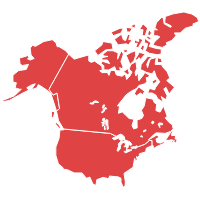
North America dominates the fossil fuels market from a production, export, and technological infrastructure perspective due to its large-scale crude oil and natural gas output, extensive shale reserves, and expanding LNG export capacity. The United States remains one of the world’s leading oil and gas producers, supported by strong developments in the Permian Basin and rising LNG shipments to Europe and Asia. Major companies such as ExxonMobil, Chevron Corporation, and ConocoPhillips continue investing heavily in upstream exploration, refining, and export infrastructure across the region.
Meanwhile, Asia-Pacific is the fastest-growing and largest fossil fuel-consuming region due to rapid industrialization, urbanization, and increasing transportation and petrochemical demand across China, India, Japan, South Korea, and Southeast Asia. According to the Statistical Review of World Energy, Asia-Pacific contributes nearly half of global energy demand growth and remains the world’s largest oil-importing region. Europe is witnessing comparatively slower fossil fuel growth because of decarbonization policies, while Latin America and the Middle East & Africa continue strengthening global crude oil and LNG exports.
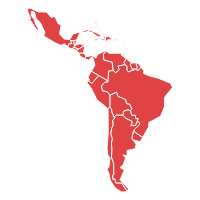
Latin America
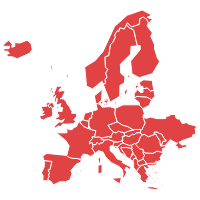
Europe
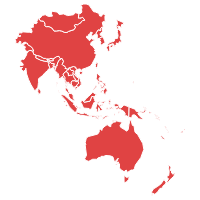
Asia Pacific
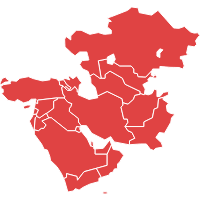
Middle East
North America
|
Report Benchmarks |
Details |
|
Report Study Period |
2026-2032 |
|
Market Size in 2025 |
US$ 6.9 Trillion |
|
Market Size in 2032 |
US$ 10.6 Trillion |
|
Market CAGR |
6.3% |
|
By Fuel Type |
|
|
By Extraction Method |
|
|
By Application |
|
|
By Region |
|
The fossil fuels market continues to demonstrate strong long-term relevance despite increasing decarbonization pressures and accelerating renewable energy adoption. Rising global energy demand, industrial expansion, transportation growth, and increasing electricity consumption continue supporting large-scale oil, coal, and natural gas utilization worldwide. North America maintains dominance through record shale production, LNG export expansion, and technological advancements in drilling and refining, while Asia-Pacific remains the fastest-growing consumption center driven by industrialization and urbanization across China, India, and Southeast Asia. Major energy companies including ExxonMobil, Shell plc, and TotalEnergies are actively investing in LNG infrastructure, digital oilfields, petrochemical expansion, and carbon capture technologies to balance energy security with sustainability goals. In addition, strategic mergers, LNG capacity expansions, offshore exploration projects, and blue hydrogen investments are reshaping competitive dynamics across the industry. However, tightening environmental regulations, carbon pricing policies, EV adoption, and ESG-focused financing restrictions are expected to gradually transform the market structure, pushing fossil fuel producers toward cleaner operations, low-carbon technologies, and integrated transition energy strategies over the coming decade.
Download Free Sample Report

Fossil Fuels Market size was valued at US$ 6.9 Trillion in 2025 and is projected to reach US$ 10.6 Trillion by 2032, growing at a CAGR of 6.3% form 2026-2032.
Many companies are investing in carbon capture, hydrogen, LNG, biofuels, renewable energy, and lower-carbon technologies to align with global decarbonization and sustainability goals.
Coal and crude oil remain dominant due to their large-scale use in power generation, transportation, and heavy industries. Natural gas is also rapidly expanding because of increasing LNG trade and its relatively lower carbon emissions compared to coal.
Asia-Pacific is the fastest-growing region due to rapid industrialization, urbanization, infrastructure development, and rising transportation and petrochemical demand across China, India, and Southeast Asia.
BP plc, Eni S.p.A., Sinopec., Shell plc, PetroChina, TotalEnergies, ExxonMobil, ConocoPhillips, Saudi Aramco, Chevron Corporation, and among others are the key players in the Fossil Fuels -market.
North America dominates due to strong shale oil and gas production, advanced drilling technologies, extensive refining infrastructure, and growing LNG export capacity led primarily by the United States.
Content Updated Date: May 2026
| 1.Executive Summary |
| 2.Global Fossil Fuels Market Introduction |
| 2.1.Global Fossil Fuels Market - Taxonomy |
| 2.2.Global Fossil Fuels Market - Definitions |
| 2.2.1.Fuel Type |
| 2.2.2.Extraction Method |
| 2.2.3.Application |
| 2.2.4.Region |
| 3.Global Fossil Fuels Market Dynamics |
| 3.1. Drivers |
| 3.2. Restraints |
| 3.3. Opportunities/Unmet Needs of the Market |
| 3.4. Trends |
| 3.5. Product Landscape |
| 3.6. New Product Launches |
| 3.7. Impact of COVID 19 on Market |
| 4.Global Fossil Fuels Market Analysis, 2021 - 2025 and Forecast 2026 - 2032 |
| 4.1. Market Analysis, 2021 - 2025 and Forecast, 2026 - 2032, (Sales Value USD Million) |
| 4.2. Year-Over-Year (Y-o-Y) Growth Analysis (%) |
| 4.3. Market Opportunity Analysis |
| 5.Global Fossil Fuels Market By Fuel Type, 2021 - 2025 and Forecast 2026 - 2032 (Sales Value USD Million) |
| 5.1. Coal |
| 5.1.1. Market Analysis, 2021 - 2025 and Forecast, 2026 - 2032, (Sales Value USD Million) |
| 5.1.2. Year-Over-Year (Y-o-Y) Growth Analysis (%) and Market Share Analysis (%) |
| 5.1.3. Market Opportunity Analysis |
| 5.2. Crude Oil |
| 5.2.1. Market Analysis, 2021 - 2025 and Forecast, 2026 - 2032, (Sales Value USD Million) |
| 5.2.2. Year-Over-Year (Y-o-Y) Growth Analysis (%) and Market Share Analysis (%) |
| 5.2.3. Market Opportunity Analysis |
| 5.3. Natural Gas |
| 5.3.1. Market Analysis, 2021 - 2025 and Forecast, 2026 - 2032, (Sales Value USD Million) |
| 5.3.2. Year-Over-Year (Y-o-Y) Growth Analysis (%) and Market Share Analysis (%) |
| 5.3.3. Market Opportunity Analysis |
| 6.Global Fossil Fuels Market By Extraction Method, 2021 - 2025 and Forecast 2026 - 2032 (Sales Value USD Million) |
| 6.1. Conventional Extraction |
| 6.1.1. Market Analysis, 2021 - 2025 and Forecast, 2026 - 2032, (Sales Value USD Million) |
| 6.1.2. Year-Over-Year (Y-o-Y) Growth Analysis (%) and Market Share Analysis (%) |
| 6.1.3. Market Opportunity Analysis |
| 6.2. Offshore Drilling |
| 6.2.1. Market Analysis, 2021 - 2025 and Forecast, 2026 - 2032, (Sales Value USD Million) |
| 6.2.2. Year-Over-Year (Y-o-Y) Growth Analysis (%) and Market Share Analysis (%) |
| 6.2.3. Market Opportunity Analysis |
| 6.3. Hydraulic Fracturing |
| 6.3.1. Market Analysis, 2021 - 2025 and Forecast, 2026 - 2032, (Sales Value USD Million) |
| 6.3.2. Year-Over-Year (Y-o-Y) Growth Analysis (%) and Market Share Analysis (%) |
| 6.3.3. Market Opportunity Analysis |
| 7.Global Fossil Fuels Market By Application, 2021 - 2025 and Forecast 2026 - 2032 (Sales Value USD Million) |
| 7.1. Residential & Commercial |
| 7.1.1. Market Analysis, 2021 - 2025 and Forecast, 2026 - 2032, (Sales Value USD Million) |
| 7.1.2. Year-Over-Year (Y-o-Y) Growth Analysis (%) and Market Share Analysis (%) |
| 7.1.3. Market Opportunity Analysis |
| 7.2. Power Generation |
| 7.2.1. Market Analysis, 2021 - 2025 and Forecast, 2026 - 2032, (Sales Value USD Million) |
| 7.2.2. Year-Over-Year (Y-o-Y) Growth Analysis (%) and Market Share Analysis (%) |
| 7.2.3. Market Opportunity Analysis |
| 7.3. Transportation |
| 7.3.1. Market Analysis, 2021 - 2025 and Forecast, 2026 - 2032, (Sales Value USD Million) |
| 7.3.2. Year-Over-Year (Y-o-Y) Growth Analysis (%) and Market Share Analysis (%) |
| 7.3.3. Market Opportunity Analysis |
| 7.4. Industrial Use |
| 7.4.1. Market Analysis, 2021 - 2025 and Forecast, 2026 - 2032, (Sales Value USD Million) |
| 7.4.2. Year-Over-Year (Y-o-Y) Growth Analysis (%) and Market Share Analysis (%) |
| 7.4.3. Market Opportunity Analysis |
| 8.Global Fossil Fuels Market By Region, 2021 - 2025 and Forecast 2026 - 2032 (Sales Value USD Million) |
| 8.1. North America |
| 8.1.1. Market Analysis, 2021 - 2025 and Forecast, 2026 - 2032, (Sales Value USD Million) |
| 8.1.2. Year-Over-Year (Y-o-Y) Growth Analysis (%) and Market Share Analysis (%) |
| 8.1.3. Market Opportunity Analysis |
| 8.2. Europe |
| 8.2.1. Market Analysis, 2021 - 2025 and Forecast, 2026 - 2032, (Sales Value USD Million) |
| 8.2.2. Year-Over-Year (Y-o-Y) Growth Analysis (%) and Market Share Analysis (%) |
| 8.2.3. Market Opportunity Analysis |
| 8.3. Asia Pacific (APAC) |
| 8.3.1. Market Analysis, 2021 - 2025 and Forecast, 2026 - 2032, (Sales Value USD Million) |
| 8.3.2. Year-Over-Year (Y-o-Y) Growth Analysis (%) and Market Share Analysis (%) |
| 8.3.3. Market Opportunity Analysis |
| 8.4. Middle East and Africa (MEA) |
| 8.4.1. Market Analysis, 2021 - 2025 and Forecast, 2026 - 2032, (Sales Value USD Million) |
| 8.4.2. Year-Over-Year (Y-o-Y) Growth Analysis (%) and Market Share Analysis (%) |
| 8.4.3. Market Opportunity Analysis |
| 8.5. Latin America |
| 8.5.1. Market Analysis, 2021 - 2025 and Forecast, 2026 - 2032, (Sales Value USD Million) |
| 8.5.2. Year-Over-Year (Y-o-Y) Growth Analysis (%) and Market Share Analysis (%) |
| 8.5.3. Market Opportunity Analysis |
| 9.North America Fossil Fuels Market ,2021 - 2025 and Forecast 2026 - 2032 (Sales Value USD Million) |
| 9.1. Fuel Type Analysis 2021 - 2025 and Forecast 2026 - 2032 by Sales Value USD Million, Y-o-Y Growth (%), and Market Share (%) |
| 9.1.1.Coal |
| 9.1.2.Crude Oil |
| 9.1.3.Natural Gas |
| 9.2. Extraction Method Analysis 2021 - 2025 and Forecast 2026 - 2032 by Sales Value USD Million, Y-o-Y Growth (%), and Market Share (%) |
| 9.2.1.Conventional Extraction |
| 9.2.2.Offshore Drilling |
| 9.2.3.Hydraulic Fracturing |
| 9.3. Application Analysis 2021 - 2025 and Forecast 2026 - 2032 by Sales Value USD Million, Y-o-Y Growth (%), and Market Share (%) |
| 9.3.1.Residential & Commercial |
| 9.3.2.Power Generation |
| 9.3.3.Transportation |
| 9.3.4.Industrial Use |
| 9.4. Country Analysis 2021 - 2025 and Forecast 2026 - 2032 by Sales Value USD Million, Y-o-Y Growth (%), and Market Share (%) |
| 9.4.1.United States of America (USA) |
| 9.4.2.Canada |
| 10.Europe Fossil Fuels Market ,2021 - 2025 and Forecast 2026 - 2032 (Sales Value USD Million) |
| 10.1. Fuel Type Analysis and Forecast by Sales Value USD Million, Y-o-Y Growth (%), and Market Share (%) |
| 10.1.1.Coal |
| 10.1.2.Crude Oil |
| 10.1.3.Natural Gas |
| 10.2. Extraction Method Analysis 2021 - 2025 and Forecast 2026 - 2032 by Sales Value USD Million, Y-o-Y Growth (%), and Market Share (%) |
| 10.2.1.Conventional Extraction |
| 10.2.2.Offshore Drilling |
| 10.2.3.Hydraulic Fracturing |
| 10.3. Application Analysis 2021 - 2025 and Forecast 2026 - 2032 by Sales Value USD Million, Y-o-Y Growth (%), and Market Share (%) |
| 10.3.1.Residential & Commercial |
| 10.3.2.Power Generation |
| 10.3.3.Transportation |
| 10.3.4.Industrial Use |
| 10.4. Country Analysis 2021 - 2025 and Forecast 2026 - 2032 by Sales Value USD Million, Y-o-Y Growth (%), and Market Share (%) |
| 10.4.1.Germany |
| 10.4.2.France |
| 10.4.3.Italy |
| 10.4.4.United Kingdom (UK) |
| 10.4.5.Spain |
| 11.Asia Pacific (APAC) Fossil Fuels Market ,2021 - 2025 and Forecast 2026 - 2032 (Sales Value USD Million) |
| 11.1. Fuel Type Analysis and Forecast by Sales Value USD Million, Y-o-Y Growth (%), and Market Share (%) |
| 11.1.1.Coal |
| 11.1.2.Crude Oil |
| 11.1.3.Natural Gas |
| 11.2. Extraction Method Analysis 2021 - 2025 and Forecast 2026 - 2032 by Sales Value USD Million, Y-o-Y Growth (%), and Market Share (%) |
| 11.2.1.Conventional Extraction |
| 11.2.2.Offshore Drilling |
| 11.2.3.Hydraulic Fracturing |
| 11.3. Application Analysis 2021 - 2025 and Forecast 2026 - 2032 by Sales Value USD Million, Y-o-Y Growth (%), and Market Share (%) |
| 11.3.1.Residential & Commercial |
| 11.3.2.Power Generation |
| 11.3.3.Transportation |
| 11.3.4.Industrial Use |
| 11.4. Country Analysis 2021 - 2025 and Forecast 2026 - 2032 by Sales Value USD Million, Y-o-Y Growth (%), and Market Share (%) |
| 11.4.1.China |
| 11.4.2.India |
| 11.4.3.Australia and New Zealand (ANZ) |
| 11.4.4.Japan |
| 11.4.5.Rest of APAC |
| 12.Middle East and Africa (MEA) Fossil Fuels Market ,2021 - 2025 and Forecast 2026 - 2032 (Sales Value USD Million) |
| 12.1. Fuel Type Analysis and Forecast by Sales Value USD Million, Y-o-Y Growth (%), and Market Share (%) |
| 12.1.1.Coal |
| 12.1.2.Crude Oil |
| 12.1.3.Natural Gas |
| 12.2. Extraction Method Analysis 2021 - 2025 and Forecast 2026 - 2032 by Sales Value USD Million, Y-o-Y Growth (%), and Market Share (%) |
| 12.2.1.Conventional Extraction |
| 12.2.2.Offshore Drilling |
| 12.2.3.Hydraulic Fracturing |
| 12.3. Application Analysis 2021 - 2025 and Forecast 2026 - 2032 by Sales Value USD Million, Y-o-Y Growth (%), and Market Share (%) |
| 12.3.1.Residential & Commercial |
| 12.3.2.Power Generation |
| 12.3.3.Transportation |
| 12.3.4.Industrial Use |
| 12.4. Country Analysis 2021 - 2025 and Forecast 2026 - 2032 by Sales Value USD Million, Y-o-Y Growth (%), and Market Share (%) |
| 12.4.1.GCC Countries |
| 12.4.2.South Africa |
| 12.4.3.Rest of MEA |
| 13.Latin America Fossil Fuels Market ,2021 - 2025 and Forecast 2026 - 2032 (Sales Value USD Million) |
| 13.1. Fuel Type Analysis and Forecast by Sales Value USD Million, Y-o-Y Growth (%), and Market Share (%) |
| 13.1.1.Coal |
| 13.1.2.Crude Oil |
| 13.1.3.Natural Gas |
| 13.2. Extraction Method Analysis 2021 - 2025 and Forecast 2026 - 2032 by Sales Value USD Million, Y-o-Y Growth (%), and Market Share (%) |
| 13.2.1.Conventional Extraction |
| 13.2.2.Offshore Drilling |
| 13.2.3.Hydraulic Fracturing |
| 13.3. Application Analysis 2021 - 2025 and Forecast 2026 - 2032 by Sales Value USD Million, Y-o-Y Growth (%), and Market Share (%) |
| 13.3.1.Residential & Commercial |
| 13.3.2.Power Generation |
| 13.3.3.Transportation |
| 13.3.4.Industrial Use |
| 13.4. Country Analysis 2021 - 2025 and Forecast 2026 - 2032 by Sales Value USD Million, Y-o-Y Growth (%), and Market Share (%) |
| 13.4.1.Brazil |
| 13.4.2.Mexico |
| 13.4.3.Rest of LA |
| 14. Competition Landscape |
| 14.1. Market Player Profiles (Introduction, Brand/Product Sales, Financial Analysis, Product Offerings, Key Developments, Collaborations, M & A, Strategies, and SWOT Analysis) |
| 14.2.1.BP plc |
| 14.2.2.Eni S.p.A |
| 14.2.3.Sinopec |
| 14.2.4.Shell plc |
| 14.2.5.PetroChina |
| 14.2.6.TotalEnergies |
| 14.2.7.ExxonMobil |
| 14.2.8.ConocoPhillips |
| 14.2.9.Saudi Aramco |
| 14.2.10.Chevron Corporation |
| 15. Research Methodology |
| 16. Appendix and Abbreviations |
Key Market Players

 Download Sample