
 Download Sample




Author
Muni Kumar Meravath is a seasoned Healthcare Market Research Analyst with over 6 years of experience in the healthc.....
Haemostats Market: By Type, By Formulation, By Application, By End User and Region Forecast 2021-2032
Report ID:552308
Published Date:Dec 2025
No of Pages:210
Format:

Hemostats Market size was valued at US$ 3.0 billion in 2025 and is expected to reach US$ 4.7 billion by 2032, growing at a significant CAGR of 6.5% from 2026-2032. Moreover, the U.S. Hemostats Market is projected to grow at 6.3% CAGR over the forecast period. The market refers to the global industry focused on products designed to control bleeding during surgical procedures, trauma cases, and emergency care. These products include mechanical, active, and flowable hemostatic agents that aid rapid blood coagulation and support better surgical outcomes. Hemostats are widely used across specialties such as cardiovascular, orthopedic, general surgery, and neurology to enhance patient safety and reduce operative complications.
This market encompasses both natural and synthetic hemostatic materials, including gelatin-, collagen-, oxidized regenerated cellulose–based agents, and thrombin-based products. It also includes innovative combination hemostats that integrate multiple mechanisms to optimize bleeding control. The definition further extends to manufacturing, distribution, and technological development processes supporting advancements in surgical care. The market is experiencing steady growth driven by rising surgical volumes, increasing trauma cases, and a growing preference for minimally invasive procedures that require precise bleeding control. Hospitals and specialty clinics are expanding their adoption of advanced hemostatic agents to reduce surgery time, minimize blood loss, and improve recovery outcomes. Additionally, aging populations and the rising incidence of chronic diseases contribute to increased demand for surgical interventions, supporting market expansion.
Based on the type:
The thrombin-based hemostats are anticipated to lead the market, driven primarily by their superior clinical effectiveness in rapid bleeding control. The key driver supporting this leadership is their ability to directly accelerate the natural coagulation cascade, enabling faster and more reliable hemostasis across a wide range of surgical procedures. Thrombin-based products are highly valued in complex and high-risk surgeries, such as cardiovascular, orthopedic, and neurosurgical interventions, where precise and immediate bleeding management is critical. Their versatility, ease of application, and proven performance in both open and minimally invasive surgeries further strengthen adoption rates.
Additionally, increasing surgical volumes globally, coupled with rising awareness among surgeons regarding advanced hemostatic solutions, continue to favor thrombin-based hemostats over other types. As healthcare systems emphasize reduced operative time, lower complication rates, and improved patient outcomes, thrombin-based hemostats are expected to maintain their dominant position, making clinical efficacy the most influential driver shaping this segment’s market leadership.
Based on the formulation:
The matrix and gel hemostats are anticipated to lead the market, primarily driven by their superior adaptability across diverse surgical applications. The single most influential driver behind this dominance is their ability to conform effectively to irregular wound surfaces, ensuring targeted and efficient bleeding control. Matrix and gel formulations can easily fill complex tissue geometries, which enhances clot formation and reduces the risk of rebleeding, making them especially valuable in minimally invasive, laparoscopic, and high-precision surgeries. Their ease of handling and controlled application allow surgeons to achieve hemostasis quickly without excessive pressure or additional devices.
Furthermore, these formulations often provide a favorable balance between mechanical support and biological activity, improving procedural efficiency and patient outcomes. As surgical techniques continue to advance toward precision-based and minimally invasive approaches, the demand for adaptable and reliable hemostatic solutions is rising. Consequently, the versatility-driven clinical preference for matrix and gel hemostats is expected to remain the leading force shaping this segment of the market.
Based on the application:
The orthopedic surgery is anticipated to represent the leading segment in the market, driven primarily by the high volume of procedures associated with bone and joint disorders. The single most significant driver supporting this leadership is the increasing global incidence of orthopedic conditions, including osteoarthritis, trauma-related injuries, and age-related degenerative diseases, which necessitate surgical intervention. Orthopedic surgeries often involve extensive soft tissue and bone manipulation, resulting in substantial bleeding risks that require effective hemostatic management. As a result, surgeons strongly rely on advanced hemostats to control bleeding, improve surgical visibility, and reduce postoperative complications.
Additionally, the rising elderly population and growing demand for joint replacement and spinal surgeries further amplify the need for reliable hemostatic solutions in this field. With healthcare systems focusing on faster recovery times, reduced blood loss, and improved surgical outcomes, orthopedic surgery continues to drive consistent demand, positioning it as the leading application segment within the overall market.
Based on the end user:
The hospitals and clinics are anticipated to lead the market, driven primarily by their high concentration of surgical procedures across multiple specialties. The single most influential driver behind this dominance is the consistently higher patient inflow requiring both elective and emergency surgeries, which significantly increases the demand for effective hemostatic solutions. Hospitals and clinics are equipped with advanced surgical infrastructure, specialized operating rooms, and skilled healthcare professionals, enabling the routine use of hemostats in complex procedures such as cardiovascular, orthopedic, neurological, and general surgeries.
Additionally, these settings manage trauma cases and high-risk patients where rapid bleeding control is critical, further reinforcing reliance on hemostatic products. The availability of better reimbursement frameworks and stronger procurement capabilities also supports the adoption of advanced and premium hemostats in hospitals and clinics. As surgical volumes continue to rise globally and healthcare systems prioritize improved clinical outcomes, hospitals and clinics are expected to remain the leading end-user segment in the market.
Study Period
2026-2032Base Year
2024CAGR
6.5%Largest Market
North AmericaFastest Growing Market
Asia-Pacific
The market is significantly driven by the rising number of surgical procedures and trauma incidents globally. With increasing population growth, aging demographics, and the prevalence of chronic diseases such as cardiovascular disorders and diabetes, the demand for surgical interventions has surged. Hemostatic agents play a critical role in ensuring patient safety by controlling bleeding efficiently during surgeries, reducing complications, and improving recovery times. Additionally, trauma cases caused by accidents or emergencies have become more frequent, requiring rapid hemostatic solutions to prevent blood loss and enhance survival rates. Hospitals and surgical centers are increasingly adopting advanced hemostats, including flowable, combination, and active agents, due to their effectiveness and ease of use in complex surgical environments. This growing reliance on hemostatic products across multiple medical specialties is a primary driver of market growth.
One of the major restraints limiting the growth of the market is the high cost associated with advanced hemostatic agents. Innovative products, including flowable, combination, and thrombin-based hemostats, often come at a premium price due to the complexity of their manufacturing processes, research and development investments, and strict regulatory compliance. Many small and mid-sized healthcare facilities, particularly in developing regions, face budgetary constraints, which restrict the widespread adoption of these advanced products. Moreover, cost-sensitive markets often continue to rely on traditional or mechanical hemostatic methods, which can limit revenue growth for manufacturers of high-end hemostats. The price factor also impacts healthcare providers’ procurement decisions, slowing down the overall market expansion, especially in emerging economies where healthcare infrastructure is still developing.
Technological innovation represents a significant growth opportunity within the market. Researchers and manufacturers are increasingly focusing on the development of next-generation hemostatic agents with improved efficacy, faster coagulation times, and enhanced biocompatibility. For instance, combination hemostats that integrate mechanical and active coagulation mechanisms are becoming increasingly popular for complex surgical procedures. Additionally, advancements in biodegradable and bioactive materials are creating safer, more effective options for patients, reducing post-operative complications such as infection or inflammation. The integration of nanotechnology and improved delivery systems further enhances the performance of hemostats, enabling precise application in minimally invasive surgeries. As hospitals and surgical centers adopt these cutting-edge solutions, manufacturers could expand market share and enter new therapeutic areas where traditional hemostats are less effective.
A prominent trend shaping the market is the growing preference for minimally invasive and outpatient surgeries. Surgeons increasingly favor procedures that reduce tissue damage, lower blood loss, and shorten recovery times, creating higher demand for efficient hemostatic solutions. Hemostats that are easy to apply, fast-acting, and compatible with laparoscopic and robotic-assisted surgeries are becoming essential in these settings. Additionally, the rise of outpatient and ambulatory surgical centers globally is driving demand for compact, ready-to-use hemostatic products that simplify surgical workflows. This trend also reflects a broader focus on patient-centric care, where reduced hospital stays and improved procedural safety are key priorities. Manufacturers are responding by developing hemostats optimized for minimally invasive applications, further strengthening their relevance in modern surgical practices.
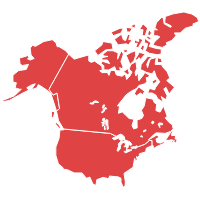
Largest Share of the Region: North America region’s dominance is attributed to advanced healthcare infrastructure, high adoption of technologically advanced surgical products, and the presence of leading market players. A growing number of complex surgical procedures, coupled with rising prevalence of chronic diseases, has driven the demand for efficient hemostatic agents. Additionally, favorable reimbursement policies, increasing hospital investments in advanced surgical tools, and strong awareness among healthcare professionals about bleeding management further support market growth. The trend toward minimally invasive and robotic-assisted surgeries also contributes to higher adoption of hemostats, solidifying North America’s position as the largest regional market.
Fastest Growing/ Emerging Region: Asia Pacific, which is witnessing rapid growth due to expanding healthcare infrastructure and increasing access to modern medical facilities. Countries like China and India are driving demand through rising surgical volumes, growing populations, and higher incidence of trauma and chronic diseases. The market is further propelled by trends such as the adoption of minimally invasive procedures and a focus on patient safety, which increases reliance on advanced hemostatic solutions. Additionally, expanding private healthcare networks and government initiatives to improve healthcare access are expected to create significant opportunities, positioning Asia Pacific as a key emerging market for hemostats.
Latin America
Europe
Asia Pacific
Middle East
North America
|
Report Benchmarks |
Details |
|
Report Study Period |
2026-2032 |
|
Market Size in 2025 |
US$ 3.0 billion |
|
Market Size in 2032 |
US$ 4.7 billion |
|
Market CAGR |
6.5% |
|
By Type |
|
|
By Formulation |
|
|
By Application |
|
|
By End User |
|
|
By Region |
|
PBI Analysts anticipate that the market is experiencing steady growth, driven by the rising volume of surgical procedures and the increasing need for effective blood loss management across healthcare settings. Hemostats play a critical role in controlling bleeding during and after surgery, improving surgical efficiency, and reducing postoperative complications. Growing adoption of minimally invasive and technologically advanced surgical techniques has further accelerated demand for innovative hemostatic products with faster action and improved safety profiles. The market is also benefiting from an aging global population, which has led to a higher prevalence of chronic conditions requiring surgical intervention, such as cardiovascular, orthopedic, and neurological disorders.
Additionally, increased awareness among surgeons regarding advanced topical hemostatic agents has supported wider clinical adoption. However, the market faces challenges related to high product costs and stringent regulatory approval processes, which can limit accessibility in developing regions. Despite these restraints, ongoing product innovations, expanding healthcare infrastructure, and rising investments by key industry players are expected to sustain market growth. Overall, the market is positioned for continued expansion, supported by strong clinical demand and advancing surgical care standards.
Download Free Sample Report

The hemostats market size was valued at US$ 2,850.5 million in 2024 and is projected to grow at a significant CAGR of 6.5% from 2025-2031.
The market is segmented based on type, formulation, application and end-user.
The growing preference for minimally invasive and outpatient surgeries is the prominent trend escalating the market growth.
The growth of the market is driven by the rising volume of surgical procedures, increasing prevalence of chronic diseases, and a growing aging population worldwide.
Content Updated Date: Feb 2026
| 1.Executive Summary |
| 2.Global Haemostats Market Introduction |
| 2.1.Global Haemostats Market - Taxonomy |
| 2.2.Global Haemostats Market - Definitions |
| 2.2.1.Type |
| 2.2.2.formulation |
| 2.2.3.Application |
| 2.2.4.End User |
| 2.2.5.Region |
| 3.Global Haemostats Market Dynamics |
| 3.1. Drivers |
| 3.2. Restraints |
| 3.3. Opportunities/Unmet Needs of the Market |
| 3.4. Trends |
| 3.5. Product Landscape |
| 3.6. New Product Launches |
| 3.7. Impact of COVID 19 on Market |
| 4.Global Haemostats Market Analysis, 2020 - 2024 and Forecast 2025 - 2031 |
| 4.1. Market Analysis, 2020 - 2024 and Forecast, 2025 - 2031, (Sales Value USD Million) |
| 4.2. Year-Over-Year (Y-o-Y) Growth Analysis (%) |
| 4.3. Market Opportunity Analysis |
| 5.Global Haemostats Market By Type , 2020 - 2024 and Forecast 2025 - 2031 (Sales Value USD Million) |
| 5.1. Thrombin Based Hemostats |
| 5.1.1. Market Analysis, 2020 - 2024 and Forecast, 2025 - 2031, (Sales Value USD Million) |
| 5.1.2. Year-Over-Year (Y-o-Y) Growth Analysis (%) and Market Share Analysis (%) |
| 5.1.3. Market Opportunity Analysis |
| 5.2. Oxidized Regenerated Cellulose Based Hemostats |
| 5.2.1. Market Analysis, 2020 - 2024 and Forecast, 2025 - 2031, (Sales Value USD Million) |
| 5.2.2. Year-Over-Year (Y-o-Y) Growth Analysis (%) and Market Share Analysis (%) |
| 5.2.3. Market Opportunity Analysis |
| 5.3. Combination Hemostats |
| 5.3.1. Market Analysis, 2020 - 2024 and Forecast, 2025 - 2031, (Sales Value USD Million) |
| 5.3.2. Year-Over-Year (Y-o-Y) Growth Analysis (%) and Market Share Analysis (%) |
| 5.3.3. Market Opportunity Analysis |
| 5.4. Others |
| 5.4.1. Market Analysis, 2020 - 2024 and Forecast, 2025 - 2031, (Sales Value USD Million) |
| 5.4.2. Year-Over-Year (Y-o-Y) Growth Analysis (%) and Market Share Analysis (%) |
| 5.4.3. Market Opportunity Analysis |
| 6.Global Haemostats Market By formulation, 2020 - 2024 and Forecast 2025 - 2031 (Sales Value USD Million) |
| 6.1. Matrix & Gel Hemostats |
| 6.1.1. Market Analysis, 2020 - 2024 and Forecast, 2025 - 2031, (Sales Value USD Million) |
| 6.1.2. Year-Over-Year (Y-o-Y) Growth Analysis (%) and Market Share Analysis (%) |
| 6.1.3. Market Opportunity Analysis |
| 6.2. Sponge Hemostats |
| 6.2.1. Market Analysis, 2020 - 2024 and Forecast, 2025 - 2031, (Sales Value USD Million) |
| 6.2.2. Year-Over-Year (Y-o-Y) Growth Analysis (%) and Market Share Analysis (%) |
| 6.2.3. Market Opportunity Analysis |
| 6.3. Powder Hemostats |
| 6.3.1. Market Analysis, 2020 - 2024 and Forecast, 2025 - 2031, (Sales Value USD Million) |
| 6.3.2. Year-Over-Year (Y-o-Y) Growth Analysis (%) and Market Share Analysis (%) |
| 6.3.3. Market Opportunity Analysis |
| 6.4. Others |
| 6.4.1. Market Analysis, 2020 - 2024 and Forecast, 2025 - 2031, (Sales Value USD Million) |
| 6.4.2. Year-Over-Year (Y-o-Y) Growth Analysis (%) and Market Share Analysis (%) |
| 6.4.3. Market Opportunity Analysis |
| 7.Global Haemostats Market By Application, 2020 - 2024 and Forecast 2025 - 2031 (Sales Value USD Million) |
| 7.1. Orthopedic Surgery |
| 7.1.1. Market Analysis, 2020 - 2024 and Forecast, 2025 - 2031, (Sales Value USD Million) |
| 7.1.2. Year-Over-Year (Y-o-Y) Growth Analysis (%) and Market Share Analysis (%) |
| 7.1.3. Market Opportunity Analysis |
| 7.2. General Surgery |
| 7.2.1. Market Analysis, 2020 - 2024 and Forecast, 2025 - 2031, (Sales Value USD Million) |
| 7.2.2. Year-Over-Year (Y-o-Y) Growth Analysis (%) and Market Share Analysis (%) |
| 7.2.3. Market Opportunity Analysis |
| 7.3. Neurological Surgery |
| 7.3.1. Market Analysis, 2020 - 2024 and Forecast, 2025 - 2031, (Sales Value USD Million) |
| 7.3.2. Year-Over-Year (Y-o-Y) Growth Analysis (%) and Market Share Analysis (%) |
| 7.3.3. Market Opportunity Analysis |
| 7.4. Cardiovascular Surgery |
| 7.4.1. Market Analysis, 2020 - 2024 and Forecast, 2025 - 2031, (Sales Value USD Million) |
| 7.4.2. Year-Over-Year (Y-o-Y) Growth Analysis (%) and Market Share Analysis (%) |
| 7.4.3. Market Opportunity Analysis |
| 7.5. Others |
| 7.5.1. Market Analysis, 2020 - 2024 and Forecast, 2025 - 2031, (Sales Value USD Million) |
| 7.5.2. Year-Over-Year (Y-o-Y) Growth Analysis (%) and Market Share Analysis (%) |
| 7.5.3. Market Opportunity Analysis |
| 8.Global Haemostats Market By End User, 2020 - 2024 and Forecast 2025 - 2031 (Sales Value USD Million) |
| 8.1. Hospitals & Clinics |
| 8.1.1. Market Analysis, 2020 - 2024 and Forecast, 2025 - 2031, (Sales Value USD Million) |
| 8.1.2. Year-Over-Year (Y-o-Y) Growth Analysis (%) and Market Share Analysis (%) |
| 8.1.3. Market Opportunity Analysis |
| 8.2. Ambulatory Surgical Centers |
| 8.2.1. Market Analysis, 2020 - 2024 and Forecast, 2025 - 2031, (Sales Value USD Million) |
| 8.2.2. Year-Over-Year (Y-o-Y) Growth Analysis (%) and Market Share Analysis (%) |
| 8.2.3. Market Opportunity Analysis |
| 8.3. Casualty Care Centers |
| 8.3.1. Market Analysis, 2020 - 2024 and Forecast, 2025 - 2031, (Sales Value USD Million) |
| 8.3.2. Year-Over-Year (Y-o-Y) Growth Analysis (%) and Market Share Analysis (%) |
| 8.3.3. Market Opportunity Analysis |
| 8.4. Others |
| 8.4.1. Market Analysis, 2020 - 2024 and Forecast, 2025 - 2031, (Sales Value USD Million) |
| 8.4.2. Year-Over-Year (Y-o-Y) Growth Analysis (%) and Market Share Analysis (%) |
| 8.4.3. Market Opportunity Analysis |
| 9.Global Haemostats Market By Region, 2020 - 2024 and Forecast 2025 - 2031 (Sales Value USD Million) |
| 9.1. North America |
| 9.1.1. Market Analysis, 2020 - 2024 and Forecast, 2025 - 2031, (Sales Value USD Million) |
| 9.1.2. Year-Over-Year (Y-o-Y) Growth Analysis (%) and Market Share Analysis (%) |
| 9.1.3. Market Opportunity Analysis |
| 9.2. Europe |
| 9.2.1. Market Analysis, 2020 - 2024 and Forecast, 2025 - 2031, (Sales Value USD Million) |
| 9.2.2. Year-Over-Year (Y-o-Y) Growth Analysis (%) and Market Share Analysis (%) |
| 9.2.3. Market Opportunity Analysis |
| 9.3. Asia Pacific (APAC) |
| 9.3.1. Market Analysis, 2020 - 2024 and Forecast, 2025 - 2031, (Sales Value USD Million) |
| 9.3.2. Year-Over-Year (Y-o-Y) Growth Analysis (%) and Market Share Analysis (%) |
| 9.3.3. Market Opportunity Analysis |
| 9.4. Middle East and Africa (MEA) |
| 9.4.1. Market Analysis, 2020 - 2024 and Forecast, 2025 - 2031, (Sales Value USD Million) |
| 9.4.2. Year-Over-Year (Y-o-Y) Growth Analysis (%) and Market Share Analysis (%) |
| 9.4.3. Market Opportunity Analysis |
| 9.5. Latin America |
| 9.5.1. Market Analysis, 2020 - 2024 and Forecast, 2025 - 2031, (Sales Value USD Million) |
| 9.5.2. Year-Over-Year (Y-o-Y) Growth Analysis (%) and Market Share Analysis (%) |
| 9.5.3. Market Opportunity Analysis |
| 10.North America Haemostats Market ,2020 - 2024 and Forecast 2025 - 2031 (Sales Value USD Million) |
| 10.1. Type Analysis 2020 - 2024 and Forecast 2025 - 2031 by Sales Value USD Million, Y-o-Y Growth (%), and Market Share (%) |
| 10.1.1.Thrombin Based Hemostats |
| 10.1.2.Oxidized Regenerated Cellulose Based Hemostats |
| 10.1.3.Combination Hemostats |
| 10.1.4.Others |
| 10.2. formulation Analysis 2020 - 2024 and Forecast 2025 - 2031 by Sales Value USD Million, Y-o-Y Growth (%), and Market Share (%) |
| 10.2.1.Matrix & Gel Hemostats |
| 10.2.2.Sponge Hemostats |
| 10.2.3.Powder Hemostats |
| 10.2.4.Others |
| 10.3. Application Analysis 2020 - 2024 and Forecast 2025 - 2031 by Sales Value USD Million, Y-o-Y Growth (%), and Market Share (%) |
| 10.3.1.Orthopedic Surgery |
| 10.3.2.General Surgery |
| 10.3.3.Neurological Surgery |
| 10.3.4.Cardiovascular Surgery |
| 10.3.5.Others |
| 10.4. End User Analysis 2020 - 2024 and Forecast 2025 - 2031 by Sales Value USD Million, Y-o-Y Growth (%), and Market Share (%) |
| 10.4.1.Hospitals & Clinics |
| 10.4.2.Ambulatory Surgical Centers |
| 10.4.3.Casualty Care Centers |
| 10.4.4.Others |
| 10.5. Country Analysis 2020 - 2024 and Forecast 2025 - 2031 by Sales Value USD Million, Y-o-Y Growth (%), and Market Share (%) |
| 10.5.1.United States of America (USA) |
| 10.5.2.Canada |
| 11.Europe Haemostats Market ,2020 - 2024 and Forecast 2025 - 2031 (Sales Value USD Million) |
| 11.1. Type Analysis and Forecast by Sales Value USD Million, Y-o-Y Growth (%), and Market Share (%) |
| 11.1.1.Thrombin Based Hemostats |
| 11.1.2.Oxidized Regenerated Cellulose Based Hemostats |
| 11.1.3.Combination Hemostats |
| 11.1.4.Others |
| 11.2. formulation Analysis 2020 - 2024 and Forecast 2025 - 2031 by Sales Value USD Million, Y-o-Y Growth (%), and Market Share (%) |
| 11.2.1.Matrix & Gel Hemostats |
| 11.2.2.Sponge Hemostats |
| 11.2.3.Powder Hemostats |
| 11.2.4.Others |
| 11.3. Application Analysis 2020 - 2024 and Forecast 2025 - 2031 by Sales Value USD Million, Y-o-Y Growth (%), and Market Share (%) |
| 11.3.1.Orthopedic Surgery |
| 11.3.2.General Surgery |
| 11.3.3.Neurological Surgery |
| 11.3.4.Cardiovascular Surgery |
| 11.3.5.Others |
| 11.4. End User Analysis 2020 - 2024 and Forecast 2025 - 2031 by Sales Value USD Million, Y-o-Y Growth (%), and Market Share (%) |
| 11.4.1.Hospitals & Clinics |
| 11.4.2.Ambulatory Surgical Centers |
| 11.4.3.Casualty Care Centers |
| 11.4.4.Others |
| 11.5. Country Analysis 2020 - 2024 and Forecast 2025 - 2031 by Sales Value USD Million, Y-o-Y Growth (%), and Market Share (%) |
| 11.5.1.Germany |
| 11.5.2.France |
| 11.5.3.Italy |
| 11.5.4.United Kingdom (UK) |
| 11.5.5.Spain |
| 12.Asia Pacific (APAC) Haemostats Market ,2020 - 2024 and Forecast 2025 - 2031 (Sales Value USD Million) |
| 12.1. Type Analysis and Forecast by Sales Value USD Million, Y-o-Y Growth (%), and Market Share (%) |
| 12.1.1.Thrombin Based Hemostats |
| 12.1.2.Oxidized Regenerated Cellulose Based Hemostats |
| 12.1.3.Combination Hemostats |
| 12.1.4.Others |
| 12.2. formulation Analysis 2020 - 2024 and Forecast 2025 - 2031 by Sales Value USD Million, Y-o-Y Growth (%), and Market Share (%) |
| 12.2.1.Matrix & Gel Hemostats |
| 12.2.2.Sponge Hemostats |
| 12.2.3.Powder Hemostats |
| 12.2.4.Others |
| 12.3. Application Analysis 2020 - 2024 and Forecast 2025 - 2031 by Sales Value USD Million, Y-o-Y Growth (%), and Market Share (%) |
| 12.3.1.Orthopedic Surgery |
| 12.3.2.General Surgery |
| 12.3.3.Neurological Surgery |
| 12.3.4.Cardiovascular Surgery |
| 12.3.5.Others |
| 12.4. End User Analysis 2020 - 2024 and Forecast 2025 - 2031 by Sales Value USD Million, Y-o-Y Growth (%), and Market Share (%) |
| 12.4.1.Hospitals & Clinics |
| 12.4.2.Ambulatory Surgical Centers |
| 12.4.3.Casualty Care Centers |
| 12.4.4.Others |
| 12.5. Country Analysis 2020 - 2024 and Forecast 2025 - 2031 by Sales Value USD Million, Y-o-Y Growth (%), and Market Share (%) |
| 12.5.1.China |
| 12.5.2.India |
| 12.5.3.Australia and New Zealand (ANZ) |
| 12.5.4.Japan |
| 12.5.5.Rest of APAC |
| 13.Middle East and Africa (MEA) Haemostats Market ,2020 - 2024 and Forecast 2025 - 2031 (Sales Value USD Million) |
| 13.1. Type Analysis and Forecast by Sales Value USD Million, Y-o-Y Growth (%), and Market Share (%) |
| 13.1.1.Thrombin Based Hemostats |
| 13.1.2.Oxidized Regenerated Cellulose Based Hemostats |
| 13.1.3.Combination Hemostats |
| 13.1.4.Others |
| 13.2. formulation Analysis 2020 - 2024 and Forecast 2025 - 2031 by Sales Value USD Million, Y-o-Y Growth (%), and Market Share (%) |
| 13.2.1.Matrix & Gel Hemostats |
| 13.2.2.Sponge Hemostats |
| 13.2.3.Powder Hemostats |
| 13.2.4.Others |
| 13.3. Application Analysis 2020 - 2024 and Forecast 2025 - 2031 by Sales Value USD Million, Y-o-Y Growth (%), and Market Share (%) |
| 13.3.1.Orthopedic Surgery |
| 13.3.2.General Surgery |
| 13.3.3.Neurological Surgery |
| 13.3.4.Cardiovascular Surgery |
| 13.3.5.Others |
| 13.4. End User Analysis 2020 - 2024 and Forecast 2025 - 2031 by Sales Value USD Million, Y-o-Y Growth (%), and Market Share (%) |
| 13.4.1.Hospitals & Clinics |
| 13.4.2.Ambulatory Surgical Centers |
| 13.4.3.Casualty Care Centers |
| 13.4.4.Others |
| 13.5. Country Analysis 2020 - 2024 and Forecast 2025 - 2031 by Sales Value USD Million, Y-o-Y Growth (%), and Market Share (%) |
| 13.5.1.GCC Countries |
| 13.5.2.South Africa |
| 13.5.3.Rest of MEA |
| 14.Latin America Haemostats Market ,2020 - 2024 and Forecast 2025 - 2031 (Sales Value USD Million) |
| 14.1. Type Analysis and Forecast by Sales Value USD Million, Y-o-Y Growth (%), and Market Share (%) |
| 14.1.1.Thrombin Based Hemostats |
| 14.1.2.Oxidized Regenerated Cellulose Based Hemostats |
| 14.1.3.Combination Hemostats |
| 14.1.4.Others |
| 14.2. formulation Analysis 2020 - 2024 and Forecast 2025 - 2031 by Sales Value USD Million, Y-o-Y Growth (%), and Market Share (%) |
| 14.2.1.Matrix & Gel Hemostats |
| 14.2.2.Sponge Hemostats |
| 14.2.3.Powder Hemostats |
| 14.2.4.Others |
| 14.3. Application Analysis 2020 - 2024 and Forecast 2025 - 2031 by Sales Value USD Million, Y-o-Y Growth (%), and Market Share (%) |
| 14.3.1.Orthopedic Surgery |
| 14.3.2.General Surgery |
| 14.3.3.Neurological Surgery |
| 14.3.4.Cardiovascular Surgery |
| 14.3.5.Others |
| 14.4. End User Analysis 2020 - 2024 and Forecast 2025 - 2031 by Sales Value USD Million, Y-o-Y Growth (%), and Market Share (%) |
| 14.4.1.Hospitals & Clinics |
| 14.4.2.Ambulatory Surgical Centers |
| 14.4.3.Casualty Care Centers |
| 14.4.4.Others |
| 14.5. Country Analysis 2020 - 2024 and Forecast 2025 - 2031 by Sales Value USD Million, Y-o-Y Growth (%), and Market Share (%) |
| 14.5.1.Brazil |
| 14.5.2.Mexico |
| 14.5.3.Rest of LA |
| 15. Competition Landscape |
| 15.1. Market Player Profiles (Introduction, Brand/Product Sales, Financial Analysis, Product Offerings, Key Developments, Collaborations, M & A, Strategies, and SWOT Analysis) |
| 15.2.1.Johnson & Johnson Services, Inc. |
| 15.2.2.Baxter International Inc. |
| 15.2.3.Pfizer Inc. |
| 15.2.4.Braun SE |
| 15.2.5.Becton, Dickinson and Company |
| 15.2.6.Teleflex Incorporated |
| 15.2.7.Integra Lifesciences Corporation |
| 15.2.8.Artivion, Inc. |
| 15.2.9.Aegis Lifesciences |
| 15.2.10.Marine Polymer Technologies |
| 16. Research Methodology |
| 17. Appendix and Abbreviations |
Key Market Players
Author
Muni Kumar Meravath is a seasoned Healthcare Market Research Analyst with over 6 years of experience in the healthcare domain, encompassing pharmaceuticals, medical devices, and diagnostics. A graduate in Pharmacy, he possesses a strong foundation in the intricacies of the healthcare sector. He further enhanced his expertise by pursuing an MBA in Pharmaceuticals, equipping him with valuable business acumen. His analytical skills and market insights have contributed to strategic decision-making and enhanced market positioning for various healthcare organizations. Committed to driving innovation and excellence, Muni continues to seek opportunities to improve healthcare delivery through data-driven insights.