
 Download Sample




Author
Manoj Kumar is a postgraduate in Life Sciences with over seven years of dedicated experience in the fields of anima.....
Molecular Farming Market: By Product, By Application, By End User and Region Forecast 2021-2032
Report ID:809500
Published Date:Dec 2025
No of Pages:200
Format:

Molecular Farming Market size was valued at US$ 602.7 million in 2025 and is expected to reach US$ 1,683.0 million by 2032, growing at a significant CAGR of 15.8% from 2026-2032. Moreover, the U.S. Molecular Farming Market is projected to grow at 15.2% in future. The market refers to the production of high-value biological molecules such as vaccines, antibodies, enzymes, and therapeutic proteins using genetically engineered plants, plant cells, or microorganisms as production platforms. This approach leverages agricultural systems to manufacture biopharmaceuticals and industrial biomolecules in a cost-effective and scalable manner compared to traditional cell-based methods.
The market is gaining momentum due to increasing demand for biologics, vaccines, and sustainable biomanufacturing solutions. Advancements in genetic engineering, plant biotechnology, and downstream processing, along with the need for rapid and flexible production platforms, are supporting market growth across pharmaceutical, healthcare, and industrial applications.
Based on the product:
Among the product segments, vaccines are anticipated to be the leading segment in the market, driven primarily by the growing need for rapid, scalable, and cost-effective vaccine production platforms. Molecular farming enables faster development and manufacturing of vaccines compared to conventional egg-based or mammalian cell systems, making it particularly attractive for responding to infectious disease outbreaks and public health emergencies. The ability to quickly modify plant expression systems to produce new antigens supports agile vaccine development and large-volume output. In addition, plant-based vaccine production reduces dependency on complex infrastructure and cold-chain constraints, which aligns well with global immunization goals. This strong demand for flexible vaccine manufacturing solutions positions vaccines as the dominant driver of growth within the market.
Based on the application:
Among the application segments, human therapeutics are anticipated to be the leading segment in the market, driven by the rising demand for biologics to treat chronic, rare, and infectious diseases. Molecular farming offers a flexible and scalable platform for producing complex therapeutic proteins, antibodies, and vaccines required in human healthcare. The increasing burden of cancer, autoimmune disorders, and emerging infectious diseases is pushing pharmaceutical companies to adopt alternative production technologies that can reduce costs and accelerate development timelines.
Additionally, the lower risk of human pathogen contamination in plant-based systems enhances safety profiles for therapeutic use. These advantages strongly support the dominance of human therapeutics as the key growth-driving application in the market.
Based on the end user:
Among the end-user segments, pharmaceutical companies are anticipated to be the leading segment in the market, driven by their increasing focus on expanding biologics pipelines and improving manufacturing efficiency. Pharmaceutical companies are actively exploring molecular farming platforms to overcome the high costs, long production timelines, and capacity constraints associated with traditional biologics manufacturing. The ability of plant-based systems to support large-scale, rapid, and flexible production aligns well with commercial drug development and global distribution needs.
In addition, pharmaceutical companies possess the financial resources, regulatory expertise, and established commercialization channels required to translate molecular farming technologies from development to market. Their growing investments in innovative and sustainable biomanufacturing approaches position pharmaceutical companies as the primary end users driving market adoption.
Study Period
2026-2032Base Year
2024CAGR
15.8%Largest Market
Asia-PacificFastest Growing Market
Latin America
One of the primary drivers of the market is the growing global demand for biologics, including vaccines, monoclonal antibodies, and therapeutic proteins, coupled with the need for cost-efficient production methods. Traditional biomanufacturing platforms based on mammalian cell cultures are capital-intensive, time-consuming, and require complex infrastructure. In contrast, molecular farming leverages plants and plant-based systems that offer lower production costs, reduced risk of human pathogen contamination, and easier scalability. This advantage is particularly significant for emerging economies and large-scale public health initiatives, where affordability and rapid deployment are critical.
Additionally, the increasing prevalence of chronic diseases, infectious outbreaks, and the need for personalized therapies are accelerating demand for flexible manufacturing platforms. Molecular farming enables rapid genetic modification and high-volume output, making it an attractive alternative for pharmaceutical companies seeking to optimize production efficiency while maintaining product quality and regulatory compliance.
Despite its potential, the market faces significant restraints related to regulatory uncertainty and lack of standardized guidelines. Regulatory authorities across different regions often apply frameworks originally designed for conventional biologics, which may not fully account for plant-based production systems. This creates delays in approvals, increases development costs, and introduces uncertainty for manufacturers and investors. Concerns related to environmental biosafety, gene containment, cross-contamination with food crops, and public perception of genetically modified organisms (GMOs) further complicate market adoption.
In addition, downstream processing and purification of plant-derived proteins can be technically complex, affecting consistency and yield. The absence of globally harmonized standards for cultivation, processing, and quality control limits large-scale commercialization. These regulatory and operational barriers can discourage smaller companies from entering the market and slow the transition of molecular farming technologies from research to full commercial deployment.
A major opportunity for the market lies in its application for vaccine development and pandemic preparedness. Plant-based expression systems allow rapid production of vaccines in response to emerging infectious diseases, offering a faster alternative to egg-based or cell-based methods. This capability gained global attention during recent pandemics, where speed, scalability, and supply chain resilience became critical priorities. Governments, global health organizations, and pharmaceutical companies are increasingly exploring molecular farming as a strategic platform for emergency response and stockpiling.
Furthermore, the ability to produce vaccines at lower costs makes this approach particularly suitable for low- and middle-income countries, addressing global health equity challenges. Beyond infectious diseases, molecular farming also presents opportunities in veterinary vaccines and oral immunotherapies. As public and private investments in biosecurity and healthcare infrastructure rise, molecular farming is well positioned to play a vital role in next-generation vaccine manufacturing.
A key trend shaping the market is the continuous advancement in plant-based expression technologies and genetic engineering tools. Innovations such as transient expression systems, improved vectors, CRISPR-based genome editing, and optimized host plants are significantly enhancing protein yield, stability, and expression speed. These advancements are reducing production timelines from months to weeks, improving competitiveness with traditional platforms.
Additionally, progress in downstream processing, automation, and controlled indoor farming systems is improving consistency and regulatory acceptability. The integration of digital agriculture, analytics, and bioprocess optimization is further supporting scalability and quality control. Companies are also exploring non-food crops and plant cell cultures to address biosafety and contamination concerns. This technological evolution is transforming molecular farming from a niche research concept into a commercially viable and strategically important biomanufacturing trend.
Largest Share of the Region: The Asia-Pacific region is anticipated to be the largest growing market for molecular farming in the coming years, driven by its rapidly expanding biotechnology and pharmaceutical sectors. Several countries within the region are increasingly investing in advanced biomanufacturing infrastructure and fostering supportive regulatory frameworks to attract global biotech companies. The high prevalence of infectious diseases, growing demand for vaccines, and increasing healthcare expenditure are creating a robust environment for the adoption of plant-based biologics.
Additionally, a large population base and rising demand for affordable therapeutics are encouraging local manufacturers to explore cost-effective production platforms such as molecular farming. The presence of skilled scientific talent and collaborations between research institutes and industry stakeholders are further accelerating technology transfer and commercialization efforts. This regional momentum positions Asia-Pacific as a critical growth engine, with expanding production capacities and enhanced innovation ecosystems supporting both domestic needs and export opportunities.
Fastest Growing/ Emerging Region: Latin America is emerging as a notable region for molecular farming, propelled by growing recognition of plant-based bioprocessing as a viable solution to regional healthcare challenges. The region’s increasing focus on biotechnology education, strategic partnerships with global biopharma firms, and commitment to improving vaccine accessibility are creating fertile ground for molecular farming initiatives. Public health priorities, including immunization programs and responses to endemic diseases, are encouraging governments to explore scalable and cost-effective production systems.
Moreover, nascent technology adoption, coupled with investments in plant molecular biology research, is enabling local actors to participate in early-stage innovation and production. This emerging regional trend aligns with global drivers such as the need for sustainable biologics manufacturing and rapid response capabilities, positioning Latin America as an important future contributor to the molecular farming landscape.
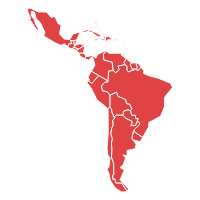
Latin America
Europe
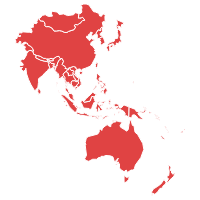
Asia Pacific
Middle East
North America
|
Report Benchmarks |
Details |
|
Report Study Period |
2026-2032 |
|
Market Size in 2025 |
US$ 602.7 million |
|
Market Size in 2032 |
US$ 1,683.0 million |
|
Market CAGR |
15.8% |
|
By Product |
|
|
By Application |
|
|
By End User |
|
|
By Region |
|
PBI Analysts anticipate that the market is witnessing steady growth as it emerges as a viable alternative to conventional biomanufacturing for producing high-value biological products. The market is supported by increasing demand for vaccines, therapeutic proteins, and monoclonal antibodies, along with the need for cost-effective and scalable production platforms. Advancements in plant biotechnology and genetic engineering are improving yield, speed, and product consistency, enhancing commercial viability. Growing interest from pharmaceutical and biotechnology companies, coupled with rising applications in human therapeutics and vaccine development, is further strengthening market adoption and positioning molecular farming as a strategically important segment within the global biotechnology landscape.
Download Free Sample Report

The molecular farming market size was valued at US$ 520.5 million in 2024 and is projected to grow at a significant CAGR of 15.8% from 2025-2031.
Molecular farming is a biotechnology approach that uses genetically engineered plants or plant cells to produce high-value biological molecules such as vaccines, antibodies, enzymes, and therapeutic proteins.
Molecular farming offers lower production costs, faster scalability, reduced risk of human pathogen contamination, and greater flexibility compared to conventional mammalian or microbial cell-based manufacturing systems.
Molecular farming products are mainly used in pharmaceuticals and biotechnology for human therapeutics and vaccines, as well as in veterinary medicine, industrial biotechnology, and research applications.
Content Updated Date: Jul 2026
| 1.Executive Summary |
| 2.Global Molecular Farming Market Introduction |
| 2.1.Global Molecular Farming Market - Taxonomy |
| 2.2.Global Molecular Farming Market - Definitions |
| 2.2.1.Product |
| 2.2.2.Application |
| 2.2.3.End User |
| 2.2.4.Region |
| 3.Global Molecular Farming Market Dynamics |
| 3.1. Drivers |
| 3.2. Restraints |
| 3.3. Opportunities/Unmet Needs of the Market |
| 3.4. Trends |
| 3.5. Product Landscape |
| 3.6. New Product Launches |
| 3.7. Impact of COVID 19 on Market |
| 4.Global Molecular Farming Market Analysis, 2020 - 2024 and Forecast 2025 - 2031 |
| 4.1. Market Analysis, 2020 - 2024 and Forecast, 2025 - 2031, (Sales Value USD Million) |
| 4.2. Year-Over-Year (Y-o-Y) Growth Analysis (%) |
| 4.3. Market Opportunity Analysis |
| 5.Global Molecular Farming Market By Product, 2020 - 2024 and Forecast 2025 - 2031 (Sales Value USD Million) |
| 5.1. Vaccines |
| 5.1.1. Market Analysis, 2020 - 2024 and Forecast, 2025 - 2031, (Sales Value USD Million) |
| 5.1.2. Year-Over-Year (Y-o-Y) Growth Analysis (%) and Market Share Analysis (%) |
| 5.1.3. Market Opportunity Analysis |
| 5.2. Monoclonal Antibodies |
| 5.2.1. Market Analysis, 2020 - 2024 and Forecast, 2025 - 2031, (Sales Value USD Million) |
| 5.2.2. Year-Over-Year (Y-o-Y) Growth Analysis (%) and Market Share Analysis (%) |
| 5.2.3. Market Opportunity Analysis |
| 5.3. Therapeutic Proteins |
| 5.3.1. Market Analysis, 2020 - 2024 and Forecast, 2025 - 2031, (Sales Value USD Million) |
| 5.3.2. Year-Over-Year (Y-o-Y) Growth Analysis (%) and Market Share Analysis (%) |
| 5.3.3. Market Opportunity Analysis |
| 5.4. Enzymes |
| 5.4.1. Market Analysis, 2020 - 2024 and Forecast, 2025 - 2031, (Sales Value USD Million) |
| 5.4.2. Year-Over-Year (Y-o-Y) Growth Analysis (%) and Market Share Analysis (%) |
| 5.4.3. Market Opportunity Analysis |
| 5.5. Others |
| 5.5.1. Market Analysis, 2020 - 2024 and Forecast, 2025 - 2031, (Sales Value USD Million) |
| 5.5.2. Year-Over-Year (Y-o-Y) Growth Analysis (%) and Market Share Analysis (%) |
| 5.5.3. Market Opportunity Analysis |
| 6.Global Molecular Farming Market By Application, 2020 - 2024 and Forecast 2025 - 2031 (Sales Value USD Million) |
| 6.1. Human Therapeutics |
| 6.1.1. Market Analysis, 2020 - 2024 and Forecast, 2025 - 2031, (Sales Value USD Million) |
| 6.1.2. Year-Over-Year (Y-o-Y) Growth Analysis (%) and Market Share Analysis (%) |
| 6.1.3. Market Opportunity Analysis |
| 6.2. Veterinary Therapeutics |
| 6.2.1. Market Analysis, 2020 - 2024 and Forecast, 2025 - 2031, (Sales Value USD Million) |
| 6.2.2. Year-Over-Year (Y-o-Y) Growth Analysis (%) and Market Share Analysis (%) |
| 6.2.3. Market Opportunity Analysis |
| 6.3. Industrial Biotechnology |
| 6.3.1. Market Analysis, 2020 - 2024 and Forecast, 2025 - 2031, (Sales Value USD Million) |
| 6.3.2. Year-Over-Year (Y-o-Y) Growth Analysis (%) and Market Share Analysis (%) |
| 6.3.3. Market Opportunity Analysis |
| 6.4. Research Applications |
| 6.4.1. Market Analysis, 2020 - 2024 and Forecast, 2025 - 2031, (Sales Value USD Million) |
| 6.4.2. Year-Over-Year (Y-o-Y) Growth Analysis (%) and Market Share Analysis (%) |
| 6.4.3. Market Opportunity Analysis |
| 6.5. Others |
| 6.5.1. Market Analysis, 2020 - 2024 and Forecast, 2025 - 2031, (Sales Value USD Million) |
| 6.5.2. Year-Over-Year (Y-o-Y) Growth Analysis (%) and Market Share Analysis (%) |
| 6.5.3. Market Opportunity Analysis |
| 7.Global Molecular Farming Market By End User, 2020 - 2024 and Forecast 2025 - 2031 (Sales Value USD Million) |
| 7.1. Pharmaceutical Companies |
| 7.1.1. Market Analysis, 2020 - 2024 and Forecast, 2025 - 2031, (Sales Value USD Million) |
| 7.1.2. Year-Over-Year (Y-o-Y) Growth Analysis (%) and Market Share Analysis (%) |
| 7.1.3. Market Opportunity Analysis |
| 7.2. Biotechnology Companies |
| 7.2.1. Market Analysis, 2020 - 2024 and Forecast, 2025 - 2031, (Sales Value USD Million) |
| 7.2.2. Year-Over-Year (Y-o-Y) Growth Analysis (%) and Market Share Analysis (%) |
| 7.2.3. Market Opportunity Analysis |
| 7.3. Academic & Research Institutes |
| 7.3.1. Market Analysis, 2020 - 2024 and Forecast, 2025 - 2031, (Sales Value USD Million) |
| 7.3.2. Year-Over-Year (Y-o-Y) Growth Analysis (%) and Market Share Analysis (%) |
| 7.3.3. Market Opportunity Analysis |
| 7.4. Others |
| 7.4.1. Market Analysis, 2020 - 2024 and Forecast, 2025 - 2031, (Sales Value USD Million) |
| 7.4.2. Year-Over-Year (Y-o-Y) Growth Analysis (%) and Market Share Analysis (%) |
| 7.4.3. Market Opportunity Analysis |
| 8.Global Molecular Farming Market By Region, 2020 - 2024 and Forecast 2025 - 2031 (Sales Value USD Million) |
| 8.1. North America |
| 8.1.1. Market Analysis, 2020 - 2024 and Forecast, 2025 - 2031, (Sales Value USD Million) |
| 8.1.2. Year-Over-Year (Y-o-Y) Growth Analysis (%) and Market Share Analysis (%) |
| 8.1.3. Market Opportunity Analysis |
| 8.2. Europe |
| 8.2.1. Market Analysis, 2020 - 2024 and Forecast, 2025 - 2031, (Sales Value USD Million) |
| 8.2.2. Year-Over-Year (Y-o-Y) Growth Analysis (%) and Market Share Analysis (%) |
| 8.2.3. Market Opportunity Analysis |
| 8.3. Asia Pacific (APAC) |
| 8.3.1. Market Analysis, 2020 - 2024 and Forecast, 2025 - 2031, (Sales Value USD Million) |
| 8.3.2. Year-Over-Year (Y-o-Y) Growth Analysis (%) and Market Share Analysis (%) |
| 8.3.3. Market Opportunity Analysis |
| 8.4. Middle East and Africa (MEA) |
| 8.4.1. Market Analysis, 2020 - 2024 and Forecast, 2025 - 2031, (Sales Value USD Million) |
| 8.4.2. Year-Over-Year (Y-o-Y) Growth Analysis (%) and Market Share Analysis (%) |
| 8.4.3. Market Opportunity Analysis |
| 8.5. Latin America |
| 8.5.1. Market Analysis, 2020 - 2024 and Forecast, 2025 - 2031, (Sales Value USD Million) |
| 8.5.2. Year-Over-Year (Y-o-Y) Growth Analysis (%) and Market Share Analysis (%) |
| 8.5.3. Market Opportunity Analysis |
| 9.North America Molecular Farming Market ,2020 - 2024 and Forecast 2025 - 2031 (Sales Value USD Million) |
| 9.1. Product Analysis 2020 - 2024 and Forecast 2025 - 2031 by Sales Value USD Million, Y-o-Y Growth (%), and Market Share (%) |
| 9.1.1.Vaccines |
| 9.1.2.Monoclonal Antibodies |
| 9.1.3.Therapeutic Proteins |
| 9.1.4.Enzymes |
| 9.1.5.Others |
| 9.2. Application Analysis 2020 - 2024 and Forecast 2025 - 2031 by Sales Value USD Million, Y-o-Y Growth (%), and Market Share (%) |
| 9.2.1.Human Therapeutics |
| 9.2.2.Veterinary Therapeutics |
| 9.2.3.Industrial Biotechnology |
| 9.2.4.Research Applications |
| 9.2.5.Others |
| 9.3. End User Analysis 2020 - 2024 and Forecast 2025 - 2031 by Sales Value USD Million, Y-o-Y Growth (%), and Market Share (%) |
| 9.3.1.Pharmaceutical Companies |
| 9.3.2.Biotechnology Companies |
| 9.3.3.Academic & Research Institutes |
| 9.3.4.Others |
| 9.4. Country Analysis 2020 - 2024 and Forecast 2025 - 2031 by Sales Value USD Million, Y-o-Y Growth (%), and Market Share (%) |
| 9.4.1.United States of America (USA) |
| 9.4.2.Canada |
| 10.Europe Molecular Farming Market ,2020 - 2024 and Forecast 2025 - 2031 (Sales Value USD Million) |
| 10.1. Product Analysis and Forecast by Sales Value USD Million, Y-o-Y Growth (%), and Market Share (%) |
| 10.1.1.Vaccines |
| 10.1.2.Monoclonal Antibodies |
| 10.1.3.Therapeutic Proteins |
| 10.1.4.Enzymes |
| 10.1.5.Others |
| 10.2. Application Analysis 2020 - 2024 and Forecast 2025 - 2031 by Sales Value USD Million, Y-o-Y Growth (%), and Market Share (%) |
| 10.2.1.Human Therapeutics |
| 10.2.2.Veterinary Therapeutics |
| 10.2.3.Industrial Biotechnology |
| 10.2.4.Research Applications |
| 10.2.5.Others |
| 10.3. End User Analysis 2020 - 2024 and Forecast 2025 - 2031 by Sales Value USD Million, Y-o-Y Growth (%), and Market Share (%) |
| 10.3.1.Pharmaceutical Companies |
| 10.3.2.Biotechnology Companies |
| 10.3.3.Academic & Research Institutes |
| 10.3.4.Others |
| 10.4. Country Analysis 2020 - 2024 and Forecast 2025 - 2031 by Sales Value USD Million, Y-o-Y Growth (%), and Market Share (%) |
| 10.4.1.Germany |
| 10.4.2.France |
| 10.4.3.Italy |
| 10.4.4.United Kingdom (UK) |
| 10.4.5.Spain |
| 11.Asia Pacific (APAC) Molecular Farming Market ,2020 - 2024 and Forecast 2025 - 2031 (Sales Value USD Million) |
| 11.1. Product Analysis and Forecast by Sales Value USD Million, Y-o-Y Growth (%), and Market Share (%) |
| 11.1.1.Vaccines |
| 11.1.2.Monoclonal Antibodies |
| 11.1.3.Therapeutic Proteins |
| 11.1.4.Enzymes |
| 11.1.5.Others |
| 11.2. Application Analysis 2020 - 2024 and Forecast 2025 - 2031 by Sales Value USD Million, Y-o-Y Growth (%), and Market Share (%) |
| 11.2.1.Human Therapeutics |
| 11.2.2.Veterinary Therapeutics |
| 11.2.3.Industrial Biotechnology |
| 11.2.4.Research Applications |
| 11.2.5.Others |
| 11.3. End User Analysis 2020 - 2024 and Forecast 2025 - 2031 by Sales Value USD Million, Y-o-Y Growth (%), and Market Share (%) |
| 11.3.1.Pharmaceutical Companies |
| 11.3.2.Biotechnology Companies |
| 11.3.3.Academic & Research Institutes |
| 11.3.4.Others |
| 11.4. Country Analysis 2020 - 2024 and Forecast 2025 - 2031 by Sales Value USD Million, Y-o-Y Growth (%), and Market Share (%) |
| 11.4.1.China |
| 11.4.2.India |
| 11.4.3.Australia and New Zealand (ANZ) |
| 11.4.4.Japan |
| 11.4.5.Rest of APAC |
| 12.Middle East and Africa (MEA) Molecular Farming Market ,2020 - 2024 and Forecast 2025 - 2031 (Sales Value USD Million) |
| 12.1. Product Analysis and Forecast by Sales Value USD Million, Y-o-Y Growth (%), and Market Share (%) |
| 12.1.1.Vaccines |
| 12.1.2.Monoclonal Antibodies |
| 12.1.3.Therapeutic Proteins |
| 12.1.4.Enzymes |
| 12.1.5.Others |
| 12.2. Application Analysis 2020 - 2024 and Forecast 2025 - 2031 by Sales Value USD Million, Y-o-Y Growth (%), and Market Share (%) |
| 12.2.1.Human Therapeutics |
| 12.2.2.Veterinary Therapeutics |
| 12.2.3.Industrial Biotechnology |
| 12.2.4.Research Applications |
| 12.2.5.Others |
| 12.3. End User Analysis 2020 - 2024 and Forecast 2025 - 2031 by Sales Value USD Million, Y-o-Y Growth (%), and Market Share (%) |
| 12.3.1.Pharmaceutical Companies |
| 12.3.2.Biotechnology Companies |
| 12.3.3.Academic & Research Institutes |
| 12.3.4.Others |
| 12.4. Country Analysis 2020 - 2024 and Forecast 2025 - 2031 by Sales Value USD Million, Y-o-Y Growth (%), and Market Share (%) |
| 12.4.1.GCC Countries |
| 12.4.2.South Africa |
| 12.4.3.Rest of MEA |
| 13.Latin America Molecular Farming Market ,2020 - 2024 and Forecast 2025 - 2031 (Sales Value USD Million) |
| 13.1. Product Analysis and Forecast by Sales Value USD Million, Y-o-Y Growth (%), and Market Share (%) |
| 13.1.1.Vaccines |
| 13.1.2.Monoclonal Antibodies |
| 13.1.3.Therapeutic Proteins |
| 13.1.4.Enzymes |
| 13.1.5.Others |
| 13.2. Application Analysis 2020 - 2024 and Forecast 2025 - 2031 by Sales Value USD Million, Y-o-Y Growth (%), and Market Share (%) |
| 13.2.1.Human Therapeutics |
| 13.2.2.Veterinary Therapeutics |
| 13.2.3.Industrial Biotechnology |
| 13.2.4.Research Applications |
| 13.2.5.Others |
| 13.3. End User Analysis 2020 - 2024 and Forecast 2025 - 2031 by Sales Value USD Million, Y-o-Y Growth (%), and Market Share (%) |
| 13.3.1.Pharmaceutical Companies |
| 13.3.2.Biotechnology Companies |
| 13.3.3.Academic & Research Institutes |
| 13.3.4.Others |
| 13.4. Country Analysis 2020 - 2024 and Forecast 2025 - 2031 by Sales Value USD Million, Y-o-Y Growth (%), and Market Share (%) |
| 13.4.1.Brazil |
| 13.4.2.Mexico |
| 13.4.3.Rest of LA |
| 14. Competition Landscape |
| 14.1. Market Player Profiles (Introduction, Brand/Product Sales, Financial Analysis, Product Offerings, Key Developments, Collaborations, M & A, Strategies, and SWOT Analysis) |
| 14.2.1.Medicago |
| 14.2.2.Kentucky BioProcessing |
| 14.2.3.Protalix BioTherapeutics |
| 14.2.4.Greenovation Biotech |
| 14.2.5.iBio |
| 14.2.6.Icon Genetics |
| 14.2.7.Planet Biotechnology |
| 14.2.8.Agrenvec |
| 14.2.9.Dow AgroSciences |
| 14.2.10.Fraunhofer IME |
| 15. Research Methodology |
| 16. Appendix and Abbreviations |
Key Market Players
Author
Manoj Kumar is a postgraduate in Life Sciences with over seven years of dedicated experience in the fields of animal health and agriculture. His passion lies in unraveling the complexities of these domains through rigorous research and practical insights. Manoj Kumar’s journey has been marked by several key achievements: as a market analyst and competitive intelligence expert, he dissects data to provide actionable insights for global clients. Simultaneously, he champions animal healthcare, diagnosing ailments, and designing preventive care strategies. In the realm of agriculture, his focus on sustainable practices, emphasizing crop nutrition, soil health, and precision agriculture. His holistic approach and commitment to advancing science make him a respected figure in the ever-evolving landscape of life sciences.