
 Download Sample




Author
Prem Kumar with profound experience and sound knowledge across a wide range of market forecasting methods, demand f.....
Isocyanates Market: By Type, Toluene Diisocyanate, Hexamethylene Diisocyanate, Others), By Application, Coatings, Adhesives & Sealants, Elastomers, Others), By End User and By Region Forecast 2021-2032
Report ID:398879
Published Date:Nov 2025
No of Pages: 235
Format:

Isocyanates Market was valued at US$ 35,948.8 million in 2025 and is expected to reach US$ 54,771.7 million by 2032, growing at a significant CAGR of 6.2% from 2026-2032. Moreover, the U.S. market is projected to grow at 6.0% over the forecast period. The Isocyanates Market refers to the global industry centered around the production, distribution, and utilization of isocyanate compounds highly reactive organic chemicals containing the isocyanate group (-NCO). These compounds are primarily used in the manufacture of polyurethane products such as foams, coatings, adhesives, sealants, and elastomers. The market mainly includes key types such as methylene diphenyl diisocyanate (MDI), toluene diisocyanate (TDI), and aliphatic isocyanates, which are essential intermediates for producing durable and flexible materials across various industrial sectors.
The Isocyanates Market has witnessed steady growth, driven by rising demand for polyurethane-based products across construction, automotive, furniture, and electronics industries. The expanding infrastructure sector, particularly in emerging economies, has fueled the consumption of rigid polyurethane foams used for insulation and energy-efficient building applications. Similarly, the automotive industry’s focus on lightweight materials for improved fuel efficiency has enhanced the use of flexible foams and coatings derived from isocyanates. However, environmental and health concerns related to isocyanate exposure have prompted regulatory scrutiny and the development of safer, bio-based alternatives. Continuous innovation in sustainable production methods and advancements in application technologies is expected to further shape the market’s evolution in the coming years.
Based on the type
Methylene Diphenyl Diisocyanate (MDI) is anticipated to lead the isocyanates market, primarily driven by its extensive use in the production of rigid polyurethane foams. These foams are widely utilized in insulation applications for buildings, appliances, and industrial equipment due to their superior thermal efficiency and mechanical strength. The growing focus on energy-efficient construction and sustainable building materials has significantly boosted MDI demand. Additionally, its versatility in coatings, adhesives, and automotive components further enhances its market position. Continuous industrialization and infrastructure growth, especially in emerging economies, are expected to sustain MDI’s dominance as the leading segment in the global market.
Based on the application
Foams, particularly rigid and flexible variants, are anticipated to dominate the isocyanates market owing to their extensive use across multiple industries. Rigid foams are highly preferred in construction and refrigeration applications for their superior insulation properties and energy efficiency, while flexible foams find wide usage in furniture, automotive seating, and bedding. The rising demand for lightweight and durable materials in automotive manufacturing and the growing emphasis on sustainable, energy-saving building solutions are key drivers behind this segment’s growth. As global infrastructure development accelerates, the foam application segment is expected to maintain its leadership in the isocyanates market.
Based on the end user
The construction sector is anticipated to lead the isocyanates market among all end users, primarily due to the extensive use of polyurethane foams for insulation, roofing, flooring, and sealants. The growing emphasis on energy-efficient and sustainable building designs has significantly increased the adoption of isocyanate-based materials, especially rigid polyurethane foams known for their excellent thermal insulation and durability. Rapid urbanization, infrastructure expansion, and government initiatives promoting green construction are further driving this demand. Additionally, the versatility of isocyanates in producing coatings and adhesives enhances their relevance in modern construction practices, solidifying the sector’s dominant position in the global market.
Study Period
2026-2032Base Year
2025CAGR
6.2%Largest Market
Asia-PacificFastest Growing Market
Middle East & Africa
Surge in demand for polyurethane products in the construction sector is expected to drive the global Isocyanates market. Polyurethane foams derived from isocyanates are widely used for thermal insulation, roofing, and flooring applications due to their excellent durability and energy efficiency properties. As governments and private developers focus on green and energy-efficient building practices, the adoption of these materials has surged. For instance, rigid polyurethane foams reduce energy consumption in buildings, helping meet sustainability targets. Additionally, rapid urbanization and infrastructure development in emerging economies such as India, China, and Brazil have further amplified demand. The versatility of isocyanates in producing flexible, durable, and lightweight materials for insulation, adhesives, and coatings makes them indispensable in modern construction projects. This ongoing trend is expected to continue driving market growth, as the global emphasis on energy efficiency and sustainable construction practices intensifies over the forecast period.
A significant restraining factor for the Isocyanates Market is the stringent regulatory framework related to health and environmental safety. Isocyanates are recognized as hazardous chemicals due to their potential to cause respiratory sensitization, skin irritation, and other occupational health risks upon prolonged exposure. Regulatory agencies in North America, Europe, and parts of Asia have imposed strict guidelines for handling, storage, and disposal of isocyanates, which can increase operational costs for manufacturers. Moreover, compliance with environmental standards, such as limits on volatile organic compound (VOC) emissions during polyurethane production, poses technical challenges. Small- and medium-sized enterprises often face difficulties implementing these safety protocols, which can limit their market participation. These regulatory pressures, combined with growing public awareness of chemical hazards, may slow market expansion, particularly in regions with stringent health and safety policies, thus acting as a key market restraint.
The growing focus on sustainable and bio-based alternatives presents a significant opportunity in the Isocyanates Market. Traditional isocyanates are derived from petrochemical sources, prompting interest in eco-friendly substitutes to meet rising environmental concerns. Bio-based isocyanates, produced from renewable feedstocks such as plant oils, offer similar performance properties while reducing carbon footprint and environmental hazards. Industries like automotive, construction, and consumer goods are increasingly adopting these alternatives to align with sustainability goals and corporate social responsibility initiatives. Additionally, governments across Europe and North America are incentivizing the development of green chemicals, creating opportunities for innovative startups and established players to introduce environmentally safe products. By investing in research and development of bio-based and low-emission isocyanates, manufacturers can capture new market segments and cater to a growing demand for sustainable materials, which is expected to gain momentum over the coming decade.
A prominent trend in the Isocyanates Market is the rising use of advanced coatings and adhesives in various industrial applications. Isocyanates are key components in polyurethane coatings, offering high chemical resistance, durability, and aesthetic appeal for automotive, electronics, and industrial machinery sectors. Innovations in waterborne and low-VOC polyurethane coatings are gaining traction as industries strive to reduce environmental impact while maintaining product performance. For example, automotive manufacturers increasingly use isocyanate-based coatings for corrosion protection and lightweight composite parts, improving vehicle longevity and fuel efficiency. Additionally, the trend of digitization and automation in production facilities has enabled precise formulation and application of isocyanate-based products, enhanced efficiency and reducing waste. This shift toward technologically advanced, eco-friendly applications is reshaping market dynamics, positioning isocyanates as an essential material in high-performance industrial coatings and adhesives worldwide.
Largest Share of the Region: Asia Pacific is expected to remain the largest and fastest?growing region in the isocyanates market over the coming years. Key countries like China and India are driving the demand through rapid urbanization, infrastructure expansion, rising middle?class income, and growing automotive, construction, electronics, and furniture sectors. The increasing need for energy-efficient buildings has fueled the demand for rigid polyurethane foams for thermal insulation, while the automotive sector is leveraging lightweight isocyanate-based materials to enhance fuel efficiency. Favourable government policies for infrastructure development, rising investments in construction projects, and the expanding production of polyurethane products in downstream industries. Trend-wise, there is a movement toward low-VOC and more sustainable isocyanates in coatings and adhesives, as manufacturers aim to meet both environmental regulations and consumer preferences, positioning Asia-Pacific as a dominant market globally.
Fastest Growing/ Emerging Region: Middle East & Africa is an emerging region for the isocyanates market with strong growth potential in specialized applications such as coatings, insulation, adhesives, and green isocyanate products. Rapid infrastructure development, including the construction of smart cities, industrial complexes, and large-scale residential projects, is driving the demand for polyurethane-based materials. Regulatory focus on environmentally friendly and low-emission products is also pushing the adoption of sustainable isocyanates. Additionally, the region’s harsh climatic conditions are encouraging the use of high-performance coatings and adhesives that offer durability and chemical resistance. The trend toward phosgene-free and bio-based isocyanates aligns with environmental and safety initiatives, making MEA a promising market for innovation and expansion in the isocyanates industry.
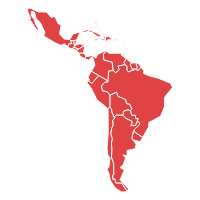
Latin America
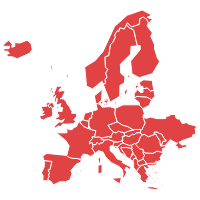
Europe
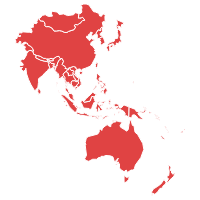
Asia Pacific
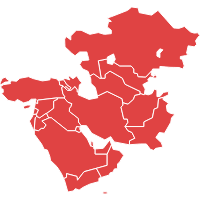
Middle East
North America
|
Report Benchmarks |
Details |
|
Report Study Period |
2026-2032 |
|
Market Size in 2025 |
US$ 35,948.8 million |
|
Market Size in 2032 |
US$ 54,771.7 million |
|
Market CAGR |
6.2% |
|
By Type |
|
|
By Application |
|
|
By End User |
|
|
By Region |
|
PBI Analysts anticipate that the global isocyanates market is witnessing steady growth, driven by rising demand for polyurethane-based products across construction, automotive, furniture, and electronics industries. Methylene diphenyl diisocyanate (MDI) and toluene diisocyanate (TDI) dominate the market due to their versatility in producing foams, coatings, adhesives, and elastomers. The construction sector leads in end-user demand, fueled by the need for energy-efficient insulation materials and sustainable building solutions. Asia-Pacific is the largest and fastest-growing region, supported by rapid urbanization and infrastructure development. Trends toward low-VOC and bio-based isocyanates, along with environmental regulations, are shaping innovation and future market dynamics globally.
Download Free Sample Report

The isocyanates market was valued at US$ 35,948.8 million in 2025 and is expected to reach US$ 54,771.7 million by 2032, growing at a significant CAGR of 6.2% from 2026-2032.
Isocyanates are highly reactive organic chemicals containing the –NCO group, primarily used in the production of polyurethane products such as foams, coatings, adhesives, sealants, and elastomers. They are widely applied across construction, automotive, furniture, electronics, and industrial sectors.
Methylene Diphenyl Diisocyanate (MDI) is the leading type in the market, largely due to its extensive use in rigid polyurethane foams for insulation and energy-efficient applications in construction, appliances, and industrial equipment.
Asia-Pacific is the largest and fastest-growing market, driven by rapid urbanization, infrastructure development, and rising demand in automotive, construction, and industrial applications.
Content Updated Date: Apr 2026
| 1. Executive Summary |
| 2. Global Isocyanate Market Introduction |
| 2.1.Global Isocyanate Market - Taxonomy |
| 2.2.Global Isocyanate Market - Definitions |
| 2.2.1.Type |
| 2.2.2.Application |
| 2.2.3. End User |
| 2.2.4.Region |
| 3. Global Isocyanate Market Dynamics |
| 3.1. Drivers |
| 3.2. Restraints |
| 3.3. Opportunities/Unmet Needs of the Market |
| 3.4. Trends |
| 3.5. Product Landscape |
| 3.6. New Product Launches |
| 3.7. Impact of COVID 19 on Market |
| 4. Global Isocyanate Market Analysis, 2021 - 2025 and Forecast 2026 - 2032 |
| 4.1. Market Analysis, 2021 - 2025 and Forecast 2026 - 2032, (Sales Value USD Million) |
| 4.2. Year-Over-Year (Y-o-Y) Growth Analysis (%) |
| 4.3. Market Opportunity Analysis |
| 5. Global Isocyanate Market By Type , 2021 - 2025 and Forecast 2026 - 2032 (Sales Value USD Million) |
| 5.1. Methylene Diphenyl Diisocyanate (MDI) |
| 5.1.1. Market Analysis, 2021 - 2025 and Forecast 2026 - 2032, (Sales Value USD Million) |
| 5.1.2. Year-Over-Year (Y-o-Y) Growth Analysis (%) and Market Share Analysis (%) |
| 5.1.3. Market Opportunity Analysis |
| 5.2. Toluene Diisocyanate (TDI) |
| 5.2.1. Market Analysis, 2021 - 2025 and Forecast 2026 - 2032, (Sales Value USD Million) |
| 5.2.2. Year-Over-Year (Y-o-Y) Growth Analysis (%) and Market Share Analysis (%) |
| 5.2.3. Market Opportunity Analysis |
| 5.3. Hexamethylene Diisocyanate (HDI) |
| 5.3.1. Market Analysis, 2021 - 2025 and Forecast 2026 - 2032, (Sales Value USD Million) |
| 5.3.2. Year-Over-Year (Y-o-Y) Growth Analysis (%) and Market Share Analysis (%) |
| 5.3.3. Market Opportunity Analysis |
| 5.4. Others |
| 5.4.1. Market Analysis, 2021 - 2025 and Forecast 2026 - 2032, (Sales Value USD Million) |
| 5.4.2. Year-Over-Year (Y-o-Y) Growth Analysis (%) and Market Share Analysis (%) |
| 5.4.3. Market Opportunity Analysis |
| 6. Global Isocyanate Market By Application, 2021 - 2025 and Forecast 2026 - 2032 (Sales Value USD Million) |
| 6.1. Foams (Rigid and Flexible) |
| 6.1.1. Market Analysis, 2021 - 2025 and Forecast 2026 - 2032, (Sales Value USD Million) |
| 6.1.2. Year-Over-Year (Y-o-Y) Growth Analysis (%) and Market Share Analysis (%) |
| 6.1.3. Market Opportunity Analysis |
| 6.2. Coatings |
| 6.2.1. Market Analysis, 2021 - 2025 and Forecast 2026 - 2032, (Sales Value USD Million) |
| 6.2.2. Year-Over-Year (Y-o-Y) Growth Analysis (%) and Market Share Analysis (%) |
| 6.2.3. Market Opportunity Analysis |
| 6.3. Adhesives & Sealants |
| 6.3.1. Market Analysis, 2021 - 2025 and Forecast 2026 - 2032, (Sales Value USD Million) |
| 6.3.2. Year-Over-Year (Y-o-Y) Growth Analysis (%) and Market Share Analysis (%) |
| 6.3.3. Market Opportunity Analysis |
| 6.4. Elastomers |
| 6.4.1. Market Analysis, 2021 - 2025 and Forecast 2026 - 2032, (Sales Value USD Million) |
| 6.4.2. Year-Over-Year (Y-o-Y) Growth Analysis (%) and Market Share Analysis (%) |
| 6.4.3. Market Opportunity Analysis |
| 6.5. Others |
| 6.5.1. Market Analysis, 2021 - 2025 and Forecast 2026 - 2032, (Sales Value USD Million) |
| 6.5.2. Year-Over-Year (Y-o-Y) Growth Analysis (%) and Market Share Analysis (%) |
| 6.5.3. Market Opportunity Analysis |
| 7. Global Isocyanate Market By End User, 2021 - 2025 and Forecast 2026 - 2032 (Sales Value USD Million) |
| 7.1. Construction |
| 7.1.1. Market Analysis, 2021 - 2025 and Forecast 2026 - 2032, (Sales Value USD Million) |
| 7.1.2. Year-Over-Year (Y-o-Y) Growth Analysis (%) and Market Share Analysis (%) |
| 7.1.3. Market Opportunity Analysis |
| 7.2. Automotive & Transportation |
| 7.2.1. Market Analysis, 2021 - 2025 and Forecast 2026 - 2032, (Sales Value USD Million) |
| 7.2.2. Year-Over-Year (Y-o-Y) Growth Analysis (%) and Market Share Analysis (%) |
| 7.2.3. Market Opportunity Analysis |
| 7.3. Furniture & Bedding |
| 7.3.1. Market Analysis, 2021 - 2025 and Forecast 2026 - 2032, (Sales Value USD Million) |
| 7.3.2. Year-Over-Year (Y-o-Y) Growth Analysis (%) and Market Share Analysis (%) |
| 7.3.3. Market Opportunity Analysis |
| 7.4. Electronics |
| 7.4.1. Market Analysis, 2021 - 2025 and Forecast 2026 - 2032, (Sales Value USD Million) |
| 7.4.2. Year-Over-Year (Y-o-Y) Growth Analysis (%) and Market Share Analysis (%) |
| 7.4.3. Market Opportunity Analysis |
| 7.5. Industrial |
| 7.5.1. Market Analysis, 2021 - 2025 and Forecast 2026 - 2032, (Sales Value USD Million) |
| 7.5.2. Year-Over-Year (Y-o-Y) Growth Analysis (%) and Market Share Analysis (%) |
| 7.5.3. Market Opportunity Analysis |
| 7.6. Others |
| 7.6.1. Market Analysis, 2021 - 2025 and Forecast 2026 - 2032, (Sales Value USD Million) |
| 7.6.2. Year-Over-Year (Y-o-Y) Growth Analysis (%) and Market Share Analysis (%) |
| 7.6.3. Market Opportunity Analysis |
| 8. Global Isocyanate Market By Region, 2021 - 2025 and Forecast 2026 - 2032 (Sales Value USD Million) |
| 8.1. North America |
| 8.1.1. Market Analysis, 2021 - 2025 and Forecast 2026 - 2032, (Sales Value USD Million) |
| 8.1.2. Year-Over-Year (Y-o-Y) Growth Analysis (%) and Market Share Analysis (%) |
| 8.1.3. Market Opportunity Analysis |
| 8.2. Europe |
| 8.2.1. Market Analysis, 2021 - 2025 and Forecast 2026 - 2032, (Sales Value USD Million) |
| 8.2.2. Year-Over-Year (Y-o-Y) Growth Analysis (%) and Market Share Analysis (%) |
| 8.2.3. Market Opportunity Analysis |
| 8.3. Asia Pacific (APAC) |
| 8.3.1. Market Analysis, 2021 - 2025 and Forecast 2026 - 2032, (Sales Value USD Million) |
| 8.3.2. Year-Over-Year (Y-o-Y) Growth Analysis (%) and Market Share Analysis (%) |
| 8.3.3. Market Opportunity Analysis |
| 8.4. Middle East and Africa (MEA) |
| 8.4.1. Market Analysis, 2021 - 2025 and Forecast 2026 - 2032, (Sales Value USD Million) |
| 8.4.2. Year-Over-Year (Y-o-Y) Growth Analysis (%) and Market Share Analysis (%) |
| 8.4.3. Market Opportunity Analysis |
| 8.5. Latin America |
| 8.5.1. Market Analysis, 2021 - 2025 and Forecast 2026 - 2032, (Sales Value USD Million) |
| 8.5.2. Year-Over-Year (Y-o-Y) Growth Analysis (%) and Market Share Analysis (%) |
| 8.5.3. Market Opportunity Analysis |
| 9. North America Isocyanate Market ,2021 - 2025 and Forecast 2026 - 2032 (Sales Value USD Million) |
| 9.1. Type Analysis 2021 - 2025 and Forecast 2026 - 2032 by Sales Value USD Million, Y-o-Y Growth (%), and Market Share (%) |
| 9.1.1.Methylene Diphenyl Diisocyanate (MDI) |
| 9.1.2.Toluene Diisocyanate (TDI) |
| 9.1.3.Hexamethylene Diisocyanate (HDI) |
| 9.1.4.Others |
| 9.2. Application Analysis 2021 - 2025 and Forecast 2026 - 2032 by Sales Value USD Million, Y-o-Y Growth (%), and Market Share (%) |
| 9.2.1.Foams (Rigid and Flexible) |
| 9.2.2.Coatings |
| 9.2.3.Adhesives & Sealants |
| 9.2.4.Elastomers |
| 9.2.5.Others |
| 9.3. End User Analysis 2021 - 2025 and Forecast 2026 - 2032 by Sales Value USD Million, Y-o-Y Growth (%), and Market Share (%) |
| 9.3.1.Construction |
| 9.3.2.Automotive & Transportation |
| 9.3.3.Furniture & Bedding |
| 9.3.4.Electronics |
| 9.3.5.Industrial |
| 9.3.6.Others |
| 9.4. Country Analysis 2021 - 2025 and Forecast 2026 - 2032 by Sales Value USD Million, Y-o-Y Growth (%), and Market Share (%) |
| 9.4.1.United States of America (USA) |
| 9.4.2.Canada |
| 10. Europe Isocyanate Market ,2021 - 2025 and Forecast 2026 - 2032 (Sales Value USD Million) |
| 10.1. Type Analysis and Forecast by Sales Value USD Million, Y-o-Y Growth (%), and Market Share (%) |
| 10.1.1.Methylene Diphenyl Diisocyanate (MDI) |
| 10.1.2.Toluene Diisocyanate (TDI) |
| 10.1.3.Hexamethylene Diisocyanate (HDI) |
| 10.1.4.Others |
| 10.2. Application Analysis 2021 - 2025 and Forecast 2026 - 2032 by Sales Value USD Million, Y-o-Y Growth (%), and Market Share (%) |
| 10.2.1.Foams (Rigid and Flexible) |
| 10.2.2.Coatings |
| 10.2.3.Adhesives & Sealants |
| 10.2.4.Elastomers |
| 10.2.5.Others |
| 10.3. End User Analysis 2021 - 2025 and Forecast 2026 - 2032 by Sales Value USD Million, Y-o-Y Growth (%), and Market Share (%) |
| 10.3.1.Construction |
| 10.3.2.Automotive & Transportation |
| 10.3.3.Furniture & Bedding |
| 10.3.4.Electronics |
| 10.3.5.Industrial |
| 10.3.6.Others |
| 10.4. Country Analysis 2021 - 2025 and Forecast 2026 - 2032 by Sales Value USD Million, Y-o-Y Growth (%), and Market Share (%) |
| 10.4.1.Germany |
| 10.4.2.France |
| 10.4.3.Italy |
| 10.4.4.United Kingdom (UK) |
| 10.4.5.Spain |
| 11. Asia Pacific (APAC) Isocyanate Market ,2021 - 2025 and Forecast 2026 - 2032 (Sales Value USD Million) |
| 11.1. Type Analysis and Forecast by Sales Value USD Million, Y-o-Y Growth (%), and Market Share (%) |
| 11.1.1.Methylene Diphenyl Diisocyanate (MDI) |
| 11.1.2.Toluene Diisocyanate (TDI) |
| 11.1.3.Hexamethylene Diisocyanate (HDI) |
| 11.1.4.Others |
| 11.2. Application Analysis 2021 - 2025 and Forecast 2026 - 2032 by Sales Value USD Million, Y-o-Y Growth (%), and Market Share (%) |
| 11.2.1.Foams (Rigid and Flexible) |
| 11.2.2.Coatings |
| 11.2.3.Adhesives & Sealants |
| 11.2.4.Elastomers |
| 11.2.5.Others |
| 11.3. End User Analysis 2021 - 2025 and Forecast 2026 - 2032 by Sales Value USD Million, Y-o-Y Growth (%), and Market Share (%) |
| 11.3.1.Construction |
| 11.3.2.Automotive & Transportation |
| 11.3.3.Furniture & Bedding |
| 11.3.4.Electronics |
| 11.3.5.Industrial |
| 11.3.6.Others |
| 11.4. Country Analysis 2021 - 2025 and Forecast 2026 - 2032 by Sales Value USD Million, Y-o-Y Growth (%), and Market Share (%) |
| 11.4.1.China |
| 11.4.2.India |
| 11.4.3.Australia and New Zealand (ANZ) |
| 11.4.4.Japan |
| 11.4.5.Rest of APAC |
| 12 .Middle East and Africa (MEA) Isocyanate Market ,2021 - 2025 and Forecast 2026 - 2032 (Sales Value USD Million) |
| 12.1. Type Analysis and Forecast by Sales Value USD Million, Y-o-Y Growth (%), and Market Share (%) |
| 12.1.1.Methylene Diphenyl Diisocyanate (MDI) |
| 12.1.2.Toluene Diisocyanate (TDI) |
| 12.1.3.Hexamethylene Diisocyanate (HDI) |
| 12.1.4.Others |
| 12.2. Application Analysis 2021 - 2025 and Forecast 2026 - 2032 by Sales Value USD Million, Y-o-Y Growth (%), and Market Share (%) |
| 12.2.1.Foams (Rigid and Flexible) |
| 12.2.2.Coatings |
| 12.2.3.Adhesives & Sealants |
| 12.2.4.Elastomers |
| 12.2.5.Others |
| 12.3. End User Analysis 2021 - 2025 and Forecast 2026 - 2032 by Sales Value USD Million, Y-o-Y Growth (%), and Market Share (%) |
| 12.3.1.Construction |
| 12.3.2.Automotive & Transportation |
| 12.3.3.Furniture & Bedding |
| 12.3.4.Electronics |
| 12.3.5.Industrial |
| 12.3.6.Others |
| 12.4. Country Analysis 2021 - 2025 and Forecast 2026 - 2032 by Sales Value USD Million, Y-o-Y Growth (%), and Market Share (%) |
| 12.4.1.GCC Countries |
| 12.4.2.South Africa |
| 12.4.3.Rest of MEA |
| 13. Latin America Isocyanate Market ,2021 - 2025 and Forecast 2026 - 2032 (Sales Value USD Million) |
| 13.1. Type Analysis and Forecast by Sales Value USD Million, Y-o-Y Growth (%), and Market Share (%) |
| 13.1.1.Methylene Diphenyl Diisocyanate (MDI) |
| 13.1.2.Toluene Diisocyanate (TDI) |
| 13.1.3.Hexamethylene Diisocyanate (HDI) |
| 13.1.4.Others |
| 13.2. Application Analysis 2021 - 2025 and Forecast 2026 - 2032 by Sales Value USD Million, Y-o-Y Growth (%), and Market Share (%) |
| 13.2.1.Foams (Rigid and Flexible) |
| 13.2.2.Coatings |
| 13.2.3.Adhesives & Sealants |
| 13.2.4.Elastomers |
| 13.2.5.Others |
| 13.3. End User Analysis 2021 - 2025 and Forecast 2026 - 2032 by Sales Value USD Million, Y-o-Y Growth (%), and Market Share (%) |
| 13.3.1.Construction |
| 13.3.2.Automotive & Transportation |
| 13.3.3.Furniture & Bedding |
| 13.3.4.Electronics |
| 13.3.5.Industrial |
| 13.3.6.Others |
| 13.4. Country Analysis 2021 - 2025 and Forecast 2026 - 2032 by Sales Value USD Million, Y-o-Y Growth (%), and Market Share (%) |
| 13.4.1.Brazil |
| 13.4.2.Mexico |
| 13.4.3.Rest of LA |
| 14. Competition Landscape |
| 14.1. Market Player Profiles (Introduction, Brand/Product Sales, Financial Analysis, Product Offerings, Key Developments, Collaborations, M & A, Strategies, and SWOT Analysis) |
| 14.2.1.BASF SE |
| 14.2.2.Covestro AG |
| 14.2.3.Dow Inc. |
| 14.2.4.Huntsman Corporation |
| 14.2.5.Wanhua Chemical Group Co. Ltd. |
| 14.2.6.Mitsui Chemicals Inc. |
| 14.2.7.Kumho Mitsui Chemicals, Inc. |
| 14.2.8.Bayer AG |
| 14.2.9.Tosoh Corporation |
| 14.2.10.Yokohama Chemical Co. Ltd. |
| 15. Research Methodology |
| 16. Appendix and Abbreviations |
Key Market Players
Author
Prem Kumar with profound experience and sound knowledge across a wide range of market forecasting methods, demand forecasting, and pricing analysis, I am able to make precise projections. I have extensive practical knowledge in Time Series Analysis (TSA), Simple Linear Regression (SLR), Multiple Linear Regression (MLR), Seasonality & Trend Forecasting, and Forecasting Models for New Products, among others. Additionally, I have hands-on experience with tools such as Power BI and SQL. I am highly committed, self-motivated, and possess a strong entrepreneurial spirit. Over the past 8 years, my team and I have built a robust clientele in various sectors, including Packaging, Pharma, Medical Devices, Oil & Gas, and Chemicals & Materials. We have provided a wide range of services, from management consulting to market forecasting and survey-related projects. I am particularly proud to have provided consulting services to one of the industry’s leading COVID-19 vaccine manufacturers for a packaging-related project. In the packaging space, I have served clients across a range of segments, including packaging printing, consumer packaging, flexible packaging, rigid packaging, and pharmaceutical packaging, to name a few. I deeply appreciate the efforts of my team and am grateful to our clients for their continued trust.