Water Softeners Market: By Type, By Technology, By Application, By Distribution Channel, and Region Forecast 2021-2032
Water Softeners Market: By Type, By Technology, By Application, By Distribution Channel, and Region Forecast 2021-2032
Report ID:156834
Published Date:May 2026
No of Pages:240
Format:

Water Softeners Market size was valued at US$ 4.5 Billion in 2025 and is projected to reach US$ 7.2 Billion by 2032, growing at a CAGR of 6.9% from 2026-2032. Moreover, in the USA, the Water Softeners Market size was valued at US$ 1.6 Billion in 2025 and is projected to reach US$ 2.7 Billion by 2032, growing at a CAGR of 7.4% from 2026-2032.
Water Softeners are water treatment systems designed to remove hardness-causing minerals such as calcium and magnesium from water, primarily through ion-exchange technology, improving water quality for domestic, commercial, and industrial use. According to the U.S. Geological Survey (USGS), water is classified as “hard” when dissolved mineral concentration exceeds 121 mg/L as calcium carbonate, while water above 180 mg/L is considered very hard.
Water softeners help reduce scale formation in pipelines, boilers, heaters, washing machines, and other water-based systems. Industry manufacturers such as Pentair and Culligan state that soft water can improve soap efficiency, reduce appliance maintenance, and extend plumbing life. Pentair’s published hardness chart shows that water above 10.5 grains per gallon (180+ ppm) is categorized as very hard, creating significant scaling issues. Growing urbanization, aging plumbing infrastructure, and rising awareness of water quality are increasing adoption globally. Residential consumers increasingly install compact systems, while industrial sectors use large-scale softening units to protect equipment efficiency. The technology is now expanding toward smart, low-salt, and eco-efficient systems across both developed and emerging economies.
Based on the Type
Salt-Based Water Softeners represent the dominant segment due to their proven ion-exchange efficiency and wide residential adoption. The U.S. Department of Energy’s Building America program states certified demand-initiated ion-exchange softeners must deliver at least 3,350 grains of hardness removal per pound of salt, highlighting performance efficiency. Manufacturers like Culligan continue positioning salt-based systems as their flagship technology for whole-home water treatment. Top of Form
Based on the Technology
Among the technology segments, Ion Exchange is the dominant segment in the Water Softeners Market due to its proven hardness-removal efficiency and widespread residential adoption. The U.S. EPA states cation exchange systems can achieve greater than 99% removal efficiency for positively charged hardness ions such as calcium and magnesium. Additionally, NSF/ANSI 44 recognizes ion-exchange softeners as the standard residential hardness-reduction technology, supporting strong global deployment.
Bottom of Form
Based on the Application
Based on application, the Residential segment dominates the Water Softeners Market due to widespread household hard-water treatment demand. The U.S. Census Bureau reports over 146 million housing units in the United States, creating a large consumer base, while the EPA notes household leaks waste nearly 900 billion gallons annually, increasing adoption of efficient home water systems.
Based on the Distribution Channel
The offline distribution channel currently dominates the Water Softeners Market because installation often requires plumbing expertise, site inspection, and after-sales servicing. Culligan operates through 1,000+ dealers across 90 countries, including over 600 in North America, highlighting the strength of dealer-led sales and service networks. Professional installation and maintenance support continue to make offline channels the preferred purchase route for residential and commercial buyers globally.
Study Period
2026-2032Base Year
2025CAGR
6.9%Largest Market
North-AmericaFastest Growing Market
Asia-Pacific
The growth of the Water Softeners Market is being driven by rising hard-water exposure, infrastructure expansion, and stronger consumer awareness regarding water quality. The U.S. Geological Survey classifies water above 181 mg/L of calcium carbonate as very hard, a level associated with heavy mineral scaling in plumbing systems. Meanwhile, the U.S. Environmental Protection Agency reports that hard water creates scale inside pipes, heaters, and appliances, reducing operational efficiency and affecting soap performance. EPA also notes that certified high-efficiency softeners should use 5 gallons or less of water per 1,000 grains of hardness removed, accelerating demand for efficient systems. Major manufacturers such as Pentair and Culligan continue to expand smart residential and commercial water treatment portfolios, reflecting growing consumer adoption. Rising urban housing projects, hospitality infrastructure, hospitals, and industrial processing plants are also supporting installation demand. News coverage around energy-efficient home appliances and plumbing protection has further improved product awareness among end users. In parallel, stricter building efficiency standards and investments in water infrastructure across developed and emerging economies continue to create long-term opportunities for water softener deployment.
The Water Softeners Market faces several restraints related to cost, regulation, environmental concerns, and adoption barriers. According to the U.S. Environmental Protection Agency (EPA), cation-exchange softeners can increase household water consumption during regeneration cycles, creating operating cost concerns for consumers. EPA guidance also notes that certified efficient systems must use no more than 5 gallons of water per 1,000 grains of hardness removed, highlighting efficiency pressures on manufacturers. In addition, the U.S. Department of Energy’s Building America program states that demand-initiated systems must achieve at least 3,350 grains of hardness exchange per pound of salt to meet efficiency standards, raising product development costs. Salt discharge remains another challenge, as EPA documents indicate sodium and chloride released during regeneration can affect wastewater treatment and local water reuse targets. Some municipalities in the United States have introduced restrictions on self-regenerating salt-based systems due to brine discharge concerns. Alternative technologies such as salt-free conditioners and filtration systems are also gaining attention. In developing regions, limited awareness, installation space constraints, and long-term maintenance expenses continue to slow wider adoption across residential and small commercial users.
The Water Softeners Market is creating new opportunities through water-efficiency regulations, smart-home integration, infrastructure modernization, and sustainable treatment technologies. The U.S. Environmental Protection Agency (EPA) states that the average American uses 82 gallons of water per day at home, creating strong demand for efficient residential water treatment solutions. EPA also reports that WaterSense-labeled products use at least 20% less water than conventional alternatives, supporting adoption of high-efficiency softening systems in homes and commercial buildings. Major manufacturers are responding to this trend. Pentair has expanded connected water treatment platforms with remote monitoring and predictive maintenance capabilities, while Culligan International continues investing in digitally enabled whole-home systems for residential users. The EPA’s WaterSense program further highlights that households can save up to 13,000 gallons of water annually by upgrading to efficient water fixtures, encouraging broader smart water ecosystem adoption. Rising urban housing, premium residential projects, hospitality expansion, healthcare infrastructure, and industrial water reuse programs are creating additional deployment opportunities. At the same time, stricter sustainability targets, aging plumbing infrastructure, and consumer preference for connected home appliances are opening long-term growth avenues for advanced water softening technologies worldwide.
The Water Softeners Market is being shaped by strong technology and sustainability trends across residential, commercial, and industrial applications. Smart and connected systems are becoming a major focus as consumers increasingly prefer remote monitoring, leak alerts, and predictive maintenance features. The U.S. Environmental Protection Agency (EPA) reports that approximately 5% to 10% of U.S. homes have leaks that waste 90 gallons or more per day, increasing interest in connected water treatment and monitoring systems. The EPA also states that bathrooms account for more than 50% of indoor household water use, driving demand for compact and efficient treatment systems in residential settings. In parallel, eco-friendly product development is accelerating, with WaterSense-certified products using at least 20% less water than standard systems, supporting innovation in efficient regeneration technologies. Major manufacturers such as Pentair and Culligan International continue expanding smart whole-home platforms, subscription service models, and digitally integrated water treatment portfolios. Commercial sectors such as hotels, healthcare facilities, and food processing units are also adopting customized high-capacity systems. Additionally, rising e-commerce penetration, urban apartment living, and demand for space-saving cabinet designs are further reshaping product development and distribution strategies in the global water softeners industry.
The North America currently represents the dominating region in the Water Softeners Market, supported by widespread hard-water conditions, high consumer awareness, and established residential water-treatment adoption. The U.S. Geological Survey (USGS) reports that approximately 85% of U.S. homes receive hard water, creating strong long-term demand for softening systems across households and commercial facilities. In addition, the U.S. Census Bureau reported more than 146 million housing units in the United States, creating a large installed base for point-of-entry water treatment systems. Major manufacturers such as Pentair plc and Culligan International maintain extensive dealer and service networks across the region, further strengthening market leadership.
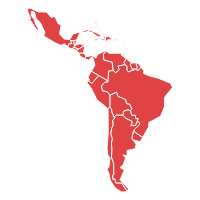
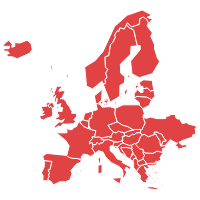
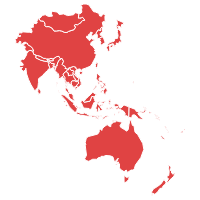
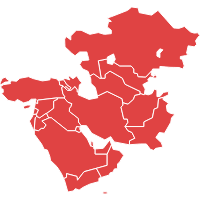
Asia-Pacific is expected to be the fastest-growing region, driven by rapid urbanization, rising middle-class appliance ownership, and increasing investment in water infrastructure. According to the United Nations ESCAP, the Asia-Pacific region is home to nearly 60% of the global population, creating substantial long-term residential water demand. The World Bank has also highlighted continued investments in urban water supply and sanitation infrastructure across countries such as India, China, and Southeast Asian nations. Companies including A. O. Smith Corporation and BWT AG have expanded manufacturing and distribution operations across the region to capture growing demand from residential and commercial sectors. Meanwhile, Europe remains a mature market driven by sustainability regulations, while Latin America and Middle East and Africa are emerging markets supported by urban infrastructure development and increasing awareness of water quality.
Latin America
Europe
Asia Pacific
Middle East
North America
|
Report Benchmarks |
Details |
|
Report Study Period |
2026-2032 |
|
Market Size in 2025 |
US$ 4.5 Billion |
|
Market Size in 2032 |
US$ 7.2 Billion |
|
Market CAGR |
6.9% |
|
By Type |
|
|
By Technology |
|
|
By Application |
|
|
By Distribution Channel |
|
|
By Region |
|
The market is positioned for stable long-term expansion, increasing from USD 4.5 billion in 2025 to USD 7.2 billion by 2032, reflecting a 6.9% CAGR, while the U.S. market is expected to grow from USD 1.6 billion to USD 2.7 billion at a 7.4% CAGR. Growth is strongly supported by increasing hard-water exposure, rising awareness of appliance protection, and the shift toward sustainable water treatment technologies. Government data from the U.S. Geological Survey (USGS) shows widespread hard-water prevalence, while EPA efficiency standards continue pushing manufacturers toward low-salt and water-efficient systems. Leading companies such as Pentair plc, Culligan International, and A. O. Smith Corporation are accelerating innovation through smart monitoring, predictive regeneration, and connected home integration. North America remains the revenue leader due to high residential penetration, whereas Asia-Pacific is emerging as the fastest-growing region due to urbanization and infrastructure expansion. As consumers prioritize efficiency, sustainability, and digital control, water softeners are evolving from conventional plumbing equipment into integrated smart water-management solutions, creating strong opportunities across residential, commercial, and industrial sectors globally.
Download Free Sample Report

Water Softeners Market size was valued at US$ 4.5 Billion in 2025 and is projected to reach US$ 7.2 Billion by 2032, growing at a CAGR of 6.9% from 2026-2032.
North America currently dominates due to widespread hard-water conditions, high consumer awareness, and strong dealer-based distribution networks.
Ion exchange technology remains the dominant technology because of its high efficiency in removing calcium and magnesium hardness ions.
Water Softeners Market report covers the Type, Technology, Application, Distribution Channel, and region segments.
BWT AG, Pentair plc, EcoWater Systems, Harvey Water Softeners, Whirlpool Corporation, Watts Water Technologies, Culligan International, Kinetico Incorporated, A. O. Smith Corporation, Canature Environmental Products, and among others are the key players in the Water Softeners -market.
Content Updated Date: May 2026
| 1.Executive Summary |
| 2.Global Water Softeners Market Introduction |
| 2.1.Global Water Softeners Market - Taxonomy |
| 2.2.Global Water Softeners Market - Definitions |
| 2.2.1.Type |
| 2.2.2.Technology |
| 2.2.3.Application |
| 2.2.4.Distribution Channel |
| 2.2.5.Region |
| 3.Global Water Softeners Market Dynamics |
| 3.1. Drivers |
| 3.2. Restraints |
| 3.3. Opportunities/Unmet Needs of the Market |
| 3.4. Trends |
| 3.5. Product Landscape |
| 3.6. New Product Launches |
| 3.7. Impact of COVID 19 on Market |
| 4.Global Water Softeners Market Analysis, 2021 - 2025 and Forecast 2026 - 2032 |
| 4.1. Market Analysis, 2021 - 2025 and Forecast, 2026 - 2032, (Sales Value USD Million) |
| 4.2. Year-Over-Year (Y-o-Y) Growth Analysis (%) |
| 4.3. Market Opportunity Analysis |
| 5.Global Water Softeners Market By Type, 2021 - 2025 and Forecast 2026 - 2032 (Sales Value USD Million) |
| 5.1. Salt-Based Water Softeners |
| 5.1.1. Market Analysis, 2021 - 2025 and Forecast, 2026 - 2032, (Sales Value USD Million) |
| 5.1.2. Year-Over-Year (Y-o-Y) Growth Analysis (%) and Market Share Analysis (%) |
| 5.1.3. Market Opportunity Analysis |
| 5.2. Salt-Free Water Softeners |
| 5.2.1. Market Analysis, 2021 - 2025 and Forecast, 2026 - 2032, (Sales Value USD Million) |
| 5.2.2. Year-Over-Year (Y-o-Y) Growth Analysis (%) and Market Share Analysis (%) |
| 5.2.3. Market Opportunity Analysis |
| 5.3. Dual-Tank Water Softeners |
| 5.3.1. Market Analysis, 2021 - 2025 and Forecast, 2026 - 2032, (Sales Value USD Million) |
| 5.3.2. Year-Over-Year (Y-o-Y) Growth Analysis (%) and Market Share Analysis (%) |
| 5.3.3. Market Opportunity Analysis |
| 5.4. Magnetic/Electronic Water Softeners |
| 5.4.1. Market Analysis, 2021 - 2025 and Forecast, 2026 - 2032, (Sales Value USD Million) |
| 5.4.2. Year-Over-Year (Y-o-Y) Growth Analysis (%) and Market Share Analysis (%) |
| 5.4.3. Market Opportunity Analysis |
| 6.Global Water Softeners Market By Technology, 2021 - 2025 and Forecast 2026 - 2032 (Sales Value USD Million) |
| 6.1. Ion Exchange |
| 6.1.1. Market Analysis, 2021 - 2025 and Forecast, 2026 - 2032, (Sales Value USD Million) |
| 6.1.2. Year-Over-Year (Y-o-Y) Growth Analysis (%) and Market Share Analysis (%) |
| 6.1.3. Market Opportunity Analysis |
| 6.2. Reverse Osmosis |
| 6.2.1. Market Analysis, 2021 - 2025 and Forecast, 2026 - 2032, (Sales Value USD Million) |
| 6.2.2. Year-Over-Year (Y-o-Y) Growth Analysis (%) and Market Share Analysis (%) |
| 6.2.3. Market Opportunity Analysis |
| 6.3. Others |
| 6.3.1. Market Analysis, 2021 - 2025 and Forecast, 2026 - 2032, (Sales Value USD Million) |
| 6.3.2. Year-Over-Year (Y-o-Y) Growth Analysis (%) and Market Share Analysis (%) |
| 6.3.3. Market Opportunity Analysis |
| 7.Global Water Softeners Market By Application, 2021 - 2025 and Forecast 2026 - 2032 (Sales Value USD Million) |
| 7.1. Residential |
| 7.1.1. Market Analysis, 2021 - 2025 and Forecast, 2026 - 2032, (Sales Value USD Million) |
| 7.1.2. Year-Over-Year (Y-o-Y) Growth Analysis (%) and Market Share Analysis (%) |
| 7.1.3. Market Opportunity Analysis |
| 7.2. Commercial |
| 7.2.1. Market Analysis, 2021 - 2025 and Forecast, 2026 - 2032, (Sales Value USD Million) |
| 7.2.2. Year-Over-Year (Y-o-Y) Growth Analysis (%) and Market Share Analysis (%) |
| 7.2.3. Market Opportunity Analysis |
| 7.3. Others |
| 7.3.1. Market Analysis, 2021 - 2025 and Forecast, 2026 - 2032, (Sales Value USD Million) |
| 7.3.2. Year-Over-Year (Y-o-Y) Growth Analysis (%) and Market Share Analysis (%) |
| 7.3.3. Market Opportunity Analysis |
| 8.Global Water Softeners Market By Distribution Channel, 2021 - 2025 and Forecast 2026 - 2032 (Sales Value USD Million) |
| 8.1. Online |
| 8.1.1. Market Analysis, 2021 - 2025 and Forecast, 2026 - 2032, (Sales Value USD Million) |
| 8.1.2. Year-Over-Year (Y-o-Y) Growth Analysis (%) and Market Share Analysis (%) |
| 8.1.3. Market Opportunity Analysis |
| 8.2. Offline |
| 8.2.1. Market Analysis, 2021 - 2025 and Forecast, 2026 - 2032, (Sales Value USD Million) |
| 8.2.2. Year-Over-Year (Y-o-Y) Growth Analysis (%) and Market Share Analysis (%) |
| 8.2.3. Market Opportunity Analysis |
| 9.Global Water Softeners Market By Region, 2021 - 2025 and Forecast 2026 - 2032 (Sales Value USD Million) |
| 9.1. North America |
| 9.1.1. Market Analysis, 2021 - 2025 and Forecast, 2026 - 2032, (Sales Value USD Million) |
| 9.1.2. Year-Over-Year (Y-o-Y) Growth Analysis (%) and Market Share Analysis (%) |
| 9.1.3. Market Opportunity Analysis |
| 9.2. Europe |
| 9.2.1. Market Analysis, 2021 - 2025 and Forecast, 2026 - 2032, (Sales Value USD Million) |
| 9.2.2. Year-Over-Year (Y-o-Y) Growth Analysis (%) and Market Share Analysis (%) |
| 9.2.3. Market Opportunity Analysis |
| 9.3. Asia Pacific (APAC) |
| 9.3.1. Market Analysis, 2021 - 2025 and Forecast, 2026 - 2032, (Sales Value USD Million) |
| 9.3.2. Year-Over-Year (Y-o-Y) Growth Analysis (%) and Market Share Analysis (%) |
| 9.3.3. Market Opportunity Analysis |
| 9.4. Middle East and Africa (MEA) |
| 9.4.1. Market Analysis, 2021 - 2025 and Forecast, 2026 - 2032, (Sales Value USD Million) |
| 9.4.2. Year-Over-Year (Y-o-Y) Growth Analysis (%) and Market Share Analysis (%) |
| 9.4.3. Market Opportunity Analysis |
| 9.5. Latin America |
| 9.5.1. Market Analysis, 2021 - 2025 and Forecast, 2026 - 2032, (Sales Value USD Million) |
| 9.5.2. Year-Over-Year (Y-o-Y) Growth Analysis (%) and Market Share Analysis (%) |
| 9.5.3. Market Opportunity Analysis |
| 10.North America Water Softeners Market ,2021 - 2025 and Forecast 2026 - 2032 (Sales Value USD Million) |
| 10.1. Type Analysis 2021 - 2025 and Forecast 2026 - 2032 by Sales Value USD Million, Y-o-Y Growth (%), and Market Share (%) |
| 10.1.1.Salt-Based Water Softeners |
| 10.1.2.Salt-Free Water Softeners |
| 10.1.3.Dual-Tank Water Softeners |
| 10.1.4.Magnetic/Electronic Water Softeners |
| 10.2. Technology Analysis 2021 - 2025 and Forecast 2026 - 2032 by Sales Value USD Million, Y-o-Y Growth (%), and Market Share (%) |
| 10.2.1.Ion Exchange |
| 10.2.2.Reverse Osmosis |
| 10.2.3.Others |
| 10.3. Application Analysis 2021 - 2025 and Forecast 2026 - 2032 by Sales Value USD Million, Y-o-Y Growth (%), and Market Share (%) |
| 10.3.1.Residential |
| 10.3.2.Commercial |
| 10.3.3.Others |
| 10.4. Distribution Channel Analysis 2021 - 2025 and Forecast 2026 - 2032 by Sales Value USD Million, Y-o-Y Growth (%), and Market Share (%) |
| 10.4.1.Online |
| 10.4.2.Offline |
| 10.5. Country Analysis 2021 - 2025 and Forecast 2026 - 2032 by Sales Value USD Million, Y-o-Y Growth (%), and Market Share (%) |
| 10.5.1.United States of America (USA) |
| 10.5.2.Canada |
| 11.Europe Water Softeners Market ,2021 - 2025 and Forecast 2026 - 2032 (Sales Value USD Million) |
| 11.1. Type Analysis and Forecast by Sales Value USD Million, Y-o-Y Growth (%), and Market Share (%) |
| 11.1.1.Salt-Based Water Softeners |
| 11.1.2.Salt-Free Water Softeners |
| 11.1.3.Dual-Tank Water Softeners |
| 11.1.4.Magnetic/Electronic Water Softeners |
| 11.2. Technology Analysis 2021 - 2025 and Forecast 2026 - 2032 by Sales Value USD Million, Y-o-Y Growth (%), and Market Share (%) |
| 11.2.1.Ion Exchange |
| 11.2.2.Reverse Osmosis |
| 11.2.3.Others |
| 11.3. Application Analysis 2021 - 2025 and Forecast 2026 - 2032 by Sales Value USD Million, Y-o-Y Growth (%), and Market Share (%) |
| 11.3.1.Residential |
| 11.3.2.Commercial |
| 11.3.3.Others |
| 11.4. Distribution Channel Analysis 2021 - 2025 and Forecast 2026 - 2032 by Sales Value USD Million, Y-o-Y Growth (%), and Market Share (%) |
| 11.4.1.Online |
| 11.4.2.Offline |
| 11.5. Country Analysis 2021 - 2025 and Forecast 2026 - 2032 by Sales Value USD Million, Y-o-Y Growth (%), and Market Share (%) |
| 11.5.1.Germany |
| 11.5.2.France |
| 11.5.3.Italy |
| 11.5.4.United Kingdom (UK) |
| 11.5.5.Spain |
| 12.Asia Pacific (APAC) Water Softeners Market ,2021 - 2025 and Forecast 2026 - 2032 (Sales Value USD Million) |
| 12.1. Type Analysis and Forecast by Sales Value USD Million, Y-o-Y Growth (%), and Market Share (%) |
| 12.1.1.Salt-Based Water Softeners |
| 12.1.2.Salt-Free Water Softeners |
| 12.1.3.Dual-Tank Water Softeners |
| 12.1.4.Magnetic/Electronic Water Softeners |
| 12.2. Technology Analysis 2021 - 2025 and Forecast 2026 - 2032 by Sales Value USD Million, Y-o-Y Growth (%), and Market Share (%) |
| 12.2.1.Ion Exchange |
| 12.2.2.Reverse Osmosis |
| 12.2.3.Others |
| 12.3. Application Analysis 2021 - 2025 and Forecast 2026 - 2032 by Sales Value USD Million, Y-o-Y Growth (%), and Market Share (%) |
| 12.3.1.Residential |
| 12.3.2.Commercial |
| 12.3.3.Others |
| 12.4. Distribution Channel Analysis 2021 - 2025 and Forecast 2026 - 2032 by Sales Value USD Million, Y-o-Y Growth (%), and Market Share (%) |
| 12.4.1.Online |
| 12.4.2.Offline |
| 12.5. Country Analysis 2021 - 2025 and Forecast 2026 - 2032 by Sales Value USD Million, Y-o-Y Growth (%), and Market Share (%) |
| 12.5.1.China |
| 12.5.2.India |
| 12.5.3.Australia and New Zealand (ANZ) |
| 12.5.4.Japan |
| 12.5.5.Rest of APAC |
| 13.Middle East and Africa (MEA) Water Softeners Market ,2021 - 2025 and Forecast 2026 - 2032 (Sales Value USD Million) |
| 13.1. Type Analysis and Forecast by Sales Value USD Million, Y-o-Y Growth (%), and Market Share (%) |
| 13.1.1.Salt-Based Water Softeners |
| 13.1.2.Salt-Free Water Softeners |
| 13.1.3.Dual-Tank Water Softeners |
| 13.1.4.Magnetic/Electronic Water Softeners |
| 13.2. Technology Analysis 2021 - 2025 and Forecast 2026 - 2032 by Sales Value USD Million, Y-o-Y Growth (%), and Market Share (%) |
| 13.2.1.Ion Exchange |
| 13.2.2.Reverse Osmosis |
| 13.2.3.Others |
| 13.3. Application Analysis 2021 - 2025 and Forecast 2026 - 2032 by Sales Value USD Million, Y-o-Y Growth (%), and Market Share (%) |
| 13.3.1.Residential |
| 13.3.2.Commercial |
| 13.3.3.Others |
| 13.4. Distribution Channel Analysis 2021 - 2025 and Forecast 2026 - 2032 by Sales Value USD Million, Y-o-Y Growth (%), and Market Share (%) |
| 13.4.1.Online |
| 13.4.2.Offline |
| 13.5. Country Analysis 2021 - 2025 and Forecast 2026 - 2032 by Sales Value USD Million, Y-o-Y Growth (%), and Market Share (%) |
| 13.5.1.GCC Countries |
| 13.5.2.South Africa |
| 13.5.3.Rest of MEA |
| 14.Latin America Water Softeners Market ,2021 - 2025 and Forecast 2026 - 2032 (Sales Value USD Million) |
| 14.1. Type Analysis and Forecast by Sales Value USD Million, Y-o-Y Growth (%), and Market Share (%) |
| 14.1.1.Salt-Based Water Softeners |
| 14.1.2.Salt-Free Water Softeners |
| 14.1.3.Dual-Tank Water Softeners |
| 14.1.4.Magnetic/Electronic Water Softeners |
| 14.2. Technology Analysis 2021 - 2025 and Forecast 2026 - 2032 by Sales Value USD Million, Y-o-Y Growth (%), and Market Share (%) |
| 14.2.1.Ion Exchange |
| 14.2.2.Reverse Osmosis |
| 14.2.3.Others |
| 14.3. Application Analysis 2021 - 2025 and Forecast 2026 - 2032 by Sales Value USD Million, Y-o-Y Growth (%), and Market Share (%) |
| 14.3.1.Residential |
| 14.3.2.Commercial |
| 14.3.3.Others |
| 14.4. Distribution Channel Analysis 2021 - 2025 and Forecast 2026 - 2032 by Sales Value USD Million, Y-o-Y Growth (%), and Market Share (%) |
| 14.4.1.Online |
| 14.4.2.Offline |
| 14.5. Country Analysis 2021 - 2025 and Forecast 2026 - 2032 by Sales Value USD Million, Y-o-Y Growth (%), and Market Share (%) |
| 14.5.1.Brazil |
| 14.5.2.Mexico |
| 14.5.3.Rest of LA |
| 15. Competition Landscape |
| 15.1. Market Player Profiles (Introduction, Brand/Product Sales, Financial Analysis, Product Offerings, Key Developments, Collaborations, M & A, Strategies, and SWOT Analysis) |
| 15.2.1.BWT AG |
| 15.2.2.Pentair plc |
| 15.2.3.EcoWater Systems |
| 15.2.4.Harvey Water Softeners |
| 15.2.5.Whirlpool Corporation |
| 15.2.6.Watts Water Technologies |
| 15.2.7.Culligan International |
| 15.2.8.Kinetico Incorporated, A. O |
| 15.2.9.Smith Corporation |
| 15.2.10.Canature Environmental Products |
| 16. Research Methodology |
| 17. Appendix and Abbreviations |
Key Market Players

 Download Sample