
 Download Sample




Author
Sravani is a proficient Business Analyst with an MBA and a background in Computer Science, with seven years of expe.....
Climate Smart Agriculture Market: By Component, By Technology, By Application, By End User, and Region Forecast 2021-2032
Report ID:178024
Published Date:May 2026
No of Pages:215
Format:

Climate Smart Agriculture Market size was valued at US$ 14.8 Billion in 2025 and is projected to reach US$ 29.6 Billion by 2032, growing at a CAGR of 10.4% from 2026-2032. Moreover, in the USA, the Climate Smart Agriculture Market size was valued at US$ 4.6 Billion in 2025 and is projected to reach US$ 8.3 Billion by 2032, growing at a CAGR of 8.8% from 2026-2032.
Climate Smart Agriculture (CSA) is an integrated farming approach designed to improve agricultural productivity, strengthen climate resilience, and reduce greenhouse gas emissions across food production systems. According to the Food and Agriculture Organization, CSA supports sustainable crop production, adaptation to climate risks, and emission reduction through resource-efficient farming practices. The World Bank reports that agrifood systems generate nearly one-third of global greenhouse gas emissions, yet receive only 4% of total climate finance, highlighting a major investment gap. The World Bank has also increased climate-smart agriculture financing nearly eightfold to approximately US$ 3 billion annually since the Paris Agreement. In the United States, the United States Department of Agriculture previously committed US$ 3 billion through its Climate-Smart Commodities initiative to support sustainable farming projects.
Meanwhile, the European Commission states that agriculture contributes 11% of direct greenhouse gas emissions in Europe, accelerating demand for climate-resilient farming technologies. Growing adoption of precision irrigation, soil monitoring, satellite analytics, and carbon farming solutions is further supported by agritech companies and sustainability programs worldwide, positioning CSA as a strategic pillar of future food security and environmental stewardship.
Based on the Component:
Among components, Hardware remains the dominant segment in Climate Smart Agriculture due to widespread deployment of GPS-guided tractors, sensors, drones, and smart irrigation systems. The United States Department of Agriculture reported automated guidance technologies operating on over 50% of major U.S. crop acreage, while machinery leaders continue expanding connected equipment portfolios globally. Top of Form
Based on the Technology:
Among the technology segments, IoT (Internet of Things) currently represents one of the dominant segments in Climate Smart Agriculture due to its ability to enable real-time farm monitoring, predictive irrigation, and resource optimization. A 2023 United States Government Accountability Office study found 27% of U.S. farms and ranches had adopted precision agriculture practices, many involving connected sensing systems, while the United States Department of Agriculture continues expanding AI and connected farming initiatives across agricultural systems.
Based on the Application:
Among application segments, Precision Farming currently leads Climate Smart Agriculture adoption due to its proven productivity and resource-efficiency benefits. The United States Department of Agriculture reported that precision technologies such as yield maps and soil maps were used on 68% of large-scale U.S. crop farms in 2023. Meanwhile, John Deere continues expanding autonomous guidance and connected farm platforms globally.
Based on the End User:
Among the end-user segments, Farmers represent the dominant segment in the Climate Smart Agriculture market, as they are the direct adopters of precision irrigation, digital crop monitoring, soil health management, and climate-resilient farming practices. According to the Food and Agriculture Organization, there are more than 500 million family farms globally, and these farms produce over 80% of the world’s food in value terms. In addition, the United States Department of Agriculture reports that 97.6% of U.S. farms are family farms, accounting for nearly 85% of U.S. agricultural production. This large operational base, combined with increasing adoption of smart irrigation, satellite-based advisory systems, and government-supported sustainability programs, continues to position farmers as the leading end-user group in climate-smart agriculture worldwide.
Study Period
2026-2032Base Year
2025CAGR
10.4%Largest Market
North-AmericaFastest Growing Market
Asia-Pacific
Climate Smart Agriculture (CSA) is gaining momentum globally due to rising climate pressures, food security concerns, water scarcity, supportive government policies, technological advancement, decarbonization goals, and increasing private-sector investment. The World Bank reports that food systems currently account for nearly one-third of global greenhouse gas emissions and consume approximately 70% of the world’s freshwater resources, intensifying the need for sustainable farming systems. The Intergovernmental Panel on Climate Change has highlighted that climate change could increase cereal prices by 1–29% by 2050, creating urgency for resilient agricultural practices. In the United States, the United States Department of Agriculture announced support for more than 140 climate-smart projects across the agricultural value chain. Meanwhile, the John Deere states its precision agriculture technologies can reduce fertilizer application overlap by up to 90%, improving resource efficiency. Similarly, Bayer Crop Science has reported digital agronomy platforms serving over 220 million acres globally. These developments, supported by public and private investment, continue to accelerate adoption of climate-smart farming systems worldwide.
Climate Smart Agriculture adoption continues to face major constraints despite rising global demand for sustainable farming. High capital requirements for sensors, precision irrigation systems, drones, and connected machinery remain a major barrier, particularly for smallholder farmers. According to the Food and Agriculture Organization, small farms account for nearly 90% of all farms worldwide, limiting large-scale technology investments. In India, government agricultural census data shows the average operational landholding is only 1.08 hectares, reducing the economic viability of advanced mechanized solutions. Digital infrastructure also remains a challenge, as the International Telecommunication Union reported that only 38% of people in rural areas globally had internet access in recent assessments, restricting adoption of cloud-based farm platforms. Data ownership concerns, uncertain payback periods, and fragmented policies further slow implementation. In addition, the John Deere reported that connected agriculture still requires strong dealer support, training, and data integration for effective deployment. Limited financing access and insufficient technical skills continue to restrain CSA expansion, particularly across emerging agricultural economies.
Climate Smart Agriculture presents strong growth opportunities through carbon farming, emerging market adoption, digital innovation, government funding, resilient seed development, smart water management, and strategic agritech partnerships. The World Bank reports that agrifood systems use nearly 70% of global freshwater resources, creating significant demand for precision irrigation and water-efficiency technologies. In India, the World Bank-supported Andhra Pradesh agricultural transformation program has already reached 48,502 farmers with climate-resilient agricultural services, demonstrating rising implementation in emerging economies. Meanwhile, Bayer AG reported in its 2025 sustainability report that it supported approximately 103 million smallholder farmers globally through products, partnerships, and advisory services, while also targeting a 25% improvement in water productivity by 2030 in rice systems. Expanding digital agriculture ecosystems, biological crop inputs, and carbon credit platforms are opening new revenue streams for agritech providers. Public investment, farmer digitization, and collaboration between governments, financial institutions, and technology companies are expected to accelerate CSA adoption, especially across Asia-Pacific, Latin America, and African agricultural economies.
Climate Smart Agriculture is evolving rapidly through digital farming, regenerative agriculture, carbon programs, water optimization, biological innovation, data-driven management, and public–private partnerships. According to the Food and Agriculture Organization, more than 1.5 billion hectares of cropland globally are under some form of conservation agriculture, reflecting the growing adoption of regenerative practices. The European Commission reports that organic farming now covers over 17 million hectares across Europe, supporting the shift toward biological and low-input agriculture. In the United States, the United States Department of Agriculture reported that farms using precision agriculture technologies continue to expand across major crop acreage, especially in corn and soybean production. Meanwhile, Netafim states that drip irrigation systems can reduce agricultural water consumption by up to 50% compared with conventional irrigation methods. BASF has also expanded digital farm platforms across millions of hectares, highlighting growing demand for connected, analytics-driven agricultural ecosystems. These trends continue reshaping global farming toward higher productivity, resilience, and sustainability.
Among North America, Europe, Asia-Pacific, Latin America, and the Middle East & Africa, North America currently dominates the Climate Smart Agriculture market, while Asia-Pacific is emerging as the fastest-growing region. North America’s leadership is supported by strong farm mechanization, advanced precision agriculture adoption, and large-scale public funding. According to the United States Department of Agriculture, the agency completed approximately 279,000 conservation plans covering nearly 147 million acres of privately owned agricultural and forestry land in FY2024, reflecting strong implementation of climate-smart practices. USDA also reported that over 5 million acres were enrolled under climate-smart commodity projects.
In addition, USDA research shows automated guidance technologies are now used on more than 50% of U.S. corn, soybean, cotton, and wheat acreage, strengthening regional market maturity. Asia-Pacific, led by India, China, and Australia, is expected to witness the fastest growth due to rising government investment in farm digitization and climate resilience. India’s digital agriculture and climate adaptation programs continue expanding across millions of farmers, while public-private partnerships are accelerating adoption of smart irrigation, satellite monitoring, and AI-enabled agronomy platforms across the region.
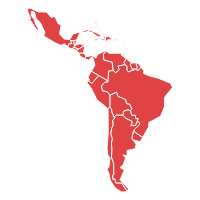
Latin America
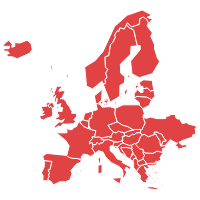
Europe
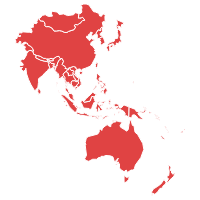
Asia Pacific
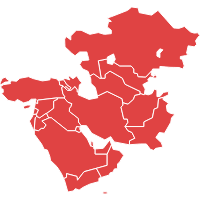
Middle East
North America
|
Report Benchmarks |
Details |
|
Report Study Period |
2026-2032 |
|
Market Size in 2025 |
US$ 14.8 Billion |
|
Market Size in 2032 |
US$ 29.6 Billion |
|
Market CAGR |
10.4% |
|
By Component |
|
|
By Technology |
|
|
By Application |
|
|
By End User |
|
|
By Region |
|
The market is positioned for strong long-term expansion, rising from USD 14.8 billion in 2025 to USD 29.6 billion by 2032, reflecting growing adoption of digital, sustainable, and resource-efficient farming solutions globally. In the United States, the market is expected to expand from USD 4.6 billion to USD 8.3 billion during the same period, supported by advanced mechanization and climate-focused agricultural policies.
Market momentum is being driven by increasing climate variability, water scarcity, soil degradation, and the urgent need to improve agricultural productivity while lowering emissions. Technologies such as IoT-enabled sensors, AI-based crop analytics, satellite monitoring, automated irrigation, and carbon farming platforms are shifting from pilot deployment to commercial-scale adoption. Leading companies including John Deere, Bayer Crop Science, Netafim, and BASF are actively expanding their digital agriculture portfolios.
North America currently leads market adoption due to precision farming maturity, while Asia-Pacific is emerging as the fastest-growing region because of rising government investment, farm digitization programs, and increasing climate adaptation initiatives. Over the forecast period, carbon-smart farming, biological inputs, and data-driven farm management are expected to create substantial growth opportunities across global agricultural ecosystems.
Download Free Sample Report

The climate smart agriculture market size was valued at US$ 14.8 Billion in 2025 and is projected to grow at a CAGR of 10.4% from 2026-2032.
• Rising Climate Change Impact on Agriculture • Growing Food Demand • Increasing Water Scarcity
• Expansion of Carbon Farming and Carbon Credit Programs • Rising Adoption in Emerging Economies • Growth of AI, IoT, and Satellite-Based Farming
North America currently dominates due to strong adoption of precision farming equipment, high farm mechanization, and government-supported climate agriculture initiatives.
The market report covers the Component, Technology, Application, End User, and region segments.
Netafim, Trimble Inc., John Deere, CNH Industrial, Corteva Agriscience, Valmont Industries, AGCO Corporation, Bayer Crop Science, BASF Agricultural Solutions, Topcon Positioning Systems, and among others are the key players in the market.
Content Updated Date: May 2026
| 1.Executive Summary |
| 2.Global Climate Smart Agriculture Market Introduction |
| 2.1.Global Climate Smart Agriculture Market - Taxonomy |
| 2.2.Global Climate Smart Agriculture Market - Definitions |
| 2.2.1.Component |
| 2.2.2.Technology |
| 2.2.3.Application |
| 2.2.4.End User |
| 2.2.5.Region |
| 3.Global Climate Smart Agriculture Market Dynamics |
| 3.1. Drivers |
| 3.2. Restraints |
| 3.3. Opportunities/Unmet Needs of the Market |
| 3.4. Trends |
| 3.5. Product Landscape |
| 3.6. New Product Launches |
| 3.7. Impact of COVID 19 on Market |
| 4.Global Climate Smart Agriculture Market Analysis, 2021 - 2025 and Forecast 2026- 2032 |
| 4.1. Market Analysis, 2021 - 2025 and Forecast, 2026- 2032, (Sales Value USD Million) |
| 4.2. Year-Over-Year (Y-o-Y) Growth Analysis (%) |
| 4.3. Market Opportunity Analysis |
| 5.Global Climate Smart Agriculture Market By Component , 2021 - 2025 and Forecast 2026- 2032 (Sales Value USD Million) |
| 5.1. Hardware |
| 5.1.1. Market Analysis, 2021 - 2025 and Forecast, 2026- 2032, (Sales Value USD Million) |
| 5.1.2. Year-Over-Year (Y-o-Y) Growth Analysis (%) and Market Share Analysis (%) |
| 5.1.3. Market Opportunity Analysis |
| 5.2. Software |
| 5.2.1. Market Analysis, 2021 - 2025 and Forecast, 2026- 2032, (Sales Value USD Million) |
| 5.2.2. Year-Over-Year (Y-o-Y) Growth Analysis (%) and Market Share Analysis (%) |
| 5.2.3. Market Opportunity Analysis |
| 5.3. Services |
| 5.3.1. Market Analysis, 2021 - 2025 and Forecast, 2026- 2032, (Sales Value USD Million) |
| 5.3.2. Year-Over-Year (Y-o-Y) Growth Analysis (%) and Market Share Analysis (%) |
| 5.3.3. Market Opportunity Analysis |
| 6.Global Climate Smart Agriculture Market By Technology , 2021 - 2025 and Forecast 2026- 2032 (Sales Value USD Million) |
| 6.1. Artificial Intelligence & Analytics |
| 6.1.1. Market Analysis, 2021 - 2025 and Forecast, 2026- 2032, (Sales Value USD Million) |
| 6.1.2. Year-Over-Year (Y-o-Y) Growth Analysis (%) and Market Share Analysis (%) |
| 6.1.3. Market Opportunity Analysis |
| 6.2. Remote Sensing |
| 6.2.1. Market Analysis, 2021 - 2025 and Forecast, 2026- 2032, (Sales Value USD Million) |
| 6.2.2. Year-Over-Year (Y-o-Y) Growth Analysis (%) and Market Share Analysis (%) |
| 6.2.3. Market Opportunity Analysis |
| 6.3. GPS/GIS |
| 6.3.1. Market Analysis, 2021 - 2025 and Forecast, 2026- 2032, (Sales Value USD Million) |
| 6.3.2. Year-Over-Year (Y-o-Y) Growth Analysis (%) and Market Share Analysis (%) |
| 6.3.3. Market Opportunity Analysis |
| 6.4. IoT |
| 6.4.1. Market Analysis, 2021 - 2025 and Forecast, 2026- 2032, (Sales Value USD Million) |
| 6.4.2. Year-Over-Year (Y-o-Y) Growth Analysis (%) and Market Share Analysis (%) |
| 6.4.3. Market Opportunity Analysis |
| 7.Global Climate Smart Agriculture Market By Application, 2021 - 2025 and Forecast 2026- 2032 (Sales Value USD Million) |
| 7.1. Smart Irrigation |
| 7.1.1. Market Analysis, 2021 - 2025 and Forecast, 2026- 2032, (Sales Value USD Million) |
| 7.1.2. Year-Over-Year (Y-o-Y) Growth Analysis (%) and Market Share Analysis (%) |
| 7.1.3. Market Opportunity Analysis |
| 7.2. Precision Farming |
| 7.2.1. Market Analysis, 2021 - 2025 and Forecast, 2026- 2032, (Sales Value USD Million) |
| 7.2.2. Year-Over-Year (Y-o-Y) Growth Analysis (%) and Market Share Analysis (%) |
| 7.2.3. Market Opportunity Analysis |
| 7.3. Livestock Monitoring |
| 7.3.1. Market Analysis, 2021 - 2025 and Forecast, 2026- 2032, (Sales Value USD Million) |
| 7.3.2. Year-Over-Year (Y-o-Y) Growth Analysis (%) and Market Share Analysis (%) |
| 7.3.3. Market Opportunity Analysis |
| 7.4. Greenhouse Farming |
| 7.4.1. Market Analysis, 2021 - 2025 and Forecast, 2026- 2032, (Sales Value USD Million) |
| 7.4.2. Year-Over-Year (Y-o-Y) Growth Analysis (%) and Market Share Analysis (%) |
| 7.4.3. Market Opportunity Analysis |
| 8.Global Climate Smart Agriculture Market By End User, 2021 - 2025 and Forecast 2026- 2032 (Sales Value USD Million) |
| 8.1. Farmers |
| 8.1.1. Market Analysis, 2021 - 2025 and Forecast, 2026- 2032, (Sales Value USD Million) |
| 8.1.2. Year-Over-Year (Y-o-Y) Growth Analysis (%) and Market Share Analysis (%) |
| 8.1.3. Market Opportunity Analysis |
| 8.2. Agribusiness Companies |
| 8.2.1. Market Analysis, 2021 - 2025 and Forecast, 2026- 2032, (Sales Value USD Million) |
| 8.2.2. Year-Over-Year (Y-o-Y) Growth Analysis (%) and Market Share Analysis (%) |
| 8.2.3. Market Opportunity Analysis |
| 8.3. Government & Research Institutions |
| 8.3.1. Market Analysis, 2021 - 2025 and Forecast, 2026- 2032, (Sales Value USD Million) |
| 8.3.2. Year-Over-Year (Y-o-Y) Growth Analysis (%) and Market Share Analysis (%) |
| 8.3.3. Market Opportunity Analysis |
| 9.Global Climate Smart Agriculture Market By Region, 2021 - 2025 and Forecast 2026- 2032 (Sales Value USD Million) |
| 9.1. North America |
| 9.1.1. Market Analysis, 2021 - 2025 and Forecast, 2026- 2032, (Sales Value USD Million) |
| 9.1.2. Year-Over-Year (Y-o-Y) Growth Analysis (%) and Market Share Analysis (%) |
| 9.1.3. Market Opportunity Analysis |
| 9.2. Europe |
| 9.2.1. Market Analysis, 2021 - 2025 and Forecast, 2026- 2032, (Sales Value USD Million) |
| 9.2.2. Year-Over-Year (Y-o-Y) Growth Analysis (%) and Market Share Analysis (%) |
| 9.2.3. Market Opportunity Analysis |
| 9.3. Asia Pacific (APAC) |
| 9.3.1. Market Analysis, 2021 - 2025 and Forecast, 2026- 2032, (Sales Value USD Million) |
| 9.3.2. Year-Over-Year (Y-o-Y) Growth Analysis (%) and Market Share Analysis (%) |
| 9.3.3. Market Opportunity Analysis |
| 9.4. Middle East and Africa (MEA) |
| 9.4.1. Market Analysis, 2021 - 2025 and Forecast, 2026- 2032, (Sales Value USD Million) |
| 9.4.2. Year-Over-Year (Y-o-Y) Growth Analysis (%) and Market Share Analysis (%) |
| 9.4.3. Market Opportunity Analysis |
| 9.5. Latin America |
| 9.5.1. Market Analysis, 2021 - 2025 and Forecast, 2026- 2032, (Sales Value USD Million) |
| 9.5.2. Year-Over-Year (Y-o-Y) Growth Analysis (%) and Market Share Analysis (%) |
| 9.5.3. Market Opportunity Analysis |
| 10.North America Climate Smart Agriculture Market ,2021 - 2025 and Forecast 2026- 2032 (Sales Value USD Million) |
| 10.1. Component Analysis 2021 - 2025 and Forecast 2026- 2032 by Sales Value USD Million, Y-o-Y Growth (%), and Market Share (%) |
| 10.1.1.Hardware |
| 10.1.2.Software |
| 10.1.3.Services |
| 10.2. Technology Analysis 2021 - 2025 and Forecast 2026- 2032 by Sales Value USD Million, Y-o-Y Growth (%), and Market Share (%) |
| 10.2.1.Artificial Intelligence & Analytics |
| 10.2.2.Remote Sensing |
| 10.2.3.GPS/GIS |
| 10.2.4.IoT |
| 10.3. Application Analysis 2021 - 2025 and Forecast 2026- 2032 by Sales Value USD Million, Y-o-Y Growth (%), and Market Share (%) |
| 10.3.1.Smart Irrigation |
| 10.3.2.Precision Farming |
| 10.3.3.Livestock Monitoring |
| 10.3.4.Greenhouse Farming |
| 10.4. End User Analysis 2021 - 2025 and Forecast 2026- 2032 by Sales Value USD Million, Y-o-Y Growth (%), and Market Share (%) |
| 10.4.1.Farmers |
| 10.4.2.Agribusiness Companies |
| 10.4.3.Government & Research Institutions |
| 10.5. Country Analysis 2021 - 2025 and Forecast 2026- 2032 by Sales Value USD Million, Y-o-Y Growth (%), and Market Share (%) |
| 10.5.1.United States of America (USA) |
| 10.5.2.Canada |
| 11.Europe Climate Smart Agriculture Market ,2021 - 2025 and Forecast 2026- 2032 (Sales Value USD Million) |
| 11.1. Component Analysis and Forecast by Sales Value USD Million, Y-o-Y Growth (%), and Market Share (%) |
| 11.1.1.Hardware |
| 11.1.2.Software |
| 11.1.3.Services |
| 11.2. Technology Analysis 2021 - 2025 and Forecast 2026- 2032 by Sales Value USD Million, Y-o-Y Growth (%), and Market Share (%) |
| 11.2.1.Artificial Intelligence & Analytics |
| 11.2.2.Remote Sensing |
| 11.2.3.GPS/GIS |
| 11.2.4.IoT |
| 11.3. Application Analysis 2021 - 2025 and Forecast 2026- 2032 by Sales Value USD Million, Y-o-Y Growth (%), and Market Share (%) |
| 11.3.1.Smart Irrigation |
| 11.3.2.Precision Farming |
| 11.3.3.Livestock Monitoring |
| 11.3.4.Greenhouse Farming |
| 11.4. End User Analysis 2021 - 2025 and Forecast 2026- 2032 by Sales Value USD Million, Y-o-Y Growth (%), and Market Share (%) |
| 11.4.1.Farmers |
| 11.4.2.Agribusiness Companies |
| 11.4.3.Government & Research Institutions |
| 11.5. Country Analysis 2021 - 2025 and Forecast 2026- 2032 by Sales Value USD Million, Y-o-Y Growth (%), and Market Share (%) |
| 11.5.1.Germany |
| 11.5.2.France |
| 11.5.3.Italy |
| 11.5.4.United Kingdom (UK) |
| 11.5.5.Spain |
| 12.Asia Pacific (APAC) Climate Smart Agriculture Market ,2021 - 2025 and Forecast 2026- 2032 (Sales Value USD Million) |
| 12.1. Component Analysis and Forecast by Sales Value USD Million, Y-o-Y Growth (%), and Market Share (%) |
| 12.1.1.Hardware |
| 12.1.2.Software |
| 12.1.3.Services |
| 12.2. Technology Analysis 2021 - 2025 and Forecast 2026- 2032 by Sales Value USD Million, Y-o-Y Growth (%), and Market Share (%) |
| 12.2.1.Artificial Intelligence & Analytics |
| 12.2.2.Remote Sensing |
| 12.2.3.GPS/GIS |
| 12.2.4.IoT |
| 12.3. Application Analysis 2021 - 2025 and Forecast 2026- 2032 by Sales Value USD Million, Y-o-Y Growth (%), and Market Share (%) |
| 12.3.1.Smart Irrigation |
| 12.3.2.Precision Farming |
| 12.3.3.Livestock Monitoring |
| 12.3.4.Greenhouse Farming |
| 12.4. End User Analysis 2021 - 2025 and Forecast 2026- 2032 by Sales Value USD Million, Y-o-Y Growth (%), and Market Share (%) |
| 12.4.1.Farmers |
| 12.4.2.Agribusiness Companies |
| 12.4.3.Government & Research Institutions |
| 12.5. Country Analysis 2021 - 2025 and Forecast 2026- 2032 by Sales Value USD Million, Y-o-Y Growth (%), and Market Share (%) |
| 12.5.1.China |
| 12.5.2.India |
| 12.5.3.Australia and New Zealand (ANZ) |
| 12.5.4.Japan |
| 12.5.5.Rest of APAC |
| 13.Middle East and Africa (MEA) Climate Smart Agriculture Market ,2021 - 2025 and Forecast 2026- 2032 (Sales Value USD Million) |
| 13.1. Component Analysis and Forecast by Sales Value USD Million, Y-o-Y Growth (%), and Market Share (%) |
| 13.1.1.Hardware |
| 13.1.2.Software |
| 13.1.3.Services |
| 13.2. Technology Analysis 2021 - 2025 and Forecast 2026- 2032 by Sales Value USD Million, Y-o-Y Growth (%), and Market Share (%) |
| 13.2.1.Artificial Intelligence & Analytics |
| 13.2.2.Remote Sensing |
| 13.2.3.GPS/GIS |
| 13.2.4.IoT |
| 13.3. Application Analysis 2021 - 2025 and Forecast 2026- 2032 by Sales Value USD Million, Y-o-Y Growth (%), and Market Share (%) |
| 13.3.1.Smart Irrigation |
| 13.3.2.Precision Farming |
| 13.3.3.Livestock Monitoring |
| 13.3.4.Greenhouse Farming |
| 13.4. End User Analysis 2021 - 2025 and Forecast 2026- 2032 by Sales Value USD Million, Y-o-Y Growth (%), and Market Share (%) |
| 13.4.1.Farmers |
| 13.4.2.Agribusiness Companies |
| 13.4.3.Government & Research Institutions |
| 13.5. Country Analysis 2021 - 2025 and Forecast 2026- 2032 by Sales Value USD Million, Y-o-Y Growth (%), and Market Share (%) |
| 13.5.1.GCC Countries |
| 13.5.2.South Africa |
| 13.5.3.Rest of MEA |
| 14.Latin America Climate Smart Agriculture Market ,2021 - 2025 and Forecast 2026- 2032 (Sales Value USD Million) |
| 14.1. Component Analysis and Forecast by Sales Value USD Million, Y-o-Y Growth (%), and Market Share (%) |
| 14.1.1.Hardware |
| 14.1.2.Software |
| 14.1.3.Services |
| 14.2. Technology Analysis 2021 - 2025 and Forecast 2026- 2032 by Sales Value USD Million, Y-o-Y Growth (%), and Market Share (%) |
| 14.2.1.Artificial Intelligence & Analytics |
| 14.2.2.Remote Sensing |
| 14.2.3.GPS/GIS |
| 14.2.4.IoT |
| 14.3. Application Analysis 2021 - 2025 and Forecast 2026- 2032 by Sales Value USD Million, Y-o-Y Growth (%), and Market Share (%) |
| 14.3.1.Smart Irrigation |
| 14.3.2.Precision Farming |
| 14.3.3.Livestock Monitoring |
| 14.3.4.Greenhouse Farming |
| 14.4. End User Analysis 2021 - 2025 and Forecast 2026- 2032 by Sales Value USD Million, Y-o-Y Growth (%), and Market Share (%) |
| 14.4.1.Farmers |
| 14.4.2.Agribusiness Companies |
| 14.4.3.Government & Research Institutions |
| 14.5. Country Analysis 2021 - 2025 and Forecast 2026- 2032 by Sales Value USD Million, Y-o-Y Growth (%), and Market Share (%) |
| 14.5.1.Brazil |
| 14.5.2.Mexico |
| 14.5.3.Rest of LA |
| 15. Competition Landscape |
| 15.1. Market Player Profiles (Introduction, Brand/Product Sales, Financial Analysis, Product Offerings, Key Developments, Collaborations, M & A, Strategies, and SWOT Analysis) |
| 15.2.1.Netafim |
| 15.2.2.Trimble Inc. |
| 15.2.3.John Deere |
| 15.2.4.CNH Industrial |
| 15.2.5.Corteva Agriscience |
| 15.2.6.Valmont Industries |
| 15.2.7.AGCO Corporation |
| 15.2.8.Bayer Crop Science |
| 15.2.9.BASF Agricultural Solutions |
| 15.2.10.Topcon Positioning Systems |
| 16. Research Methodology |
| 17. Appendix and Abbreviations |
Key Market Players
Author
Sravani is a proficient Business Analyst with an MBA and a background in Computer Science, with seven years of experience in the field of market research. Sravani is adept at creating competitive evaluations, precise market estimations, and market projections, emphasizing the food and beverage and information and communication technology (ICT) industries. Her areas of competence are identifying important players, projecting market trends, and assessing the potential for industry growth. She applies a strong analytical approach to provide precise market estimates and thorough industry analysis, empowering organizations to make data-driven decisions. Sravani's estimating and forecasting abilities are essential for businesses to take advantage of new opportunities and effectively manage dynamic market environments.